
Japan Bridges Taiwan, South Korea, and Beyond in the Setouchi Triennale 2026 to Transform Island Communities Into a World-Class Cultural Tourism Destination

Published
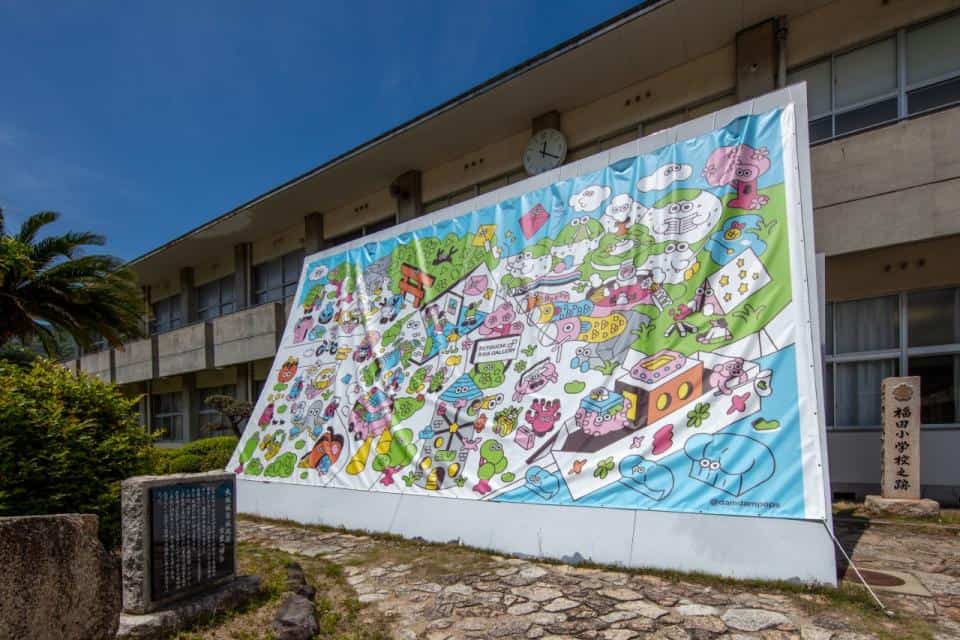
Image generated with Ai
Japan bridges Taiwan, South Korea and global artistic forces as Setouchi Triennale 2026 ignites a new era of island revival, cultural tourism and global creativity by transforming the Seto Inland Sea into a powerful global platform where art, heritage and tourism converge.
The internationally recognised Setouchi Triennale continues to strengthen Japan’s position as a leading destination for cultural tourism by connecting island communities with artists, creators and visitors from across the world. Although the festival does not operate through traditional country-based pavilions, its international network brings together creative voices from Taiwan, South Korea and numerous global regions to showcase contemporary art within Japan’s unique island landscapes.
Advertisement
Advertisement
The event represents a major shift in how destinations can use creativity to drive tourism growth. Remote islands once challenged by population decline are being reimagined as vibrant cultural destinations through immersive installations, restored heritage spaces and community-led experiences.
Setouchi Triennale’s global appeal lies in its ability to combine artistic innovation with authentic local stories. Visitors are offered more than an exhibition. They experience island traditions, natural beauty, regional cuisine and meaningful connections with local communities.
Advertisement
Advertisement
The festival has become a symbol of sustainable tourism development. It demonstrates how art can revive destinations, attract international travellers and create long-term economic opportunities.
Advertisement
Advertisement
With growing interest in experiential travel, Japan’s island communities are gaining worldwide attention. The Setouchi model highlights a future where culture, creativity and tourism work together to transform overlooked regions into extraordinary global destinations.
Setouchi Triennale 2026 Country Participation Status
| Country / Territory Represented | Participation Type | Importance in Setouchi Triennale Context |
| Japan | Host country; artists, local communities, island projects | The core participant. The festival is built around Japanese islands, coastal towns, local heritage and contemporary Japanese creativity. |
| Taiwan | International artists and installation creators | Taiwan has historically contributed artists working on island culture, architecture, nature and community themes. (Architectural Digest) |
| South Korea | Contemporary artists and cultural collaborations | South Korean creators contribute to East Asian contemporary art exchange. |
| China | Artist participation and cultural exchange | Represents broader Asian artistic dialogue and regional cooperation. |
| Singapore | Contemporary art participation | Singaporean artists have contributed to international contemporary art networks connected with Japanese festivals. |
| Indonesia | Contemporary art participation | Adds Southeast Asian perspectives on ecology, society and cultural identity. |
| Australia | International artists | Australian participation reflects the festival’s global contemporary art reach. |
| New Zealand | Performing arts and creative collaborations | New Zealand artists have participated in Japanese international art programmes. |
| United States | International artists | Represents major global contemporary art networks. |
| United Kingdom | Artists and cultural practitioners | Adds European perspectives on contemporary art and social themes. |
| France | Artists and cultural exchange | France is an important partner in global contemporary art circulation. |
| Germany | Artists and creative networks | Represents European contemporary art engagement. |
| Netherlands | Artists and cultural collaborations | Dutch creative practices are frequently connected with international art festivals. |
| Spain | International artists | Adds Mediterranean and European artistic perspectives. |
| Italy | Contemporary art exchange | Part of wider European participation patterns. |
| Belgium | Creative collaborations | Represents European cultural networks. |
| Switzerland | International contemporary art links | Connected through global art circuits. |
| Cyprus | Artist participation | Appears in international contemporary art networks. |
| Palestine | Contemporary artistic representation | Represents social, cultural and identity-based artistic narratives. |
| United Arab Emirates | Contemporary art participation | Reflects growing Gulf-region cultural exchange. |
| Israel | International creative networks | Connected with broader contemporary art exchanges. |
| Turkey | Artistic collaboration | Represents cross-regional cultural dialogue. |
| Brazil | International artists | Brings Latin American artistic perspectives. |
| Argentina | Contemporary art participation | Represents South American creative networks. |
| Mexico | Contemporary artists | Adds Latin American cultural perspectives. |
| Canada | International artists | Represents North American creative exchange. |
| South Africa | Contemporary art participation | Expands geographical diversity of artistic voices. |
What makes Setouchi Triennale a global cultural tourism phenomenon?
The Setouchi Triennale has become one of Japan’s most influential contemporary art festivals by turning remote islands in the Seto Inland Sea into internationally recognised cultural destinations. Unlike traditional exhibitions that rely on large urban galleries or national showcases, the festival integrates art directly into island landscapes, abandoned buildings, fishing villages and historic communities.
The festival’s core philosophy is based on connecting contemporary creativity with local identity. Artists are invited to develop site-specific works that respond to the environment, history and daily lives of island residents. This approach has transformed locations such as Naoshima, Teshima, Megijima, Ogijima, Shodoshima, Oshima and Inujima into destinations where visitors experience art alongside nature, architecture and traditional Japanese culture.
The international dimension of Setouchi Triennale comes from its ability to attract artists from Asia, Europe, North America, Oceania and other regions. The festival does not rank participation by country but instead creates a global artistic network where different cultural perspectives meet within Japan’s island communities.
The 2025 edition demonstrated the scale of this international appeal, bringing together 218 artists and groups from 37 countries and regions, highlighting the festival’s growing role as a bridge between Japan and the global creative economy.
Advertisement
Advertisement
For the tourism industry, the festival represents more than an art event. It has become a successful example of cultural tourism development, showing how creativity can revive declining rural areas, increase international visitation and create new economic opportunities for local communities.
Geographic Focus of Setouchi Triennale
| Element | Details |
|---|---|
| Host region | Seto Inland Sea, Japan |
| Main concept | Contemporary art combined with island communities, nature and local heritage |
| Main locations | Naoshima, Teshima, Megijima, Ogijima, Shodoshima, Oshima, Inujima and other island/coastal areas |
| Format | Site-specific artworks, installations, performances and community projects |
| International model | Global artists participating within Japanese island environments rather than country-based pavilions |
Which countries and regions are represented through Setouchi Triennale’s international artist network?
Although Setouchi Triennale does not operate through national delegations, its participating artists have historically represented a broad range of countries and cultural backgrounds. The international network includes creators from across Asia, Europe, the Americas, Oceania, Africa and the Middle East.
Japan remains the foundation of the festival, with local artists and communities playing the central role in shaping the identity of the event. However, international participation has expanded significantly, creating a multicultural platform where global artists collaborate with Japanese island environments.
| Region | Countries and Territories Represented Through Artists and Cultural Participation | Contribution to Setouchi Triennale |
|---|---|---|
| East Asia | Japan, Taiwan, South Korea, China | Strengthens regional cultural exchange and highlights shared maritime traditions |
| Southeast Asia | Singapore, Indonesia and other Southeast Asian creative communities | Introduces perspectives on sustainability, community and social change |
| Europe | United Kingdom, France, Germany, Netherlands, Italy, Spain and other European countries | Connects Setouchi with established contemporary art networks |
| North America | United States, Canada, Mexico | Adds global contemporary art perspectives and experimental practices |
| Oceania | Australia, New Zealand | Creates connections between island nations facing environmental and cultural challenges |
| Middle East | UAE and other regional contributors | Expands cultural dialogue beyond traditional art centres |
| Africa | Kenya, South Africa and other African artists | Brings diverse narratives related to identity, nature and community |
International representation has included artists working across different disciplines, including sculpture, architecture, performance, environmental art, digital installations and community-based projects.
The festival’s international character has helped position Japan as a leading destination for art tourism, attracting travellers who combine cultural exploration with island experiences.
Advertisement
Advertisement
Why does Japan use contemporary art to revive its island communities?
The origins of Setouchi Triennale are closely connected with the challenge of population decline and economic pressure affecting many islands in the Seto Inland Sea. Several communities experienced ageing populations, reduced industries and declining visitor numbers before art became a tool for regional regeneration.
Through projects supported by organisations such as Benesse Art Site Naoshima, contemporary art has been integrated into the natural and cultural landscape of the islands. Museums, outdoor installations and restored historic buildings have created new reasons for travellers to visit areas that were previously overlooked.
Naoshima became one of the strongest examples of this transformation. The island evolved from a small industrial community into an internationally recognised art destination featuring museums, architectural projects and iconic installations.
The success of the Setouchi model demonstrates how tourism can move beyond traditional attractions. Instead of relying only on beaches, landmarks or heritage sites, destinations can create new tourism demand through creativity, storytelling and authentic local experiences.
This approach has influenced destination management strategies worldwide, particularly in regions searching for sustainable ways to attract visitors without damaging local culture.
Advertisement
Advertisement
For Japan’s tourism sector, Setouchi Triennale represents a successful combination of cultural preservation, international promotion and regional economic development.
How does international participation strengthen Japan’s position in global cultural tourism?
The participation of artists from multiple countries has strengthened Japan’s image as a destination where tradition and innovation coexist. Visitors are not only travelling to Japan to see historic temples, gardens and cities but increasingly seeking immersive experiences connected with contemporary creativity.
Setouchi Triennale supports this changing travel behaviour by offering slow tourism experiences. Instead of short visits focused on major cities, travellers explore islands over several days, using ferries, bicycles and local transport while engaging with communities.
The festival also supports international tourism dispersal. While destinations such as Tokyo, Kyoto and Osaka remain major attractions, Setouchi encourages visitors to explore lesser-known regions of Japan.
This aligns with Japan’s broader tourism strategy of promoting regional destinations and reducing concentration in major urban areas.
Advertisement
Advertisement
The festival’s international artist participation also strengthens cultural diplomacy. When artists from different countries create works within Japanese communities, they create opportunities for dialogue, collaboration and mutual understanding.
For the global travel industry, Setouchi provides a powerful example of how cultural events can become long-term tourism assets rather than temporary attractions.
Which islands and destinations benefit from Setouchi Triennale’s global popularity?
The festival spreads across multiple islands and coastal locations, creating a unique island-hopping tourism experience. Each destination offers a different combination of art, landscapes and local culture.
| Destination | Tourism Importance |
|---|---|
| Naoshima | Internationally recognised for museums, architecture and iconic contemporary artworks |
| Teshima | Known for environmental art, nature-based installations and artistic experiences |
| Shodoshima | Combines art with olive production, traditional industries and island landscapes |
| Megijima | Offers installations connected with local legends and community spaces |
| Ogijima | Known for artworks integrated into village environments |
| Inujima | Combines industrial heritage with contemporary artistic transformation |
| Oshima | Highlights social themes and community-focused projects |
These islands have benefited from increased visitor awareness, improved transport connections and stronger international recognition.
The festival has encouraged travellers to stay longer, explore multiple locations and engage with local businesses, accommodation providers and cultural services.
Advertisement
Advertisement
Anup Kumar Keshan, Founder, CEO, and Editor-in-Chief of Travel And Tour World (TTW), notes, “Setouchi Triennale represents a remarkable example of how culture can become a powerful catalyst for tourism transformation. The festival goes beyond traditional art exhibitions by creating meaningful connections between international creativity and local island communities. Its greatest strength lies in turning lesser-known destinations into globally recognised cultural experiences while preserving the unique identity of the Seto Inland Sea region.
The participation of artists from Taiwan, South Korea and other international destinations highlights the growing importance of cross-border cultural collaboration in modern tourism. Travellers today are increasingly seeking authentic experiences that connect them with local communities, heritage and stories. Setouchi Triennale successfully responds to this demand by combining contemporary art, natural landscapes and traditional island life.
The festival also provides valuable lessons for destinations facing challenges such as population decline and regional economic pressure. By investing in creativity, community involvement and sustainable tourism practices, Japan has demonstrated how overlooked areas can be revitalised without losing their cultural character.
Setouchi Triennale is not only an art event but also a tourism development model. It shows that destinations can create global appeal by celebrating local strengths while welcoming international perspectives. As experiential travel continues to grow, similar cultural initiatives could play an increasingly important role in shaping the future of global tourism.”
What does Setouchi Triennale’s future mean for international tourism?
Setouchi Triennale’s future influence extends beyond the festival calendar. Its greatest achievement has been proving that art can become a foundation for sustainable tourism development.
Advertisement
Advertisement
The event has created a model where local communities are not passive tourism attractions but active participants in shaping visitor experiences.
As global travellers increasingly search for meaningful experiences, cultural immersion and environmentally responsible tourism, destinations inspired by the Setouchi approach are likely to gain more attention.
Although there is currently no officially confirmed separate Setouchi Triennale 2026 edition, the festival’s international legacy continues through its artist collaborations, island projects and global reputation.
For Japan, Setouchi represents a powerful tourism success story: a region once challenged by depopulation has become a globally recognised cultural destination. For the international travel industry, it demonstrates how creativity, community and heritage can combine to create a new generation of tourism experiences.
The festival’s greatest strength is not simply the number of countries represented, but its ability to bring different cultures together within Japan’s unique island environment.
Advertisement
Advertisement
Setouchi Triennale’s international influence continues to grow because it successfully combines art, community development and tourism innovation. By welcoming artists and creative forces from Taiwan, South Korea and beyond, Japan has created a unique cultural movement that revitalises island communities and attracts global travellers. The reason behind its success is its ability to transform local heritage into immersive experiences while supporting sustainable regional growth. As demand for meaningful travel rises, the festival proves that creativity can become a powerful engine for tourism transformation and global cultural connection.
Analytical Summary
The Setouchi Triennale is not a country competition or diplomatic exhibition. Its international strength comes from bringing artists from multiple continents into Japan’s Seto Inland Sea communities. The festival’s unique model combines Japanese island regeneration, tourism development, environmental awareness and global contemporary art exchange.
For a tourism or travel industry report, the stronger angle would be:
“More than 20 countries connect through Japan’s Setouchi Triennale as global artists transform declining island communities into a world-class cultural tourism destination.”
This positioning better reflects the festival’s actual international impact than a simple country participation ranking.
[Image: Setouchi Triennale]
Advertisement
