
Indonesia Alongside Japan and Many Other Specific Regions are Exposed to Earthquakes, Leading to Disrupted Travel and a Grind to a Halt

Published
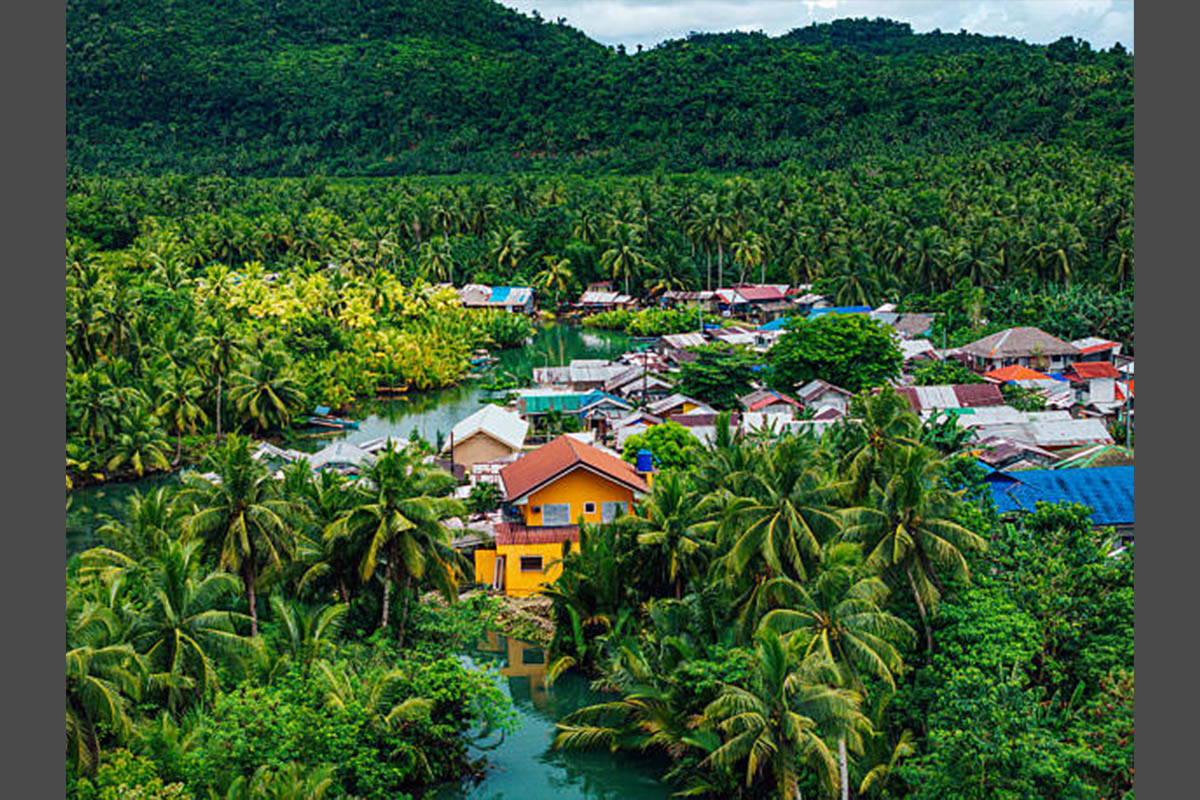
Asia contains some of the world’s most seismically active regions, with major tectonic boundaries stretching from Japan and the Philippines through Indonesia and across the Himalayan belt. For travellers, earthquake risk is particularly important because a major tremor can disrupt railways, aviation, roads, ferries and mountain routes even when tourism infrastructure outside the immediate impact zone remains operational.
Japan, the Philippines and Indonesia sit within or near highly active tectonic environments, while Afghanistan, Nepal and Pakistan face additional risks from the collision of the Indian and Eurasian plates. In mountainous destinations, earthquakes can also trigger landslides, rockfalls and road closures, turning a geological event into a wider transportation emergency.
Advertisement
Advertisement
The latest information supplied highlights five major Asian areas where seismic exposure deserves close attention.
Why is Southwestern Japan one of Asia’s most earthquake-prone travel regions?
Japan is among the world’s most earthquake-exposed countries because of its position near several active tectonic boundaries. Southwestern Japan, including Kyushu and Kumamoto Prefecture, has experienced significant seismic events and remains an important area for earthquake preparedness.
Advertisement
Advertisement
Kumamoto became a major example of the challenges earthquakes can create even in a country renowned for advanced disaster-response systems. Major earthquakes can damage buildings, roads and other infrastructure while creating secondary hazards such as landslides.
For travellers, the key concern is not simply the magnitude of an earthquake but its location, depth and impact on infrastructure.
Advertisement
Advertisement
A significant event affecting Kyushu could interrupt railway services, highways and flights while authorities conduct safety inspections and manage aftershocks.
How can earthquakes disrupt travel across Kyushu?
Earthquakes in southwestern Japan can have immediate consequences for regional mobility.
Japan’s extensive rail network is designed to respond rapidly to seismic activity, meaning services may be suspended while tracks, bridges, tunnels and surrounding infrastructure are inspected. Airports can also face temporary operational restrictions depending on runway conditions and the severity of the event.
The disruption can extend beyond the earthquake’s immediate epicentre. Travellers may find that a journey involving several connecting transport systems is affected even when their final destination has suffered relatively little physical damage.
Landslides present another significant challenge in mountainous parts of Kyushu, potentially blocking roads and isolating communities.
Why is Mindanao exposed to major earthquake and tsunami risks?
The southern Philippines, particularly Mindanao, sits within the highly active tectonic environment of the Pacific Ring of Fire.
Advertisement
Advertisement
The region is exposed to earthquakes generated by complex interactions between tectonic plates. Large offshore earthquakes can create additional hazards, including tsunami warnings, coastal evacuation orders and temporary restrictions on maritime activity.
The consequences for tourism can therefore extend beyond structural damage. Airports, roads, ports, ferries and coastal attractions may all be affected while authorities assess the situation.
Travellers in coastal areas should pay particular attention to official tsunami warnings following strong offshore earthquakes. Even when an earthquake itself causes limited damage, authorities may restrict access to coastal zones until the threat has been evaluated.
How does Indonesia’s location increase earthquake exposure?
Indonesia is one of the world’s most seismically active countries because of its location along several major tectonic boundaries.
The country’s geography creates a particular challenge for travel. Indonesia is an enormous archipelago, meaning transport between destinations frequently depends on aviation and maritime connections.
An offshore earthquake affecting the Flores Sea or East Nusa Tenggara can therefore have consequences extending beyond the immediate area. Ferry services may be temporarily suspended, ports can be inspected and coastal communities may receive tsunami warnings.
Advertisement
Advertisement
Airports and roads may also require safety checks after significant shaking.
For visitors travelling through remote islands, these disruptions can be particularly consequential because alternative transport options may be limited.
Why can a major Indonesian earthquake affect island tourism?
Indonesia’s tourism economy depends heavily on reliable connections between islands.
Visitors may travel through several transport hubs during a single itinerary, combining domestic flights, ferries, buses and private transfers. A disruption at one point in this chain can therefore affect the remainder of a journey.
Following a major earthquake, authorities may prioritise emergency response and infrastructure inspections over normal tourism operations.
Travellers should avoid assuming that an airport, ferry terminal or road is operating simply because the destination itself has not reported major structural damage. Local transport authorities and operators are better placed to confirm whether services have resumed.
Advertisement
Advertisement
Why does Southern China remain exposed to earthquake disruption?
China contains several seismically active regions, including areas where continental tectonic forces can generate damaging earthquakes.
Guangxi and areas around the Tibetan Plateau have different geological characteristics, but both illustrate the scale and diversity of seismic exposure across China.
Moderate earthquakes can create temporary transport disruption when officials need to inspect railways, bridges, roads and other infrastructure.
This is particularly relevant in densely populated areas because even a relatively moderate earthquake can affect large numbers of people if it occurs near major urban or transport corridors.
For international travellers, transport disruption can become the most visible consequence, particularly where railway services are temporarily suspended while engineers assess infrastructure.
Why are Afghanistan, Nepal and Pakistan vulnerable to earthquake disruption?
The Himalayan and Central Asian seismic belt is shaped by the ongoing collision between the Indian and Eurasian tectonic plates.
Advertisement
Advertisement
Afghanistan, Pakistan and Nepal consequently experience recurring seismic activity, while their mountainous geography creates additional risks.
An earthquake in these areas can trigger landslides, rockfalls and road collapses. Such secondary hazards can be more disruptive to tourism than the initial shaking because mountain roads may become inaccessible for extended periods.
Nepal’s trekking and mountain tourism sector is particularly dependent on roads and trails that can be vulnerable to landslides. Similar challenges exist along major transport corridors in Pakistan and Afghanistan.
Why are landslides such a serious travel threat in the Himalayas?
Mountainous terrain amplifies the consequences of earthquakes.
A road can remain structurally intact through much of its route but become unusable because a landslide blocks a narrow section. In remote valleys, there may be no immediate alternative route.
This creates a particular risk for travellers undertaking trekking, road trips or overland journeys.
Advertisement
Advertisement
The Karakoram Highway, mountain routes into Nepal and other high-altitude corridors can become difficult to access following major geological events. Even when airports in major cities remain operational, travellers may find onward ground transportation disrupted.
The combination of earthquakes, steep terrain and limited alternative routes makes emergency planning particularly important in these destinations.
What should travellers do before visiting an earthquake-prone destination?
Travellers should check official government travel advice and local emergency information before departure, particularly when visiting destinations with known seismic exposure.
Travel insurance should cover relevant emergency circumstances, including medical treatment and disruption where applicable. Visitors should also keep important documents accessible and know the emergency procedures provided by their hotel or accommodation.
For mountain travel, flexibility is particularly important. Travellers should avoid planning tightly connected transport arrangements where possible and should maintain additional time for unexpected road closures or service interruptions.
Those travelling to coastal areas in earthquake-prone regions should also understand local tsunami evacuation procedures.
Advertisement
Advertisement
Can an earthquake stop flights, trains and ferries?
Yes. A major earthquake can temporarily suspend virtually any form of transport if infrastructure requires inspection or if authorities need to manage secondary hazards.
Rail operators may stop trains to examine tracks, bridges and tunnels. Airports may inspect runways and terminals. Ferry operators can suspend sailings following offshore earthquakes or tsunami warnings.
Road closures can occur because of structural damage, landslides or falling debris.
However, disruption is generally highly localised and depends on the size and location of the earthquake. Travellers should therefore avoid assuming that an earthquake in one part of a country automatically affects the entire national transport network.
What does Asia’s earthquake exposure mean for tourism in 2026?
Asia’s seismic landscape demonstrates why disaster preparedness remains an important part of travel planning.
Japan, the Philippines, Indonesia and the Himalayan belt all face different combinations of earthquake and secondary hazards. Japan has extensive emergency-response infrastructure, while island nations such as Indonesia and the Philippines face additional maritime and tsunami considerations. Mountain destinations in Nepal and Pakistan face particularly significant landslide risks.
Advertisement
Advertisement
The presence of seismic activity does not make these destinations inherently unsuitable for tourism. Millions of journeys take place safely in earthquake-prone countries every year.
The critical issue is preparedness, reliable information and the ability to respond quickly when conditions change.
Advertisement
