

Thailand Joins Indonesia and Other Destinations in Witnessing Tourism Growth From North American Tourists as US-Canada Trade War Pushes Asia-Pacific Tourism in 2026

Published
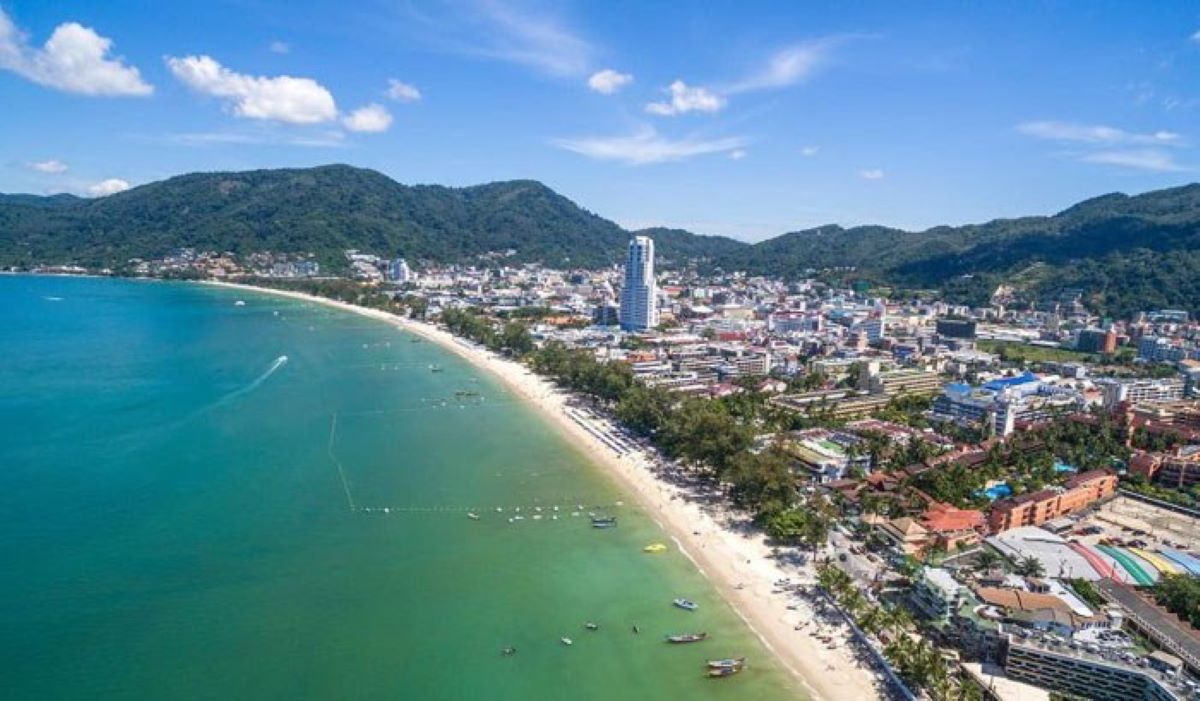
Tourism demand from North America is creating fresh opportunities across Asia-Pacific in 2026, with Thailand, Indonesia, Malaysia and Vietnam attracting significant numbers of travellers from the United States and Canada. The trend is unfolding against a backdrop of continuing US-Canada trade tensions, changing travel sentiment and a broader search for long-haul destinations offering greater variety and value.
However, an important distinction remains. The tourism figures demonstrate growing North American demand for several Asian destinations, but they do not establish that US-Canada trade tensions alone caused travellers to choose Asia-Pacific. Visa-Free Travel, stronger air connectivity, competitive holiday costs, destination marketing, cultural experiences and Wellness Tourism are also influencing travel decisions.
Thailand Strengthens Its Position in the North American Long-Haul Market
Thailand is becoming an increasingly important Asian destination for North American travellers, supported by its established hospitality sector, beaches, cultural attractions, gastronomy and growing Wellness Tourism offering. From January to September, the tourism data show 754,840 arrivals from the United States, representing 3.3% of the market and growth of 11%. Canada contributed another 185,893 visitors, with growth of 3%. Thailand is benefiting from its ability to serve several travel segments within a single journey, ranging from Bangkok city breaks and Phuket beach holidays to Chiang Mai cultural experiences and wellness retreats. International connectivity and relatively easy entry arrangements also strengthen its position in the long-haul market. For the tourism economy, rising North American demand can generate spending across accommodation, restaurants, attractions, domestic transport, wellness businesses and tour operators, helping Thailand diversify its visitor base and capture greater value from international tourism.
| North American Market | Visitor Arrivals | Market Share | Growth |
|---|---|---|---|
| United States | 754,840 | 3.3% | +11% |
| Canada | 185,893 | 0.8% | +3.0% |
Thailand’s opportunity extends beyond simply increasing arrival numbers. North American travellers taking long-haul holidays can support higher tourism expenditure through longer stays, multi-destination itineraries and demand for accommodation, food, entertainment and experiences. This creates opportunities for tourism businesses outside Thailand’s principal gateways as visitors combine Bangkok, Phuket, Chiang Mai, Krabi and other destinations. Wellness Tourism is particularly relevant because Thailand has developed an international reputation for spa resorts, retreats and health-oriented holidays. The country’s broader strategy of attracting higher-value visitors can therefore benefit from continued US and Canadian demand. Stronger North American traffic also gives Thailand greater diversification at a time when competition for international visitors across Southeast Asia is intensifying. This makes the US and Canadian markets increasingly important to Thailand’s long-term tourism economy and places the country prominently within the Latest Tourism News of Asia in 2026.
Advertisement
Advertisement
Indonesia Gains From North American Interest as International Tourism Expands
Indonesia is also strengthening its position among long-haul travellers. From January to August, the country recorded 246,571 US visitors, equivalent to 2.7% of arrivals, alongside 59,482 Canadian visitors, representing 0.7%. Bali remains Indonesia’s most recognisable international tourism gateway and gives the country substantial visibility among US and Canadian travellers. Yet Indonesia’s proposition increasingly extends beyond one island. Java, Lombok and other destinations provide opportunities for culture, nature, adventure, gastronomy and Wellness Tourism. These experiences can encourage long-haul travellers to remain in the country longer and distribute expenditure across multiple destinations. Continued investment in accommodation, transport, attractions and tourism services can further strengthen Indonesia’s ability to capture North American demand. For the economy, these visitors generate opportunities across hotels, restaurants, guides, domestic aviation, local transport, creative businesses and tour operators. This wider tourism value makes North America an increasingly relevant market for Indonesia’s international tourism strategy.
| North American Market | Visitor Arrivals | Market Share | Growth |
|---|---|---|---|
| United States | 246,571 | 2.7% | Not provided |
| Canada | 59,482 | 0.7% | Not provided |
Indonesia has an additional opportunity to use growing international interest to distribute tourism activity beyond Bali. North American visitors often travel considerable distances to reach Southeast Asia, creating potential for longer itineraries that combine several destinations. Encouraging these travellers towards Java, Lombok and other emerging tourism areas could spread visitor spending while reducing excessive dependence on established hotspots. Nature, culture, surfing, gastronomy and Wellness Tourism provide Indonesia with a diverse portfolio for attracting travellers seeking experience-led holidays. The economic impact can extend into local communities through accommodation, restaurants, guides, transport operators and small tourism businesses. Improved connectivity between destinations will be crucial if Indonesia wants to maximise this opportunity. Stronger North American demand therefore has significance beyond headline arrival numbers. It can support Indonesia’s transition towards a tourism economy focused on higher visitor value, longer stays and wider geographic distribution of tourism revenue.
Advertisement
Advertisement
Malaysia Attracts More US and Canadian Travellers With Diverse Tourism Experiences
Malaysia is registering another notable North American trend. Between January and July, the country welcomed 171,465 visitors from the United States, representing 0.8% of arrivals and growth of 4.4%. Canadian arrivals reached 60,844, equivalent to 0.3% of the market and an increase of 8.1%. Although North America’s overall market share remains comparatively modest, the growth demonstrates Malaysia’s potential to diversify its international visitor base. Kuala Lumpur combines shopping, hospitality, food and urban attractions, while Penang provides heritage and gastronomy. Langkawi strengthens the country’s beach and resort proposition, while Sabah and Sarawak offer rainforest, wildlife and adventure tourism. Visa-Free Travel arrangements for eligible travellers, regional aviation connectivity and competitive travel costs can make Malaysia attractive for travellers building multi-country Southeast Asian itineraries. Rising North American arrivals can generate additional expenditure across hotels, restaurants, retail, attractions, aviation and domestic transportation.
| North American Market | Visitor Arrivals | Market Share | Growth |
|---|---|---|---|
| United States | 171,465 | 0.8% | +4.4% |
| Canada | 60,844 | 0.3% | +8.1% |
For Malaysia, the strategic importance of North American growth lies partly in market diversification. The stronger percentage increase from Canada is noteworthy even though its absolute visitor volume remains substantially smaller than the US market. Malaysia can build on this momentum by promoting nature, gastronomy, culture, islands and Wellness Tourism alongside its established urban tourism proposition. Improved long-haul connectivity and stronger partnerships with airlines and tour operators could also make the country easier to incorporate into wider Asian itineraries. Travellers from North America who stay longer and explore multiple regions can distribute expenditure beyond Kuala Lumpur and established tourism centres. This can support accommodation providers, restaurants, retail businesses, guides and transportation companies across the country. As Southeast Asian destinations compete increasingly for higher-value international travellers, Malaysia’s ability to offer diverse experiences at comparatively accessible costs could become an important competitive advantage within the wider Asia News tourism landscape.
Advertisement
Advertisement
Vietnam Records the Sharpest North American Growth Among the Four Destinations
Vietnam provides the strongest percentage growth figures in the supplied North American dataset. Between January and August 2026, the country welcomed 687,368 US visitors, representing 4.3% of international arrivals and a substantial increase of 20%. Canada generated another 141,065 visitors, equivalent to 0.9% of arrivals and growth of 25.3%. Vietnam’s combination of cultural heritage, food, beaches, cities and competitive travel costs gives North American visitors multiple reasons to consider the country for longer Asian holidays. Hanoi and Ho Chi Minh City provide major urban gateways, while Ha Long Bay, Da Nang, Hoi An and Phu Quoc extend the tourism proposition into heritage, beaches and leisure. Improved tourism infrastructure and easier travel arrangements are also strengthening Vietnam’s international competitiveness. Rising US and Canadian demand can support hotels, restaurants, attractions, aviation, domestic transport and local businesses while broadening the country’s international source-market mix.
| North American Market | Visitor Arrivals | Market Share | Growth |
|---|---|---|---|
| United States | 687,368 | 4.3% | +20.0% |
| Canada | 141,065 | 0.9% | +25.3% |
Vietnam’s North American performance is particularly important because both markets are expanding strongly rather than simply maintaining existing visitor volumes. The increase indicates growing awareness of Vietnam as a long-haul destination offering substantial variety within a single journey. Cultural tourism remains a major attraction, but beaches, resorts, gastronomy and emerging Wellness Tourism products are broadening its appeal. Competitive travel costs can also encourage visitors to extend stays and explore multiple regions. The economic effect can spread widely because longer itineraries generate expenditure across accommodation, restaurants, attractions, transport and locally operated tourism services. Continued improvements in aviation connectivity, tourism infrastructure and destination marketing could help Vietnam maintain this momentum. Among the four countries examined, its growth rates from both the United States and Canada make Vietnam particularly significant in the Latest Tourism News of Asia, demonstrating how rapidly North American demand can expand when accessibility, value and destination diversity converge.
North American Tourism Is Becoming More Valuable to Asia-Pacific
Taken together, the figures reveal an important shift in Asia-Pacific tourism. Thailand records the largest US arrival volume among the four markets in the supplied dataset, while Vietnam shows the strongest percentage growth from both the United States and Canada. Malaysia is recording growth from both North American markets, while Indonesia continues to attract substantial US and Canadian visitor volumes.
US-Canada trade tensions provide an important backdrop to the changing North American travel environment. However, the tourism movement towards Asia-Pacific should not be attributed solely to the trade dispute without direct booking or traveller-intention evidence establishing that causal relationship.
Advertisement
Advertisement
The more durable explanation lies in the growing competitiveness of Asian destinations themselves. Visa-Free Travel, simplified entry requirements, improving air connectivity, competitive holiday costs, luxury accommodation, cultural experiences, gastronomy and Wellness Tourism are making Southeast Asia increasingly attractive for long-haul travellers.
For Thailand, Indonesia, Malaysia and Vietnam, this creates an economic opportunity extending far beyond arrival statistics. North American travellers can contribute to hotels, airlines, restaurants, attractions, local transportation, wellness businesses, guides and small tourism enterprises. Longer stays and multi-destination holidays can further increase visitor expenditure and distribute tourism revenue across wider areas.
The trend therefore represents an important development in Asia News and the Latest Tourism News of Asia in 2026. If North American demand continues to strengthen, Asia-Pacific destinations could secure a larger share of long-haul tourism while developing a more diversified and higher-value international visitor economy.
Advertisement
