
Why Nonstop Long Haul Flights Are Redefining The Way The World Travels: All You Need To Know
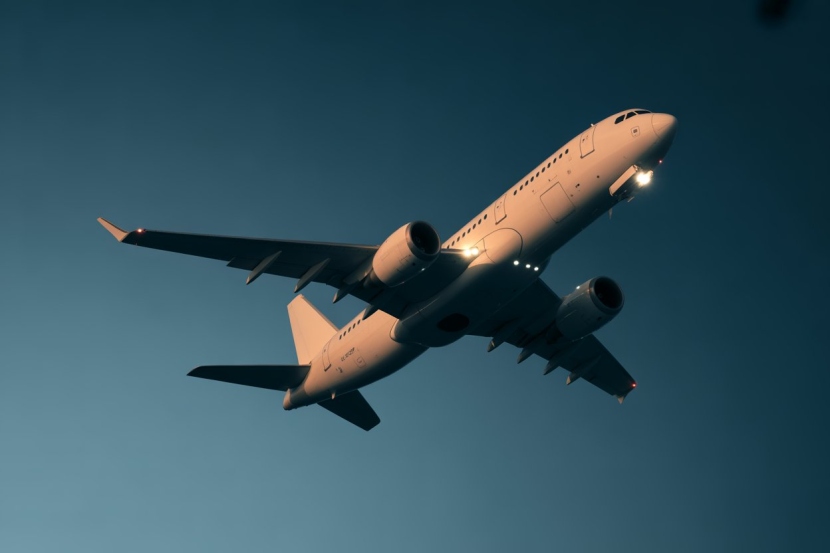 Image generated with Ai
The way people explore the world is undergoing a major transformation, and at the center of this shift are Nonstop Long-Haul Flights. As airlines continue to introduce more direct ultra-long routes between distant cities, global tourism is becoming faster, more accessible, and increasingly borderless. What once required multiple layovers and exhausting travel days can now be completed in a single, uninterrupted journey—reshaping traveler behavior and destination popularity across the globe.
In 2026, nonstop long-haul flights are no longer niche offerings reserved for business elites. They are becoming a strategic cornerstone of airline networks and a key driver of tourism growth worldwide.
Cutting Time, Increasing Travel Demand
One of the most immediate impacts of Nonstop Long-Haul Flights is time efficiency. Travelers can now reach destinations across continents in fewer hours, eliminating long layovers and transit visa concerns. This reduction in travel time has made faraway destinations feel closer and more appealing.
For leisure travelers, this means:
Advertisement
Advertisement
- Fewer days lost to travel fatigue
- More usable vacation time
- Reduced stress during journeys
For business travelers, nonstop long-haul flights allow faster turnaround trips, enabling meetings across continents without extended downtime. As a result, destinations that were once considered “too far” are now practical options for both short and long stays.
Opening New Tourism Corridors
Nonstop long-haul routes are not just shortening journeys, they are reshaping global tourism maps. Airlines are increasingly connecting secondary cities directly, bypassing traditional hub airports.
Advertisement
Advertisement
This has led to:
- Increased tourism to emerging destinations
- Reduced pressure on overcrowded global hubs
- Economic growth in regions previously underserved
Cities in South America, Southeast Asia, Africa, and the Middle East are benefiting from direct connectivity to North America and Europe. With Nonstop Long-Haul Flights, travelers are discovering destinations beyond the usual global capitals, spreading tourism benefits more evenly.
Boosting Leisure and “Bleisure” Travel
The rise of nonstop long-haul flights is fueling both leisure travel and the growing trend of bleisure combining business with leisure. Travelers attending conferences or meetings can now easily extend their stays for sightseeing and relaxation.
Destinations are responding by:
- Offering flexible hotel packages
- Promoting cultural and wellness tourism
- Enhancing experiences tailored for short but immersive visits
As nonstop connectivity increases, tourism boards are actively marketing themselves as “easy-to-reach” destinations, knowing that direct flights significantly influence booking decisions.
Aircraft Technology Making It Possible
Advancements in aircraft design are a major reason behind the success of Nonstop Long-Haul Flights. New-generation aircraft are more fuel-efficient, quieter, and capable of flying longer distances with fewer emissions.
Advertisement
Advertisement
These improvements allow airlines to:
- Operate long routes profitably
- Serve thinner routes with consistent demand
- Reduce environmental impact per passenger
Cabin innovations such as improved air quality, mood lighting, quieter engines, and enhanced seating comfort are also making long nonstop journeys more tolerable for passengers, further boosting demand.
Sustainability and Smarter Route Planning
While long-haul flights raise sustainability concerns, airlines are using smarter route planning and fuel-efficient aircraft to balance growth with responsibility. Surprisingly, nonstop flights can sometimes be more environmentally efficient than multi-stop journeys by reducing takeoffs, landings, and ground operations.
In 2026, airlines will be increasingly:
- Invest in sustainable aviation fuel
- Optimize flight paths using AI and weather data
- Reduce aircraft weight and fuel burn
This shift helps airlines align nonstop expansion with global sustainability goals, while destinations benefit from increased visitor inflows without excessive congestion.
Impact on Hotels and Local Tourism Economies
As Nonstop Long-Haul Flights bring more visitors directly into destinations, hotels, resorts, and local businesses are experiencing noticeable changes.
Advertisement
Advertisement
Key impacts include:
- Higher average length of stay for long-haul travelers
- Increased spending on premium accommodations and experiences
- Growth in luxury, wellness, and cultural tourism
Direct flights often attract higher-spending travelers, benefiting local economies through dining, shopping, tours, and entertainment. Cities with new nonstop connections are also seeing improved global visibility, encouraging repeat visits and long-term tourism growth.
Changing Traveler Behavior in 2026
Travelers in 2026 are more informed, experience-focused, and time-conscious. Nonstop long-haul flights align perfectly with these preferences.
Modern travelers prioritize:
- Convenience over price-only decisions
- Comfort and efficiency on long journeys
- Unique destinations with direct access
As a result, airlines offering direct routes are gaining competitive advantage, while destinations without nonstop access are under pressure to improve connectivity or reposition themselves.
Redefining Global Competition Among Destinations
The expansion of Nonstop Long-Haul Flights is intensifying competition among global destinations. Cities with direct access are gaining a clear edge in attracting international travelers, events, and investments.
Advertisement
Advertisement
Tourism boards are now:
- Actively collaborating with airlines on route launches
- Offering incentives to support new nonstop services
- Aligning marketing campaigns with new flight connectivity
This airline destination partnership model is shaping the future of global tourism development
Looking Ahead: The Future of Long-Haul Travel
As we move deeper into 2026, nonstop long-haul flights are expected to grow further, connecting even more distant city pairs. With continued advancements in aircraft technology and passenger comfort, the idea of flying across the world in one seamless journey will soon feel routine rather than remarkable.
Ultimately, Nonstop Long-Haul Flight are not just changing how people fly—they are changing how the world travels, explores, and connects. By making global journeys simpler, faster, and more efficient, these flights are reshaping tourism into a truly global, accessible experience.
Advertisement
