
Winter Storms Disrupt Holiday Travel in 2025 with Flight Cancellations and Delays: All You Need To Know

Published
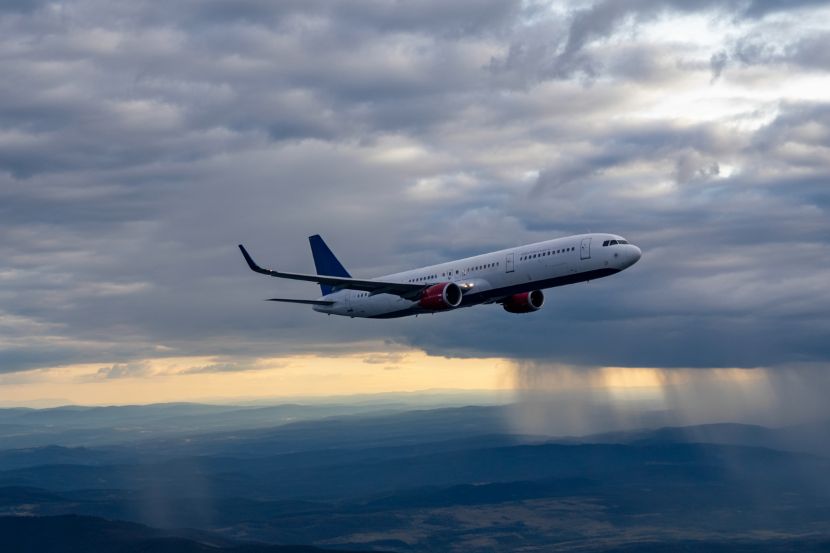 Image generated with Ai
As the holiday season winds down, holiday travel disruptions continue to plague air travellers across the United States. A massive winter storm sweeping across the country has resulted in flight delays, cancellations, and difficult road conditions for millions of travellers. The storm, which brought snow, ice, and high winds, disrupted flights in key hubs, including Minneapolis-Saint Paul International, Chicago O’Hare, and New York airports, leaving millions of passengers stranded or delayed.
Winter Storm Causes Widespread Disruptions Nationwide
By Sunday, December 28, more than 5,400 flights had been delayed, with over 1,000 cancellations affecting airports nationwide. The FAA confirmed that Minneapolis-Saint Paul International Airport was under a ground delay due to weather-related conditions. This delay, expected to last until 11:59 p.m. CST, saw average delays of over 3 hours. The severe weather impacted airlines’ schedules, and travellers faced chaotic conditions at terminals, with many missing connections due to grounded flights.
Advertisement
Advertisement
At Chicago O’Hare and Memphis International, heavy thunderstorms and gusty winds compounded the issues, making travel increasingly difficult for passengers hoping to make connections or board their flights. According to data from FlightAware, the ripple effects from these weather conditions reached nearly every state in the country. As the storm pushed eastward, major airports, including those in Detroit and Indianapolis, experienced a surge in delays and cancellations, affecting thousands of travellers.
Record-Setting Storm Impact on Travel Hubs
The winter storm, which began in the Midwest and moved toward the Northeast, caused significant issues for holiday flyers across major cities. In New York, Boston, and Philadelphia, freezing rain and snow compounded travel delays, leading to long queues and uncertainty at check-in counters. As of the latest reports, Minneapolis, Chicago, and New York City airports had been among the hardest-hit, with airports advising passengers to check flight statuses before arriving.
Advertisement
Advertisement
In addition to flight delays, the storm’s effect on highway travel also contributed to widespread disruptions. Travel alerts in Illinois, Ohio, and New York warned of slick road conditions, reducing visibility and making driving hazardous for those attempting to reach the airport by car. Some travellers reported a 15-hour wait at highway rest stops due to poor visibility and unsafe driving conditions caused by snowstorms and freezing rain.
Flight Disruptions Due to Ice and Snowfall
The weather’s impact reached its peak across the Great Lakes, with blizzard-like conditions affecting Iowa, Michigan, and Wisconsin on December 28. As snow accumulations exceeded 10 inches in some areas, airport ground stops became necessary to ensure safety for flights departing and arriving at major terminals. Snowplows worked overtime to clear runways, but heavy snow and winds of up to 40 mph caused flight schedules to slip behind by several hours.
Advertisement
Advertisement
Meanwhile, New England and the Northeast braced for freezing rain, with the potential for ice buildup as the storm moved into New Jersey, Pennsylvania, and Connecticut. With power outages expected in some areas, the combination of dangerous road conditions and airport closures made air travel challenging for the many passengers attempting to return home after the holidays.
Travel Advisory for the Week Ahead
Looking ahead, the storm system is forecast to move eastward, bringing freezing rain and snow to the Mid-Atlantic and Northeast through December 30. Airport authorities and weather officials have issued advisories, urging travellers to stay updated on flight statuses and avoid unnecessary travel when possible. The storm’s full impact could extend into the first days of the new year, disrupting New Year’s Eve plans for many across the country. Winter weather warnings remain in effect, and travellers are advised to plan ahead for delays, cancellations, and poor driving conditions.
Advertisement
Advertisement
Preparing for Continued Disruptions Amid Holiday Travel Surge
The 2025 holiday travel season will go down in history as one of the most disrupted in recent years, with storm-related delays and cancellations affecting millions of passengers across the country. As winter weather warnings continue through the final days of the year, travellers are encouraged to remain flexible, check flight statuses regularly, and stay prepared for delays. For those taking to the roads, extra caution will be necessary to navigate the icy conditions and snowy highways. By staying informed and prepared, travellers can minimise the impact of this winter storm on their holiday plans and safely reach their destinations.
Advertisement
