

Australia Secures Rare Pink Lakes as New Outback Tourism Opportunities Take Shape

Published
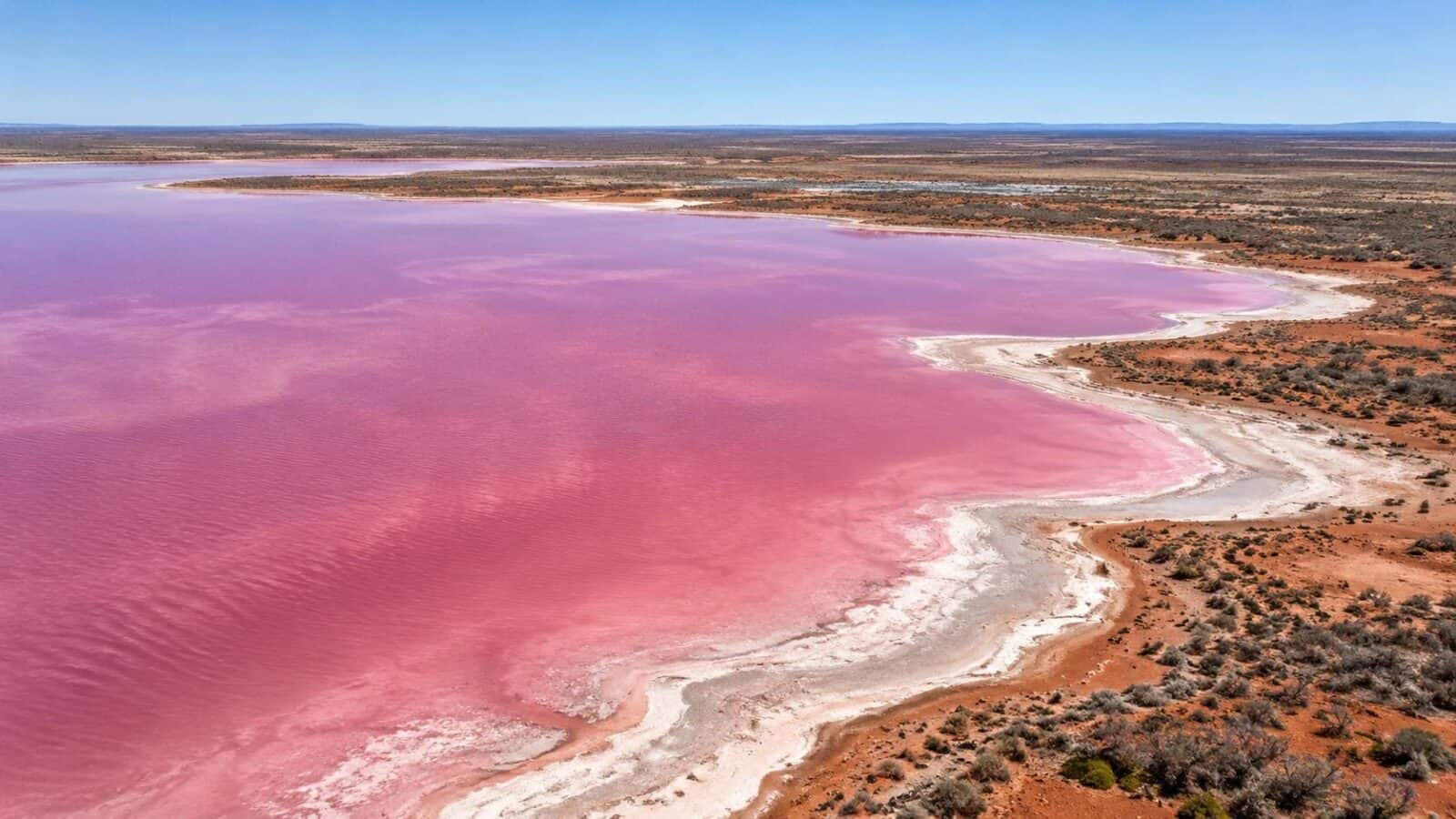
The land containing two unique pink lakes has been acquired by the two levels of government, making Outback tourism in western New South Wales an exciting opportunity for travel in the area. The purchase was announced on 8th October 2026 and is protecting about 74,000 hectares of land located some 235 kilometres north-east of Broken Hill. The governments are conserving the natural environment and exploring the future possibilities for visitors to enjoy. There are options for camping, walking tracks, and scenic drives. However, there is no specific date that the site will be open to visitors yet. NSW Government
A land purchase with a clear tourism dimension
The NSW Government announcement establishes the acquisition as the central development. It brings pink lakes into the NSW national parks estate for the first time.
Advertisement
Advertisement
The tourism significance lies in what happens after the purchase. Protecting land establishes a foundation for visitor planning, but it does not automatically create a destination ready to receive holidaymakers.
That distinction matters for travel businesses and readers considering an outback journey. Future experiences must be assessed before they can become bookable products or reliable itinerary stops.
Advertisement
Advertisement
Why the pink lakes attract attention
The lakes provide a striking visual focus for a much broader landscape. Naturally occurring microorganisms produce their pink pigments in salty water, and the government notes that pink lakes are rare in NSW, with many appearing seasonally. NSW Government
For travel reporting, their appeal needs careful presentation. A photograph captures conditions at one moment; it should not be treated as a promise that every future visitor will encounter the same colour.
Advertisement
Advertisement
The stronger destination story combines scenery with an explanation of the environment. That gives readers a reason to understand the landscape beyond its photographic appeal.
Outback tourism planning begins with conservation
The NSW National Parks and Wildlife Service will investigate campsites, day-use areas, walking trails and scenic drives. Ecological and cultural heritage surveys will guide management, alongside consultation with the Malyangapa Aboriginal community and neighbouring landholders. NSW Government
These steps establish the order of development. The landscape must first be understood before decisions are made about where visitors can go and what facilities are appropriate.
For operators, the practical implication is patience. Marketing access before the conditions are confirmed would leave customers without the information needed to plan confidently.
A landscape larger than its headline attraction
The NSW Environment and Heritage property profile identifies around 6,000 hectares of ephemeral lakes and known or potential habitat for 77 threatened species. It also describes floodplains, mulga woodlands and native grasslands. Environment and Heritage
That wider setting explains why conservation and tourism planning need to work together. Visitor routes should help people experience the property without treating every part of it as equally suitable for access.
Advertisement
Advertisement
A destination built around one scenic feature can leave its broader significance unexplained. Pulgamurtie offers an opportunity to tell a more complete story about water, wildlife and an arid landscape.
Aboriginal heritage shapes future access
The property contains evidence of Aboriginal occupation, including stone artefacts, hearths and grinding stones. Traditional Owners have identified the area as important for protection and future cultural access. Environment and Heritage
Cultural interpretation therefore needs to follow consultation. Tourism descriptions should not assign meanings to sites or suggest cultural experiences that Traditional Owners have not approved.
For visitors, respectful access begins with clear guidance. Any eventual interpretation should explain both what people can experience and how they should behave.
What the confirmed figures show
The official information describes conservation scale and funding participation. It does not establish tourism performance for the newly acquired property.
| Measure | Official position |
|---|---|
| Acquisition scale | More than 74,000 hectares |
| Federal funding share | 50% of the purchase |
| Conservation framework | Australian Bushland Program |
| Visitor access | Expected to develop over time |
The funding arrangement supports biodiversity protection under the programme’s wider conservation objectives. The property profile links the acquisition to improving representation within the protected-area network. Environment and Heritage
Advertisement
Advertisement
These measures should remain separate from forecasts of spending or employment. Land area and funding participation do not reveal how many visitors a future destination will receive.
What businesses should watch next
For accommodation providers and tour operators, access information will be more useful than broad expressions of tourism potential. Opening arrangements, permitted activities and booking procedures determine whether a destination can fit into a commercial itinerary.
The same applies to transport planning. Travellers need confirmed arrival points and onward access details before they can assess the journey.
The acquisition should not be presented as an aviation announcement. Any future airline, airport or transport development would require its own official confirmation.
Business reporting should also distinguish opportunities from outcomes. A prospective campsite or scenic drive does not yet establish additional room nights, customer bookings or local jobs.
What travellers need before planning a visit
A useful visitor announcement should explain entry conditions, available facilities and any restrictions. Those details allow travellers to judge whether the experience suits their time, mobility and preferred travel style.
Advertisement
Advertisement
Until that information is published, readers should treat Pulgamurtie as a destination under development. Adding an unconfirmed stop to a fixed itinerary risks confusing interest in the landscape with permission to enter it.
Traveller FAQs
Can I visit the pink lakes now?
The acquisition announcement does not confirm general visitor access. Wait for NPWS entry guidance.
Can I book camping?
Campsites are a planning possibility, not a confirmed booking product.
Is there an opening date?
Advertisement
Advertisement
No public opening date appears in the announcement. Check official updates before arranging a visit specifically to Pulgamurtie.
Protection comes before a visitor timetable
Ownership of Pulgamurtie Station makes for an interesting conservation story for the Far West region of New South Wales with a tourism element. The greatest immediate benefit lies in the conservation of a unique landscape, with future experiences dependent on planning. Tourists must pay attention to official guidelines for access to the site before planning a tour. It is important for businesses to differentiate between possibilities and actual tourism product offers, reservations, and investments. Future important moves will be in management, facilities for visitors and access. These aspects will determine how tourists will interact with the lake landscape.
Official Sources
- NSW Government — acquisition announcement:
https://www.nsw.gov.au/ministerial-releases/pink-lakes-brought-into-nsw-national-parks - NSW Environment and Heritage — Pulgamurtie Station profile:
https://www.environment.nsw.gov.au/topics/parks-reserves-and-protected-areas/establishing-new-parks-and-protected-areas/changes-to-parks/pulgamurtie
Advertisement
