
UK Tourism Enters Tough Phase As Nearly 25% Rise In Oil Prices Raises Flight Prices And Puts Holiday Plans At Risk

Published
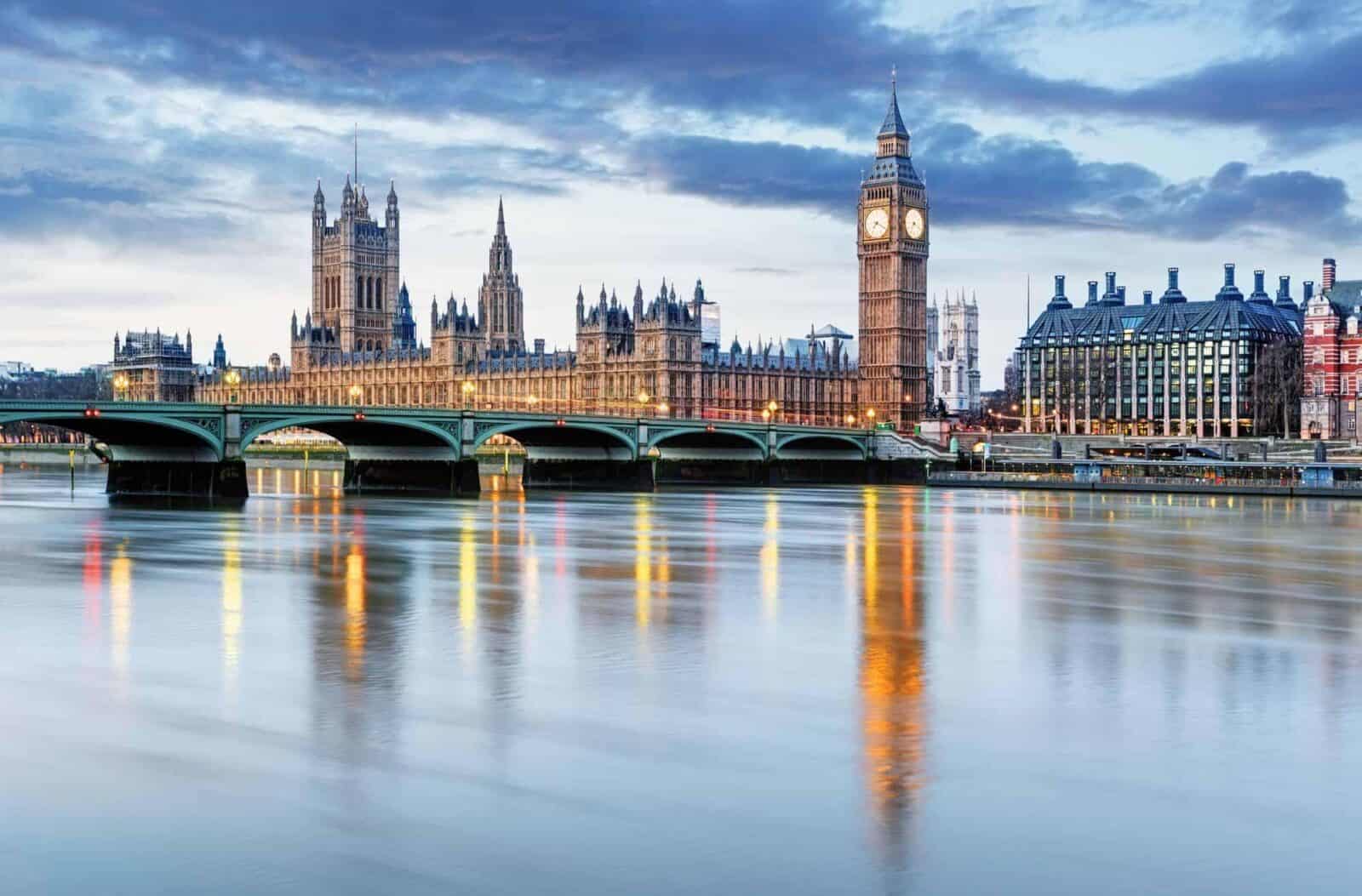
Image generated with Ai
Tourism in the UK will be affected by high fares due to increased fuel costs. The cost problem that the UK tourism industry is facing in 2026 includes an increase in oil prices, which leads to increased fuel costs and increases air fares. The rise in global oil prices by breaching the $108 level per barrel for Brent Crude and crossing $103 for WTI has brought a new level of uncertainty to the travel industry. The increased price can be associated with uncertainties about energy supply interruptions, threats to key oil production areas and threats to shipping routes.
The impact is spreading across the entire tourism ecosystem. Airlines are facing higher fuel bills, airports are managing increased operating costs, tour operators are preparing for more expensive holiday packages, and travellers are beginning to face higher prices when planning overseas trips.
Advertisement
Advertisement
The UK is particularly vulnerable because it is one of Europe’s largest aviation markets. Millions of British travellers depend on affordable flights every year to visit destinations across Europe, Asia, North America and beyond. With fuel-related expenses estimated to rise by around 25–35%, the pressure on airlines and travellers is becoming a major concern for tourism growth.
Aviation Industry Faces Rising Fuel Costs As Airlines Battle Higher Expenses
The biggest impact of the oil price increase is being felt by the aviation sector. Fuel is one of the largest expenses for airlines, meaning any major increase in oil prices directly affects flight operations.
Advertisement
Advertisement
UK airlines operate thousands of domestic and international flights every week, making fuel costs a critical factor in their business models. When fuel prices rise, carriers must find ways to manage additional expenses while maintaining competitive fares.
Advertisement
Advertisement
Higher fuel costs are creating pressure in several areas:
| Aviation Area | Impact From Rising Oil Prices |
|---|---|
| Aircraft operations | Increased cost of running flights |
| Jet fuel expenses | Major rise in airline spending |
| Long-haul routes | Higher fuel consumption and operating pressure |
| Ticket pricing | Greater possibility of fare increases |
| Route planning | Review of less profitable services |
Long-distance international routes are among the most affected because they require more fuel and involve higher operational costs. Flights connecting the UK with destinations in Asia, Australia, North America and the Middle East could face stronger price pressure if oil prices remain elevated.
British Travellers Face Higher Flight Prices And More Expensive Holidays
For millions of UK travellers, the most visible impact of rising oil prices will be higher travel costs. Airlines often adjust ticket prices when fuel expenses increase, and this can directly affect holiday budgets.
Advertisement
Advertisement
Travellers may see higher costs across several areas:
| Travel Category | Possible Impact |
|---|---|
| Flight tickets | Increased prices due to higher fuel expenses |
| Holiday packages | More expensive travel deals |
| Airport transfers | Higher transport costs |
| Rental vehicles | Increased fuel-related expenses |
| Cruise holidays | Higher operational charges |
Families, budget travellers and price-sensitive tourists are expected to feel the strongest pressure. A rise in airfare prices could force some travellers to rethink their holiday plans, reduce the number of trips they take or choose closer destinations.
Advertisement
Advertisement
Some British tourists may move towards:
- Shorter European breaks
- Domestic holidays
- Off-season travel
- Lower-cost accommodation options
The changing behaviour could reshape travel patterns throughout 2026.
UK Outbound Tourism Faces Pressure As Overseas Holidays Become Costlier
The UK is one of the world’s strongest outbound tourism markets, with millions of residents travelling abroad every year. Popular destinations across Europe depend heavily on British visitors, particularly during summer travel seasons.
Higher flight costs could create challenges for destinations such as:
| Destination | Tourism Risk From UK Market Pressure |
|---|---|
| Spain | Possible impact on British holiday demand |
| Greece | Pressure on island tourism connectivity |
| Portugal | Higher costs for British visitors |
| Italy | Increased travel expenses for city and coastal holidays |
| Cyprus | Potential slowdown in UK arrivals |
Spain, Greece and Portugal are among the destinations most exposed because British travellers represent an important share of their international tourism markets.
Advertisement
Advertisement
If flights become significantly more expensive, some travellers may delay bookings or choose cheaper alternatives. This could affect hotels, attractions, restaurants and local tourism businesses in popular European holiday regions.
Airlines Could Reconsider Routes As Fuel Pressure Continues
Rising oil prices can influence airline decisions beyond ticket prices. When operating costs increase, airlines often examine their networks and focus on routes that deliver stronger financial performance.
Possible airline responses include:
- Reducing frequencies on weaker routes
- Adjusting seasonal schedules
- Using more efficient aircraft
- Prioritising high-demand destinations
Less profitable routes could face greater uncertainty if fuel costs remain high for a prolonged period.
For travellers, reduced flight availability could create another challenge. Fewer flights can lead to fewer affordable options, especially during busy travel periods such as summer holidays and school breaks.
Advertisement
Advertisement
Tourism Businesses Across The UK Face Wider Cost Pressure
The impact of higher oil prices is not limited to airlines. The wider tourism industry is also affected because fuel influences transportation, logistics and daily operations.
Hotels, attractions, travel companies and transport providers all depend on fuel in different ways.
| Tourism Sector | Impact |
|---|---|
| Hotels | Higher supply and energy-related expenses |
| Tour operators | Increased package holiday costs |
| Coach companies | Higher fuel expenses |
| Airports | Increased ground operation costs |
| Attractions | Higher transport and logistics costs |
Tourism businesses may face difficult decisions as they attempt to balance rising expenses with the need to keep prices attractive for visitors.
Smaller tourism operators could face greater challenges because they often have less flexibility to absorb higher costs.
Domestic Tourism Could Gain As International Travel Costs Increase
While overseas tourism faces pressure, rising flight prices could create opportunities for domestic travel within the UK.
Advertisement
Advertisement
Some travellers may decide to explore destinations closer to home instead of paying higher international travel costs.
Potential beneficiaries could include:
- Coastal towns
- Countryside destinations
- National parks
- Regional attractions
- City breaks within the UK
Domestic tourism could receive a boost as travellers search for affordable alternatives.
However, UK domestic tourism businesses are also affected by rising fuel and operational costs, meaning they will need to manage expenses carefully.
Oil Price Increase Creates Uncertainty For UK Tourism Growth In 2026
The 2026 oil price surge has created a difficult environment for the UK tourism sector. The estimated 25–35% rise in fuel-related costs is increasing pressure across airlines, airports, holiday companies and travellers.
Advertisement
Advertisement
The main concerns include:
- Higher flight prices
- More expensive holiday packages
- Reduced affordability for some travellers
- Increased airline operating costs
- Pressure on popular overseas destinations
UK Tourism Impact Overview
| Area | Expected Effect In 2026 |
|---|---|
| Airlines | Higher fuel expenses and operational pressure |
| Travellers | More expensive international holidays |
| Tour operators | Increased package costs |
| European destinations | Risk of weaker UK visitor demand |
| Airports | Higher operating expenses |
| Domestic tourism | Possible growth opportunity |
Future Outlook As UK Travel Industry Adjusts To Higher Energy Costs
The future of UK tourism in 2026 will depend on how long oil prices remain high and whether global energy markets stabilise.
If oil prices continue rising, the tourism sector may face a longer period of expensive travel, changing consumer behaviour and increased operational pressure. Airlines may need to adjust strategies, while travellers may become more selective about where and how they spend their holiday budgets.
However, strong demand for travel and the continued desire for international experiences could help the industry adapt.
Tourism in the UK faces difficult times in 2026 as the cost of crude rises, thereby making air travel expensive.
The major issue faced by tourism in the UK is that of keeping air travel affordable during the difficult times when the cost of energy has risen. As the cost of fuel continues to affect both aviation and tourism, the industry must face a new challenge during 2026.
Advertisement
