
Elite Athletes Reshape Luxury Wellness Travel as SHA Wellness, Mandarin Oriental and Puente Romano Turn Performance Into a New Hospitality Experience

Published
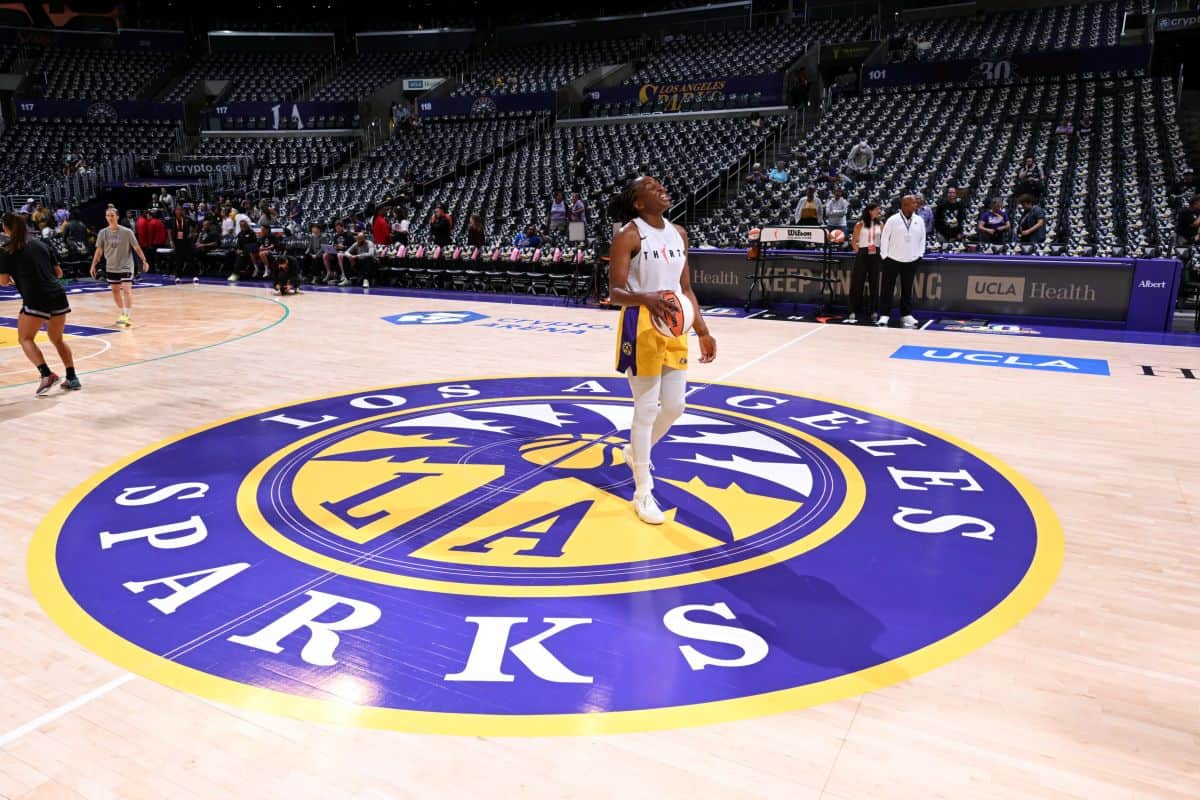
Image generated with Ai
The relationship between elite sport and luxury travel is moving beyond traditional celebrity endorsements. Leading hospitality and wellness brands are increasingly using athletes as ambassadors, advisers and experiential partners, connecting the discipline of high-performance sport with a growing appetite for personalised health, recovery and longevity programmes.
This shift is particularly visible across the luxury wellness sector, where travellers are seeking more than spa treatments and relaxation. Guests increasingly want structured programmes built around fitness, nutrition, sleep, recovery, preventative health and long-term wellbeing. Partnerships with internationally recognised athletes give hotels and resorts an opportunity to communicate these concepts through people whose professional careers have been built around physical performance and recovery.
Advertisement
Advertisement
SHA Wellness, Mandarin Oriental and Puente Romano Marbella provide three distinct examples of this emerging model. Their connections with Fernando Alonso, Simone Biles and Novak Djokovic respectively demonstrate how elite sporting expertise can become part of a broader luxury travel proposition.
Why are elite athletes becoming increasingly important to luxury wellness travel?
Elite athletes provide hospitality brands with a direct connection between performance, recovery and long-term wellbeing.
Advertisement
Advertisement
The wellness travel market has expanded substantially as travellers increasingly allocate more of their holiday budgets to experiences focused on health. The Global Wellness Institute’s 2025 Wellness Economy Monitor reports that wellness tourism represents a significant component of global tourism expenditure, underlining the scale of the opportunity for hotels, resorts and destinations.
For luxury hospitality companies, the appeal is not simply the athlete’s fame. Their professional experience can help make wellness concepts easier for consumers to understand. Training, sleep optimisation, nutrition, injury prevention, physical recovery and mental resilience are all familiar elements of elite sport, and these themes increasingly overlap with the services offered by premium wellness resorts.
Advertisement
Advertisement
The result is a change in positioning. Wellness is no longer being presented solely as something travellers do when they need to slow down. Increasingly, it is being framed as an active investment in how they want to live, perform and age.
How is Fernando Alonso strengthening SHA Wellness’s longevity proposition?
Fernando Alonso represents the performance and longevity side of this trend through his relationship with SHA Wellness.
Advertisement
Advertisement
The two-time Formula 1 World Champion has been named an official SHA Global Brand Ambassador, creating a partnership between one of motorsport’s most experienced active competitors and a wellness organisation focused on health, longevity and performance.
Alonso’s relevance to the partnership comes from his unusually long career at the highest level of motorsport. Formula 1 demands sustained physical conditioning, concentration, recovery and preparation, making longevity a particularly relevant theme for an athlete who has competed at the top of the sport for more than two decades.
For SHA, the relationship provides a high-profile example of how its approach to health and performance can be connected with elite sport. Its SHA Method combines different areas of wellbeing and health management, allowing guests to explore programmes designed around individual needs rather than relying exclusively on conventional leisure treatments.
The partnership also reflects a broader development within wellness hospitality: the movement from generic wellbeing towards personalised and performance-oriented programmes.
Advertisement
Advertisement
Rather than positioning a wellness stay simply as a break from everyday life, the experience can be framed as an opportunity to understand personal health, improve habits and develop strategies for maintaining physical and mental performance over the longer term.
What does Simone Biles bring to Mandarin Oriental’s wellness strategy?
Simone Biles brings a different dimension to the relationship between elite sport and hospitality by connecting physical performance with recovery, sleep, nutrition and mental wellbeing.
The decorated Olympic gymnast joined Mandarin Oriental as the group’s first Global Wellness Ambassador in February, according to the company’s announcement. Her role extends beyond conventional promotional activity, with Biles working alongside the brand’s Wellness Board and contributing an athlete’s perspective to the practices and experiences available to guests.
That distinction is important because elite performance is not simply about training harder. Modern sports science places substantial emphasis on recovery, sleep, nutrition, mental health and sustainable training routines.
Biles’ career provides a natural platform for communicating this broader understanding of wellbeing. Gymnastics requires strength, flexibility, coordination, concentration and resilience, while elite competition also places significant demands on recovery and psychological preparation.
For Mandarin Oriental, the partnership allows these themes to be translated into a luxury hospitality environment. Guests can explore personalised wellness treatments and restorative experiences while learning from principles that are relevant well beyond competitive sport.
Advertisement
Advertisement
The partnership therefore illustrates how athlete ambassadors can become part of the substance of a wellness proposition rather than functioning only as recognisable faces in advertising campaigns.
How does Novak Djokovic connect tennis with the Puente Romano Marbella experience?
Novak Djokovic’s connection with Puente Romano Marbella illustrates another approach: linking an established sporting venue and resort lifestyle with an internationally recognised athlete.
The 24-time Grand Slam champion has a longstanding association with Puente Romano’s Tennis Club, which forms an important part of the Marbella resort’s identity. The club features eight clay courts and has developed a reputation as one of the destination’s established tennis facilities.
For visitors, the attraction is therefore experiential as much as promotional. Travellers can play on the same type of courts associated with professional tennis before combining sporting activity with the resort’s wider leisure and wellness facilities.
Puente Romano also offers access to the Six Senses Spa, creating a natural progression from exercise to recovery. That combination reflects the broader way luxury resorts are increasingly packaging wellness: movement, sport, recovery, dining, relaxation and destination experiences are becoming interconnected rather than separate hotel departments.
Djokovic’s wider association with wellness also reinforces this positioning. His public profile has long been connected with physical preparation, nutrition, recovery and maintaining performance throughout an exceptionally long tennis career.
Advertisement
Advertisement
For travellers interested in active holidays, the connection offers a particularly tangible proposition: participate in the sport, experience the destination and then incorporate recovery into the same stay.
Is luxury wellness moving beyond traditional spa tourism?
Yes. The emerging model is increasingly centred on complete wellbeing journeys rather than isolated spa visits.
Traditional luxury spa experiences remain important, but the expansion of wellness tourism is encouraging hospitality businesses to develop more sophisticated products. These can include medical assessments, fitness programmes, nutritional guidance, sleep-focused services, recovery treatments and personalised health plans.
Athlete partnerships fit naturally into this evolution because professional sport provides a real-world illustration of how these disciplines interact.
A Formula 1 driver demonstrates the importance of sustained performance and recovery. An Olympic gymnast highlights movement, physical resilience and mental wellbeing. A professional tennis player demonstrates the relationship between training, competition, recovery and longevity.
These are different sporting disciplines, but the underlying hospitality message is similar: wellness is increasingly being treated as a continuous process rather than a single treatment received during a holiday.
Advertisement
Advertisement
Why does this matter for the global travel industry?
The development has implications beyond individual hotel brands because wellness is becoming an increasingly important component of destination competitiveness.
Luxury travellers are often looking for experiences that combine exclusivity with personal relevance. A resort that can offer specialist fitness facilities, high-quality wellness treatments, nutritional expertise, medical services and access to sporting experiences can potentially appeal to travellers who want their holiday to contribute to longer-term lifestyle goals.
Athlete partnerships can strengthen that proposition by providing an authentic narrative around performance.
They can also support destination marketing. Marbella, for example, already benefits from its combination of Mediterranean climate, luxury hospitality, sport and lifestyle tourism. A strong tennis identity adds another layer to that proposition.
Similarly, wellness destinations such as SHA can use elite sport to demonstrate how health optimisation and longevity are being approached at the highest levels of physical performance.
Could athlete-led wellness become a permanent hospitality trend?
The growing overlap between sport, wellness and luxury travel suggests that athlete-led experiences are likely to remain relevant as hospitality companies diversify their wellness offerings.
Advertisement
Advertisement
However, the strongest partnerships are likely to be those that offer guests something beyond celebrity association. The athlete needs to connect meaningfully with the brand’s philosophy, facilities or guest experience.
SHA Wellness and Fernando Alonso are aligned around performance and longevity. Mandarin Oriental and Simone Biles connect elite movement with recovery and holistic wellbeing. Puente Romano’s relationship with Novak Djokovic is rooted in tennis, sport and the resort’s established active lifestyle.
These examples show three different ways the same trend can operate.
For the travel industry, the larger development is clear: luxury wellness is increasingly merging with sports performance, personalised health and active travel. Hotels and resorts are no longer competing only through rooms, restaurants and conventional spa facilities. They are increasingly building complete lifestyle experiences designed around how guests want to move, recover, perform and feel.
As travellers become more interested in preventative wellbeing and sustainable lifestyles, the connection between elite sport and hospitality gives luxury brands another way to make those experiences tangible.
What does the future hold for sports and wellness tourism?
The convergence of sports and wellness is creating a broader definition of luxury travel, where recovery can be as important as recreation and personal health can become part of the holiday itinerary.
Advertisement
Advertisement
SHA Wellness’s partnership with Fernando Alonso, Mandarin Oriental’s collaboration with Simone Biles and Puente Romano Marbella’s long-standing association with Novak Djokovic each demonstrate a different interpretation of that model. Together, they show how athlete expertise, sporting heritage and wellness infrastructure can be combined to create more distinctive travel experiences.
For travellers, this means wellness holidays are increasingly moving beyond massages, pools and relaxation. The next generation of luxury wellness travel is likely to place greater emphasis on measurable health goals, active experiences, personalised programmes and the principles of high-performance sport.
For hospitality brands, the opportunity lies in making those concepts credible, useful and genuinely integrated into the guest journey. The athlete may attract attention, but the quality of the underlying experience will determine whether the partnership becomes a meaningful part of the future of wellness tourism.
Advertisement
