
Thailand and Other Countries Face an Aviation Shock as Jet Fuel Costs Starve Secondary Tourism Hubs

Published
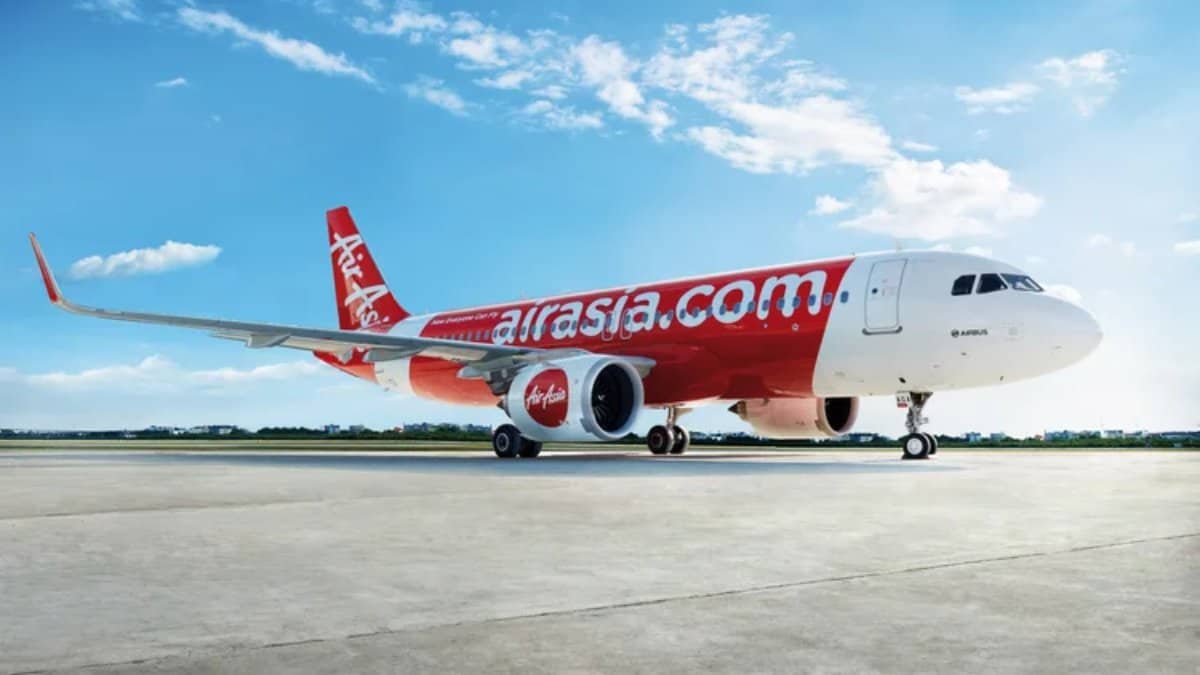
The growing volatility in the price of jet fuel in the Asian aviation industry is leading to a serious structural contraction in commercial airline schedules, causing an asymmetrical situation for tourism in the region. With the rise in the kerosene crack spread in Singapore, airlines are consolidating their narrowbody capacity to avoid shrinking margins at major gateways such as Singapore, Tokyo, and Bangkok. This strategy will leave secondary airports deprived of necessary cost-saving direct and charter flights. Unable to generate revenues from business travelers to offset rising costs, the region’s economies will see declining numbers of international tourists, significant discounts on hotel rates, and faster rail adoption.
The Economics of Airline Asymmetry: Jet Fuel Price Volatility and High Crack Spreads
The commercial aviation sector in the Asia-Pacific basin operates under demanding capital dynamics where fuel expenditures constitute the single largest operating expense. While post-pandemic international passenger demand demonstrated initial resilience, subsequent macroeconomic turbulence and regional geopolitical strains have triggered intense jet fuel price volatility. Rather than an orderly, proportional reduction in flight schedules, airlines have implemented an asymmetric operational retrenchment. Carriers are actively starving regional feeder networks and tier-two leisure markets of capacity to preserve yield cushions at core intercontinental hubs.
Advertisement
Advertisement
Refined Product Dislocations and the Singapore Kerosene Index
Aviation turbine fuel procurement across Asian aviation is benchmarked against physical cargo assessments for Singapore Jet Kerosene. In refined energy trading, the crack spread represents the operational margin earned by petroleum refineries converting a barrel of raw crude oil into usable distillates. Over recent operating cycles, refinery throughput limits, maintenance bottlenecks, and feedstock realignments toward industrial diesels have driven physical kerosene crack spreads to persistent, elevated premiums.
Benchmark refining premiums over regional Dubai and Dated Brent crudes have frequently surpassed $22 per barrel, with extreme spot dislocations driving theoretical spreads higher during unexpected regional inventory drawdowns. When physical delivery constraints converge with refinery outages, Singapore physical spot kerosene trades in elevated bands between $175 and $180 per barrel. While legacy network carriers utilise over-the-counter derivative instruments, proxy diesel hedges, and forward swap contracts to smooth price fluctuations over rolling eighteen-month horizons, independent low-cost carriers (LCCs) and charter operators frequently run unhedged or thinly covered fuel portfolios. When spot refining margins widen abruptly, unhedged airlines absorb immediate balance-sheet erosion, prompting immediate schedule defensive actions.
Advertisement
Advertisement
Stage-Length Economics: Aerodynamic Fuel Burn and the Short-Haul Penalty
The aerodynamic and operational realities of jet engine combustion disproportionately penalise short-haul regional flights. A commercial jet engine burns kerosene at its highest rate of consumption during high-thrust ground taxiing, takeoff acceleration, and climb-out to cruising altitude. On a short regional route ranging from one to three hours—such as flights between Bangkok and Luang Prabang, Kuala Lumpur and Langkawi, or Jakarta and Lombok—the aircraft spends between 25% and 35% of its total flight duration in these fuel-intensive phases.
Consequently, direct fuel consumption accounts for 42% to 50% of the total operating costs of short-hop regional narrowbody operations, compared to 30% to 35% on intercontinental widebody flights. Long-haul flights climb once and cruise for eight to fourteen hours in fuel-efficient upper atmospheric layers, spreading takeoff and initial climb fuel burn over thousands of available seat-kilometres. When energy prices spike, short-haul routes suffer a sharper, faster margin collapse than long-haul segments, forcing revenue management desks to trim short regional hops first.
Advertisement
Advertisement
| Operational Parameter | Short-Haul Feeder Route (1 to 2 Hours) | Medium-Haul Regional Route (3 to 5 Hours) | Long-Haul Intercontinental Route (8+ Hours) |
| Typical Fleet Deployment | Airbus A320 / Boeing 737-800 | Airbus A321neo / Boeing 737 MAX 8 | Airbus A350-900 / Boeing 787-9 |
| Fuel Share of Direct Operating Costs | 42% – 50% | 36% – 41% | 30% – 35% |
| High-Thrust Consumption Phase Share | Up to 35% of total flight time | 18% – 24% of total flight time | < 12% of total flight time |
| Cabin Passenger Yield Composition | 90% – 100% Price-Sensitive Leisure | 75% – 85% Mixed Leisure / Business | 60% – 70% Economy / 30% – 40% Premium & Cargo |
| Fuel Surcharge Elasticity Tolerance | Extremely Low (Drives booking collapse) | Moderate | High (Absorbed by corporate & corporate freight) |
Asymmetric Fleet Rationalisation: How Gateway Hubs Cannibalise Feeder Connectivity
The operational choices of commercial airlines during energy spikes are shaped by network yield management. When jet fuel prices spike globally, airlines face an immediate capital allocation choice: where to deploy high-cost fuel for maximum operational yield. Across Asia, commercial carriers have resolved this dilemma by consolidating capacity into primary gateway hubs where passenger demand is inelastic, while stripping aircraft from secondary leisure routes.
Algorithmic Capacity Consolidation and Margin Defence Strategies
Commercial network scheduling relies on automated revenue management algorithms measuring Revenue Per Available Seat-Kilometre (RASK) against Cost Per Available Seat-Kilometre (CASK). As kerosene prices rise, CASK jumps across every operating fleet type. To preserve aggregate operating profits, airlines redeploy narrowbody aircraft away from point-to-point provincial services and concentrate them on high-density domestic trunk lines or international capital gateways like Singapore, Tokyo Haneda, Bangkok Suvarnabhumi, and Bali Ngurah Rai.
Advertisement
Advertisement
These primary gateways possess passenger demand fundamentals that secondary regional airports cannot match. Primary routes carry significant proportions of corporate business travellers, government personnel, and intercontinental connecting passengers whose ticket purchases are relatively price-inelastic. Network carriers can implement multi-tiered aviation fuel surcharges on these trunk routes with minimal disruption to passenger load factors. Furthermore, widebody and narrowbody flights operating through central hubs capture high-yielding belly cargo, offsetting fuel burn through freight revenues.
In stark contrast, point-to-point routes serving provincial secondary hubs lack corporate travel and premium cabin seating. The passenger demographic on flights into places such as Chiang Rai, Lombok, or Langkawi is dominated by leisure vacationers with alternative choices. When carriers add non-negotiable fuel levies to these economy tickets, price elasticity takes effect: leisure travellers cancel, postpone trips, or turn to land transport. Consequently, airlines running these routes see immediate seat margin erosion, leading management to ground, cancel, or reallocate scheduled narrowbody flights to central capital corridors.
The Wholesale Package Breakdown and the Cancellation of Regional Charters
The commercial casualty that collapsed earliest under fuel cost volatility was the seasonal inclusive-tour charter model. Wholesale tour operators in primary outbound Asian source markets—most notably mainland China, South Korea, and Taiwan—package flights, hotel stays, ground excursions, and meals under fixed retail prices agreed six to nine months prior to departure. These fixed-margin agreements assume stable transportation costs.
When jet fuel prices spiked, charter carriers exercised fuel adjustment clauses, demanding immediate supplemental levies of $80 to $150 per passenger seat. Tour wholesalers, constrained by competitive consumer contracts and regional consumer protection rules, could not pass these retroactive fuel adjustments on to consumers. Facing severe financial losses on every seat flown, outbound tour operators cancelled over 200 seasonal direct charters across Southeast Asia. This breakdown eliminated non-stop international flights into provincial airports, stranding destination management companies and cutting off local resort communities from guaranteed foreign leisure volumes.
Advertisement
Advertisement
| Airline Group | Regulatory Oversight Authority | Verified Surcharge & Pricing Actions | Strategic Fleet Redeployment & Hub Realignment |
| AirAsia Group | Malaysian Aviation Commission (MAVCOM) | Reintroduced distance-based passenger fuel surcharges of RM10 to RM60+ per segment. | Trimmed regional frequencies to Ipoh and Langkawi; redeployed narrowbodies to trunk lines connecting Kuala Lumpur with Singapore and East Malaysia. |
| Cathay Pacific Group | Civil Aviation Department (CAD Hong Kong) | Implemented progressive monthly fuel surcharge increases across short-haul and long-haul brackets. | Maintained transatlantic and European long-haul operations; restrained expansion into secondary mainland and Southeast Asian outstations. |
| Thai Airways International | Civil Aviation Authority of Thailand (CAAT) | Levied international fuel surcharges lifting retail fare structures by 10% to 15%. | Maximised widebody capacity on trunk European, North Asian, and Australian routes; reduced domestic feeding allocations. |
| VietJet Air | Civil Aviation Authority of Vietnam (CAAV) | Adjusted dynamic ticket buckets to absorb landed jet fuel charges at non-hub airports. | Shifted narrowbody frames to Hanoi–Ho Chi Minh City trunk and expansion routes to India and Australia; cut secondary coastal leisure charters. |
| All Nippon Airways / JAL | Ministry of Land, Infrastructure, Transport and Tourism (MLIT) | Maintained bi-monthly fuel surcharge revisions tied to Singapore kerosene spot averages. | Concentrated long-haul and regional Asian capacity at Tokyo Haneda and Narita; limited seat increases on provincial leisure lines. |
Regional Impact Analysis: The Decoupling of Secondary Tourism Gateways
The systematic retreat of scheduled capacity and charter flights has altered travel patterns across East, South, and Southeast Asia. As airlines prioritise their primary hubs, provincial destinations that spent years developing international hospitality assets are navigating sudden transport isolations.
The Mekong Basin and Indochina: Route Trimming in Laos and Thailand
In the upper Mekong region, landlocked Laos has seen a swift disruption of short-haul regional flights. Luang Prabang International Airport and the provincial air terminus serving Vang Vieng historically relied on regional point-to-point flights from Bangkok, Chiang Mai, and Hanoi operated by regional turboprop and narrowbody carriers. As regional airlines faced rising fuel-to-operating-cost ratios on these short hops, flight frequencies were systematically cut. Fares for remaining regional flights rose as operators layered on fuel fees, creating a barrier for price-conscious travellers.
In northern and southern Thailand, Mae Fah Luang Chiang Rai International Airport and Surat Thani International Airport have faced similar pressures. In Chiang Rai, the regional hotel sector relied on seasonal direct charter rotations from South Korea and mainland China. With escalating fuel levies, these non-stop routes were cancelled, forcing inbound leisure groups into multi-segment flights via Bangkok’s international airports. Surat Thani, which serves as the mainland gateway for the Gulf of Thailand resort islands of Koh Samui, Koh Phangan, and Koh Tao, saw LCC flight frequencies reduced as carriers concentrated narrowbody aircraft on high-volume routes into Phuket and Bangkok. The resulting reduction in domestic seats left independent island travellers navigating elevated ferry-flight pricing bundles.
Insular Southeast Asia: Feeder Retrenchment Across Indonesia and Malaysia
Indonesia’s national tourism plan, built around the “Ten New Balis” initiative designed to disperse visitor spending beyond Bali, has been challenged by aviation fuel market dynamics. Key secondary destinations including Lombok and Labuan Bajo rely on domestic feeder flights from Jakarta’s Soekarno-Hatta and Bali’s Ngurah Rai. As aviation turbine fuel costs rose, Indonesian domestic airlines increased ticket prices toward statutory maximum caps (Tarif Batas Atas), causing domestic travel costs to rise sharply.
Public frustration over airfares prompted public statements from tourism officials. Former Minister of Tourism and Creative Economy Sandiaga Uno acknowledged that high domestic airfares, driven by global fuel price pressures and constrained airline fleets, made domestic journeys to eastern Indonesia more expensive than overseas trips to neighbouring ASEAN nations. The Ministry of Tourism and Creative Economy (Kemenparekraf) observed domestic travellers delaying journeys, causing ripple effects for hospitality investments. While Bali’s Ngurah Rai handled 15.5 million passenger movements in the first eight months of 2026, secondary provincial hubs in West Nusa Tenggara and East Nusa Tenggara faced reduced feeder flight frequencies.
In Malaysia, data from the Malaysian Aviation Commission (MAVCOM) showed airlines adjusting domestic and regional networks. Regional carriers scaled back operations on regional routes into Sultan Azlan Shah Airport in Ipoh and Langkawi International Airport. When AirAsia reintroduced fuel surcharges across its domestic and ASEAN routes, point-to-point regional flying on short segments became uneconomic relative to land transport alternatives. Rather than paying higher airfares for short flights from Kuala Lumpur to Ipoh or Penang to Langkawi, domestic consumers turned to road and rail transport, prompting airlines to redeploy aircraft to primary commercial routes.
Advertisement
Advertisement
Vietnam’s Coastal Leisure Enclaves: Fleet Redeployment from Da Nang and Cam Ranh
The central coast of Vietnam illustrates the impact of fleet reallocation by rapid-growth carriers. Da Nang International Airport and Cam Ranh International Airport (serving Nha Trang) saw substantial infrastructure investment to handle charter traffic from Incheon, Busan, Taipei, and Kaohsiung. However, as the Civil Aviation Authority of Vietnam (CAAV) monitored carrier operations during fuel cost increases, major operators VietJet Air and Vietnam Airlines reassessed their capacity allocation.
Faced with high Singapore kerosene crack spreads and fleet availability constraints, Vietnamese operators concentrated their aircraft on the domestic trunk route linking Hanoi and Ho Chi Minh City, while expanding long-haul and regional routes to India, Australia, and Japan. Point-to-point seasonal charter rotations into Da Nang and Cam Ranh were curtailed. International charter volume fell, leaving seaside resort properties with lower bookings and forcing local destination management companies to pivot back toward domestic weekend travellers.
East and South Asian Corridors: Regulatory Surcharges in Japan, Korea, and India
The effects of elevated kerosene crack spreads also reshaped mature aviation markets across East and South Asia. In Japan, where the Ministry of Land, Infrastructure, Transport and Tourism (MLIT) oversees fuel surcharge frameworks for Japan Airlines (JAL) and All Nippon Airways (ANA), passenger levies are updated every two months based on yen-denominated Singapore kerosene spot averages.
As fuel surcharges rose to multi-year highs, short-haul international flights from South Korea, Taiwan, and eastern China into secondary Japanese cities like Fukuoka and Naha (Okinawa) saw a drop in price-sensitive leisure passengers. For Okinawa, where air links are vital to the island economy, the prospect of domestic surcharges prompted government action. MLIT proposed freezing the domestic aviation fuel tax at ¥15,000 per kilolitre, halting a planned statutory rise to ¥18,000, to shield remote island air connections from energy pass-through costs.
In South Korea, Jeju Island faced changes in domestic and international capacity allocations. Under slot management by the Korea Airports Corporation and monitoring by the Ministry of Land, Infrastructure and Transport (MOLIT), domestic low-cost carriers including Jeju Air and Jin Air reassessed their route profitability. Facing high fuel costs, carriers shifted narrowbody aircraft from domestic Jeju services and secondary direct charter operations toward higher-yield international scheduled routes across Japan and Southeast Asia. Direct international charter flights connecting Jeju with secondary Chinese and Taiwanese cities were curtailed, requiring inbound tourists to transit through Seoul Incheon and raising overall travel expenses.
In India, dynamic airline pricing regulated under the oversight of the Directorate General of Civil Aviation (DGCA) pushed domestic airfares higher on leisure routes into Goa (served by Dabolim and Manohar International Airport at Mopa) and Visakhapatnam. Higher aviation turbine fuel costs led to elevated airfares on routes from major metros like Mumbai, Bengaluru, and Hyderabad. This pricing dynamic encouraged travellers to switch to the expanding network of Vande Bharat Express semi-high-speed trains operated by Indian Railways. Modern electric trains connecting Mumbai with Madgaon and Bengaluru with coastal hubs provided comfortable journeys under eight hours, drawing passengers away from volatile domestic air routes.
Advertisement
Advertisement
The Ground Economy Shock: Hotel Survival Pricing and Intermodal Substitution
The contraction of regional aviation has disrupted the hospitality sectors of secondary destinations. When airlines adjust capacity to preserve their operating margins, the burden of maintaining visitor numbers shifts to local accommodation and ground transport providers.
Accommodation Yield Squeeze: Destructive Discounting in Provincial Resorts
For resort owners and independent hoteliers across secondary destinations, the loss of direct flight capacity creates an immediate business challenge. When a flight route is cut or surcharges raise travel costs, consumers look for savings elsewhere in their travel budgets. To keep their properties competitive, hotel operators in secondary markets like Lombok, Labuan Bajo, Da Nang, and Chiang Rai turned to survival pricing.
In Lombok and Labuan Bajo, luxury and upper-upscale resorts reduced Average Daily Rates (ADRs) by 25% to 40% to offset high domestic flight costs from Jakarta and Bali. Industry data for Labuan Bajo showed short-term rental occupancy rates averaging 27.3%, highlighting the challenge facing accommodation businesses outside major peak seasons. Hoteliers dropped prices to capture what domestic demand remained, squeezing their operating margins.
A similar trend emerged along the central coast of Vietnam. Extensive resort developments in Da Nang and Nha Trang had expanded capacity to serve regular international charter flights from South Korea and Taiwan. When carriers redirected aircraft toward higher-yield trunk routes, properties found themselves competing for a smaller pool of visitors. Four- and five-star beachfront resorts lowered room rates, compressing their yields while energy, labour, and food costs continued to rise. While airlines protected their unit revenues by limiting flight capacity, local hospitality businesses absorbed the financial strain through reduced room yields and deferred investments.
High-Speed Rail Infrastructure as the Modal Winner
The retreat of regional short-haul flights has accelerated a significant shift toward electrified overland rail networks across Asia. Where modern, high-speed rail lines exist, travellers and tour organisers have substituted regional flights with train services, avoiding airport processing delays and dynamic fuel levies.
The most prominent example of this shift is the China-Laos Railway corridor. Running from Kunming in southwestern China to the Lao capital of Vientiane, the 422-kilometre electrified single-track standard-gauge railway has changed connectivity across northern Laos. As regional airfares between Bangkok, Vientiane, and Luang Prabang climbed, travellers shifted in large numbers to the railway. Official transport figures showed the China-Laos Railway carrying over 73.38 million cumulative passengers since opening in December 2021.
Advertisement
Advertisement
Operating CR200J electric multiple-unit trainsets at speeds of 160 km/h, the railway connects Vientiane to Vang Vieng in approximately one hour, and reaches Luang Prabang in under two hours. With rail fares costing a fraction of short-haul regional flights, both independent backpackers and packaged tour groups have embraced the service. Secondary destinations along the rail line have maintained healthy visitor numbers, insulating their tourism economies from the impact of regional flight cancellations.
A similar transition has unfolded across India’s tourist routes. As domestic airline surcharges raised return airfares between major cities and regional leisure hubs, Indian Railways expanded its Vande Bharat Express network. The semi-high-speed service connecting Mumbai CSMT to Madgaon (Goa) in under eight hours has become a popular alternative for leisure travellers seeking to avoid volatile air ticket pricing. Backed by the Ministry of Tourism’s promotion of rail-based travel, the Vande Bharat network has steadily captured passenger traffic on routes under 800 kilometres, establishing rail travel as a competitive alternative to domestic flying.
| Regional Destination Sector | Key Secondary Urban Hubs Affected | Primary Aviation Mechanism for Route Reduction | Resulting Impact on Ground Tourism & Local Transport |
| Indochina & Upper Mekong | Luang Prabang, Vang Vieng, Chiang Rai, Surat Thani | Narrowbody stage-length fuel burn penalties; withdrawal of regional LCC flights; cancellation of seasonal charters from East Asia. | Strong passenger growth on the China-Laos Railway; drop in direct airport arrivals; cancellation of long-term wholesale inclusive tours. |
| Archipelagic Southeast Asia | Lombok, Labuan Bajo, Langkawi, Ipoh | Capacity consolidated into capital trunk corridors (Jakarta, KLIA, Bali); domestic fuel surcharges added to ticket prices. | Resort room rates cut by 25%–40%; consumer criticism over expensive domestic flights; lower overall hotel occupancy. |
| Central Vietnam Coast | Da Nang, Cam Ranh (Nha Trang) | Direct charter flights from Incheon and Taipei reduced; aircraft redeployed to domestic trunk and long-haul international routes. | Oversupply of resort rooms; rate competition among premium hotels; shift to domestic drive and bus travellers. |
| East Asian Island Outposts | Naha (Okinawa), Fukuoka, Jeju Island | Bi-monthly fuel surcharges indexed to Singapore kerosene; South Korean LCC aircraft shifted to medium-haul routes. | Inbound leisure arrivals from regional markets slowed; Japanese government proposed aviation fuel tax freeze to protect island links. |
| Domestic Indian Corridors | Goa (Dabolim / Mopa), Visakhapatnam | Dynamic airfare algorithms factoring in aviation turbine fuel increases on non-trunk leisure routes. | High passenger volumes on Vande Bharat Express services; shift to modern electric rail for intercity journeys under eight hours. |
Policy Responses, Sovereign Interventions, and Long-Term Aviation Outlook
The asymmetric impact of aviation fuel price volatility has underscored structural vulnerabilities in Asia’s regional connectivity model. Tourism strategies that rely exclusively on low-cost carrier expansion have proven fragile in the face of global commodity cycles. In response, regional civil aviation bodies, transport ministries, and national tourism agencies are adjusting regulatory and infrastructure strategies.
Regulatory Re-evaluations and Public Service Obligations
Governments across the region are re-examining the policies that govern domestic air transport, fare ceilings, and remote service connectivity. In Indonesia, inter-agency working groups involving the Ministry of Transportation (Kemenhub) and the Ministry of Tourism and Creative Economy (Kemenparekraf) have evaluated domestic fare rules to prevent peripheral island economies from becoming isolated. Policymakers have explored options including adjusting domestic maximum fare structures (Tarif Batas Atas), reviewing airport handling fees, and establishing targeted public service obligations to maintain basic flight connectivity to emerging destinations.
In Japan, the Ministry of Land, Infrastructure, Transport and Tourism took fiscal steps to protect regional links. By proposing to freeze the aviation fuel tax rate at ¥15,000 per kilolitre and maintaining special tax reductions for flights serving Okinawa and outlying islands, the Japanese government helped shield essential domestic air routes from rising fuel surcharges. This policy intervention illustrates the growing recognition that secondary connectivity requires government support during periods of energy cost inflation.
Strategic Infrastructure Realignment: Decoupling from Single-Mode Fragility
Over the longer term, the current disruption is speeding the development of diversified, multi-modal transport networks. Tourism destinations that maintain both rail and air connectivity have shown greater resilience against volatile aviation costs.
Advertisement
Advertisement
The performance of the China-Laos Railway has encouraged regional planners to advance construction on other components of the Pan-Asian Railway network, including the Bangkok–Nong Khai high-speed line linking Thailand with Laos and southern China. As these electrified railway lines expand across mainland Southeast Asia, secondary destinations will become less dependent on fluctuating airline schedules. Similarly, island destinations in Indonesia are improving scheduled express boat services from major hubs like Bali to ensure uninterrupted visitor access when airfares rise.
Within the aviation sector, the deployment of more fuel-efficient narrowbody aircraft, such as the Airbus A320neo and A321neo families, will gradually improve route economics on secondary services. However, because these larger, next-generation aircraft require higher passenger numbers to break even, airlines are likely to remain selective about serving smaller regional destinations. Secondary destinations will need to adapt their economic plans accordingly, moving beyond models built on mass low-cost charter traffic toward sustainable visitor experiences supported by resilient, multi-modal transport infrastructure.
Conclusion
The ongoing volatility of jet fuel prices has completely altered the geography of commercial aviation in the larger Asian region. While commercial airlines bundle their narrow body fleets around defensive, high yield capital hub locations, secondary vacation destinations become the victim of route cutbacks, failed charters, and punishing surcharge systems. While hub airports benefit from strong corporate traffic flows, secondary vacation destinations are being squeezed for revenue, leading to desperate pricing strategies by tourism-related businesses. With overland, high speed rail systems competing for market share across continental regions, vacation economies need to undergo permanent restructuring.
Advertisement
