
UAE and Other Gulf Nations Could Continue to Experience Prolonged Airfare Increases and Aviation Disruptions in 2026

Published
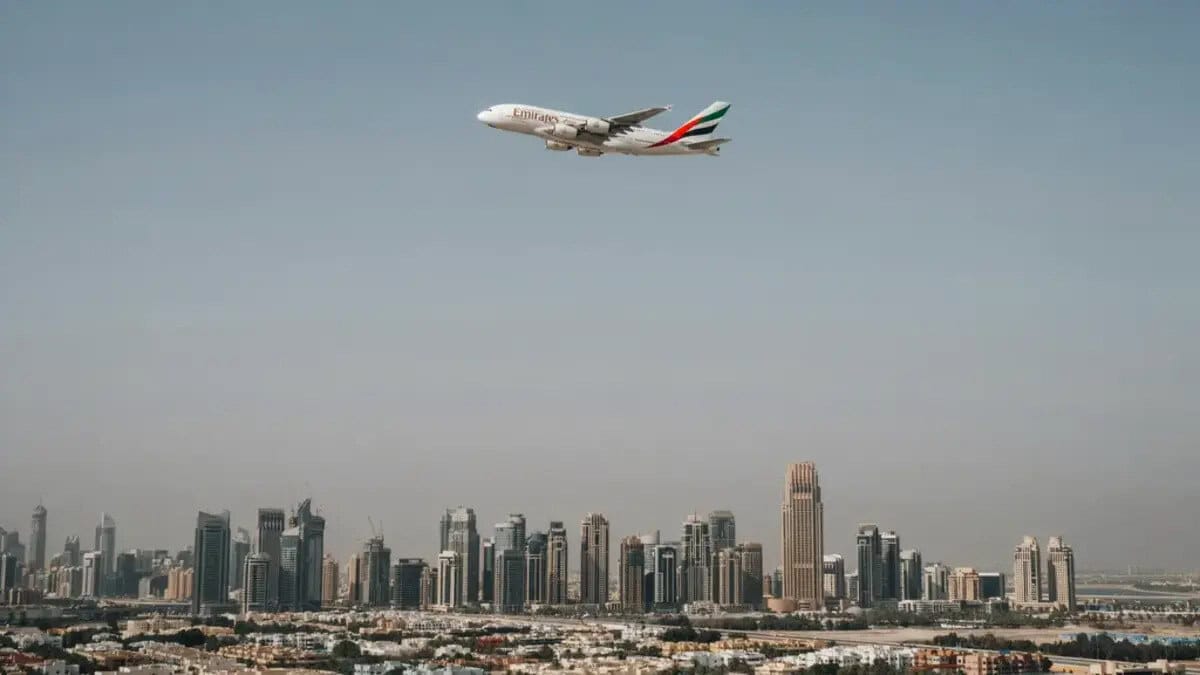
Image generated with Ai
UAE and other Gulf states may face persistent high fares for years to come because of disruption of their airlines in 2026. The Gulf aviation market would face persistent challenges for years as higher fares, rerouted traffic and lower capacity affect international traffic. Disruption will echo through the industry, with airlines, airports and passengers all feeling the strain of higher fuel prices, longer flight routes and shifted network structures.
The Gulf region has become one of the world’s most important aviation crossroads, connecting millions of travellers between Europe, Asia, Africa and other international markets. Any disruption affecting Gulf airspace or major connecting airports can create wider consequences for global tourism, business travel and passenger costs.
Major aviation hubs across the region have been placed under pressure as airlines adjust schedules, manage operational costs and evaluate alternative routes. While recovery could begin if regional stability improves, a return to previous travel patterns is expected to take time because airline capacity, pricing strategies and network decisions are not changed overnight.
Higher Airfares Could Continue as Airlines Manage Rising Operational Costs
Air travellers using Gulf hubs may continue to experience higher ticket prices throughout 2026 as airlines manage several interconnected challenges. Increased fuel expenses, extended flight durations and reduced aircraft availability are creating additional financial pressure across international aviation.
Advertisement
Advertisement
When flights are forced to avoid certain air corridors, aircraft often need to follow longer routes. These alternative paths consume more fuel, increase crew operating hours and add additional costs for airlines. These expenses are frequently reflected in passenger fares, particularly on long-haul routes connecting Europe and Asia.
Advertisement
Advertisement
The impact on ticket prices can also continue after immediate disruptions ease. Airlines often plan schedules months ahead, purchase fuel through advance agreements and gradually restore capacity after uncertainty decreases. As a result, passengers may continue seeing elevated fares even when flight operations begin returning to normal.
The prolonged airfare pressure could influence travel decisions by encouraging passengers to:
- Choose shorter regional holidays instead of long-haul journeys
- Book flights earlier to secure better prices
- Prioritise flexible tickets and refund options
- Compare alternative routes through different airports
UAE Remains at the Centre of Global Aviation Disruption Risks
The United Arab Emirates is expected to remain one of the most closely watched aviation markets because of the global importance of Dubai and Abu Dhabi as international connecting points.
Advertisement
Advertisement
The country’s aviation ecosystem plays a crucial role in linking major tourism and business markets. Dubai International Airport and Abu Dhabi International Airport serve as key transfer locations for passengers travelling between continents.
Potential impacts on the UAE travel sector include:
Advertisement
Advertisement
- Higher international airfares: Travellers using UAE hubs could face increased ticket prices as airlines manage additional operating expenses.
- Reduced flight availability: Some routes may experience fewer frequencies while carriers adjust capacity.
- Longer journey times: Alternative flight paths could increase travel durations.
- Changing airline networks: Carriers may review routes and connections if disruption continues for an extended period.
The UAE’s position as a global aviation gateway means any prolonged disruption could influence not only local travellers but also international passengers using Gulf airports for connecting journeys.
Qatar Could Face Continued Pressure on International Connectivity
Qatar’s aviation sector could also experience prolonged effects because Doha functions as a major international transit hub.
The country’s global connectivity model depends heavily on long-haul passengers transferring between regions. Any reduction in regional air capacity or changes in flight routes could affect passenger flows through Doha.
Potential travel impacts include:
- Longer connection times for international passengers
- Higher fares on selected long-haul routes
- Reduced availability during peak travel periods
- Changes in airline scheduling strategies
As airlines continue reviewing global networks, Gulf hubs could face increasing competition from alternative routes if carriers permanently adjust operations.
Advertisement
Advertisement
Saudi Arabia Could Experience Changes Across Regional and International Travel
Saudi Arabia could also be affected by broader Gulf aviation challenges due to its growing role in international tourism and religious travel.
The country has expanded its tourism ambitions and relies on strong air connectivity to attract international visitors. Any prolonged regional aviation disruption could influence passenger movement, flight availability and travel costs.
Possible impacts include:
- Increased travel costs for international visitors
- Changes in regional flight schedules
- Pressure on aviation capacity during major travel seasons
- Greater demand for flexible booking options
Saudi Arabia’s expanding tourism sector makes reliable international connectivity increasingly important for maintaining visitor growth.
Oman Could See Travel Networks Adjust as Regional Routes Change
Oman’s aviation sector could face indirect effects as airlines reconsider regional routes and fuel-efficient flight operations.
Advertisement
Advertisement
The country has developed its tourism market around cultural experiences, nature-based travel and international visitors seeking alternative Gulf destinations.
Potential impacts include:
- Changes in flight frequency from international markets
- Higher costs for some international routes
- Greater importance of regional tourism demand
- Increased competition among Gulf destinations
Oman could benefit from travellers seeking alternative destinations within the region, but long-term aviation uncertainty could still affect international accessibility.
Bahrain and Kuwait Could Experience Passenger Cost Pressure
Smaller Gulf aviation markets such as Bahrain and Kuwait could also experience the effects of wider regional disruption.
Although these markets do not operate at the same scale as Dubai or Doha, they remain connected to regional and international aviation networks.
Advertisement
Advertisement
Possible consequences include:
- Higher passenger fares
- Limited route expansion
- Changes in airline capacity decisions
- Increased reliance on regional connectivity
For travellers, smaller aviation markets can experience faster changes because airlines often adjust frequencies based on demand and profitability.
Wider Global Travel Markets Could Feel the Gulf Aviation Impact
The effects of Gulf aviation disruption extend far beyond Middle Eastern borders because millions of international passengers depend on Gulf connections.
Countries most connected through Gulf transit networks could include:
- India: One of the largest markets connected through Gulf airlines, with significant passenger movement between Indian cities and global destinations.
- China: Travellers between China, Europe and Africa frequently rely on Gulf connectivity.
- Japan and South Korea: Long-haul travellers may experience route changes when Gulf connections are affected.
- United Kingdom: A major European market linked with Gulf aviation hubs through business and leisure travel.
- Germany and France: European passengers using Gulf airports could face higher fares and longer journeys.
- Australia: Gulf airlines provide important connections between Australia, Europe and other international markets.
- South Africa and African nations: Gulf hubs play an important role in connecting African travellers with Asia and Europe.
Airlines May Permanently Redesign Networks After Extended Disruption
One of the biggest long-term concerns is that prolonged disruption could change airline strategies permanently.
Advertisement
Advertisement
If carriers operate alternative routes for months, some of these new patterns could become part of future network planning. Airlines may decide to maintain different connections, reduce dependence on certain hubs or develop new international corridors.
For Gulf airports, the challenge is not only restoring current operations but maintaining their position as essential global connectors.
The aviation industry has historically recovered from disruptions, but modern crises are becoming more complex because they combine geopolitical uncertainty, fuel market volatility and international travel demand changes.
Travellers Could Shift Towards Flexible and Value-Focused Journeys
The prolonged aviation uncertainty could also change how passengers plan trips in 2026.
Travellers may increasingly prioritise:
Advertisement
Advertisement
- Affordable destinations
- Flexible booking policies
- Travel insurance options
- Alternative airports
- Shorter-distance holidays
The demand for transparent pricing and real-time travel updates is expected to increase as passengers attempt to manage uncertainty.
For the UAE and other Gulf nations, maintaining passenger confidence will remain a critical factor in supporting tourism recovery.
Gulf Aviation Recovery May Take Time Despite Future Stability
The Gulf aviation sector is expected to recover gradually, but the return to previous conditions may not happen immediately. Higher operating costs, altered flight networks and changing passenger behaviour could continue influencing travel throughout 2026.
The long-term outlook will depend on how quickly airlines restore capacity, how fuel markets stabilise and whether global travellers regain confidence in international connectivity.
UAE along with the other Gulf States may witness a hike in flights fares and disruptions to international travel as the airline industry tries to adjust itself to higher fuel prices, longer routes, less capacity, and other factors, even as airlines try to recover from the present crisis. The changes in fuel prices and other costs would have enduring effects on the regional carriers as well as worldwide ones, while the repercussions of the crisis will be felt for a considerable time in the future.
The implication to the passengers is significant, with disruptions to international travel likely to last for a long time, affecting the fares, traffic, and other aspects. It is important to note that the changes in the Gulf region and its networks will continue to have a lasting effect, regardless of any immediate repercussions.
Advertisement
