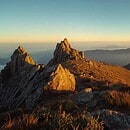

Image generated with Ai
Travelers can experience the thin crisp African air by standing on the roof of Ethiopia. From there they can watch the early morning mist roll in and cover the wild lands. Bale Mountains National Park is nothing like your normal travel spot. It is a big intact chunk of Africa where the rules of nature are still in effect. Ethiopian wolves can be seen roaming the valley while coffee grows in the misted forests and it brings out the wild side in all of us. The satisfaction level increases when travelers visit lesser known areas. The Bale Mountains National Park is a good example of that. The park demonstrates the importance of all of the adventurers in the world in preserving the wild.
The Magnificent Afro-Alpine Wonderland of Bale Mountains National Park
Advertisement
Bale Mountains National Park stands as a magnificent ecological treasure situated within the high-altitude highlands of Ethiopia. Recognized globally as a prestigious UNESCO World Heritage Site, this pristine wilderness zone features rolling alpine plateaus, deep glacial valleys, and rich Afro-alpine ecosystems that reach up into the sky. Nature enthusiasts and seasoned global travelers journey to this vast preserve to experience pristine natural environments while encountering some of the rarest plant and animal species on the planet.
Visitors exploring Bale Mountains National Park are treated to a captivating landscape shaped by ancient volcanic activity and unique climatic conditions. Sweeping alpine meadows, cascading rivers, and rare vegetation types interact to sustain intricate ecological balances found nowhere else in Africa. As international awareness of this remarkable sanctuary continues to grow, naturalists and travelers celebrate its vital role in preserving global biodiversity and advancing high-altitude environmental research.
Advertisement
Advertisement
Exploring Endangered Species Habitats Across the Legendary Sanetti Plateau
The expansive and breathtaking Sanetti Plateau forms the dominant upper elevation of Bale Mountains National Park, earning its reputation as the roof of Africa. Traversing this alpine landscape grants adventurous guests the privilege of observing the endangered Ethiopian wolf, internationally recognized as the rarest wild canid on Earth. These strikingly beautiful, specialized predators hunt across the chilly grasslands, providing wild, unscripted wildlife encounters that profoundly move photographers, researchers, and nature enthusiasts alike.
The Sanetti Plateau serves as a crucial natural sanctuary for the endangered Ethiopian wolf as well as the endemic Mountain Nyala.
In addition to these elusive canine predators, travelers venturing through Bale Mountains National Park frequently encounter the magnificent, endemic Mountain Nyala grazing peacefully through the morning mist. Fully guided private expeditions across the Sanetti Plateau maintain strict safety standards while offering visitors privileged access to extremely sensitive habitats. This delicate synthesis of adventurous high-altitude exploration and rigorous wildlife protection provides a highly viable blueprint for modern wildlife conservation projects across the globe.
Advertisement
Advertisement
Uncovering Botanical Origins and Sustainable Exploration in the Mist-Covered Harenna Forest
Nestled deep within the southern expanse of Bale Mountains National Park, the vast and mysterious Harenna Forest represents a truly enchanting cloud forest shrouded in constant mist and moss-draped vegetation. Environmentalists, botanists, and cultural historians hold this dense woodland in immense esteem, as it harbors the original genetic homeland of wild Arabica coffee. Navigating these shaded, aromatic forest paths allows travelers to trace the deep botanical roots of one of the world’s most cherished agricultural crops, connecting human beverage culture directly with indigenous forest ecosystems.
The long-term protection of the Harenna Forest carries profound economic, educational, and ecological consequences for the international travel market. Curated, low-impact wilderness expeditions operating within Ethiopia illustrate how premium eco-tourism can successfully fund critical habitat preservation while creating meaningful economic opportunities for local populations. By offering managed access to these lush, historic forest depths, regional hosts establish elevated benchmarks for ethical international exploration, demonstrating that luxury travel can exist in total harmony with nature.
Evaluating the Transformative Industry Effects of High-Altitude Eco-Tourism
The growing international appreciation of Bale Mountains National Park signals a profound paradigm shift within the global tourism sector. Modern international travelers increasingly reject heavily commercialized, crowded safari circuits in favor of remote, biologically rich destinations across Africa. This fundamental transition encourages regional destination managers to implement strict safety protocols, enforce carrying-capacity limits, and emphasize genuine environmental stewardship. Moreover, high-end private itineraries designed for small groups allow visitors to experience pure wilderness without causing ecological degradation or habitat fragmentation.
As more international wanderers direct their journeys toward Ethiopia, the global hospitality sector must adapt by building sustainable infrastructure that balances luxury with conservation. Protecting fragile, high-altitude locations like the Sanetti Plateau and the damp, biodiverse Harenna Forest guarantees that future generations will continue to witness endangered species thriving in their native habitats. Ultimately, the successful management model demonstrated in Bale Mountains National Park establishes a compelling, progressive precedent for responsible luxury travel and sustainable resource management worldwide.
Traversing the Roof of Africa: Multi-Day Wilderness Trails and Alpine Expeditions
Bale Mountains National Park offers an extraordinary network of high-altitude trekking trails, ranging from single-day excursions to multi-day alpine expeditions that cross dramatic elevation zones. Adventurous travelers can journey from the lower juniper woodlands up to the towering heights of Mount Tullu Dimtu, Ethiopia’s second-highest peak. These wilderness routes connect pristine glacial lakes like Lake Gebre Gurracha with sweeping moorlands and scenic river valleys like the Web Valley. Guided horseback and hiking circuits allow global explorers to immerse themselves in pure, untouched landscapes while experiencing diverse climatic shifts across Ethiopia.
The establishment of standardized luxury trekking circuits inside Bale Mountains National Park fundamentally shifts how high-altitude adventures are conducted in Africa. By offering structured, multi-day routes complete with local mountain guides, packhorses, and private wilderness campsites, destination managers set a compelling precedent for eco-conscious adventure tourism. This managed trail system ensures that international trekkers can safely navigate extreme high-altitude terrain without leaving a damaging environmental footprint on fragile Afro-alpine ecosystems.
Africa’s Vital Water Tower: Environmental Stewardship and Regional Hydrological Impact
Beyond its unmatched biodiversity, Bale Mountains National Park serves as a vital hydrological water tower for the entire horn of Africa. The vast high-altitude wetlands, glacial pools, and mountain streams feed over forty major rivers that supply critical freshwater to millions of people across Ethiopia, Somalia, and Kenya. Protecting these pristine watersheds on the Sanetti Plateau is essential for maintaining climate resilience, agricultural stability, and ecosystem health throughout the region.
The recognition of Bale Mountains National Park as a major hydrological safeguard influences global travel and environmental policy. Modern international travelers increasingly demand that their journeys support tangible ecological and community outcomes. By integrating local community stewardship, grazing management strategies, and watershed conservation into high-end eco-safaris, Ethiopia demonstrates how international tourism revenue can directly protect critical natural resources for surrounding populations.
The Final Verdict
An enchantment lingers with you after Bale Mountains National Park even when the fog disperses. From the highlands of Ethiopia you look out over the Afro-Alpine plains, and you know that this is no holiday. The Ethiopian wolves, being solitary or occurring in small packs, move with grace across the plains, and the sounds of old growth Harenna Forest bring us back to an emptied, raw, and beautiful world. There is a travel experience that is both infinite and precious, and there are places like Bale Mountains that show the world what happens when that experience does not exist. Future travelers should have the opportunity to experience the unending awe of the wild. The spirit that you first encountered will also stay and draw you back to this place, pledging to safeguard the wild corners of the world.
Advertisement
Advertisement
Advertisement













Friday, September 4, 2026

Friday, September 4, 2026

Friday, September 4, 2026

Thursday, September 3, 2026

Wednesday, September 2, 2026

Friday, September 4, 2026

Friday, September 4, 2026