
Vancouver Issues Heat Warning as Rising Temperatures Challenge Summer Travel, Public Health, Outdoor Activities, and Visitor Safety Across Metro Vancouver

Published
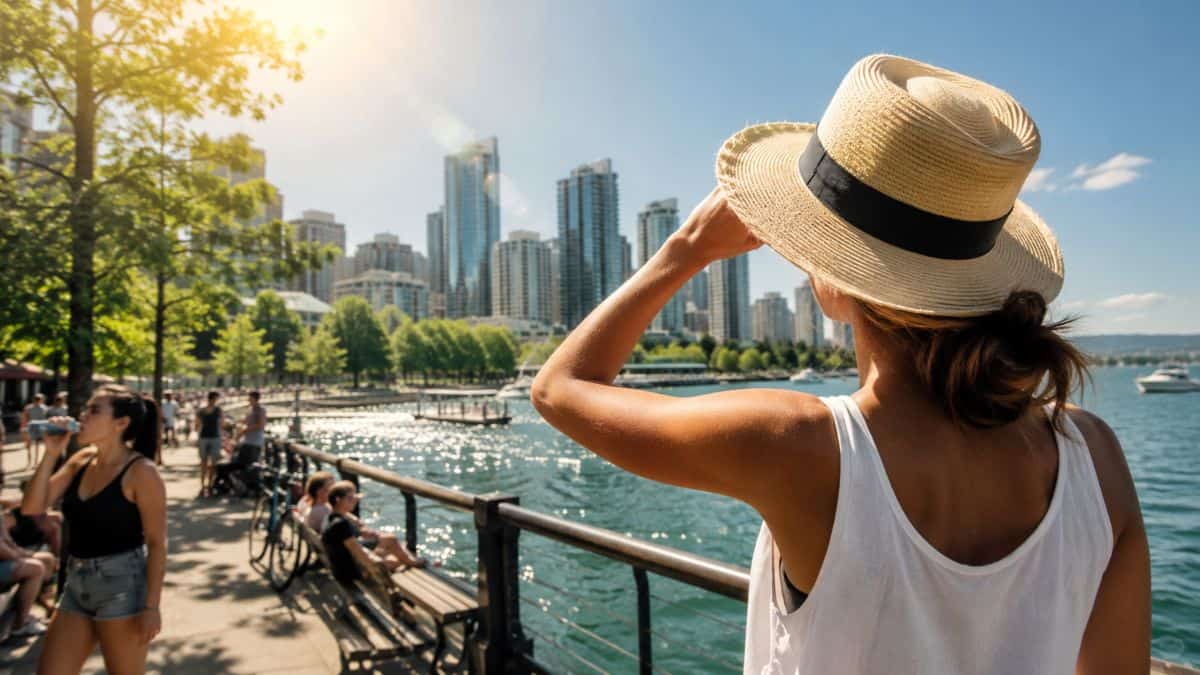
Image generated with Ai
Vancouver is experiencing one of its hottest stretches of the summer after Environment and Climate Change Canada (ECCC) issued a heat warning for Metro Vancouver and the Fraser Valley. The advisory comes as a strong ridge of high pressure pushes daytime temperatures into the low and mid-30s Celsius across inland communities, while overnight temperatures remain unusually warm. The prolonged warmth is increasing health risks for residents and visitors alike, particularly those spending extended periods outdoors during the busy summer travel season.
The heat warning arrives at a time when Vancouver continues to welcome thousands of domestic and international visitors exploring beaches, parks, waterfront attractions, mountain viewpoints, festivals, and outdoor events. While coastal neighbourhoods are expected to remain slightly cooler because of marine influences, authorities emphasize that elevated temperatures can still create dangerous conditions, especially for vulnerable individuals. Public officials are encouraging travellers and local communities to remain informed, stay hydrated, and adjust outdoor plans as necessary until temperatures begin easing later in the week.
Advertisement
Advertisement
Heat Warning Issued Across Metro Vancouver
Environment and Climate Change Canada announced that a persistent ridge of high pressure is responsible for the current heat event affecting Metro Vancouver and the Fraser Valley.
Forecasts indicate daytime temperatures reaching the low to mid-30s Celsius across inland locations, while communities closer to the coastline are expected to experience highs in the upper 20s. Overnight temperatures are forecast to remain in the mid to high teens, reducing opportunities for buildings and urban areas to cool naturally.
Advertisement
Advertisement
| Weather Condition | Forecast |
|---|---|
| Inland Daytime Highs | Low to Mid-30°C |
| Coastal Daytime Highs | Upper 20°C |
| Overnight Temperatures | Mid to High Teens |
| Expected Trend | Gradual cooling beginning Thursday |
Meteorologists indicate that a gradual cooling trend should develop after the high-pressure system weakens, although warm conditions may continue in some inland areas.
Advertisement
Advertisement
What the Heat Warning Means for Residents and Visitors
The advisory is more than a temperature forecast—it represents a public health notification urging people to reduce exposure to extreme heat.
High temperatures combined with warm overnight conditions can significantly increase the risk of heat-related illness because the human body receives less opportunity to recover after sunset. This concern extends beyond local residents to tourists unfamiliar with Vancouver’s summer climate or those participating in strenuous outdoor sightseeing.
Popular destinations including Stanley Park, English Bay, Kitsilano Beach, Grouse Mountain access points, waterfront cycling routes, hiking trails, and downtown walking districts may feel considerably warmer during peak afternoon hours.
| Travel Activity | Heat Consideration |
|---|---|
| Walking tours | Schedule during morning or evening |
| Urban sightseeing | Carry drinking water and seek shade |
| Beach visits | Use sun protection and hydration |
| Hiking | Avoid midday departures |
| Cycling | Take frequent cooling breaks |
Public Health Officials Urge Extra Precautions
Health officials stress that heat affects everyone, but certain groups face considerably higher risks.
Older adults, individuals living alone, people with chronic illnesses including diabetes, cardiovascular disease, respiratory conditions, mental health disorders, limited mobility, and substance use disorders require additional attention during prolonged periods of elevated temperatures.
Advertisement
Advertisement
Authorities recommend checking regularly on family members, neighbours, and friends who may need assistance accessing cool environments.
Indoor temperatures also deserve close monitoring. Public officials note that indoor conditions exceeding 26°C may become hazardous for some individuals, while temperatures above 31°C can become dangerous for nearly everyone if prolonged.
City Expands Cooling Resources During Heat Event
The City of Vancouver has activated a range of cooling measures designed to help residents and visitors remain safe throughout the heat event.
Community centres and public libraries are operating as cooling centres open to anyone seeking relief from the heat. Visitors also have access to hundreds of drinking fountains located throughout the city, along with numerous misting stations positioned in public spaces.
Beaches, swimming pools, and spray parks continue serving as important outdoor cooling destinations, particularly for families and travellers exploring the city during the summer holiday period.
Advertisement
Advertisement
| Public Cooling Resource | Availability |
|---|---|
| Community Centre Cooling Centres | Open |
| Public Libraries | Available |
| Drinking Fountains | 300+ locations |
| Misting Stations | Approximately 30 |
| Beaches and Pools | Open to visitors |
| Spray Parks | Operating |
These facilities play an essential role in reducing heat exposure while allowing visitors to continue enjoying Vancouver’s attractions safely.
Travel Industry Adapts to Hotter Summer Conditions
Summer remains one of Vancouver’s busiest tourism seasons, drawing visitors for outdoor recreation, waterfront experiences, festivals, cruise departures, and scenic exploration.
Hotels, tourism operators, attraction managers, and transportation providers increasingly prepare for periods of unusually warm weather by encouraging hydration, adjusting outdoor schedules, and providing additional shaded rest areas where possible.
Travellers planning full-day itineraries are advised to begin sightseeing earlier in the morning, take frequent indoor breaks during afternoon peak heat, and remain attentive to changing weather advisories.
For international visitors unfamiliar with Canadian summer heat, understanding local safety guidance becomes particularly important, especially when engaging in physically demanding activities such as hiking or cycling.
Advertisement
Advertisement
Recognizing Heat-Related Illness
Medical experts encourage immediate action if symptoms associated with heat stress begin developing.
Heavy sweating, muscle cramps, dizziness, fainting, unusually high body temperatures, skin irritation, fatigue, headaches, confusion, and worsening existing medical conditions may all indicate heat-related illness requiring prompt cooling and, when necessary, medical attention.
Remaining hydrated throughout the day, limiting alcohol consumption, wearing lightweight clothing, and reducing strenuous outdoor activities during peak afternoon hours remain among the most effective protective measures.
Individuals without access to air conditioning should spend portions of the day inside air-conditioned public buildings whenever possible.
Outlook for Vancouver’s Summer Weather
Forecasters expect the strongest heat to gradually ease as the current ridge of high pressure weakens, bringing slightly cooler temperatures beginning Thursday.
Advertisement
Advertisement
Nevertheless, climate experts note that heat events are becoming increasingly common across western Canada, making preparedness an increasingly important aspect of urban planning, tourism management, and public health.
For travellers, flexibility remains key. Adjusting sightseeing schedules, monitoring official weather updates, and taking advantage of Vancouver’s public cooling infrastructure can help ensure enjoyable and safe travel experiences even during periods of elevated temperatures.
As one of Canada’s leading tourism destinations, Vancouver continues balancing its vibrant outdoor lifestyle with growing efforts to protect residents and visitors from increasingly frequent summer heat episodes.
Frequently Asked Questions
1. Why has Vancouver issued a heat warning?
Environment and Climate Change Canada issued the warning because high-pressure conditions are bringing temperatures into the low to mid-30s Celsius across Metro Vancouver and the Fraser Valley.
2. Which areas are affected by the heat warning?
Metro Vancouver and the Fraser Valley are covered by the current advisory.
Advertisement
Advertisement
3. How hot will Vancouver become?
Inland communities may reach the low to mid-30s Celsius, while coastal neighbourhoods are expected to remain in the upper 20s.
4. When is the weather expected to cool?
Forecasters expect a gradual cooling trend to begin on Thursday.
5. Who is most vulnerable during extreme heat?
Older adults, people with chronic illnesses, individuals living alone, and those with limited mobility face greater health risks.
6. Are Vancouver’s cooling centres open?
Yes. Community centres and libraries are available as public cooling spaces.
7. Can tourists continue sightseeing during the heat warning?
Yes, but visitors should schedule outdoor activities during cooler hours, stay hydrated, and take frequent breaks.
Advertisement
Advertisement
8. What symptoms indicate heat-related illness?
Heavy sweating, cramps, dizziness, fainting, headaches, confusion, and elevated body temperature are common warning signs.
9. Where can visitors cool down in Vancouver?
Cooling centres, beaches, swimming pools, spray parks, drinking fountains, and misting stations provide relief from the heat.
10. Why are overnight temperatures important during a heat event?
Warm nights reduce the body’s ability to recover from daytime heat, increasing health risks, especially during prolonged heat waves.
Advertisement
