
Belgium’s Quiet Luxury Draws Travellers Into Historic Homes, Art and Private Aviation

Published
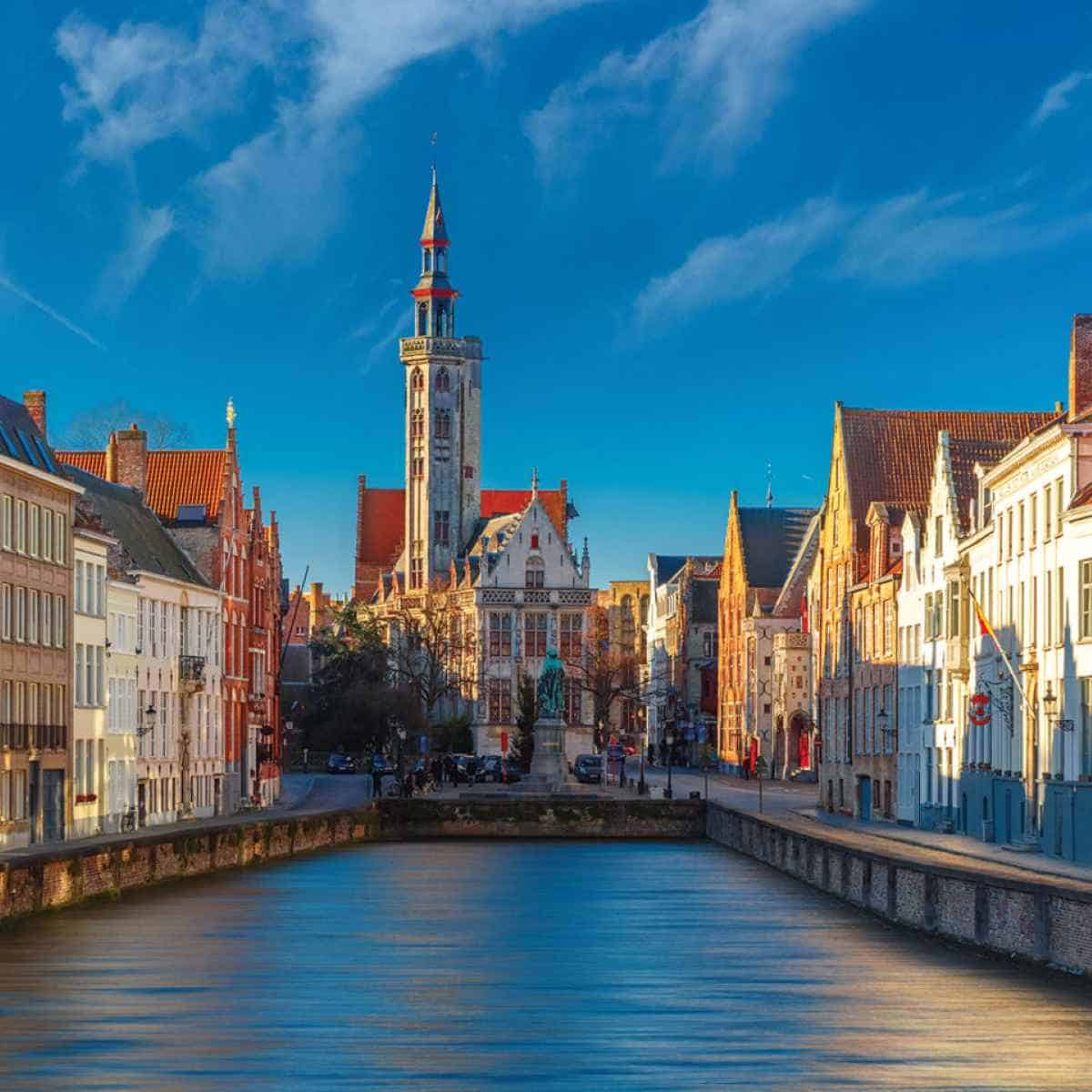
The factors making Belgium an increasingly appealing destination for luxury travel include intimate heritage accommodation, modern architecture and access to a range of cultural activities which go beyond mere sightseeing. Thus, in Bruges, it is possible to experience the old medieval town staying in restored historic houses. In Antwerp, it is the area of Zuid which combines art galleries, architecture and a creative atmosphere, attracting those who value design and culture more than traditional hotel luxury. Brussels, in turn, contributes with the already developed private aviation facilities, while the countryside of Wallonia offers château accommodations and other retreats in the proximity of the capital. It should be noted that this is not a complete abandonment of the five-star hotels.
Bruges Turns Historic Residences Into Intimate Luxury Stays
Bruges has long attracted visitors through its canals, medieval streets and preserved architecture. Its luxury accommodation scene increasingly draws on those assets, with smaller hotels and restored residences offering an alternative to large international properties.
Advertisement
Advertisement
Hotel Heritage is one example. Housed in a historic building near the Market Square, the five-star boutique hotel combines period architecture with contemporary comforts, a spa and fine dining. Its intimate scale gives guests a different relationship with the city than a large convention-oriented property.
Another option, Relais Bourgondisch Cruyce, occupies a historic building beside the canals, with individually designed rooms and an art-filled interior.
Advertisement
Advertisement
These properties show how heritage can function as more than a visual backdrop. The building, its location and its atmosphere become part of the stay.
Bruges also has a long association with specialist craftsmanship. The city’s diamond trade and jewellery workshops offer visitors a connection to a tradition that stretches back centuries. The official tourism listing for Diamanthuis Brugge describes a business continuing the city’s 600-year diamond-making heritage.
Advertisement
Advertisement
Private after-hours access to ateliers or collections, however, should be treated as individually arranged rather than a standard feature of every luxury stay.
Antwerp’s Het Zuid Gives Design-Led Travel a Belgian Address
Antwerp offers a more contemporary counterpoint to Bruges. The southern district known as Het Zuid is recognised for its galleries, restaurants, architecture and cultural institutions, making it a natural base for travellers interested in design and the arts.
The neighbourhood’s identity has been shaped by a mix of historic buildings and modern creative businesses. Its proximity to the Royal Museum of Fine Arts Antwerp, galleries and independent boutiques allows visitors to build an itinerary around art rather than a conventional checklist of attractions.
Botanic Sanctuary Antwerp illustrates another side of the city’s premium hospitality. Set within a former monastery complex, the hotel combines historic architecture with contemporary accommodation, dining and wellness facilities.
For collectors, Antwerp’s appeal also comes from its role in fashion, jewellery and the diamond industry. The city’s specialist businesses provide a more grounded cultural connection than a generic luxury shopping experience.
Private Art Access Adds a Different Kind of Exclusivity
Belgium’s cultural landscape is particularly suited to travellers seeking smaller, more considered experiences. In Antwerp, private gallery appointments and specialist art tours can offer a closer look at contemporary work, while Bruges provides historic collections, craft traditions and architectural detail.
Advertisement
Advertisement
Such access is generally dependent on the gallery, collection or host. It should not be presented as a guaranteed benefit attached to a hotel booking.
The appeal lies in the ability to spend time with a curator, artisan or collection without the pace of a crowded public visit. For high-end travellers, the value of exclusivity is increasingly connected to context and expertise rather than simply restricted entry.
Belgium’s compact geography supports this style of travel. Brussels, Antwerp and Bruges can be connected by rail, while private car services provide flexibility for visitors moving between city hotels, galleries and countryside properties.
Luxaviation Keeps Brussels on the Private Aviation Map
Belgium’s aviation infrastructure gives the country an advantage for travellers arriving by private aircraft. Luxaviation’s Brussels operation is listed at Brussels Airport through ExecuJet Belgium, with FBO and charter services.
The airport’s private aviation ecosystem provides a route for passengers seeking dedicated handling and charter arrangements. Brussels Airport is also well positioned for onward travel to the capital, Antwerp and destinations across Wallonia.
However, the claim that Luxaviation has newly expanded dedicated FBO services at both Brussels Airport and Brussels South Charleroi, with electric limousine transfers directly to diplomatic residences and private châteaux, could not be verified in official operator information.
Advertisement
Advertisement
Private ground transfers can be arranged separately, but vehicle type, route, access and availability depend on the provider and destination. Charleroi should also be distinguished from Brussels Airport: the two airports serve different parts of the country and are not interchangeable arrival points.
Wallonia Offers a Countryside Counterpoint
South of Brussels, Wallonia presents a quieter side of Belgium through wooded landscapes, historic towns and rural accommodation. Château hotels and country properties give visitors the opportunity to move away from urban schedules while remaining within reach of Brussels.
For travellers combining business in the capital with a leisure extension, the region can provide a change of pace without requiring a long-distance journey.
The strongest itineraries are likely to combine the different strengths of the country: Brussels for international access, Antwerp for design and contemporary culture, Bruges for heritage and Wallonia for countryside stays.
Belgium’s Luxury Proposition Is Becoming More Personal
The narrative of Belgium’s luxury travel experience is not one of an innovative new resort or transport service but rather one of how its current advantages can be brought together. Old buildings add charm, Antwerp provides a unique cultural experience, and Brussels can provide access through private aviation services that already exist. The challenge for hotels and travel professionals would be to make it easier for all of these components to work together through trusted private experiences and transportation. For travellers, the experience of Belgium will come from the small details, from visiting a private home, meeting at a private gallery, attending a diamond-cutting workshop or visiting a château.
Advertisement
