Image generated with Ai
Albania, Germany, and many more hidden treasures of Europe are attracting autumn visitors through their own distinctive escape routes. There is a transformation in the way tourists visit Europe during the autumn season because now, the countries of Albania and Germany are creating magnets out of some hidden places that are attracting tourists from all around the world. The countries are now concentrating on promoting some less-known villages and mountain areas instead of just visiting the capitals.
The new travel movement is being driven by tourists searching for quieter escapes, affordable experiences and deeper connections with local cultures. Autumn 2026 is emerging as a key season for destinations that can offer colourful landscapes, comfortable weather, outdoor adventures and unique traditions away from mass tourism.
From Albania’s untouched landscapes to Germany’s Bavarian villages, Latvia’s autumn forests and Slovenia’s green escapes, Europe is creating a new tourism map where small destinations compete with famous cities for international attention.
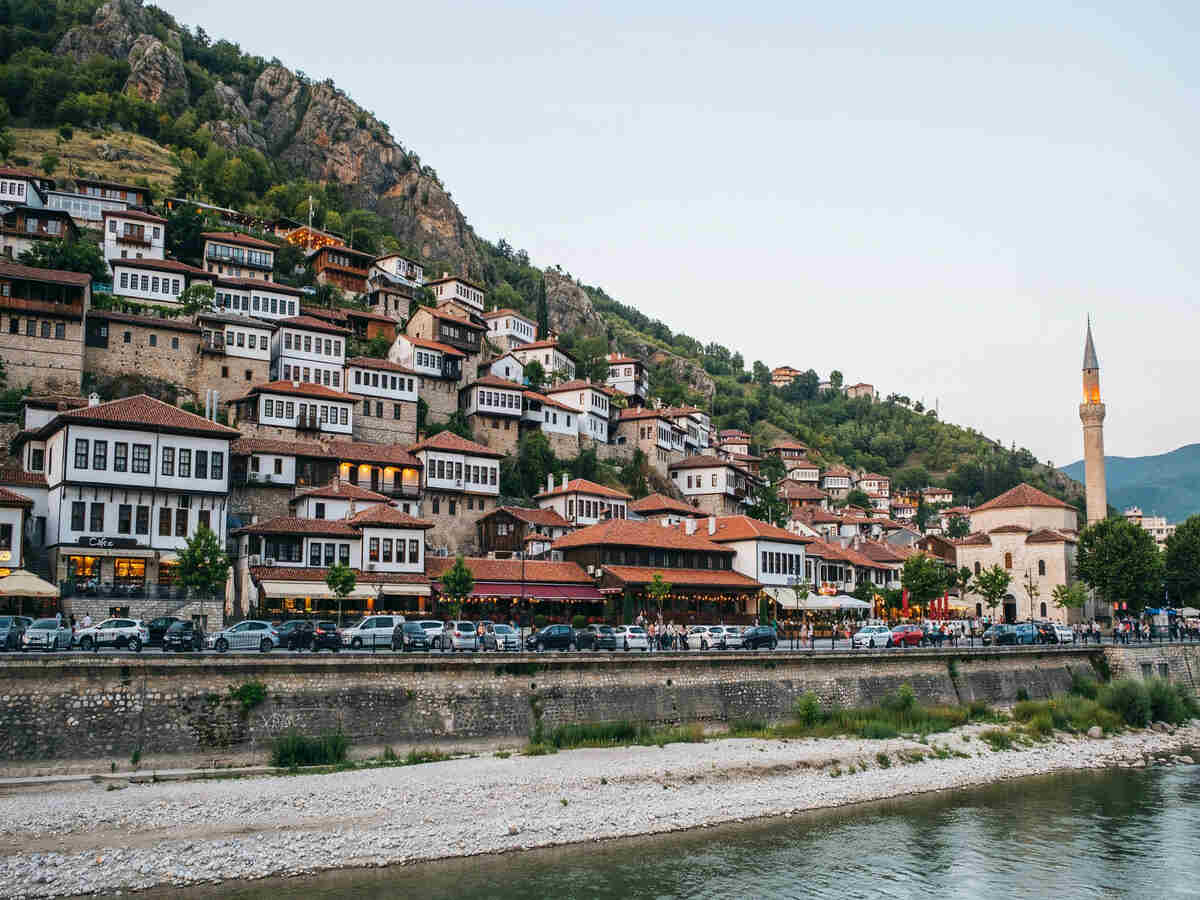
Albania is becoming one of Europe’s strongest examples of how a lesser-known destination can attract modern travellers through authenticity, nature and affordability. The country is positioning itself beyond its famous coastline by promoting mountain villages, historic towns and untouched landscapes.
Advertisement
While traditional Mediterranean destinations often compete through beaches and resorts, Albania is capturing travellers through a different approach — adventure, discovery and unexplored experiences.
Regions such as the Albanian Alps, Berat and Gjirokastër are gaining attention because they provide travellers with cultural heritage, dramatic scenery and authentic community experiences.
Autumn gives Albania an advantage because visitors can explore mountain trails, villages and historical areas with milder temperatures and fewer crowds.
The country’s strategy reflects a wider European trend where travellers are choosing destinations that feel undiscovered rather than heavily commercialised.
Advertisement
Advertisement
Germany is transforming its smaller destinations into autumn tourism hotspots by encouraging visitors to explore beyond major cities such as Berlin and Munich.
Bavaria has become a major attraction during autumn because its forests, mountains and villages create one of Europe’s most recognisable seasonal landscapes.
Instead of only promoting city breaks, Germany is attracting travellers through:
The region combines nature and heritage to create memorable experiences.
Travellers are attracted by:
Germany’s approach is helping distribute tourism beyond popular urban centres and encouraging visitors to spend more time in smaller communities.
By promoting rural experiences, Germany is turning autumn into a season where villages and countryside destinations gain international visibility.
Latvia is proving that natural landscapes can become powerful tourism attractions when marketed effectively.
The country is using its forests, rivers and cultural heritage sites to attract travellers searching for peaceful European escapes.
One of the biggest examples is Sigulda, often recognised for its spectacular autumn scenery. The destination combines colourful forests, historic attractions and outdoor activities to create a complete seasonal travel experience.
The country attracts visitors through:
Sigulda’s appeal comes from destinations such as Gauja National Park and Turaida Castle, where visitors can experience autumn colours alongside cultural exploration.
Latvia’s tourism model shows how smaller destinations can compete internationally by focusing on unique natural assets rather than large-scale attractions.
Slovenia is benefiting from the growing demand for quieter European destinations. The country has positioned itself as a destination where nature, sustainability and authentic experiences come together.
While places such as Lake Bled attract international attention, Slovenia is increasingly promoting lesser-known regions, mountain villages and outdoor experiences.
Autumn provides ideal conditions for hiking, cycling, photography and cultural exploration.
The country’s tourism strategy connects visitors with nature rather than overcrowded attractions, making it attractive for travellers looking for meaningful journeys.
Slovenia’s success highlights how smaller European nations can compete by offering experiences that feel personal and environmentally responsible.
Italy remains one of the world’s most popular tourism destinations, but its autumn strategy is increasingly focused on moving visitors beyond famous cities.
Instead of concentrating only on Rome, Venice and Florence, Italy is encouraging travellers to explore:
Autumn is becoming an important season for Italian slow travel because visitors can enjoy local traditions without the intense summer crowds.
Italy wins visitors through:
Regions such as Tuscany, Sicily and smaller Italian towns offer travellers a deeper connection with local life.
This approach helps Italy spread tourism income to communities beyond major tourist centres.
The United Kingdom is attracting autumn travellers by highlighting countryside experiences instead of relying only on famous cities.
Scotland and England are becoming major destinations for travellers seeking nature, walking holidays and traditional experiences.
The UK is capturing travellers who want slower journeys and outdoor experiences.
Autumn provides the perfect environment for exploring landscapes, historic villages and local communities.
Czechia is attracting visitors by encouraging exploration beyond Prague.
The country’s smaller towns offer:
Autumn creates a unique atmosphere where visitors can enjoy historic destinations without peak-season crowds.
By promoting regional tourism, Czechia is creating opportunities for smaller communities while reducing pressure on its capital city.
Even luxury destinations are adapting to the rise of offbeat and seasonal travel.
Monaco is attracting visitors during autumn by focusing on premium experiences rather than only summer glamour.
The destination highlights:
With fewer crowds compared with peak summer months, autumn allows travellers to experience Monaco in a more relaxed way.
The strategy demonstrates that even established destinations are changing their approach to meet evolving traveller expectations.
The rise of offbeat tourism shows a major transformation in European travel behaviour.
Travellers are increasingly searching for:
Countries such as Albania, Germany, Latvia, Slovenia, Italy, the UK and Czechia are benefiting because they are offering something modern travellers increasingly value — experiences that feel unique and personal.
Autumn 2026 is becoming a turning point for European tourism, where hidden villages, rural landscapes and lesser-known regions are no longer secondary attractions.
They are becoming the new traveller magnets.
| Country | Offbeat Tourism Strategy | Traveller Attraction |
|---|---|---|
| Albania | Mountains, villages, heritage | Adventure and affordable travel |
| Germany | Bavaria countryside and castles | Nature and cultural tourism |
| Latvia | Forests and historic towns | Autumn landscape tourism |
| Slovenia | Green tourism and outdoor experiences | Sustainable travellers |
| Italy | Villages and slow travel | Culture and food lovers |
| UK | Highlands and countryside | Nature and adventure travellers |
| Czechia | Regional heritage destinations | Authentic city breaks |
| Monaco | Premium seasonal experiences | Luxury travellers |
Albania, Germany, and other European countries are turning unexplored offbeat destinations into a strong force that attracts autumn tourists worldwide.
Autumn tourism in Europe will shift its attention from being focused on well-known landmarks to offbeat destinations that can provide amazing stories and a closer bond with locals.
Advertisement
Advertisement
Advertisement












Sunday, September 6, 2026
Sunday, September 6, 2026

Sunday, September 6, 2026
Saturday, September 5, 2026
Saturday, September 5, 2026
Sunday, September 6, 2026
Sunday, September 6, 2026