
New Zealand Strengthens Its Tourism Appeal as Reverse Season Experiences Bring More Nature Seekers

Published
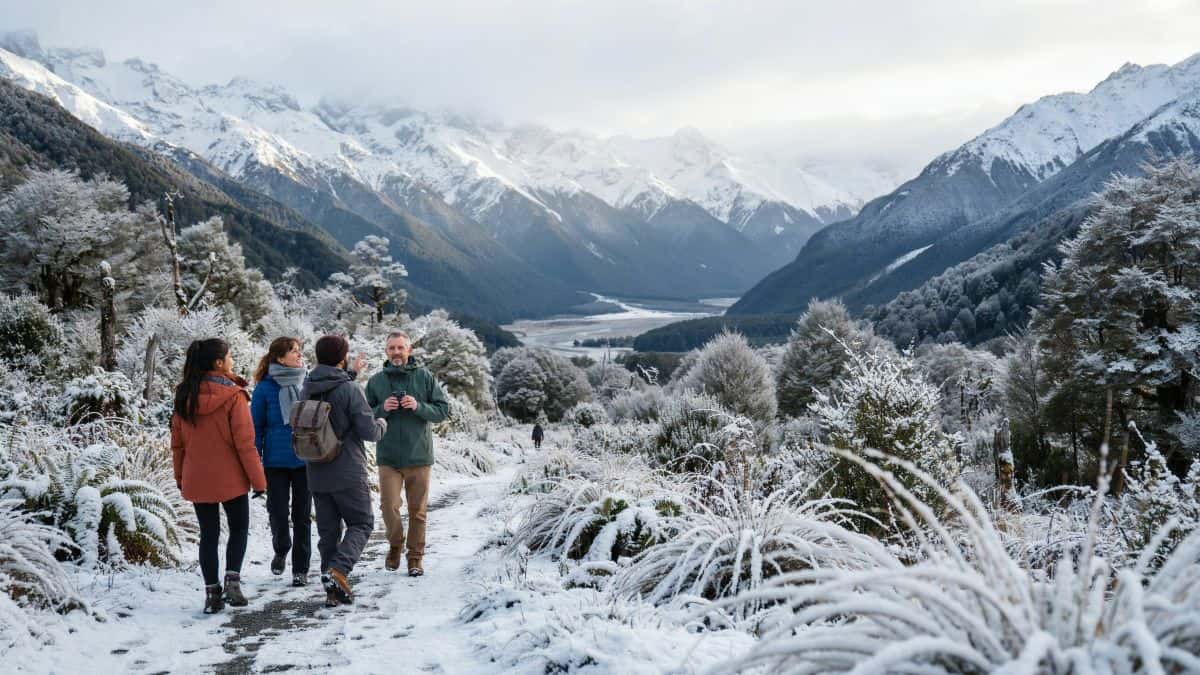
The emergence of new tourism trends in New Zealand due to change in travel tastes paves way to the arrival of a new tourism era. As the trend of reverse season tourism draws nature lovers from all over the world to visit the destination, it is gaining popularity among travellers who want to experience a different climate and landscape apart from the holiday season destinations. In addition, the winter activities and eco-friendly tourism practices in New Zealand are leading visitors to adopt a different travel pattern.
Why reverse season travel is creating a new tourism opportunity for New Zealand
New Zealand’s tourism advantage comes from its location in the Southern Hemisphere. Instead of offering another summer escape, the country provides travellers with a completely different seasonal experience.
A visitor travelling from Europe, North America or parts of Asia during their summer months can experience New Zealand’s winter landscapes. This creates a different type of travel movement compared with traditional European coolcation trends.
In Europe, travellers often move towards northern areas, mountains or coastal regions to avoid extreme heat. In New Zealand, the opportunity is broader. Visitors can cross hemispheres and experience snowy mountains, winter sports, peaceful landscapes and cooler outdoor environments.
Advertisement
Advertisement
This reverse-season model gives New Zealand several tourism advantages. It can attract visitors who want:
- Alpine experiences
- Winter adventure activities
- Nature exploration
- Peaceful landscapes
- Outdoor activities away from peak summer crowds
The concept also supports regional tourism because many experiences are located outside major cities. Destinations with mountains, forests, lakes and rural communities can benefit if visitors choose longer stays and explore beyond traditional gateways.
Advertisement
Advertisement
However, climate alone does not guarantee tourism success. Transport links, accommodation supply, pricing, visitor facilities and marketing remain important factors. The latest data show that destinations with cooler climates do not automatically experience rapid growth.
This creates a more complex tourism picture. The future winners may not simply be the coldest destinations. They may be places that combine natural beauty, accessibility, quality experiences and sustainable visitor management.
New Zealand’s tourism growth shows strong international momentum
New Zealand has recorded one of the strongest tourism recovery signals in Oceania. The country welcomed 3.67 million overseas visitors in the year ending June 2026, showing a 9% increase compared with the previous year.
The growth reflects several factors. New Zealand continues to attract visitors through its landscapes, adventure activities, cultural experiences and reputation as a nature-rich destination.
Tourism New Zealand has also focused on strengthening international demand. Government investment has supported marketing activity in key markets, including Australia, the United States and China. Additional attention has also been placed on emerging markets such as India and Southeast Asia.
The country’s Tourism Growth Roadmap aims to increase tourism export value by 2034. The strategy focuses on strengthening demand, improving regional tourism opportunities and supporting sustainable visitor growth.
Advertisement
Advertisement
This approach reflects a wider change in global tourism. Countries are no longer focusing only on increasing visitor numbers. They are increasingly looking at visitor spending, regional benefits, environmental protection and year-round tourism activity.
For New Zealand, winter tourism could help reduce seasonal pressure. Encouraging visitors during quieter months can improve accommodation use, support local businesses and create more stable tourism employment.
Nature based tourism becomes a major force behind visitor demand
The rise of nature tourism is one of the strongest signals supporting New Zealand’s future tourism potential.
Across Australia, which provides a wider regional comparison, participation in nature-based activities increased significantly between 2014 and 2023. Activities such as bushwalking, national park visits, cycling, wildlife experiences and camping recorded strong growth.
This trend shows that travellers are increasingly interested in outdoor experiences. The appeal is not only about escaping heat. Many visitors want deeper connections with landscapes, wildlife and local communities.
New Zealand benefits from this shift because nature is central to its tourism identity. Mountains, national parks, coastlines and forests provide experiences that match changing traveller preferences.
Advertisement
Advertisement
The growth of nature tourism also creates opportunities for smaller communities. Regional areas can develop tourism products based on:
- Outdoor adventures
- Indigenous cultural experiences
- Wildlife encounters
- Local food and traditions
- Conservation-focused activities
However, nature tourism requires careful management. Popular landscapes can face pressure from increased visitors. Sustainable planning is essential to protect the natural resources that attract travellers.
A successful tourism model must balance growth with conservation. More visitors should create economic benefits without damaging the environment that makes destinations attractive.
Climate change is influencing travel conversations but data remains limited
Climate change has become a major global factor influencing discussions about future tourism. The World Meteorological Organization reported that recent years have been among the hottest recorded, with rising temperatures affecting communities and economies worldwide.
These conditions have increased interest in destinations with cooler climates. However, official tourism statistics do not currently measure “coolcation travellers” as a separate group.
This means researchers cannot yet confirm that visitors are choosing New Zealand specifically because of rising temperatures elsewhere.
Advertisement
Advertisement
Instead, experts analyse wider indicators such as:
- Visitor arrival trends
- Seasonal travel patterns
- Nature activity participation
- Regional tourism growth
- Visitor spending behaviour
These indicators suggest that climate comfort may become an increasingly important factor in travel decisions, but it is one part of a larger decision-making process.
Travellers also consider affordability, flight availability, safety, attractions and overall experience quality.
New Zealand’s opportunity comes from combining climate advantages with strong tourism infrastructure and sustainable experiences.
Regional tourism growth could shape New Zealand’s future visitor economy
A major opportunity for New Zealand is spreading tourism beyond popular locations. Regional tourism can create economic benefits for smaller communities while reducing pressure on major destinations.
The country’s tourism strategy places importance on regional infrastructure and sustainable development. Better access, improved visitor facilities and stronger local experiences can help distribute tourism spending.
Advertisement
Advertisement
Winter tourism could support this goal. Mountain towns, rural areas and nature destinations can attract visitors during periods when traditional summer tourism slows.
Longer stays could also increase economic benefits. Visitors who explore multiple regions contribute more widely through accommodation, food, transport and activities.
However, regional tourism growth requires investment. Communities need reliable transport, skilled workers, accommodation options and environmental management systems.
Without these elements, increased visitor numbers could create challenges rather than benefits.
The future of tourism will depend on creating balanced growth where visitors enjoy authentic experiences and communities receive lasting economic value.
Sustainable tourism becomes essential as visitor numbers increase
New Zealand’s tourism future depends heavily on sustainability. As international demand grows, protecting natural and cultural resources becomes increasingly important.
Advertisement
Advertisement
The country has developed systems to monitor tourism impacts and sustainability performance. These efforts focus on understanding visitor behaviour, environmental pressure and long-term tourism outcomes.
The challenge is significant. Long-haul travel creates environmental concerns because many international visitors rely on aviation. A tourism model built around nature experiences must also consider its environmental footprint.
The solution is not simply reducing visitors. Instead, destinations can focus on better tourism management.
This includes:
- Encouraging longer stays
- Supporting regional travel
- Protecting sensitive environments
- Improving sustainable transport options
- Promoting responsible visitor behaviour
New Zealand’s future tourism success will depend on maintaining the balance between economic growth and environmental protection.
Australia and New Zealand show different tourism recovery patterns
While New Zealand has shown strong recent visitor growth, Australia presents a more mixed picture.
Advertisement
Advertisement
Australia recorded 8.4 million international visitors during 2024–25, representing a 5% increase. However, its July 2026 short-term visitor arrivals declined by 4.3% compared with the previous year.
Some cooler Australian regions also experienced weaker monthly performance. Tasmania, often associated with nature and cooler weather, recorded a decline in international arrivals during the measured period.
This highlights an important point. Cooler climates alone do not automatically create tourism growth.
Successful destinations need strong connectivity, accommodation capacity, marketing and visitor experiences.
For New Zealand, this provides both an opportunity and a warning. The country has strong natural advantages, but continued investment will be needed to convert interest into long-term tourism growth.
New Zealand could become a key player in the future of climate conscious travel
New Zealand is fast becoming an emerging destination for winter holiday escapes, with travelers rethinking their vacation plans in search of a cooler climate and other forms of natural and memorable experiences. As tourism is being influenced by climate-based trends, New Zealand is fast gaining fame because of its reverse seasonality. In contrast to conventional summer vacation plans, New Zealand provides visitors with a different season with alpine sceneries and many outdoor activities. More so, its emphasis on sustainable tourism and regional developments means that it is poised to receive visitors in the future.
Advertisement
