
Croatia Contains A Hidden Travel Heaven With Jaw-Dropping Medieval Vibe You Need To Visit Right Now In Trogir

Published
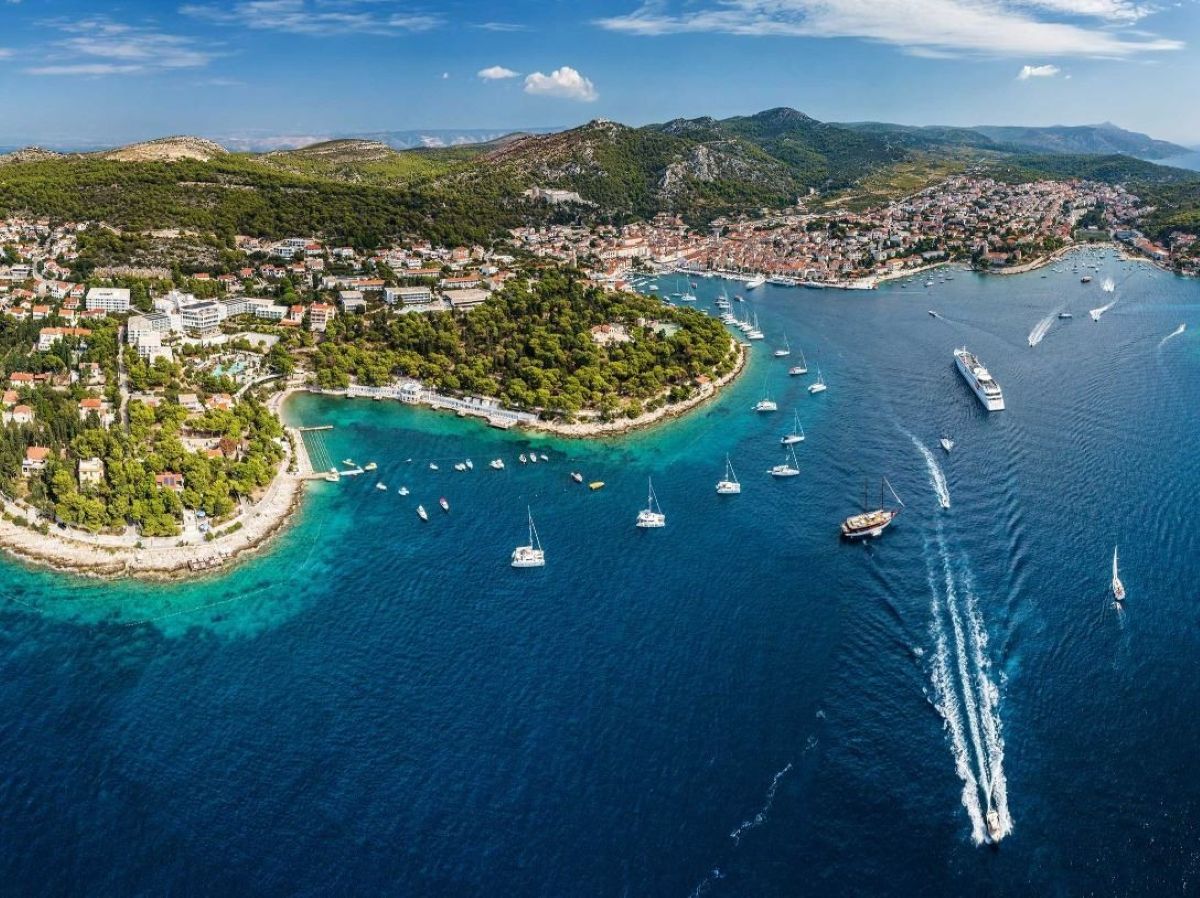
Image Credit croatia.hr
I discovered something unique in Trogir. I feel like this place is literally my private world. The urban landscape is like something that would be found in a fairy tale and these buildings actually overlook the Adriatic Sea. The daily grind is easy to escape, as a sole crossing of a bridge will take you to an island where you can relax and take in the warm sea air and enjoy the breeze rustling the empty shadows to sleep. The memories you bring home are melancholy and of ultimate silence. This world inspires you to draw on your emotions and imagine. Trogir truly has the ability to make you want to come back and visit again. You will see that Trogir is truly unique in the world; it’s worth going to see it.
Leaving a Piece of Your Heart in Trogir’s Historic Haven
As the evening sun dips beneath the horizon and vintage lanterns illuminate the ancient stone passages of Trogir, Croatia, international travelers regularly discover that this secluded coastal haven leaves a lasting emotional impression. The historic island offers a rare, deliberate pace of life that encourages visitors to step away from modern schedule pressures and reconnect with deeply meaningful exploratory journeys. A final view of the soaring bell tower at the Cathedral of St. Lawrence and the formidable stone walls of the 15th-century Kamerlengo Fortress instills a profound sense of gratitude for destinations that meticulously safeguard their cultural soul in an increasingly fast-paced world!
Advertisement
Advertisement
Ultimately, the enduring appeal of Trogir, Croatia functions as a vital performance benchmark for the global travel sector! Whether international sightseers visit briefly via transit connections from Split or linger along the famous Riva Promenade over several days, the site delivers an unforgettable passage into living architectural history. As global travelers increasingly prioritize immersive, authentic heritage journeys over conventional city tours, this remarkable coastal sanctuary stands ready to inspire future generations of conscientious explorers!
Analyzing Key Historic Landmarks Including the Cathedral of St. Lawrence and Kamerlengo Fortress
Advertisement
Advertisement
The municipal center contains world-renowned physical monuments that continuously fascinate architectural researchers and international sightseers alike! Observers report that visitors routinely ascend the towering bell tower of the historic Cathedral of St. Lawrence to enjoy sweeping panoramic views across the surrounding coastline. Furthermore, travelers regularly explore the formidable stone battlements of the 15th-century Kamerlengo Fortress, which stands as an enduring testament to regional military history. These key physical structures function as foundational anchors for educational tourism, academic research, and cultural sight-seeing throughout the district.
From a global industry standpoint, maintaining such iconic historical monuments yields tremendous promotional and financial value for international destination managers. Industry reports confirm that revered historical landmarks serve as primary marketing anchors, consistently attracting high-value cultural visitors, independent historians, and preservation experts. By meticulously protecting both religious and military structures from antiquity, the local community secures its historic identity while sustaining long-term economic vigor. Consequently, these monumental structures remain indispensable financial and cultural assets within the global tourism ecosystem!
Exploring a Living Museum of Venetian Architecture and Multi-Century Structural Styles
The historic center functions seamlessly as an open-air living museum where visitor traffic flows naturally through intimate, narrow Venetian-style passages. Historical reports demonstrate that centuries of Romanesque, Gothic, and Renaissance architectural designs remain impeccably preserved side by side throughout these historic corridors. Industry analysts emphasize that this unbroken structural continuity provides an invaluable educational experience for international travelers, allowing them to witness distinct historical eras harmoniously integrated within a single, highly walkable district!
On a global scale, the careful preservation of such diverse architectural heritage establishes a superior benchmark for heritage management worldwide. Tourism experts note that maintaining authentic historic stonework attracts discerning travelers who demonstrate genuine respect for local customs, craftsmanship, and historic integrity. Furthermore, urban planning authorities from other coastal zones frequently analyze these specialized preservation techniques to protect their own native structures. By safeguarding structural authenticity across centuries, the district clearly illustrates how historical preservation directly strengthens long-term international tourism appeal.
Evaluating the Riva Promenade as an Economic Engine for Local Seaside Hospitality
Advertisement
Advertisement
Stretching along the coastal edge, the celebrated Riva Promenade serves as a vital financial catalyst for the regional hospitality sector. Observers record that tourists regularly gather at vibrant open-air cafés to sip hot espresso and enjoy fresh local seafood dishes. Meanwhile, patrons relax while observing diverse maritime vessels navigate the shimmering turquoise waters of the Adriatic Sea. This subtle integration of casual leisure and maritime movement creates an alluring atmosphere that prompts travelers to extend their stays, thereby significantly boosting local economic activity!
Industry researchers highlight that outdoor hospitality venues and waterfront activities substantially elevate overall visitor satisfaction scores and positive travel reviews. Furthermore, combining seaside leisure with traditional café culture offers a highly successful operational framework for coastal developments across the world. By maintaining an authentic, relaxing seaside environment, local businesses generate consistent financial revenue. Therefore, destination managers view such integrated waterfront models as essential mechanisms for driving long-term international tourist engagement!
Examining Global Effects and Industry Impacts of Historic European Coastal Destinations
The persistent global appetite for historic coastal settlements continues to redefine international travel market dynamics. Today’s international travelers increasingly prioritize destinations offering authentic historic surroundings, well-preserved structural craftsmanship, and sustainable foot traffic management. When travelers seek out ancient island towns, regional economic networks experience sustained financial growth that directly underpins local trades, traditional food providers, and boutique accommodation properties. This fundamental shift prompts the travel industry to realign promotional investments toward regional heritage sites rather than overburdened metropolitan hubs!
On a global scale, the international appeal of preserved coastal settlements drives aviation networks and regional transit providers to expand direct connectivity to nearby operational hubs like Split. As global tourists demonstrate growing enthusiasm for historic walking districts, hospitality brands are actively modifying their infrastructure to minimize environmental impact while upholding cultural authenticity. This global focus demonstrates a permanent shift in consumer demand toward immersive cultural journeys. Consequently, destination management boards around the globe are adopting similar preservation models to safeguard historical structures while fostering sustainable international tourism!
Quantifying Heritage Conservation: Investment Ratios, Restoration Expenditures, and UNESCO Compliance Metrics
Advertisement
Advertisement
Protecting the ancient architectural fabric of Trogir, Croatia requires substantial municipal allocations and continuous capital investment. Local authorities direct millions of Euros annually toward stone preservation, traditional mortar restoration, and structural reinforcement across the town’s historic core. Specialized stonemasons work meticulously on non-reinforced stone masonry and historic lime facades to prevent erosion caused by coastal air and heavy foot traffic. These financial commitments ensure that centuries-old structures retain their physical stability without losing their historic authenticity.
Maintaining official UNESCO World Heritage compliance involves rigorous environmental impact audits and routine structural integrity evaluations. Technical teams track physical weathering, salt damage, and urban density metrics to satisfy international preservation standards. By establishing strict restoration guidelines, destination managers protect the structural longevity of medieval buildings while balancing the demands of modern tourism. These ongoing conservation metrics highlight how targeted investments safeguard invaluable historical assets for future generations.
Regional Transportation Dynamics: Split Airport Flight Capacities and Adriatic Transit Statistics
The physical location of Trogir, Croatia serves as a major strategic advantage for international travel access, as the town sits approximately 5 kilometers from Split Airport. This extreme proximity allows rapid transfer times for arriving travelers, effectively turning the historic settlement into an immediate gateway for incoming European flights. Seasonal passenger throughput at the airport reflects a continuous influx of visitors arriving on direct flights connecting major European transport hubs with the central Dalmatian coast.
Complementing aerial transportation, a robust maritime transit network operates continuously across the waters of the Adriatic Sea. Daily vessel movements, scheduled water taxi transfers, and private boat charters connect the island town with neighboring coastal stops and offshore islands. This integrated transportation infrastructure ensures efficient tourist flow while reducing ground traffic congestion on regional roads, supporting a seamless transit experience for international travelers.
Tourism Revenue Performance: Daily Visitor Expenditure, Occupancy Rates, and Length of Stay Data
Advertisement
Advertisement
Financial performance indicators demonstrate that heritage-focused travel generates high economic yields for the local community. The average daily expenditure of cultural visitors exploring Trogir, Croatia consistently exceeds that of standard coastal resort vacationers. Furthermore, boutique hotel occupancy metrics reach impressive heights of 88% to 95% during peak summer months (June through August), while shoulder season averages show steady growth due to off-peak cultural excursions.
Strategic improvements to public spaces have directly influenced visitor behavior, shifting the local average length of stay from 1.8 days to 3.4 days. Expanding walkable areas along the waterfront gives travelers a compelling reason to linger and explore local offerings. As a result, overnight visitors allocate more expenditure toward regional dining, boutique lodging, and guided cultural tours, providing sustained momentum for the local economy.
Environmental Carrying Capacity: Managing Visitor Density and Pedestrian Traffic Flows
To preserve the delicate physical environment of the historic island, urban planners continuously monitor daily foot traffic measurements. Automated sensors track peak pedestrian counts traversing the primary bridge connecting the mainland to the historic center during busy daytime hours. Planning thresholds establish clear visitor-per-square-meter limits within narrow Venetian alleys to prevent physical overcrowding and minimize structural stress on historic walkways.
Environmental management strategies also prioritize municipal waste reduction and carbon footprint offsets. Local hospitality businesses participate in sustainable waste management initiatives, while low-emission electric supply vehicles handle commercial deliveries inside the pedestrian-only historic zone. These balanced carrying-capacity measures help maintain a comfortable environment for visitors while protecting the structural integrity of ancient stone streets.
Hospitality Sector Yields: RevPAR, Outdoor Dining Capacity, and Local Culinary Supply Chains
Advertisement
Advertisement
The hospitality sector in Trogir, Croatia records strong financial performance driven by premium heritage accommodations. Yield metrics, such as Revenue Per Available Room (RevPAR), reflect steady growth across converted historic boutique hotels and luxury heritage apartments. Visitors show a clear willingness to pay higher rates for authentic accommodations integrated directly into multi-century stone buildings.
Along the bustling waterfront, open-air dining venues generate substantial revenue through high seating capacity and rapid table turnover rates during meal hours. The culinary experience relies heavily on hyper-local sourcing ratios, with a high percentage of menu items featuring freshly caught Adriatic seafood, locally produced olive oil, and regional wines. This direct integration between coastal dining and regional agricultural suppliers ensures that tourist spend remains within the local economy.
Real Estate and Adaptive Reuse: Commercial Property Valuations in Historic Zones
Historical real estate within Trogir, Croatia commands high market valuations due to strict supply limits inside the UNESCO-protected boundary. Capital appreciation rates and price-per-square-meter statistics for preserved stone properties continue to perform well, drawing interest from specialized international investors. Given the limited physical footprint of the island, existing structures hold exceptional long-term value.
Adaptive reuse regulations dictate how developers convert multi-century residential structures into modern boutique hotels and commercial properties. Municipal review boards maintain high compliance thresholds to ensure modern interior upgrades do not compromise historic facades or structural walls. Meanwhile, commercial lease rates along high-foot-traffic passages connecting the Cathedral of St. Lawrence to the Riva Promenade remain high, reflecting strong commercial demand.
Cultural Landmark Monetization: Ticket Sales and Visitor Yields at Key Sites
Advertisement
Advertisement
Primary historic monuments generate direct economic yields that support municipal preservation funds. Annual paid admissions to the bell tower of the Cathedral of St. Lawrence represent a consistent revenue stream, as sightseers pay to take in panoramic views of the coast. These entrance fees contribute directly to the ongoing maintenance and physical conservation of the cathedral complex.
Similarly, the 15th-century Kamerlengo Fortress serves as a multi-use venue that generates substantial seasonal income. Host venues utilize the fortress battlements for summer concert series, private historical tours, and open-air cultural performances. High visitor conversion rates across municipal museums and galleries demonstrate that international tourists value structured educational experiences, converting historical assets into self-sustaining economic drivers.
Sustainable Infrastructure Development: Water, Waste, and Renewable Grid Integration
Managing municipal utilities in an ancient island environment requires modern engineering solutions to handle significant seasonal demand shifts. Utility load tracking models measure sharp increases in water and electricity consumption during summer peak months compared to baseline winter levels. To support these operational loads without harming historic architecture, capital improvement projects focus on upgrading subterranean drainage and sewage networks beneath ancient stone paving.
Long-term municipal plans focus on incorporating clean energy solutions along the town’s periphery to reduce reliance on non-renewable power source grids. Peripheral solar power installations contribute clean energy toward public street lighting and maritime dock facilities along the coast. By pairing multi-century historical preservation with modern infrastructure investments, Trogir, Croatia establishes a sustainable model for heritage travel management.
Shift in Tourist Demographics: Growth in Off-Season Travel and Long-Distance Source Markets
Advertisement
Advertisement
Origin data reveals a notable transformation in the makeup of international arrivals traveling to Trogir, Croatia. While European short-haul tourists historically accounted for the vast majority of peak summer visits, recent metrics demonstrate an increasing presence of long-haul visitors coming from North America and East Asia. In addition, municipal tourism tracking highlights a growing stream of off-peak visitors, including digital nomads, heritage-minded retirees, and academic travel groups arriving during the shoulder months of April, May, September, and October.
This shifting demographic balance plays an essential role in moderating severe seasonal fluctuations in visitor traffic. By attracting larger numbers of shoulder-season guests who value historic exploration rather than traditional warm-weather beach activities, the regional tourism market achieves more consistent year-round income. As a result, local hospitality providers can sustain permanent staffing structures instead of relying solely on temporary seasonal hires, cultivating a far more stable regional employment base.
Differentiating Excursionist Port Calls from High-Value Independent Overnight Stays
Local transportation data highlights a clear economic divide between short-term excursionists and high-value overnight guests visiting Trogir, Croatia. Maritime docking logs record small-to-midsize luxury vessels and private mega-yachts mooring at outer berths, releasing day-trip passengers into the old town for brief, highly condensed walking tours. Conversely, independent arrival records capture visitors arriving by land who reserve extended stays within historic boutique hotels and heritage apartments.
Comparative spending studies reveal that although day excursionists generate heavy foot-traffic over brief four-to-six-hour periods, overnight guests deliver far greater financial returns per visitor. Independent travelers distribute their spending across various local restaurants, cultural sites, and retail establishments over several days. Tourism planners rely on these comparative arrival metrics to establish sensible maritime docking limits, preventing temporary visitor surges from straining civic infrastructure or diminishing the experience for extended-stay travelers.
Patterns of Repeat Travel and Visitor Loyalty Tracking Across Regional Heritage Routes
Advertisement
Advertisement
Surveys and digital check-in systems across regional transit points show a rising proportion of returning international guests in Trogir, Croatia. Arrival records reveal that many travelers who first encounter the town during a quick day trip from neighboring Split return within two to three years for a dedicated, extended holiday. Guest registration databases at local properties verify strong retention rates, particularly among culture-seeking travelers looking for rich, authentic holiday experiences.
To leverage these recurring arrival trends, regional tourism boards evaluate visitor movement patterns throughout the central Dalmatian coastline. Understanding how tourists travel between mainland historical sites and adjacent coastal islands enables authorities to design improved, interconnected travel options. By fostering repeat visits through enhanced regional transit links and well-crafted cultural offerings, the municipality builds a stable, predictable foundation for long-term tourism growth.
The Final Verdict
As the golden sun sinks below the Adriatic and the stone passages of Trogir are lit with amber lanterns, I understand why some places can host your vacation, but some can hold your soul. There is an ache to leave a sun-drenched paradise. I find myself one last time at the water’s edge. I look one last time at the bell tower of the Cathedral of St. Lawrence and the Kamerlengo Fortress. I like to think that I’ve said thank you to this ancient island that knows how to preserve the sacred and the real. The spirit of Trogir, Croatia is something that I can’t shake even when the salt dries on my skin and even after I unpack my bag at home. I am drawn to return to the simpler, less complicated days that were spent along the Riva Promenade and the medieval labyrinthine backstreets of Venice. Whether one or the other visited for a prolonged or extended period, it is a sacred place which comes to remind you that its ancient streets will always wait to greet you when you need to return home.
Advertisement
