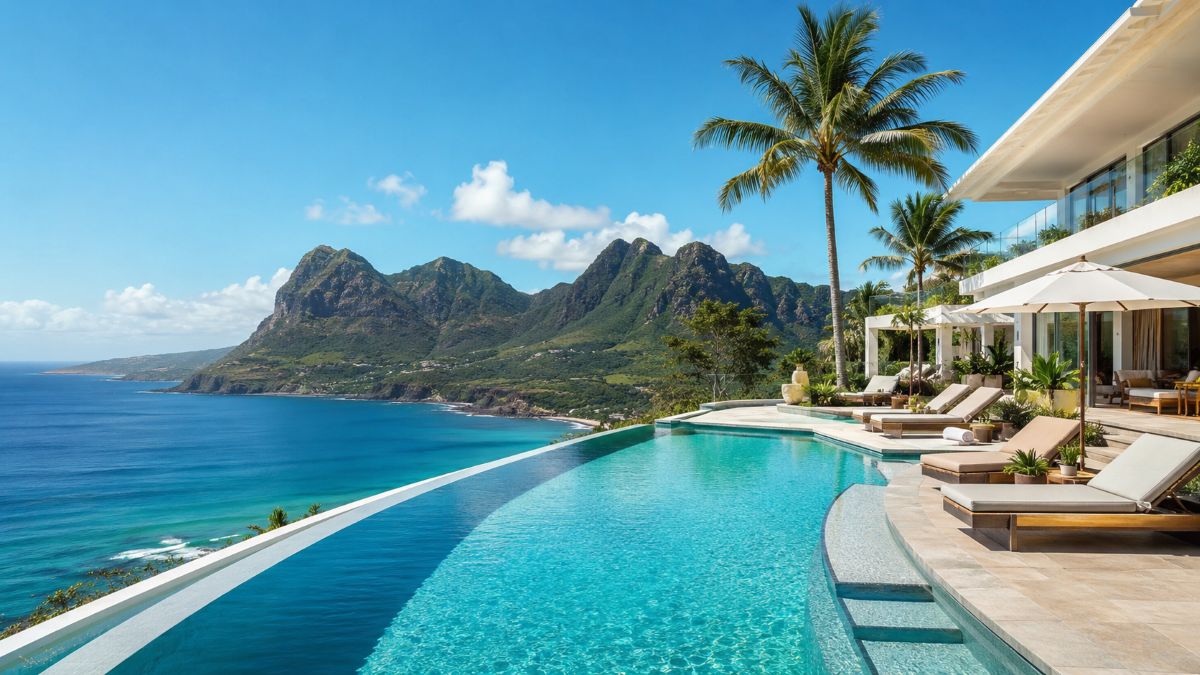
Image generated with Ai
Italy continues to strengthen its appeal as a European city-break destination, with Verona offering travellers an attractive alternative to the country’s better-known urban centres. The historic city on the Adige River combines Roman monuments, medieval architecture, Renaissance art, culinary traditions and the enduring romance associated with Shakespeare’s Romeo and Juliet. Its compact historic centre also makes it particularly suitable for a long weekend, allowing visitors to experience major cultural attractions without the logistical demands of a larger Italian itinerary. Verona’s position in the Veneto region adds another advantage, placing vineyards, countryside and Lake Garda within easy reach for travellers who want to combine heritage with outdoor experiences.
A three-day visit can comfortably encompass the city’s principal landmarks while leaving time for food, shopping and evening entertainment. Travellers can begin with panoramic views from Castel San Pietro before exploring the Roman Theatre, Ponte Pietra, Verona Cathedral and Piazza delle Erbe. The Arena di Verona provides a distinctive cultural experience, particularly during its summer performance season, while the surrounding streets reveal cafés, independent shops and local restaurants. The city’s rail connection also makes it practical for travellers arriving from Venice, while Verona Villafranca Airport provides another gateway. Together, accessibility, cultural depth and proximity to nature make Verona a compelling choice for an extended weekend in Italy.
Advertisement
Verona’s greatest strength for short-break travellers is the concentration of attractions within and around its historic centre. The city is recognised as a UNESCO World Heritage site, reflecting layers of Roman, medieval and Renaissance development. Visitors do not need to spend hours travelling between distant districts to experience its principal sights, making the destination especially appealing to travellers with only two or three full days.
The experience can begin at Castel San Pietro, where elevated views reveal the Adige River, historic rooftops and surrounding hills. Travellers can reach the viewpoint using the funicular or climb the steps for a more active introduction to the city. Nearby, the Archaeological Museum at the Roman Theatre provides insight into Verona’s ancient past before visitors cross Ponte Pietra towards the historic quarter.
Advertisement
The cathedral complex and Basilica di Santa Anastasia demonstrate the city’s religious and artistic heritage, while Piazza delle Erbe provides a natural pause between sightseeing stops. From there, visitors can continue towards Torre dei Lamberti for expansive views before exploring Casa di Giulietta, one of Verona’s most recognisable attractions.
Verona’s cultural identity is strongly connected with both ancient Rome and the literary world of Shakespeare. The Roman Arena remains one of the city’s defining landmarks, offering visitors a tangible connection with the ancient past while continuing to function as a major performance venue.
The Arena’s scale and setting distinguish it from conventional concert halls. During the summer season, performances beneath the evening sky transform the historic structure into an atmospheric cultural venue. Opera is particularly associated with the Arena, although other performances can also feature in the programme. Travellers planning a weekend around a performance should check the programme and ticket availability before departure.
Casa di Giulietta attracts visitors for a very different reason. Associated with Shakespeare’s Juliet, the site has become a symbol of romantic tourism. Although the historical connection between the building and Shakespeare’s fictional character is not genuine, the attraction remains an important part of Verona’s visitor experience.
The contrast between the Arena’s Roman history and Juliet’s literary mythology gives Verona a distinctive travel narrative. Few European city breaks combine archaeological heritage and global literary romance so closely within a compact urban environment.
| Day | Main Experience | Suggested Highlights | Travel Focus |
|---|---|---|---|
| Day 1 | Historic Verona | Castel San Pietro, Roman Theatre, Duomo, Piazza delle Erbe, Juliet’s House and Arena | Heritage and culture |
| Day 2 | Countryside And Nature | Val Borago, Valpolicella, Soave or Lake Garda | Outdoor travel and wine |
| Day 3 | Art And Shopping | Galleria d’Arte Moderna, Via Mazzini and Castelvecchio | Art, fashion and local life |
The first day is best devoted to Verona’s central attractions. Starting early helps travellers make the most of the historic district before the busiest periods around popular landmarks. After visiting the eastern side of the old city, visitors can spend the afternoon around Piazza delle Erbe, Torre dei Lamberti, Casa di Giulietta and Piazza Brà.
The second day provides an opportunity to move beyond the urban centre. Verona’s surrounding landscape includes vineyards, olive groves, wooded hills and rural estates. Walking routes such as the Val Borago trail provide an active alternative to conventional sightseeing. Travellers who prefer cycling can consider an e-bike excursion, particularly because the surrounding terrain can become demanding on a standard bicycle.
Lake Garda is another appealing option, offering lakeside scenery, cycling opportunities and swimming during suitable weather. Wine enthusiasts can instead explore the Valpolicella or Soave areas, where vineyard landscapes provide a natural extension to Verona’s gastronomic identity.
The third day can take a slower pace. Visitors can explore modern and historic art collections, wander along Corso Porta Borsari and Via Mazzini, and investigate smaller boutiques away from the busiest shopping streets. Castelvecchio offers another opportunity to explore medieval architecture alongside works associated with the artistic traditions of Verona and the wider Veneto region.
Verona’s location in Veneto places food firmly within the city-break experience. Travellers can move between casual osterie, cafés, pastry shops, wine-focused establishments and more formal restaurants, creating opportunities to experience different levels of local dining.
A traditional Italian breakfast of coffee and cornetto is a practical way to begin a sightseeing day, while an extended lunch around Piazza delle Erbe can provide a slower introduction to the city’s social rhythm. Visitors interested in regional produce can also explore local markets and shops for snacks and ingredients.
The surrounding wine areas further strengthen Verona’s appeal. Valpolicella and Soave provide opportunities to connect the urban experience with vineyard landscapes and regional wine culture. Rural agriturismi can also combine food, scenery and hospitality, giving travellers an alternative to remaining within the city centre throughout the weekend.
Evenings offer another dimension. Dining can be followed by live music, cocktails or a performance at the Arena. This combination allows visitors to experience Verona after the daytime sightseeing crowds have diminished.
Accessibility is central to Verona’s suitability for short breaks. Verona Porta Nuova railway station provides an important transport connection, while Venice can be reached by train in roughly an hour and a quarter under suitable services. This makes Verona both a standalone destination and a possible alternative base for travellers incorporating Venice into a wider Italian itinerary.
Verona Villafranca Airport is located outside the city, with shuttle services connecting the airport to the main railway station. From Porta Nuova, the historic centre can be reached on foot or by local public transport.
Once inside the historic district, walking is generally one of the most effective ways to explore. Visitors should nevertheless expect substantial time on their feet, particularly when combining viewpoints, churches, museums and shopping streets. Comfortable footwear is therefore more valuable than elaborate luggage for a three-day itinerary.
Travellers should consider the season when planning a Verona weekend. Summer brings the possibility of open-air performances at the Arena, while warmer conditions also make excursions into the surrounding countryside attractive. Peak periods can produce heavier visitor concentrations around Casa di Giulietta and other headline attractions.
Advance planning is particularly useful for popular cultural performances and higher-end restaurants. Travellers should also check opening days for museums, shops and attractions because schedules can vary by season and day of the week.
Accommodation choices range from hostels and historic neighbourhood properties to rural stays and luxury hotels. Staying within or close to the historic centre can reduce transport time, while an agriturismo outside the city provides a quieter setting and easier access to the countryside.
Verona’s appeal lies in the way several travel experiences fit together without requiring a lengthy journey. A visitor can begin with Roman archaeology, move through medieval and Renaissance architecture, encounter Shakespearean romance, enjoy Veneto cuisine and finish the evening at a historic performance venue.
The city also provides flexibility. Travellers seeking culture can prioritise museums, churches and monuments. Outdoor enthusiasts can use the destination as a starting point for hills, vineyards or Lake Garda. Food and wine travellers can extend their experience into the surrounding countryside, while shoppers can explore both established streets and smaller independent boutiques.
For international visitors searching for an Italian weekend away, Verona therefore offers a persuasive balance of accessibility, heritage, scenery, gastronomy and entertainment. Its proximity to Venice adds further strategic value, but the city’s strongest argument is that it does not need to rely on its more famous neighbour. Verona stands confidently as a destination in its own right.
1. Is Verona suitable for a long weekend?
Yes. Verona’s historic centre is compact and walkable, allowing travellers to experience major landmarks, museums, restaurants and shopping areas within three days.
2. How many days are enough for Verona?
Three days provide a strong introduction to the city while allowing time for a countryside or Lake Garda excursion.
3. What is Verona best known for?
Verona is known for its Roman Arena, Shakespeare’s Romeo and Juliet connection, historic architecture, art, food and its location in the Veneto region.
4. Can visitors walk around Verona?
Yes. Much of the historic centre can be explored on foot, although comfortable shoes are recommended because sightseeing involves considerable walking.
5. Is the Arena di Verona worth visiting?
Yes. The Roman amphitheatre is a major historical attraction and can also host spectacular performances, particularly during the summer season.
6. Can Verona be combined with Venice?
Yes. Verona has strong rail connections and can be incorporated into an itinerary that also includes Venice and other northern Italian destinations.
7. What can travellers do outside Verona?
Visitors can explore Val Borago, Valpolicella, Soave and Lake Garda, with opportunities for hiking, cycling, swimming and wine experiences.
8. Is Juliet’s House historically authentic?
The building is associated with the Juliet legend but is not historically proven to have belonged to Shakespeare’s fictional character.
9. What should travellers pack for Verona?
Comfortable walking shoes are essential. Seasonal clothing is also advisable, particularly for visitors planning outdoor activities or evening performances.
10. Why should travellers choose Verona instead of a larger Italian city?
Verona offers a concentrated mix of Roman history, Renaissance culture, romance, gastronomy, shopping and outdoor access, making it particularly efficient for a short European escape.
Advertisement
Advertisement
Advertisement












Wednesday, September 2, 2026
Wednesday, September 2, 2026

Wednesday, September 2, 2026

Wednesday, September 2, 2026

Wednesday, September 2, 2026
Tuesday, September 1, 2026
Wednesday, September 2, 2026

Wednesday, September 2, 2026