
Australia Aligns New Zealand as Flight Capacity Reductions Hit 10% Leaving Passengers in Jeopardy Amid 2026 Aviation Crisis

Published
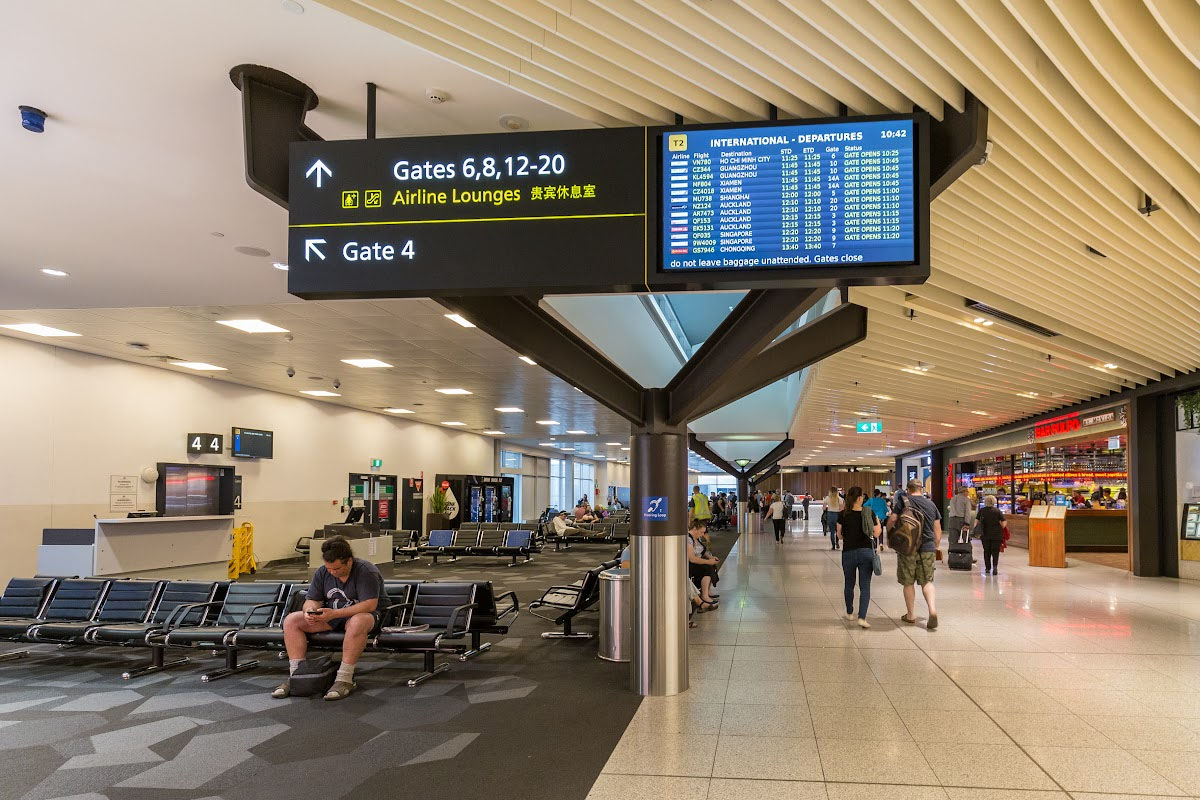
The aviation sector across Oceania is experiencing unprecedented turbulence, with official government and airline reports confirming sweeping Australia New Zealand flight capacity reductions of ten per cent, effective October 2026. Stemming from prolonged global fuel shortages and escalating geopolitical tensions, these targeted domestic and trans-Tasman schedule cuts aim to stabilise struggling airline operational costs. Qantas, Jetstar, Virgin Australia, and Air New Zealand have heavily altered their flight schedules, dramatically affecting millions of passengers. This drastic reduction will inevitably trigger significant economic and tourism challenges across both nations. Consequently, travellers must navigate increased fares, restricted availability, and sweeping route modifications immediately.
Post-Pandemic Recovery and the Emerging Fuel Dilemma
The robust resurgence of travel demand following the global pandemic painted an initially optimistic picture for Oceania’s aviation sector. However, systemic vulnerabilities have rapidly emerged throughout 2026, leading to the current operational crisis. While passenger volumes initially surged, airline operational frameworks struggled to match this accelerated pace due to compounding structural deficiencies. The primary catalyst driving the Australia New Zealand flight capacity reductions is the unprecedented volatility within global aviation fuel markets. As supply chains experienced extreme strain from international sanctions and refining bottlenecks, fuel costs skyrocketed.
For carriers like Qantas and Air New Zealand, jet fuel traditionally constitutes one of the largest fixed operational expenses. Official financial disclosures released throughout mid-2026 revealed that fuel expenditures had surged significantly above initial projections, forcing executive boards to rethink their growth strategies. The inability to sustainably absorb these surging fuel prices meant that the financial burden had to be offset through direct capacity adjustments. Consequently, instead of expanding networks to meet public demand, airlines initiated strategic contractions to safeguard long-term financial viability. This strategic pivot laid the inevitable groundwork for the sweeping 10% reduction that currently characterises the Oceania aviation landscape.
Advertisement
Advertisement
Geopolitical Instability and the Middle East Cascade Effect
Beyond domestic constraints, severe geopolitical instability has profoundly exacerbated Oceania’s aviation challenges. The Middle East airspace diversions, which escalated dramatically in early 2026, forced airlines to drastically alter traditional long-haul flight paths. Because European and Middle Eastern connections are vital for the Trans-Tasman and Australian international market, these diversions introduced severe logistical complications. Flights were forced into longer Indian Ocean routings, adding approximately 5% to the monthly fuel bills of major carriers operating these sectors.
Advertisement
Advertisement
These extended flight durations not only consumed significantly more fuel but also disrupted intricate crew scheduling and aircraft turnaround times. The resulting operational inefficiencies cascaded through the network, stripping away the essential scheduling slack required to absorb routine daily disruptions. When an aircraft is delayed on a rerouted international leg, its subsequent domestic assignments in Sydney, Melbourne, or Auckland face inevitable cancellations. This “cascade effect” became a primary driver behind the Australia New Zealand flight capacity reductions, as airlines systematically pruned their schedules to create a more resilient, albeit smaller, operational buffer.
Unpacking the 10% Australia New Zealand Flight Capacity Reductions
Advertisement
Advertisement
Qantas Group Strategic Adjustments and Domestic Constraints
As Australia’s flag carrier, the Qantas Group’s response to the 2026 fuel and operational crisis has been both aggressive and strictly calculated. Verified reports confirm that Qantas has implemented sweeping capacity trims, dropping its domestic capacity by noticeable margins in response to surging fuel bills. These strategic adjustments are explicitly designed to consolidate resources on highly profitable trunk routes while sacrificing lower-yield regional connections. Routes previously connecting major hubs to regional centres, such as the Adelaide to Mount Gambier service, have been suspended indefinitely.
Furthermore, the airline group has deliberately deferred capital expenditures, navigating a delicate balance between cost control and service delivery. The reduction in Qantas flights directly contributes to the overarching Australia New Zealand flight capacity reductions, leaving regional passengers with vastly limited options. Business travellers, who heavily rely on high-frequency schedules between Sydney, Melbourne, and Brisbane, now face tightly congested flights, premium pricing, and significantly reduced flexibility for same-day travel alterations.
Jetstar’s Aggressive Capacity Trims and Network Restructuring
Advertisement
Advertisement
Jetstar, the low-cost subsidiary of the Qantas Group, has undertaken some of the most aggressive network restructuring observed during the 2026 crisis. Operating on tighter margins than its premium counterpart, Jetstar was acutely vulnerable to the fuel price surge. Official data highlights a staggering 12% cut in Jetstar’s trans-Tasman capacity, alongside notable domestic trims. These reductions drastically affected key leisure corridors, including heavily trafficked routes from the Gold Coast to Auckland, Christchurch, and Queenstown.
Domestically, Jetstar’s network consolidation targeted major trunk routes. The Brisbane to Sydney and Brisbane to Melbourne corridors saw notable frequency reductions, while regional leisure markets like the Sunshine Coast to Cairns faced explicit service cuts. By stripping away these frequencies, Jetstar successfully mitigated its exposure to volatile spot fuel prices, but inadvertently amplified the Australia New Zealand flight capacity reductions. For budget-conscious travellers, these adjustments translate to reduced availability, steeper base fares, and an increased likelihood of disruptive last-minute cancellations due to lack of alternative seating.
Air New Zealand’s Unprecedented Schedule Overhaul
Air New Zealand has confronted severe operational headwinds throughout 2026, culminating in a massive schedule overhaul to conserve fuel and stabilise operating costs. Earlier in the year, the national carrier was forced to cancel over 1,100 flights, affecting approximately 44,000 passengers. This initial shockwave paved the way for the sustained capacity constraints formalised by October 2026. The airline strategically reduced rotations on vital domestic sectors, including the Auckland–Christchurch and Wellington–Christchurch routes.
While major long-haul routes were not permanently removed, the airline implemented rigorous frequency consolidation, treating the schedule adjustments as necessary business practice in an era of extraordinary oil price volatility. These Australia New Zealand flight capacity reductions ensure Air New Zealand can maintain profitability, yet they heavily restrict passenger mobility. Passengers navigating the New Zealand domestic network now encounter fewer daily flight options, forcing tighter connections and elevated fares, particularly during peak business hours and holiday periods.
Virgin Australia’s Defensive Network Consolidation
Advertisement
Advertisement
Virgin Australia’s approach to the 2026 capacity crisis has been characterised by defensive network consolidation and targeted route suspensions. Faced with some of the highest delay rates in the country earlier in the year, the airline rapidly pivoted to stabilise its core operational grid. This involved heavily restricting its international footprint, notably delaying the full resumption of crucial Middle Eastern transit routes via partner airlines.
Domestically, Virgin Australia has focused heavily on protecting its most profitable east-coast corridors, yet it could not escape the broader industry mandate to slash capacity. By reducing the frequency of its flights, Virgin Australia directly contributed to the overarching Australia New Zealand flight capacity reductions. The airline has urged consumers to book well in advance and prepare for elevated airfares, reflecting a new industry standard where operational reliability takes absolute precedence over network expansion.
Latest Official Developments and Government Announcements
The Australian Competition and Consumer Commission (ACCC) Directives
In response to the severe Australia New Zealand flight capacity reductions, the Australian Competition and Consumer Commission (ACCC) has significantly escalated its regulatory oversight of the aviation sector. Recognising the intense strain placed on consumers by widespread delays and cancellations, the ACCC introduced enhanced monitoring protocols to ensure airlines comply strictly with the Australian Consumer Law. The regulatory body has actively investigated airline refund practices, aiming to prevent carriers from unfairly withholding passenger funds during structural capacity cuts.
Furthermore, the crisis has accelerated parliamentary action, notably the introduction of comprehensive Aviation Consumer Protection bills. These legislative frameworks are designed to mandate clearer compensation guidelines for passengers affected by airline-controlled cancellations. The ACCC’s proactive stance underscores the Australian government’s commitment to shielding the public from the economic fallout of the airlines’ operational consolidations, ensuring that the burden of the 10% capacity reduction is not entirely shouldered by everyday travellers.
Advertisement
Advertisement
New Zealand’s Ministry of Transport and Consumer Rights Adjustments
Mirroring the regulatory shifts in Australia, New Zealand’s Ministry of Transport has rigorously engaged with the aviation crisis to safeguard passenger rights. Under the Consumer Guarantees Act, the New Zealand government has continuously monitored Air New Zealand’s compliance regarding passenger rebooking and refund issuance. As the Australia New Zealand flight capacity reductions deepened into October 2026, official government advisories explicitly urged travellers to thoroughly review airline cancellation policies before purchasing tickets.
The Ministry has actively sought assurances from airline executives that these severe schedule cuts remain a temporary response to fuel volatility, rather than a permanent restructuring of regional connectivity. By maintaining open dialogues with aviation leaders, the New Zealand government aims to ensure that essential domestic corridors, especially those linking the South Island to major northern hubs, receive priority restoration once global fuel markets eventually stabilise.
Trans-Tasman Bi-Lateral Aviation Discussions
The highly integrated nature of the Australian and New Zealand economies necessitates a cooperative bilateral approach to aviation governance. The Australia New Zealand flight capacity reductions have prompted high-level discussions between the respective transport ministries to mitigate the economic damage inflicted on the trans-Tasman corridor. Historically one of the busiest international air routes globally, the trans-Tasman market has suffered disproportionately from the 12% capacity trims implemented by budget carriers.
Official negotiations have focused on maintaining essential freight and passenger links to support bilateral trade and tourism. Both governments have explored the feasibility of targeted subsidies for critical routes, alongside coordinated infrastructure investments aimed at enhancing airport efficiency. These bilateral discussions represent a vital strategic effort to preserve the fundamental economic ties between the two nations despite the severe logistical constraints imposed by the airlines’ unified capacity reductions.
Advertisement
Advertisement
Comprehensive Statistical Breakdown of the October 2026 Reductions
Seat Availability and Pricing Surges
The statistical reality of the 10% Australia New Zealand flight capacity reductions paints a stark picture for consumer economics. By removing one in ten available seats from the regional market, airlines have created an artificial scarcity that has drastically driven up ticket prices. Official industry data indicates that fares on international and trans-Tasman services have surged by 10% to 15% compared to the previous year.
Domestic markets are similarly affected. Mid-week business fares between Sydney and Melbourne, or Auckland and Wellington, have reached unprecedented highs as corporate travellers compete for a shrinking pool of seats. Furthermore, the availability of discounted leisure fares has plummeted, severely limiting spontaneous travel. Airlines are successfully yielding higher revenue per available seat mile (RASM), confirming that the capacity reductions are effectively achieving their primary financial objective: protecting airline margins at the direct expense of consumer affordability.
Domestic Route Terminations and Adjustments
A granular analysis of the Australia New Zealand flight capacity reductions reveals severe structural alterations to the regional aviation map. In Australia, the cuts are heavily concentrated on Brisbane trunk routes and vital regional leisure markets. Jetstar’s significant reductions on the Brisbane–Sydney and Brisbane–Melbourne rotations reflect a strategic retreat from high-frequency scheduling. Additionally, Qantas’ indefinite suspension of routes like Adelaide–Mount Gambier illustrates the immediate vulnerability of regional hubs.
Advertisement
Advertisement
In New Zealand, the capacity adjustments have heavily impacted the primary inter-city network. The loss of dozens of monthly rotations between Auckland, Wellington, and Christchurch restricts the fundamental flow of domestic commerce and tourism. While some smaller regional ports have temporarily avoided the chopping block, the overarching reduction in core trunk capacity creates significant bottlenecks, resulting in extended transit times and heightened logistical complexity for passengers traversing both nations.
Policy Implications for Oceania’s Transport Infrastructure
Proposed Aviation Consumer Protection Bills
The prolonged nature of the Australia New Zealand flight capacity reductions has exposed critical gaps in existing consumer protection legislation. In response, the Australian Parliament has actively advanced Aviation Consumer Protection bills aimed at establishing a dedicated aviation ombudsman. This proposed regulatory body would wield the authority to enforce mandatory compensation for passengers subjected to significant airline-initiated disruptions, aligning local standards more closely with robust European frameworks.
New Zealand consumer advocacy groups are similarly pushing for legislative enhancements to the existing Consumer Guarantees Act. By mandating stricter penalties for operational mismanagement, policymakers aim to disincentivise airlines from treating schedule cuts as a standard financial buffer. These policy shifts represent a fundamental transformation in how Oceania governs its aviation sector, transitioning from a heavily deregulated market toward a more stringently monitored framework prioritising consumer stability.
Investment in Sustainable Aviation Fuel (SAF)
Advertisement
Advertisement
Recognising that the current Australia New Zealand flight capacity reductions are inherently tied to fossil fuel market volatility, both governments have dramatically accelerated their policy commitments to Sustainable Aviation Fuel (SAF). Official policy mandates introduced in late 2026 highlight a strategic pivot toward domestic SAF production facilities. By subsidising the development of biofuel refineries in Queensland and the North Island, policymakers aim to decouple the region’s aviation sector from unpredictable international oil markets.
Airlines are actively collaborating with government entities to establish long-term SAF procurement contracts. While SAF currently remains more expensive than traditional jet fuel, large-scale domestic production is projected to significantly lower costs by the end of the decade. This policy direction represents the most viable long-term solution to the capacity crisis, offering a sustainable pathway to restore the 10% capacity deficit without exposing carriers to catastrophic financial risk.
Severe Industry Impact on Tourism and Hospitality
Hotel Occupancy Rates and Accommodation Challenges
The ripple effects of the Australia New Zealand flight capacity reductions have struck the tourism and hospitality sectors with devastating precision. With 10% fewer passengers arriving at major domestic and international airports, regional hotel occupancy rates have experienced a proportional decline. Establishments heavily reliant on weekend leisure travel and short-term corporate stays report significant revenue contractions, forcing many operators to implement hiring freezes or reduce operational hours.
The accommodation sector in critical tourist hubs, such as Queenstown, the Gold Coast, and Cairns, has been acutely affected by the reduction in budget carrier frequencies. To combat the downturn, leading hotel chains are heavily modifying their marketing strategies, pivoting toward extended-stay packages and hyper-local drive tourism. However, official tourism statistics verify that these domestic shifts cannot fully replace the economic velocity traditionally generated by robust, high-frequency aviation networks.
Advertisement
Advertisement
Tour Operators and the Domestic Tourism Squeeze
Local tour operators, particularly those operating in geographically isolated regions, face an existential threat stemming directly from the Australia New Zealand flight capacity reductions. Reduced flight frequencies translate seamlessly to smaller tour groups, diminished advanced bookings, and an inability to reliably forecast seasonal revenue. Operators facilitating Great Barrier Reef excursions, Milford Sound cruises, and Outback outfitting have officially reported a distinct drop in forward bookings for the 2026/2027 summer season.
National tourism boards are urgently deploying crisis marketing funds to stimulate domestic engagement. However, the high cost of domestic airfares naturally limits the effectiveness of these campaigns. Small to medium-sized tourism enterprises are disproportionately bearing the economic brunt of the airlines’ fiscal conservatism, prompting urgent calls for targeted government relief packages to sustain the industry until aviation capacity is safely restored.
Sweeping Economic Implications for Australia and New Zealand
GDP Impacts and Regional Job Markets
Aviation serves as the vital circulatory system for Oceania’s economy; therefore, a sudden 10% constriction inevitably impacts national GDP. Economic analysts project that the Australia New Zealand flight capacity reductions will strip billions in projected revenue from the broader regional economy by the end of 2026. The immediate loss of direct aviation jobs—spanning ground crews, catering contractors, and retail airport staff—represents merely the surface of the economic damage.
Advertisement
Advertisement
Regional job markets, explicitly tied to the steady influx of business and leisure travellers, are experiencing noticeable stagnation. Municipalities that have heavily invested in airport expansion projects now face heavily delayed returns on their infrastructure investments. The overarching economic narrative dictates that until structural fuel costs stabilise, both Australia and New Zealand will suffer a measurable dampening of their overall economic growth trajectories due to these prolonged logistical constraints.
Air Freight and Supply Chain Stagnation
While passenger disruptions dominate the public discourse, the Australia New Zealand flight capacity reductions have severely crippled regional air freight capabilities. The vast majority of domestic air cargo is transported within the “belly hold” of commercial passenger aircraft. By slashing 10% of these flights, airlines have inadvertently removed a massive volume of freight capacity from the supply chain, triggering widespread logistical bottlenecks for time-sensitive goods.
Industries reliant on rapid transit—including pharmaceuticals, fresh agricultural exports, and e-commerce fulfilment—are facing unprecedented delays and soaring transport tariffs. New Zealand’s high-value seafood and agricultural exports, deeply dependent on trans-Tasman and international passenger flights, are acutely vulnerable to these schedule cuts. Consequently, businesses are forced to transition toward slower maritime freight or absorb exorbitant dedicated air-freight costs, inflationary pressures that are inevitably passed directly to the consumer.
The Public Toll: Navigating Disruptions as a Passenger
Rebooking Processes, Credit Vouchers, and Consumer Rights
Advertisement
Advertisement
For the general public, the primary manifestation of the Australia New Zealand flight capacity reductions is the intense frustration of navigating cancelled itineraries. With significantly less scheduling slack available, a single cancelled flight in October 2026 frequently results in multi-day delays, as subsequent flights are already booked to maximum capacity. Passengers are forced to familiarise themselves intimately with their respective consumer rights, heavily relying on the ACCC and the Consumer Guarantees Act to enforce fair rebooking practices.
Airlines have predominantly leaned on issuing flight credits rather than immediate cash refunds, a practice that has drawn intense public and regulatory scrutiny. Consumer advocacy groups explicitly advise travellers to purchase comprehensive travel insurance that covers airline-initiated cancellations, as standard carrier policies frequently exempt “events outside the airline’s control,” such as fuel crises and airspace diversions.
The Shift to Alternative Regional Transportation
The sheer unreliability of the regional aviation network has sparked a noticeable public pivot toward alternative modes of transportation. In Australia, interstate rail services and long-haul commercial bus networks have reported a sharp uptick in ridership, particularly along the densely populated east coast corridors linking Sydney, Canberra, and Melbourne. While considerably slower, these ground transport options provide a level of schedule certainty currently absent from the aviation sector.
In New Zealand, the inter-island ferry services crossing the Cook Strait have experienced unprecedented demand, absorbing the overflow from reduced Wellington-to-Christchurch flight frequencies. This shift underscores a broader behavioural adaptation among Oceania’s travellers, who are increasingly prioritising logistical reliability over sheer speed in response to the sweeping Australia New Zealand flight capacity reductions.
Official Statements and Expert Analysis
Advertisement
Advertisement
Perspectives from the International Air Transport Association (IATA)
The International Air Transport Association (IATA) has closely monitored the unfolding crisis in Oceania, issuing several official statements regarding the Australia New Zealand flight capacity reductions. IATA officially acknowledges that airlines in the region are operating under “extraordinary fiscal duress” driven by systemic fuel supply chain fractures. The association maintains that capacity rationalisation is a standard, globally recognised strategy to preserve baseline operational integrity during periods of extreme market volatility.
However, IATA experts also warn that prolonged capacity cuts severely risk permanently degrading the region’s global connectivity. They advocate for immediate, coordinated governmental intervention to stabilise local fuel refining capabilities and reduce the punitive taxation frequently levied on aviation operations. IATA’s official stance validates the airlines’ strategic contractions while urgently calling for macroeconomic solutions to facilitate eventual capacity restoration.
Guidance from the Oceania Tourism Boards
Tourism Australia and Tourism New Zealand have issued joint advisories guiding both domestic and international travellers through the complex landscape created by the Australia New Zealand flight capacity reductions. Officially, the tourism boards are urging prospective visitors to engage in advanced planning, advising that mid-week travel currently offers the highest reliability and most competitive pricing structures.
Furthermore, the boards emphasise the resilience of the local tourism industry, heavily promoting ground-based regional itineraries that minimise reliance on domestic air travel. While acknowledging the severe difficulties posed by the 10% capacity drop, official government tourism statements remain outwardly optimistic, framing the current crisis as a temporary transitional period requiring patience, flexibility, and strategic adaptation from the travelling public.
Advertisement
Advertisement
Future Outlook: Navigating 2027 and Beyond
As 2026 draws to a close, the overarching question surrounding the 10% Australia New Zealand flight capacity reductions is one of longevity. Official airline market updates project that seat availability will remain incredibly tight through at least the first two quarters of 2027. Assuming global jet fuel prices stabilise and geopolitical airspace restrictions begin to ease, carriers aim to execute a phased, highly cautious restoration of capacity. However, this recovery will likely prioritise high-yield corporate routes over budget leisure corridors.
The permanent legacy of this aviation crisis will be a fundamentally restructured market. Travellers must acclimatise to a baseline reality of higher structural airfares and reduced domestic frequencies. Simultaneously, the crisis has undeniably accelerated the political and financial imperative to transition Oceania toward sustainable aviation fuels. While the immediate logistical and economic impacts of the current capacity reductions remain severe, they have decisively catalysed the necessary structural reforms required to build a more resilient, robust, and consumer-focused aviation network for Australia and New Zealand in the decade to come.
Advertisement
