
Syria and Saudi Arabia Form Historic Partnership to Revolutionize Middle Eastern Tourism Digitization

Published
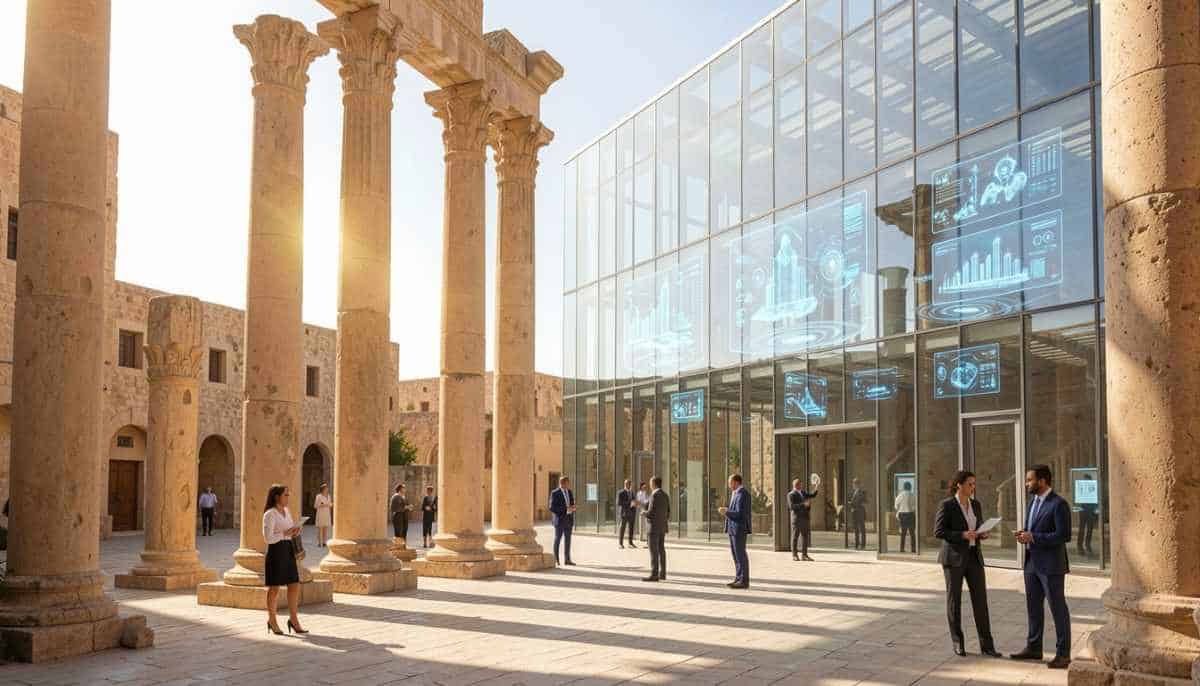
Image generated with Ai
The contemporary landscape of travel and tourism is undergoing an unprecedented digital renaissance, where historical heritage must seamlessly intersect with cutting-edge technological infrastructure. Within this evolving framework, critical strategic measures are being implemented across West Asia to revitalize dormant or transitioning markets. Travellers, industry stakeholders, and regional analysts are closely monitoring these developments as institutional frameworks adapt to modern global standards. Understanding these systemic shifts is paramount for anyone invested in the future of Mediterranean and Levantine cultural economies, ensuring that informed decisions can be made regarding upcoming travel trends, investments, and destination management.
Furthermore, global tourism paradigms have shifted decisively toward digital-first interactions, making foundational technological upgrades an absolute prerequisite for market entry and sustained relevance. As international tourists increasingly demand frictionless booking experiences, real-time itinerary updates, and transparent destination data, emerging destinations must modernize rapidly to bridge existing structural gaps. This comprehensive transition is not merely a matter of convenience; it represents an essential survival mechanism for regional economies seeking to capture a lucrative share of the post-pandemic and post-conflict global travel market.
Advertisement
Advertisement
At the centre of this monumental transformation, Syria’s Ministry of Tourism has officially signed a landmark strategic memorandum of understanding (MoU) with three premier Saudi technology firms: Tamkeen, Cipher, and Hawaz. This high-profile agreement is purposefully designed to accelerate the digital transformation of the country’s tourism sector, significantly enhancing its overall competitiveness within both regional and international markets. Rather than merely focusing on superficial administrative reforms, the cooperative initiative aims to deeply improve visitor services, strengthen institutional performance, and firmly support advanced data-driven tourism planning across all administrative levels.
Understanding the Digital Overhaul: People Also Ask
- 1. What are the primary objectives of the Syria-Saudi tourism technology agreement? The primary objectives centre on modernizing the national tourism framework through a fully integrated digital ecosystem. This includes upgrading visitor experience touchpoints, streamlining bureaucratic institutional workflows, and implementing robust data analytics for strategic planning.
- 2. Which Saudi technology firms are partnering with the Syrian Ministry of Tourism? The strategic partnership formally involves three distinguished Saudi technology entities: Tamkeen, Cipher, and Hawaz, each contributing specialized expertise in digital infrastructure and software solutions.
- 3. How will this digitization initiative impact international and regional travellers? Travelers will experience enhanced digital accessibility, streamlined booking and navigation services, improved destination transparency, and higher standards of institutional hospitality management.
Strategic Pillars of the Modernization Framework
The partnership is structured around a comprehensive long-term strategy intended to modernise the entire tourism sector through a fully integrated digital ecosystem. Decades of traditional administrative bottlenecks have historically constrained regional tourism potential; thus, migrating to automated, cloud-based, and interconnected digital architectures is recognized as an absolute necessity. Institutional performance is evaluated continually, and the deployment of advanced software solutions by Tamkeen, Cipher, and Hawaz is expected to bridge critical technological gaps.
Advertisement
Advertisement
Furthermore, data-driven tourism planning is being prioritized to replace intuition with empirical evidence. By leveraging real-time analytics regarding visitor flows, seasonal demand fluctuations, and infrastructural stress points, regional authorities can allocate resources with precision. This analytical approach ensures sustainable growth, protecting delicate archaeological and cultural heritage sites while simultaneously maximizing economic yield for local communities. By monitoring visitor densities across vulnerable historic monuments, planners can implement dynamic capacity caps, preventing physical degradation while optimizing visitor satisfaction.
Elevating Regional Competitiveness and Institutional Excellence
To successfully compete in international markets, destination management must transcend basic promotional campaigns. It requires a resilient backend infrastructure that guarantees operational transparency, security, and efficiency. Through this trilateral-bifurcated Saudi technological collaboration, Syrian tourism assets are being repositioned for global visibility. Digital platforms are being engineered to facilitate seamless cross-border marketing, digital payment integration, and interactive virtual visitor guides.
Advertisement
Advertisement
Moreover, modernizing the tourism backend allows for streamlined visa processing, secure digital identity verification, and multi-language support systems that cater to diverse international demographics. These technological layers reduce friction points at every stage of the traveller’s journey, from initial dream-phase inspiration down to post-trip feedback collection and loyalty engagement.
Institutional performance is similarly undergoing rigorous enhancement. Staff training programmes, automated licensing processes for hospitality operators, and centralized feedback mechanisms are being embedded into the new digital framework. These upgrades ensure that administrative accountability is maintained, fostering an environment of trust and reliability that appeals to international tourists seeking authentic yet professionally managed travel experiences. Regulatory compliance becomes transparent and verifiable, encouraging foreign direct investment into hotels, transport networks, and leisure facilities.
Future Outlook for Levantine Heritage Tourism
As implementation phases commence, the long-term viability of the tourism sector will depend on the consistent execution of these technological mandates. The convergence of Saudi technological prowess and Syrian cultural heritage heralds a new era of regional cooperation. Industry experts project that as these digital ecosystems mature, visitor satisfaction metrics will rise proportionally, setting a new benchmark for post-conflict destination recovery and sustainable tourism development across the Middle East.
Ultimately, this visionary partnership sets a powerful precedent for how cross-border technological alliances can breathe new life into ancient cultural hubs. By embracing smart tourism initiatives, regional stakeholders are ensuring that magnificent historical legacies are preserved, celebrated, and securely shared with future generations of global explorers.
Advertisement
