
Greece Leads a Powerful 2026 Travel Transformation as Ferry Travel Surges Across the Islands, Redefining Budget Island Hopping, Flexible Summer Mobility and Experiential Sea Journeys for a New Generation of Holidaymakers

Published
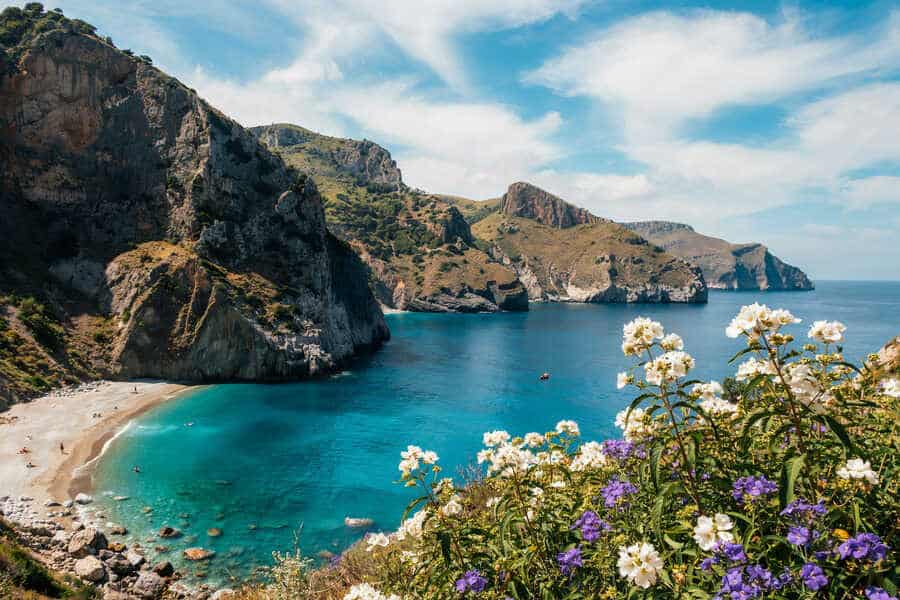
The surge in ferry-based island hopping across Greece is reshaping summer travel in 2026 as travellers increasingly prioritise flexible, budget-friendly and experience-led journeys over traditional flight routes. This shift is being driven by the country’s dense inter-island ferry network, affordable micro-routes and rising demand for customised multi-island itineraries, where the journey itself becomes an integral part of the holiday experience. As a result, Greece is positioning itself at the centre of a new Mediterranean travel model that blends accessibility, independence and immersive coastal exploration across both iconic and lesser-known islands.
Greece is emerging as one of the most influential travel forces of 2026 as ferry-based tourism reshapes how travellers explore the Mediterranean. A growing shift away from conventional short-haul flights is accelerating a new era of sea mobility, where journeys between islands are becoming as meaningful as the destinations themselves. Across the Aegean Sea, ferry networks are no longer viewed as simple transport links but as a core part of the travel experience.
This transformation is being driven by increasing demand for flexibility, affordability, and immersive travel. The Greek islands are at the centre of this movement due to their dense ferry connectivity, short sailing distances, and diverse mix of destinations. Travellers are now designing multi-island itineraries that combine well-known hubs with quieter, lesser-explored islands. This shift is redefining summer travel patterns and strengthening Greece’s position as a leading global island-hopping destination.
Greece strengthens its position as the global leader in ferry travel
Greece is witnessing a rapid rise in ferry usage as travellers increasingly choose sea routes over air connections for domestic and inter-island mobility. The country’s geography plays a critical role in this evolution. The Cyclades, Dodecanese, and Ionian islands are closely connected through frequent ferry schedules that allow seamless movement between destinations.
Advertisement
Advertisement
The appeal lies in accessibility and variety. Travellers can move from vibrant nightlife hubs to quiet coastal villages within a single journey. The flexibility of departure times and multiple daily routes has created a travel ecosystem that encourages spontaneous movement rather than fixed itineraries. This fluid structure is positioning Greece as the leading European example of modern island-hopping tourism.
Digital booking platforms reshape how island travel is planned
The rise of digital ferry booking platforms is accelerating this transformation by making multi-island planning faster and more efficient. Travellers can now compare routes, combine schedules, and build personalised travel chains in minutes. This has reduced the complexity traditionally associated with island hopping and opened the market to a wider audience.
Advertisement
Advertisement
The integration of mobile-first platforms has also strengthened last-minute travel behaviour. Instead of booking rigid packages, travellers are selecting flexible routes that allow them to extend or shorten stays depending on conditions and personal preferences. This has created a more dynamic tourism model where travel decisions are made in real time.
Technology is also improving transparency in pricing and schedules. Low-cost inter-island tickets are now easily accessible, allowing travellers to optimise budgets while maximising destination variety.
Advertisement
Advertisement
Mykonos, Ios, Naxos and Paros drive core island-hopping demand
The central Cycladic islands are at the heart of Greece’s ferry travel boom. Mykonos and Ios continue to attract visitors seeking energetic nightlife and social travel experiences. These islands serve as key starting points for multi-stop itineraries due to their strong ferry connections.
Naxos and Paros are emerging as balanced alternatives, combining cultural depth, beaches, and water-based activities with relatively lower costs. Their geographic position makes them ideal connecting hubs within the Cyclades network. Travellers often use these islands as transition points between high-energy and quieter destinations.
The proximity between these islands allows for short sailing times, often under two hours, making them highly attractive for travellers who want frequent movement without long travel fatigue. This interconnected structure is one of the main drivers of Greece’s growing ferry dominance.
Ultra-budget ferry routes redefine affordability in European travel
One of the most significant developments in Greece’s ferry travel expansion is the emergence of ultra-budget routes. Some inter-island connections are now available at extremely low prices, making spontaneous travel more accessible than ever before.
Advertisement
Advertisement
Short-distance ferry routes between smaller islands have become particularly popular among budget-conscious travellers. These routes enable quick transitions between destinations without requiring advance planning or high travel costs. This affordability has opened island hopping to a broader demographic, including students, independent travellers, and long-stay visitors.
The economic accessibility of these routes is reshaping travel behaviour. Instead of staying on a single island for extended periods, travellers are now moving frequently between multiple destinations, maximising exploration within limited budgets.
Hidden islands gain attention as travellers seek quieter experiences
Beyond the well-known tourist hubs, smaller islands are experiencing increased interest as travellers seek quieter and more authentic experiences. Islands such as Schinoussa, Koufonisia, Folegandros, and Kimolos are gaining visibility due to their natural landscapes, minimal development, and relaxed atmosphere.
These destinations offer a contrast to the busier islands, attracting visitors who prioritise solitude, scenic walking trails, and unspoiled beaches. The ferry network makes these remote locations surprisingly accessible despite their smaller size and lower tourist infrastructure.
Travellers are increasingly incorporating these islands into multi-stop journeys, using them as relaxation points between more active destinations. This balance between energy and calm is becoming a defining feature of modern Greek island travel.
Travel mindset shifts from transport efficiency to journey experience
A major behavioural shift is reshaping ferry travel in Greece. Transport is no longer viewed as a necessary transition between destinations but as an integral part of the holiday experience. Sea journeys are now valued for their scenic views, open-air environments, and slower pace.
Advertisement
Advertisement
Sunset sailings, overnight routes, and short island hops are being incorporated into travel plans as experiential highlights. Travellers are actively choosing ferries that enhance the journey rather than simply reduce travel time. This marks a departure from traditional flight-centric travel behaviour.
This mindset shift is particularly visible among younger travellers and independent tourists who prioritise experience over efficiency. The journey itself has become a form of leisure, blending relaxation with exploration.
Flexible summer travel reshapes seasonal tourism patterns
The summer travel season in Greece is now characterised by greater flexibility and spontaneity. With extended academic breaks and remote work opportunities, travellers are no longer restricted to fixed holiday schedules. This has increased demand for adaptable travel routes that allow changes on the move.
Ferry networks support this flexibility by offering frequent departures and multiple route combinations. Travellers can adjust plans based on weather, personal preference, or crowd levels without major disruption. This adaptability is reinforcing Greece’s appeal as a long-stay destination.
Seasonal travel is also becoming more distributed across islands rather than concentrated in single hotspots. This helps reduce congestion in popular areas while increasing tourism distribution across smaller destinations.
Greece positions itself at the centre of Mediterranean sea mobility
Greece’s ferry expansion reflects a broader transformation in Mediterranean travel behaviour. Sea-based mobility is becoming a competitive alternative to short-haul flights, particularly for regional tourism. The country’s island network is uniquely positioned to benefit from this trend due to its scale and connectivity.
Advertisement
Advertisement
The combination of affordability, frequency, and geographic density is creating a model that other island regions are beginning to observe closely. Greece is effectively demonstrating how integrated ferry systems can support both tourism growth and sustainable mobility.
This evolution is also strengthening regional tourism economies by distributing visitor flow across multiple islands rather than concentrating demand in a few major destinations.
The trajectory of Greece’s ferry travel market suggests continued expansion in the coming years. Increasing demand for flexible travel, combined with digital booking innovation and growing interest in experiential tourism, is expected to further strengthen island-hopping networks.
Smaller islands are likely to see continued growth as travellers seek alternatives to crowded destinations. At the same time, major islands will remain central hubs within the ferry system, ensuring balanced connectivity across the region.
Ferry travel is booming across Greece in 2026 as travellers choose flexible, affordable island hopping over flights, driven by dense inter-island networks and rising demand for experience-led summer journeys.
Greece is positioned to remain a global benchmark for island mobility, where travel is defined not only by destinations but by the fluid experience of moving between them. The ferry network is no longer just infrastructure; it has become the backbone of a new travel philosophy centred on freedom, affordability, and discovery.
Advertisement
