
Travellers Face Severe UK Flight Delay Crisis as TUI Airways Ranked Among Worst Airlines for Punctuality in Latest CAA Aviation Performance Report Across Europe

Published
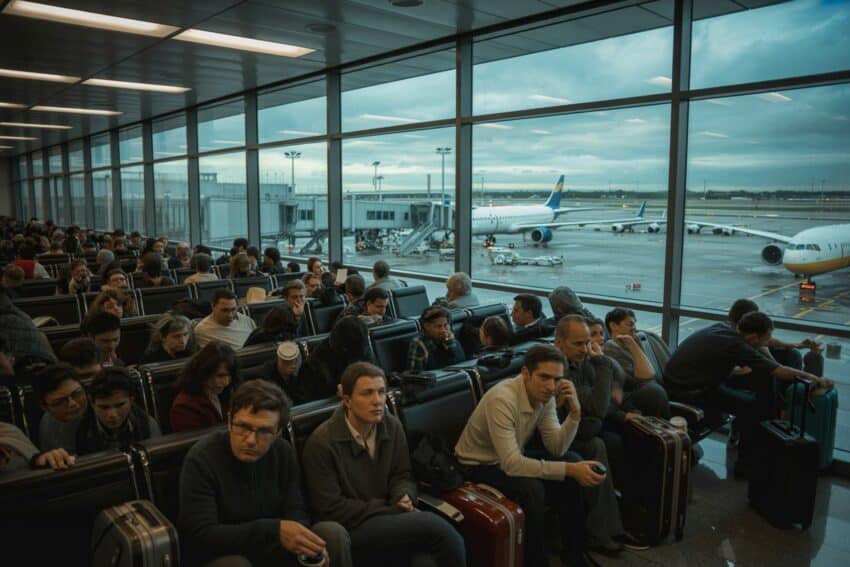
UK aviation networks are experiencing renewed scrutiny as flight delay performance weakens across several major airlines. Civil Aviation Authority monitoring standards show that punctuality levels have declined compared to previous operational benchmarks, particularly during peak travel periods.
Among the carriers reviewed, TUI Airways has been identified as one of the least punctual operators in the UK market. The data suggests that a notable share of its departures are affected by delays that exceed the industry’s standard on-time threshold, defined as departures within 15 minutes of schedule.
Advertisement
Advertisement
These delays are not isolated incidents but part of a wider trend affecting both legacy and leisure-focused airlines operating from major UK airports.
CAA Performance Data Highlights Consistent Delay Patterns on Key Leisure Routes
CAA-based performance tracking indicates that certain TUI-operated services experience repeated delays, especially on high-volume holiday routes linking UK regional airports with popular European destinations.
Advertisement
Advertisement
Average delay durations on affected services often extend beyond 20 minutes, with some flights recording significantly longer waiting times depending on airport congestion and aircraft rotation issues. While punctuality varies by route, the overall trend places the airline in a lower performance bracket compared to several UK competitors.
The issue reflects broader structural pressure in European aviation, where airlines continue to manage high passenger demand alongside limited operational flexibility in congested air corridors.
Advertisement
Advertisement
Air Traffic Control Constraints and Airport Congestion Intensify UK Flight Delay Pressures Across Major Aviation Hubs
Air traffic control limitations and airport congestion are playing a major role in worsening UK flight delay performance, especially during peak leisure travel periods. Heathrow, Gatwick, Manchester, and Birmingham airports continue to operate close to maximum capacity on multiple days, which reduces flexibility in managing schedule disruptions. When aircraft arrivals and departures stack up, even minor delays in one segment of the network can trigger a chain reaction across multiple flights.
European airspace coordination adds another layer of complexity, as aircraft often pass through congested corridors managed under strict flow control measures. These restrictions are designed to maintain safety but can result in extended holding patterns and delayed departure slots. For leisure-focused airlines such as TUI Airways, which operate tight turnaround schedules, these constraints significantly impact punctuality. As a result, delay accumulation becomes systemic rather than isolated, affecting both outbound and return journeys across key holiday routes.
Passenger Experience, Compensation Claims and Growing Demand for Airline Accountability in UK Aviation Sector
Passenger experience across UK airports is increasingly shaped by uncertainty linked to flight delays, particularly on short-haul leisure routes. Travellers are facing longer waiting times at departure gates, frequent schedule changes, and reduced predictability in arrival times. This disruption has placed greater focus on airline accountability and the effectiveness of existing compensation frameworks under UK aviation regulations.
Under Civil Aviation Authority guidelines, passengers may be eligible for financial compensation depending on delay length and airline responsibility, but the claims process often requires detailed assessment of operational causes. This has led to rising awareness among travellers regarding their rights, especially on routes operated by airlines with lower punctuality scores such as TUI Airways. At the same time, consumer pressure is increasing on airlines to improve transparency in delay reporting and enhance communication during disruptions. The growing demand for reliability is now becoming a key competitive factor in the UK aviation market.
Operational Strain Across European Airspace Contributing to Schedule Disruption
The delays seen across UK departures are closely linked to wider European aviation constraints. Air traffic control limitations, seasonal spikes in travel demand, and ground handling capacity shortages have collectively increased pressure on airline schedules.
Leisure carriers such as TUI are particularly affected due to tightly scheduled aircraft rotations and high dependency on short turnaround times. Any disruption at one stage of the network often creates cascading delays across multiple subsequent flights.
Advertisement
Advertisement
This interconnected operational model means that even minor disruptions in European airspace can significantly affect departure punctuality in the UK.
Airline Operating Model Prioritises Flight Completion Over Cancellations
TUI’s operational strategy has historically focused on maintaining flight completion rates, even in cases where schedule disruptions occur. This approach reduces the likelihood of cancellations but can result in accumulated delays across the network.
Industry observers note that this model prioritises passenger re-accommodation stability over strict adherence to timetable precision. While this helps avoid large-scale rebooking disruptions, it also contributes to reduced punctuality performance metrics when measured under CAA standards.
Passenger Compensation Rules Remain Central Under UK Aviation Regulation
Under UK aviation law, passengers may be eligible for compensation depending on the length of delay and the cause of disruption. The regulatory framework, aligned with retained EU-style passenger rights rules, allows compensation claims of up to £520 for qualifying delays.
However, eligibility depends on whether the disruption is considered within the airline’s control. Events such as adverse weather, air traffic restrictions, or airport operational issues are typically classified as extraordinary circumstances and may exempt airlines from compensation obligations.
This creates a highly case-specific claims environment where passengers must evaluate delay cause and duration before pursuing compensation.
Advertisement
Advertisement
Wider European Aviation System Continues to Experience Recovery Pressure
The UK delay situation reflects a broader European aviation environment still adjusting to post-pandemic recovery pressures. Airlines across the region are dealing with uneven demand growth, staffing shortages in ground operations, and constrained air traffic capacity at major hubs.
As travel volumes increase, the strain on scheduling systems has become more visible, particularly during peak holiday periods. This has resulted in fluctuating punctuality performance across both low-cost and charter carriers.
Regulators and aviation authorities continue to monitor these trends closely, focusing on operational transparency and passenger protection standards.
Conclusion: Punctuality Becomes a Defining Challenge for UK Leisure Aviation
The latest UK aviation performance indicators highlight a growing challenge for airlines operating high-frequency leisure routes. TUI Airways’ placement among the lower-performing carriers for punctuality underscores the operational complexity of maintaining tight schedules in a congested European airspace environment.
While passenger demand for affordable holiday travel continues to rise, airlines face increasing pressure to balance efficiency, reliability, and capacity constraints. As a result, punctuality is becoming one of the most critical measures of airline competitiveness in the UK and broader European aviation market.
Advertisement
