
Cornwall Joins Blackpool and Other Destinations Plunging UK Tourism with a Record Drop by 12% in Tourism Demand from Europe Throughout 2026

Published
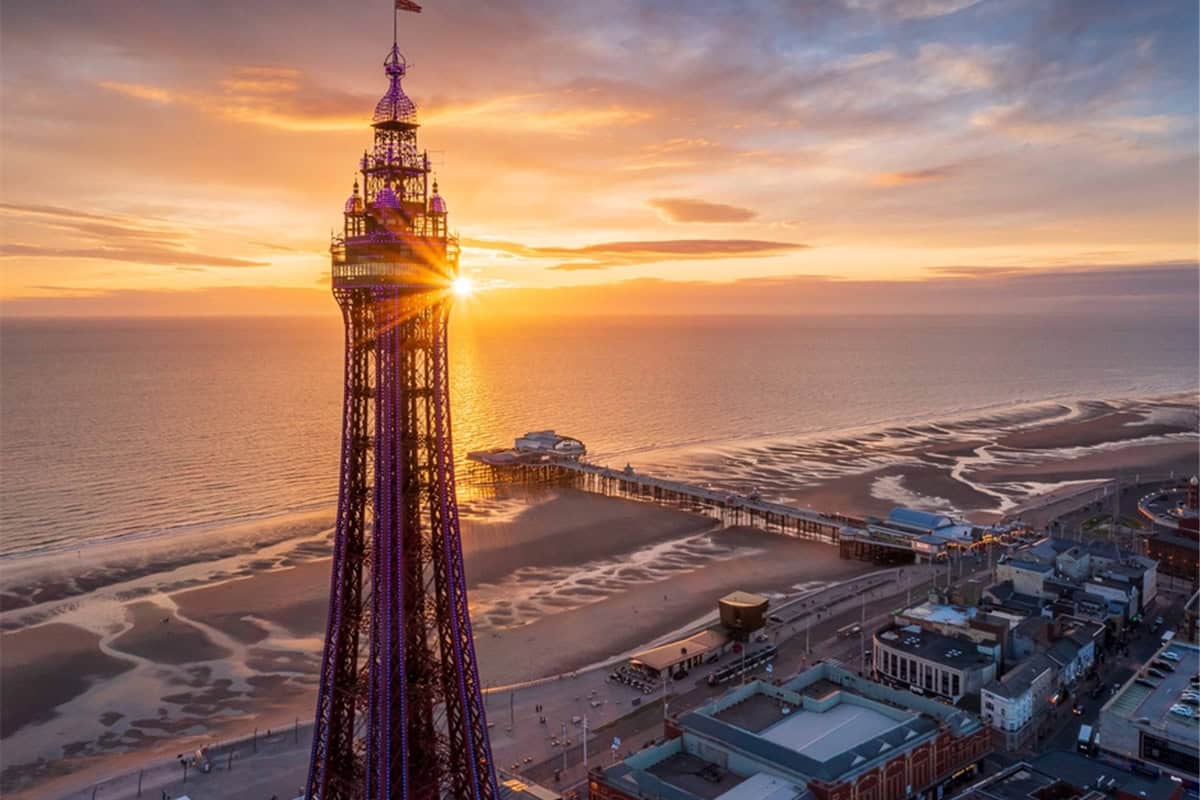
As of October 2026, the UK visitor economy faces unprecedented challenges. While urban centres see moderate recovery, coastal hotspots like Cornwall and Blackpool are navigating a harsh new reality. Driven by inflation, changing travel preferences, and shifting European demand, Cornwall recently registered a concerning twelve percent drop in tourism figures, echoing similar declines in Wales and other regional destinations. This UK tourism drop 2026 represents a highly critical turning point for the hospitality sector. With VisitBritain downgrading annual forecasts and European travellers seeking cheaper alternatives, understanding this economic shift is essential for policymakers, local businesses, and the broad travel industry.
Background: The Shifting Sands of the UK Visitor Economy
The UK visitor economy has historically been one of the most robust and dependable sectors of the national economic landscape. However, the period leading up to October 2026 has introduced unprecedented volatility. Regional destinations that once enjoyed guaranteed influxes of visitors during peak summer months are now experiencing a severe recalibration of demand. The transition from the pandemic-era boom—where domestic tourism surged to unprecedented levels—to the current climate of economic restraint represents a monumental paradigm shift for the travel industry.
From Pandemic Boom to Present-Day Reality
Just a few years ago, coastal destinations were overwhelmingly dominated by domestic holidaymakers. In places like Cornwall, the surge in staycations famously led residents to urge incoming tourists to turn around due to massively overcrowded infrastructure. Fast forward to late 2026, and the situation has drastically reversed. The easing of international travel restrictions initially saw Britons flocking abroad, but the subsequent rise in the cost of living has not resulted in a return to domestic holidays. Instead, the market is experiencing a net contraction. Families and independent travellers are fundamentally re-evaluating their discretionary spending, leading to a noticeable void in the domestic tourism market that European visitors have thus far failed to fill.
The Anatomy of the UK Tourism Drop 2026
Understanding the UK tourism drop 2026 requires a granular look at the data. The decline is not uniform across the country; rather, it disproportionately affects regions that rely heavily on leisure tourism rather than business or event-driven travel. The macroeconomic environment—characterised by fluctuating fuel prices, persistent inflation, and broader geopolitical uncertainties—has created a highly cautious consumer base globally. When consumers do choose to travel, they are employing aggressive cost-saving strategies. These include reducing trip durations, downgrading accommodation types, or eschewing traditional dining out in favour of self-catering options. This behavioural shift directly undermines the profitability of the regional hospitality sector.
Advertisement
Advertisement
Regional Vulnerabilities Exposed
The vulnerability of regional economies to these shifts cannot be overstated. Unlike London or Edinburgh, which benefit from a diverse mix of corporate travel, international mega-events, and perennial cultural attractions, coastal towns operate on a razor-thin margin dictated by seasonal weather and school holidays. The current downturn has exposed the fragility of this model. When the baseline demand drops by double digits, the cascading effects through local supply chains—from food producers to laundry services—are immediate and severe.
Latest Official Developments in Inbound Tourism
The official statistics released throughout the latter half of 2026 paint a sobering picture of the UK’s international appeal. While overarching top-line figures might suggest stability at a glance, the underlying metrics reveal deep-seated challenges in attracting and retaining high-value international visitors.
Advertisement
Advertisement
VisitBritain’s August 2026 Forecast Adjustments
In late August 2026, VisitBritain issued a critical update to its inbound tourism forecast, adjusting expectations to 44.2 million visits and £33.9 billion in spending for the year. While this represents a 2% growth compared to 2025, it fundamentally functions as a downgrade from earlier, much more optimistic projections. The primary driver behind this downward revision was a markedly weaker performance from long-haul markets. Initially anticipated to deliver an 8% growth in spending, the long-haul sector is now tracking towards a 2% decline for the year. This loss of high-spending international tourists places immense pressure on domestic and short-haul European markets to bridge the financial gap.
Long-Haul Declines and the Cost of Living
The contraction in long-haul arrivals—particularly from the Middle East, India, and Australia—is closely tied to global economic pressures. High airfares, inflated aviation fuel costs, and overarching cost-of-living concerns have suppressed the appetite for extended international travel to the UK. Furthermore, the UK is increasingly perceived as a high-cost destination globally, a reputation that becomes a significant deterrent when international consumers are tightening their belts. Without the robust spending typically associated with these demographics, regional destinations are left competing for a shrinking pool of budget-conscious visitors.
Advertisement
Advertisement
European Market Dynamics and Competitive Disadvantage
The most alarming trend within the latest data is the UK’s loss of competitive share within Europe. VisitBritain officially noted that while inbound arrivals to Western Europe are forecast to grow by 6% overall in 2026, the UK is missing out on this regional boom. Southern European nations are performing exceptionally well, siphoning off tourists who are prioritising affordability and predictable weather. The strong pound relative to the Euro, combined with the administrative friction of post-Brexit border arrangements, continues to make the UK a less appealing option for spontaneous European getaways.
Cornwall’s Tourism Sector on the Brink
Cornwall serves as the most prominent case study for the devastating impact of the UK tourism drop 2026. The county’s economy is inextricably linked to the visitor pound, and the current contraction is threatening the livelihoods of thousands of local residents.
The Staggering 12% Decline in Visitor Demand
The headline statistic defining Cornwall’s current plight is the verified 12 per cent drop in tourist numbers recorded in 2024, followed by an anaemic and unconvincing recovery phase through 2025 and directly into 2026. This double-digit contraction has left many businesses fighting to stay afloat. During what should be the peak summer weeks, premium holiday cottages have remained vacant, a scenario that was virtually unthinkable just three years prior. The booking window has also drastically shortened, with visitors delaying commitments until the absolute last minute, thereby robbing businesses of essential financial predictability.
Small Businesses and Micro-Enterprises Under Pressure
The structure of Cornwall’s economy amplifies the impact of this downturn. According to official 2026 business statistics, there are approximately 28,400 registered firms in Cornwall and the Isles of Scilly. A staggering 88.8% of these are micro-enterprises employing fewer than ten people. For these small operators, there is no corporate buffer to absorb the shock of a 12% drop in revenue. With the average full-time salary in Cornwall sitting at roughly £28,000—15% below the national median—the capacity for local residents to support the hospitality sector through domestic spending is also severely constrained.
Advertisement
Advertisement
Shifting from Overtourism to Vacant Accommodations
The psychological shift within the county is profound. The narrative has rapidly transitioned from managing the negative impacts of overtourism to desperately seeking ways to entice visitors back to the coast. Public houses are reducing operating hours, and hotels are resorting to unprecedented promotional incentives simply to cover basic overheads. The £3 billion annual contribution that tourism makes to the local economy is actively shrinking, threatening the viability of community infrastructure that relies on summer profits to survive the quiet winter months.
Blackpool’s Struggle Amidst Ambitious Campaigns
While Cornwall battles the realities of its remote coastal geography, Blackpool is facing a completely different set of structural challenges. As one of the UK’s most historic mass-market resorts, it relies heavily on high-volume footfall and domestic tourism.
Time Out Recognition and 2026 Digital Guide
Blackpool began 2026 with significant optimism, bolstered by being named one of Time Out’s top places to visit in the UK for the year. The local tourism authority proactively launched a comprehensive 88-page digital destination guide to showcase its sprawling array of attractions, accommodations, and dining options to group travel organisers and independent tourists alike. The strategy was clear: leverage digital outreach to secure advance bookings and highlight the resort’s diverse offerings, from luxury seafront hotels to budget guesthouses.
Iconic Attractions Navigating Economic Headwinds
The resort boasts an impressive portfolio of entertainment infrastructure, including the world-famous Blackpool Tower Ballroom, Pleasure Beach Resort, and the Sandcastle Waterpark. Furthermore, 2026 promised a formidable calendar of free events, such as the World Fireworks Championships and the globally recognised Illuminations. However, even these high-profile draws are struggling to overcome the broader economic malaise. While the events successfully generate temporary spikes in footfall, converting that footfall into meaningful economic yield—such as overnight stays and secondary spending in local restaurants—has proven increasingly difficult.
The Domestic Day-Tripper Dilemma
Blackpool’s core demographic is highly susceptible to the current cost-of-living pressures. Data from T-Stats in 2026 reveals a troubling national trend: 32% of surveyed individuals stated they plan to entirely cut back on day trips, the highest figure recorded in recent months. Additionally, 26% plan to reduce their overnight trips. For a destination like Blackpool, where the day-tripper economy is a vital artery for generating daily cash flow, this reduction in casual, spontaneous domestic travel translates directly into diminished revenues for seafront vendors, arcades, and independent cafes.
Statistics: Demographics and Booking Patterns
To fully grasp the magnitude of the UK tourism drop 2026, analysts must review the specific demographic and behavioural data driving these top-line declines. The official reports from 2026 highlight a consumer base that is fundamentally altering how, when, and where it chooses to travel.
Advertisement
Advertisement
Insights from the European Travel Commission (ETC)
The European Travel Commission’s Wave 24 report, detailing spring and summer 2026 travel intentions, offers stark warnings for the UK market. While overall European travel sentiment is robust at 82%, the structural preferences of these travellers actively disadvantage British destinations. A massive 59% of European respondents expressed a preference for Mediterranean destinations, clearly prioritising sun, beach, and lower-cost environments over the cultural and coastal offerings of the UK. Furthermore, 38% of travellers are now planning shorter trips of just 4–6 nights, leaving little room for complex, multi-destination itineraries that might include an expensive stopover in Britain.
Visa Card Spending Data Across the Nations
The financial data mirrors these exact behavioural shifts. According to the VisitBritain Tourism State of the Nation report from mid-2026, Q1 inbound card spending by Visa cardholders painted a highly fractured regional picture. While England saw a modest 3% year-on-year increase and Scotland enjoyed a 19% surge, Wales experienced a devastating 12% drop against a strong Q1 the previous year. This 12% decline in Welsh inbound spending perfectly mirrors the persistent drop seen in Cornwall, suggesting a systemic failure to attract international spending to western and regional coastal areas of the UK.
The T-Stats Analysis on Domestic Reductions
Domestic tourism, often the reliable saviour of regional economies during international slumps, is also faltering rapidly. T-Stats tracking data across UK destinations indicates that consumer confidence regarding travel has dipped significantly below historical averages. The proportion of the public actively cutting back on eating and drinking out has increased in direct response to relentless cost-of-living pressures. With only 74% of Britons intending to take a trip in the next 12 months—down from 77% a year prior—the domestic pool is shrinking at a critical moment.
Government Announcements and Strategic Responses
In response to the escalating crisis, local councils and national government bodies have begun deploying strategic initiatives aimed at diversifying regional economies and modernising the tourism product to remain competitive.
Promoting “Silicon Sands” and Local Innovation
In Blackpool, the local council hosted a high-profile parliamentary session in July 2026 to advance the “Silicon Sands” initiative. This ambitious technological project includes plans for a first-of-its-kind energy-efficient data centre, aiming to pivot the local economy towards tech and green energy while complementing its traditional tourism base. By creating high-skilled, year-round employment, Blackpool hopes to reduce its total dependency on the volatile seasonal visitor economy and stimulate secondary business tourism.
Infrastructure Improvements and Digital Connectivity
Recognising that modern tourists demand seamless digital experiences, significant government and private investment has been channelled into regional infrastructure. In Cornwall, the official Ofcom Connected Nations Report for 2026 notes that 97% of premises now have access to decent broadband, and full-fibre gigabit-capable access has grown rapidly to approximately 45%. This digital backbone is crucial for small businesses attempting to pivot towards e-commerce, with internet sales now accounting for 27% of total retail nationally. However, the challenge remains in educating micro-enterprises on how to leverage this connectivity for effective search engine optimisation.
Advertisement
Advertisement
Sustainable Tourism Initiatives
Both local councils and national bodies are pushing sustainable tourism as a unique selling proposition for the future. With the ETC noting that up to 18% of European travellers would proactively cancel trips due to climate-related disruptions, the UK’s temperate climate is being subtly repositioned as a safe haven. Government grants are increasingly tied to strict sustainability metrics, encouraging hospitality businesses to lower their carbon footprints, source local produce, and aggressively promote eco-friendly travel options like regional rail networks.
Policy Implications for National and Regional Boards
The verified statistics from late 2026 demand an immediate and comprehensive policy response. Traditional marketing strategies that rely on the inherent appeal of the British countryside are no longer sufficient to drive conversion in a hyper-competitive, price-sensitive global market.
Re-evaluating Marketing Budgets and Target Audiences
Tourism boards are being forced by economic realities to drastically re-evaluate their marketing spend. With long-haul demand depressed by high aviation costs, allocating vast budgets to these regions yields a diminishing return. Instead, policy must rapidly pivot towards hyper-targeted digital campaigns aimed at resilient demographics within Europe and the domestic market. The focus must shift from pure brand awareness to tactical, conversion-driven marketing that explicitly highlights value for money, ease of access, and unique, unrepeatable cultural experiences.
Addressing the North-South Divide in Tourism Recovery
The stark divergence in recovery rates between London/Scotland and regions like Cornwall/Wales necessitates bespoke regional policies. A one-size-fits-all national strategy actively harms destinations suffering from the 12% drop in demand. Policymakers must implement targeted transport subsidies, regional marketing grants, and massive infrastructure investments to artificially boost the competitiveness of these struggling areas. Without direct intervention, the tourism economy will continue to centralise in major urban hubs, leaving coastal communities economically starved.
Taxation and Support for the Hospitality Sector
Industry leaders are increasingly vocal about the absolute necessity for structural fiscal reform. The current VAT rate on hospitality and tourism services places the UK at a distinct competitive disadvantage compared to Mediterranean rivals. There are growing calls for government announcements regarding targeted tax relief, business rate reductions for micro-enterprises, and direct subsidies for sustainable transition efforts. Easing the financial burden on the supply side is viewed by economists as essential to preventing mass insolvencies in regions like Cornwall and Blackpool.
Industry Impact: Hospitality, Retail, and Aviation
The ripple effects of the UK tourism drop 2026 extend far beyond empty hotel rooms, impacting the entire complex supply chain that services the visitor economy.
Advertisement
Advertisement
The Squeeze on Accommodation Providers
Accommodation providers are facing a monumental existential squeeze. Fixed costs—such as energy, commercial insurance, and minimum wage obligations—have skyrocketed, while the ability to raise room rates is entirely constrained by plummeting demand. The prevailing trend towards last-minute bookings prevents hotels from accurately forecasting revenue, leading to highly conservative staffing models that can ultimately compromise service quality. In Cornwall, the sheer volume of vacant holiday lets during peak season has forced many second-home owners to heavily reconsider their investments, potentially triggering a seismic shift in the local property market.
Retail E-commerce as a Survival Mechanism
For the retail sector located in tourism-heavy zones, survival has meant looking beyond the physical storefront. The 2026 statistics highlight that Cornish businesses, particularly in the artisanal food and craft sectors, are increasingly relying on e-commerce to reach customers nationwide, attempting to compensate for the lack of physical footfall. Businesses without a robust, mobile-optimised digital presence are rapidly losing market share to tech-savvy competitors. The transition from a reliance on passing tourist trade to a hybrid online-offline model is proving to be a critical determinant of long-term business survival.
Aviation Capacity and Slower Autumn Bookings
The transport sector is also flashing severe warning signs. VisitBritain’s mid-2026 data indicates that while flight bookings from Europe for the autumn are somewhat stable on par with last year, bookings from crucial long-haul markets like the US, Middle East, and Asia are well behind previous levels. Airlines are highly responsive to demand fluctuations; a sustained drop in forward bookings often leads to reduced route capacity. This reduced capacity in turn makes the destination harder and vastly more expensive to reach, creating a vicious, self-fulfilling cycle of decline for inbound tourism.
Economic Implications for Local Communities
The macroeconomic data inevitably translates into harsh daily realities for the local communities that host the UK’s tourism infrastructure. The economic implications of a sustained 12% drop in core regions are profound and multi-faceted.
Employment Volatility in Coastal Towns
Tourism is an inherently labour-intensive industry. When demand drops, the immediate response from businesses is to drastically cut staff hours to preserve cash flow. In Cornwall, where self-employment sits at a massive 16% (well above the national average of 12%), there is simply no corporate safety net for many workers. The reduction in available shifts leads to chronic underemployment, exacerbating the cost-of-living crisis at a hyper-local level. Seasonal workers, often completely reliant on the frantic summer months to build financial reserves for the winter, are finding their earning potential severely curtailed.
The £3 Billion Cornwall Economy at Risk
The £3 billion that tourism theoretically injects into Cornwall’s economy is the definitive lifeblood of the region. A 12% contraction equates to hundreds of millions of pounds permanently removed from local circulation. This rapid capital flight impacts everything from local tax revenues—which are absolutely necessary for maintaining public services and infrastructure—to the day-to-day viability of community assets like rural bus routes, local pubs, and village post offices. The economic multiplier effect, which usually spreads tourism wealth benevolently throughout the community, is currently operating in reverse.
Advertisement
Advertisement
Addressing the Salary Gap in Tourism-Heavy Regions
The 2026 crisis violently highlights the structural economic flaws of an over-reliance on mass tourism. The average £28,000 salary in Cornwall strictly reflects a dominance of low-wage hospitality and retail roles. Without the supplementary income generated by a booming, high-capacity visitor economy, this immense salary gap compared to the national median becomes painfully apparent to residents. Policymakers are being continually urged by economic think-tanks to use this crisis as a definitive catalyst to diversify these regional economies, fostering rapid growth in sectors like tech, green energy, and professional services to build genuine long-term economic resilience.
Official Statements and Expert Sentiment
The gravity of the current situation is clearly reflected in the sombre tone adopted by industry leaders, economists, and official tourism representatives throughout the latter half of 2026.
VisitBritain’s Call for Strategic Resilience
VisitBritain has openly and transparently acknowledged the deeply challenging landscape. In their July 2026 state of the nation briefing, officials highlighted that while broader consumer confidence has seen slight upticks, the specific intent for domestic and outbound travel remains stubbornly suppressed. The agency is pivoting its core messaging to emphasise strategic resilience, actively urging destinations to focus heavily on the quality and perceived value of their offering rather than relying on historical volume metrics. The official acknowledgement that the UK will likely lose competitive share in Europe this year is a stark admission of the extreme difficulties ahead.
Local Business Leaders on Last-Minute Bookings
On the ground in the affected regions, the overarching sentiment is one of deep exhaustion and profound uncertainty. Business owners in Cornwall have publicly stated that the current trading environment is wholly unlike anything they have faced before, surpassing even pandemic-era anxieties. The sheer paralysis caused by last-minute booking patterns means businesses physically cannot invest in property upgrades or hire permanent staff, trapping them in a reactive cycle of daily survival. Leaders in Blackpool echo this precise sentiment, noting that while large-scale events still bring crowds, the discretionary spending per head has noticeably plummeted.
European Tourism Analysts on Market Shifts
Analysts actively reviewing the European Travel Commission data strongly suggest that the UK is suffering from a massive value-proposition crisis. With 41% of European travellers openly expressing interest in less popular, off-the-beaten-path destinations within the continent, the UK’s traditional coastal offerings are being systematically bypassed for vastly cheaper Eastern and Southern European alternatives. Tourism experts warn that unless the UK can aggressively address its skewed price-to-quality ratio, this structural shift in European demand will rapidly become permanent.
Future Outlook: Navigating Towards 2027
As 2026 draws to a close, the industry focus is squarely on damage limitation and profound structural reform ahead of the 2027 season. The UK tourism sector must adapt seamlessly to a permanently altered consumer landscape to survive.
Advertisement
Advertisement
Adapting to Climate Concerns and Weather Variability
One potential long-term strategic advantage for the UK is global climate change. As Southern Europe experiences increasingly extreme, dangerous summer temperatures, the UK’s milder maritime climate may eventually become a major selling point. The ETC data showing a high willingness amongst Europeans to completely alter travel plans due to climate disruptions presents a strategic opening. Tourism boards must proactively prepare to market regions like Cornwall, Wales, and Northern England as comfortable, sustainable alternatives to the sweltering Mediterranean, though this requires brilliant long-term brand repositioning.
Digital Transformation and Website Optimisation
Survival in 2027 will heavily depend on flawless digital competence. The Outcome Digital Marketing report for Cornwall stressed unequivocally that businesses with outdated, non-mobile-optimised websites are actively haemorrhaging customers. With 93% of UK adults using the internet daily, a seamless digital booking experience is completely non-negotiable in the modern era. Government and industry bodies must immediately prioritise funding for digital upskilling, ensuring that micro-enterprises can aggressively compete on visibility and user experience with larger corporate entities.
Building Year-Round Tourism Models
Finally, the ultimate structural solution to the UK tourism drop 2026 lies in permanently breaking the historical dependency on the six-week summer peak. VisitBritain data already shows a cautiously growing demand for year-round breaks, with autumn and winter tourism slowly increasing as demographics shift. Destinations must rapidly develop compelling off-season offerings—such as culinary festivals, luxury wellness retreats, and immersive cultural heritage tours—to generate consistent, reliable 12-month revenue streams. Only by smoothing out the dangerous seasonal peaks and troughs can regions like Cornwall and Blackpool properly secure a sustainable, prosperous future.
Advertisement
