

Peru Revolutionizes Regional Travel Dynamics, Can Its Tourism Revival Unlock A New Future Beyond Machu Picchu, Find Out Now

Updated
Published
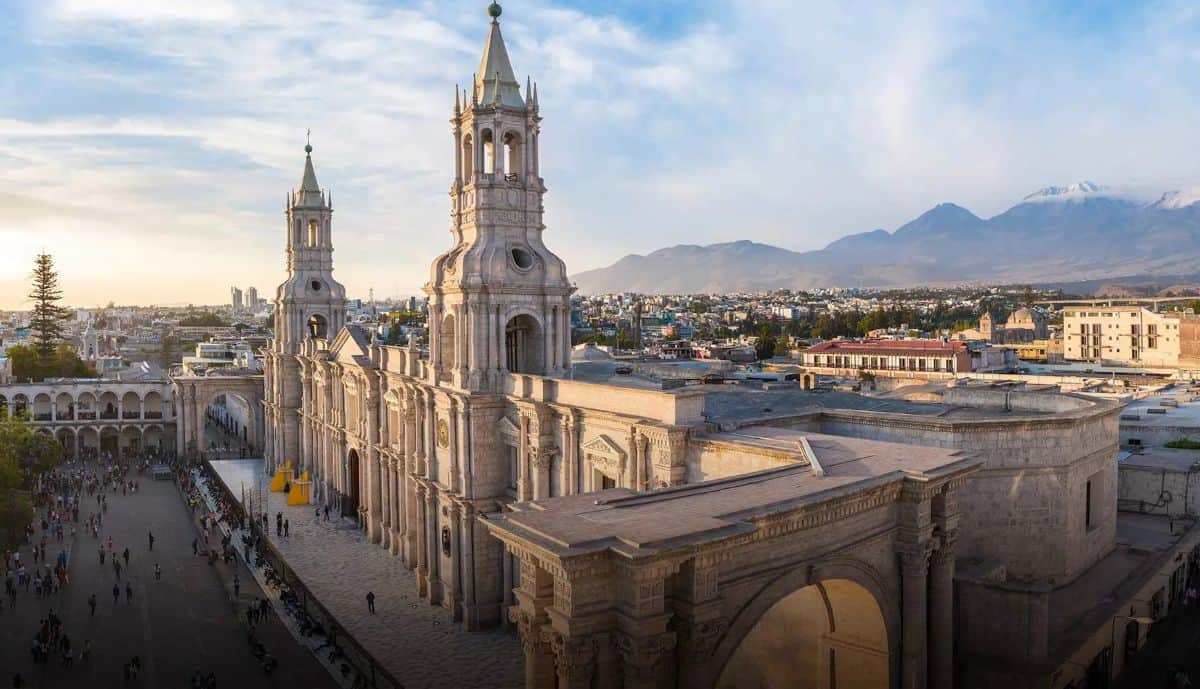
There is something special about seeing a country take a deep breath and rise again. For Peru that time has finally. It is amazing to watch. From the old mountains of Machu Picchu all the way down to the busy exciting streets of Lima, a strong feeling of wanting to explore is spreading across the country. People who love to travel are coming back with hearts and full plans bringing a huge amount of 5.4 billion dollars into the local economy. It is not about the money or the 3.7 percent increase in GDP, it is about the lives that are being brought back, to normal for local artists, families and people who help visitors feel at home in this old land.
How Did Key Performance Indicators and Financial Metrics Reveal a Massive $5.4 Billion Inbound Revenue Surge Across Peru in Lima and Cusco?
Official metrics tracking Peru’s tourism-led economic contributions highlight the scale of this revenue surge, proving that the nation has firmly outpaced pre-pandemic stagnation. Inbound tourism revenue reached $5.4 billion, successfully surpassing baseline pre-pandemic benchmarks and rewriting financial forecasts for South American travel economies. Meanwhile, the official MINCETUR projection positions the tourism sector’s contribution at a formidable 3.7% of total GDP, anchoring leisure travel as a core pillar of national development. Year-on-Year revenue growth has maintained a strong upward trajectory, stabilizing at a healthy 10.1% growth rate following previous explosive post-lockdown catch-up phases. National tax receipts have benefited extensively from formalization initiatives targeting hotels, travel agencies, transport networks, and gastronomy services.
Moreover, these financial milestones underscore a profound structural shift in how wealth is generated across Andean communities and historic urban hubs like Lima and Cusco. Every transaction registered in bustling urban centres and remote archaeological hubs feeds directly into the national treasury, ensuring sustainable public funding. Modern financial tracking mechanisms have successfully captured millions in previously informal economic sectors, converting casual leisure spending into foundational state infrastructure. Consequently, economists view this vibrant fiscal turnaround as a textbook model of how sustainable travel stewardship directly supports overarching national economic resilience.
Advertisement
Advertisement
What Strategic Shifts Toward High-Value Tourism Are Maximising Tax Yields in Destinations Like Cusco and Machu Picchu?
MINCETUR strategies have pivoted explicitly away from sheer volume metrics toward increasing the average length of stay and daily expenditure per tourist in iconic locations. Higher spending per visitor directly expands the base for indirect taxation, specifically Value Added Tax applied to high-end dining, boutique lodgings, specialized expeditions, and domestic air transit. This targeted focus on luxury and experiential travel ensures that famous historical hubs like Cusco and Machu Picchu generate maximum fiscal return without overwhelming local ecosystems. By attracting discerning global explorers who invest in premium hospitality, Peru maximises its national tax intake while preserving its invaluable cultural heritage for future generations.
Advertisement
Advertisement
Furthermore, this premium tourism shift encourages local hospitality operators to elevate service standards, creating well-paying jobs that lift surrounding communities out of poverty. Travelers exploring sacred archaeological sites now contribute significantly more per capita to regional municipal budgets than ever before in modern travel history. As high-end boutique properties and sustainable lodges multiply throughout the Andean highlands, local tax authorities capture unprecedented streams of corporate income tax. Ultimately, balancing elite visitor experiences with robust heritage conservation guarantees long-term economic stability and pristine cultural preservation across southern Peru.
How Are Regional Diversification and Infrastructure Pushes Across the Colca Valley and Kuélap Amplifying Local Tax Revenues?
While historical revenue relied heavily on the classic Cusco-Machu Picchu corridor, regional diversification efforts have expanded tax capture into exciting new geographical zones across the country. The breathtaking Colca Valley has successfully surpassed 190,000 visitors, boosting localized municipal and regional tax yields significantly through increased hospitality and transport activity. Similarly, the majestic fortress of Kuélap and the broader Northern Circuits are scaling up toward targeted visitor milestones, bringing formal employment and corporate tax structures to regions previously dominated by informal micro-economies. These strategic expansions distribute wealth evenly across the nation, transforming untouched landscapes into thriving economic ecosystems.
In addition, regional infrastructure investments have unlocked remote natural wonders, making them accessible to international travelers seeking off-the-beaten-path adventures in South America. Local micro-entrepreneurs operating homestays, artisanal workshops, and guided trekking tours are increasingly integrated into the formal digital banking and tax network. This widespread economic decentralization ensures that financial prosperity reaches rural families, significantly reducing regional inequality while multiplying municipal tax revenues. Consequently, Peru’s visionary regional development blueprint serves as a benchmark for emerging tourism destinations globally.
In What Ways Has Electronic Invoicing by SUNAT Revolutionised Tax Tracking and Crushed Evasion Across Peru’s Tourism Sector in Lima?
The implementation of electronic invoicing by SUNAT across the hospitality and tourism sector has drastically reduced tax evasion throughout major commercial hubs like Lima. As international and domestic tourism demand spiked, a significantly larger percentage of transactions were captured legally, causing tax collections from tourism-linked services to skyrocket relative to gross visitor growth. This digital transformation ensures absolute transparency across hotels, tour operators, and transport providers operating within the bustling capital and regional tourism outposts. By closing legal loopholes, the government captures vital funds that are immediately reinvested into public services, national infrastructure, and community enrichment projects.
Advertisement
Advertisement
Furthermore, digital compliance has streamlined administrative burdens for legitimate tourism businesses, fostering a fair competitive environment that rewards transparent operators. International investors view Peru’s robust tax technology infrastructure as a sign of regulatory maturity, encouraging further foreign direct investment in the hospitality sector. Every digital receipt issued by a tour provider or restaurant directly strengthens the state’s capacity to fund essential social programs nationwide. Ultimately, SUNAT’s proactive digitalisation has turned a notoriously informal service sector into a shining example of modern fiscal governance.
What Critical Connectivity Enhancements and Citizen Security Investments Are Securing Peru’s Multi-Billion-Dollar Tourism Future in Arequipa and Puno?
To sustain this positive economic news, MINCETUR and complementary government bodies are tackling remaining bottlenecks to ensure long-term fiscal health across southern travel circuits. Connectivity enhancements are actively addressing structural gaps in air and ground connectivity, featuring planned expansions such as increasing international flight frequencies—including direct Santiago to Cusco corridors—modeled after successful tourism frameworks in Mexico and Colombia. Simultaneously, recognizing security as a baseline pillar for premium tourism, Peru is actively studying international frameworks to safeguard traveler corridors across Arequipa and Puno, protecting this vital multi-billion-dollar economic engine. These proactive security and infrastructure measures guarantee that visitors enjoy seamless, secure journeys from coast to high-altitude peaks.
Moreover, expanding transport links directly reduces travel friction, encouraging longer stays and multi-destination itineraries that maximize total tourist expenditure per trip. Enhanced safety protocols instill deep confidence among international tour operators, ensuring steady booking volumes across traditional and emerging regional destinations alike. By continuously upgrading transport networks and policing critical transit routes, Peru safeguards its lucrative position as a premier global travel destination. These comprehensive investments guarantee that the nation’s tourism economy will continue expanding robustly for decades to come.
Global Inbound Arrivals and Peru’s Tourism Boom: How Do International Inbound Arrival Figures and Core Source Markets Like Chile and the United States Fuel Peru’s Hospitality Boom?
Peru has firmly cemented its status as a premier South American travel destination by welcoming approximately 3.42 million international tourist arrivals, reflecting a solid 4.9% year-on-year growth rate. This impressive influx of global explorers is anchored heavily by neighboring countries and North American markets, with Chile leading regional visitor volume by contributing roughly 690,000 tourists, accounting for 20.2% of total arrivals. Close behind, the United States represents 18.1% of the market with 619,000 visitors, while steady, high-value contributions from nations like Ecuador at 295,000 and Brazil at 212,000 further diversify the traveler demographic.
Advertisement
Advertisement
Furthermore, this balanced distribution of international feeder markets safeguards Peru’s hospitality ecosystem against localized economic downturns in any single region. As commercial aviation networks expand and cross-border partnerships strengthen, the steady flow of foreign travelers ensures continuous capital injection into local economies. Every international arrival translates directly into hotel bookings, restaurant reservations, and guided excursions, creating a sustainable financial cycle that bolsters national development. Ultimately, these robust arrival volumes validate national tourism boards’ targeted international marketing strategies, proving that Peru’s cultural allure continues to captivate global wanderlust.
Economic Yields and Visitor Spending: What Role Do Average Length of Stay and Per-Visitor Expenditure Play in Maximising Tourism-Led National Tax Generation?
Data meticulously compiled by PROMPERÚ reveals that the average foreign tourist stays for a substantial 10 nights and spends approximately $1,232 USD, excluding international flights, during their journey. This extended duration of travel and sustained per-visitor expenditure directly expands the Value Added Tax base across high-end lodgings, domestic transit networks, and culinary tourism. When travelers immerse themselves in multi-city itineraries, their daily spending ripples across dozens of independent local businesses, generating vital turnover for regional service providers.
Moreover, this high per-capita spending habits shifts the national economic focus away from sheer visitor overcrowding toward high-yield, sustainable tourism practices. By encouraging tourists to linger longer in historic regions, local municipal governments collect higher occupancy and service taxes that directly fund community infrastructure projects. Consequently, this financial model proves that quality-driven travel stewardship yields far superior economic returns than mass-market volume chasing. Economists note that every dollar spent by a prolonged visitor acts as a direct investment in Peru’s public services and cultural preservation efforts.
Macroeconomic Footprint and Job Creation: In What Ways Does the World Travel and Tourism Council Estimate Peru’s Total GDP and Job Creation Contributions?
According to comprehensive reports from the World Travel & Tourism Council, the broader travel and tourism sector contributes an astonishing $23 billion USD to Peru’s national economy. This massive financial influx represents roughly 7.8% of total Gross Domestic Product, anchoring the industry as an indispensable pillar of modern economic stability. Beyond sheer revenue generation, the sector supports hundreds of thousands of formal and informal jobs spanning nationwide transportation networks, luxury accommodations, and specialized heritage guide services.
Advertisement
Advertisement
In addition, this powerful employment multiplier effect provides sustainable livelihoods for families across both bustling urban centers and remote Andean communities. As hospitality standards rise to meet international expectations, workers receive professional training that elevates career opportunities across the entire service supply chain. The WTTC data underscores how government-backed tourism initiatives translate directly into tangible socio-economic advancement for everyday citizens. Ultimately, this multi-billion-dollar footprint demonstrates that travel is not merely a leisure activity, but a primary engine of national prosperity and employment security.
Culinary and Cultural Engagement: Why Are Gastronomic and Cultural Experiences Driving Near-Universal Participation Among Global Visitors in Lima and Cusco?
Official tourist profiling highlights a remarkable trend: an astonishing 98% of international visitors sample Peruvian gastronomy, while 96% actively participate in cultural heritage activities. Furthermore, 52% of travelers engage in immersive nature exploration, and 46% pursue high-altitude adventure tourism across breathtaking Andean landscapes. This remarkably diverse engagement spreads tourist expenditure and tax revenue from sophisticated urban culinary hubs in Lima down to sacred archaeological circuits in Cusco.
Moreover, Peru’s world-renowned culinary scene acts as a primary magnet, drawing food enthusiasts from every corner of the globe to upscale dining establishments and local markets alike. By pairing world-class gastronomy with ancient Incan history, the country offers a multi-sensory travel experience that encourages repeat visits and glowing international word-of-mouth. Local farmers, independent chefs, and indigenous guides all benefit directly from this high level of visitor participation in cultural traditions. Consequently, Peru’s cultural capital remains its most valuable, renewable economic asset.
Airport Infrastructure and Gateway Hubs: How Do Major International Air Gateway Infrastructure Points Like Jorge Chávez International Airport Facilitate Nationwide Tourism Flows?
Jorge Chávez International Airport in Lima serves as the indispensable primary national entry point, efficiently processing 65.9% of all international arrivals, amounting to approximately 1.3 million tourists during peak travel cycles. Continuous modernization and infrastructure upgrades at this major aviation hub ensure a seamless, world-class welcome for global travelers stepping onto Peruvian soil. Furthermore, strategic enhancements to regional flight paths are successfully funneling these incoming visitors outward to secondary destinations without causing severe transit bottlenecks.
Advertisement
Advertisement
In addition, expanding regional air connectivity allows travelers to bypass lengthy overland journeys, maximizing their vacation time and encouraging exploration of northern and southern circuits. Regional airports in tourist hotspots now handle increased flight frequencies, connecting coastal metropolises directly with highland wonders and Amazonian gateways. This efficient logistical web ensures that economic benefits are distributed evenly across provinces rather than remaining concentrated solely in the capital. Ultimately, robust airport infrastructure is the invisible backbone supporting Peru’s multi-billion-dollar visitor economy.
Domestic Tourism Dynamics and Internal Mobility: How Do Domestic Tourism Trips and Internal Traveler Mobility Complement Inbound Revenue Streams Across Regional Economies?
Beyond international visitors, domestic tourism accounts for massive internal capital circulation, with Peruvians undertaking over 44 million internal trips annually across diverse regional landscapes. This robust domestic travel frequency acts as a vital economic shock absorber, sustaining provincial hotels, transport cooperatives, and local tax bases during international shoulder seasons. When domestic travelers explore their own country, they reinforce cultural pride while maintaining year-round commercial activity in hospitality sectors.
Moreover, local government initiatives offering discounted travel packages and regional holiday incentives encourage residents to discover lesser-known provinces, reducing tourism pressure on iconic landmarks. This internal mobility ensures that regional tourism supply chains remain financially viable 365 days a year, safeguarding jobs against global economic fluctuations. Small-scale entrepreneurs, family-run guesthouses, and regional tour operators rely heavily on this steady stream of domestic weekend explorers. Consequently, the interplay between international inbound arrivals and domestic travel creates a resilient, self-sustaining economic ecosystem.
Seasonal Peaks and Climatic Patterns: What Impact Do Dry Season Climatic Peaks and National Holiday Cycles Have on Monthly Visitor Surges in Southern Andes Destinations?
Peak tourism volume concentrates heavily during the Andean dry season spanning from June to October, offering optimal weather conditions for high-altitude trekking and sightseeing. July records the absolute peak monthly traffic exceeding 317,000 international visitors, driven intensely by national Independence Day celebrations and ideal conditions for exploring Machu Picchu. This predictable seasonal spike requires careful visitor management by heritage authorities to protect fragile archaeological structures while maximizing economic intake.
Advertisement
Advertisement
In addition, hospitality providers across southern circuits use these peak months to generate the bulk of their annual revenue, funding off-season maintenance and staff retention programs. Travel planners and tour operators coordinate closely with regional municipalities to manage crowd flows and ensure a safe, enjoyable experience for every visitor. While the dry season brings bustling energy to ancient citadels, shoulder months offer tranquil alternatives for travelers seeking solitude. Ultimately, understanding these climatic rhythms allows Peru to optimize resource allocation and sustain year-round tourism readiness.
Enterprise Formalisation and Digital Oversight: How Are Micro-Enterprise Formalisation Programs and SUNAT Digital Oversight Empowering Regional Tourism Supply Chains?
Through targeted state formalisation packages, thousands of micro and small tourism enterprises across regions like Arequipa, Puno, and Ica have successfully integrated electronic tax tracking systems. This digital transition effectively reduces informal market leakages, ensuring that corporate income taxes feed directly into municipal development budgets rather than disappearing into shadow economies. Small business owners receive comprehensive digital training, empowering them to participate fully in the formal banking and commercial sectors.
Furthermore, SUNAT’s streamlined electronic invoicing framework fosters a transparent business environment, boosting international investor confidence in Peru’s regulatory maturity and financial stability. As regional suppliers become formally integrated, they gain easier access to credit, enabling them to upgrade their facilities and elevate local service standards. Travelers benefit directly from this formalisation through enhanced consumer protections and reliable, certified booking experiences across remote destinations. Consequently, digital tax oversight has transformed Peru’s grassroots tourism supply chain into a model of modern fiscal governance.
The Final Verdict
At the end of the day this incredible milestone is about much more than cold economic data or balance sheets. It is the heartbeat of Peru reclaiming its rhythm the warm smile of a local weaver in the Colca Valley the shared laughter over plates of world-class cuisine, in Lima and the profound sigh of awe when a traveler first sets eyes on the misty heights of Machu Picchu. By turning this wave of human connection into sustainable thriving futures Peru has proven that when a country shares its soul with the world the magic truly comes back home.
Advertisement
Advertisement
Frequently Asked Questions
- What is the total inbound tourism revenue generated in Peru recently?
Inbound tourism revenue in Peru has officially reached $5.4 billion, successfully surpassing pre-pandemic economic benchmarks.
- How much does tourism contribute to Peru’s Gross Domestic Product (GDP)?
According to official projections from MINCETUR, the tourism sector accounts for approximately 3.7% of Peru’s total GDP.
- Which tax authority manages electronic invoicing in Peru?
SUNAT, Peru’s national tax authority, implements electronic invoicing to curb tax evasion and formalize tourism supply chains.
- What regional destinations are driving new tourism tax yields outside Cusco?
Regions such as the Colca Valley, surpassing 190,000 visitors, and Kuélap in the Northern Circuits are leading regional tax and revenue expansion.
Advertisement
