
Sydney Drives Australia’s Tourism Future in 2026 as Airport Expansion Attracts Global Travellers

Published
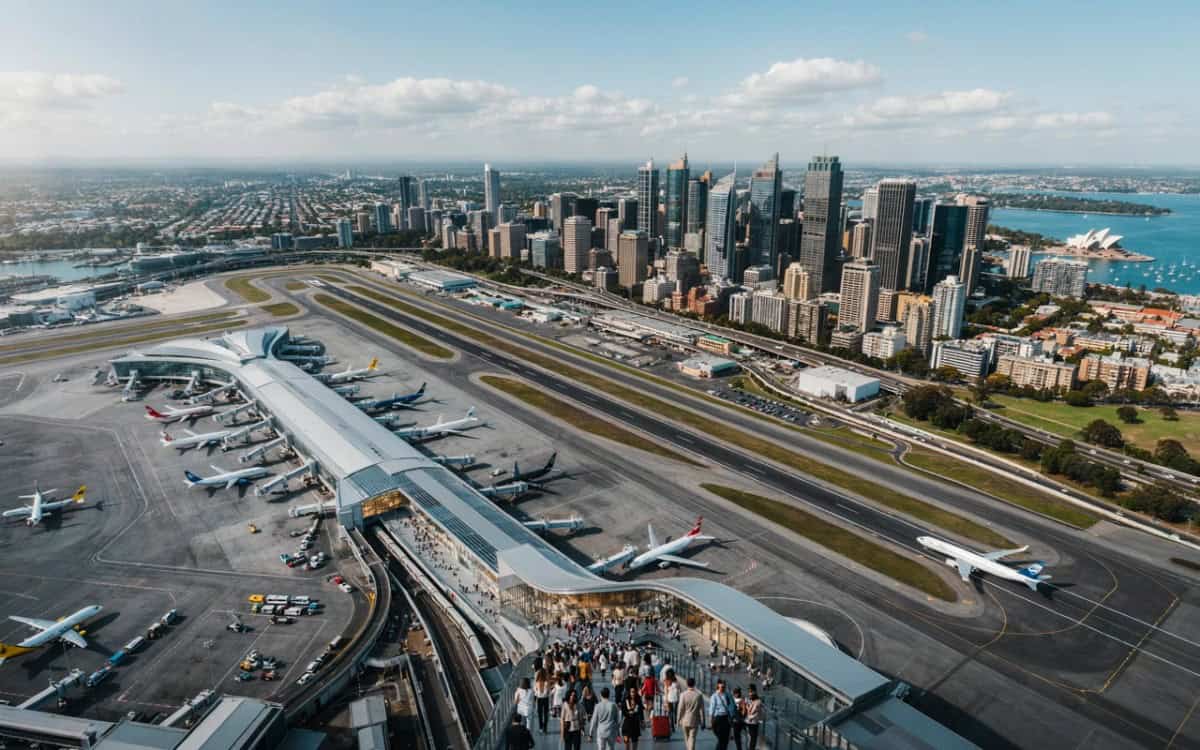
Image generated with Ai
The future of Australian tourism kicks off in 2026 as big cities invest in their airport infrastructures and attract international tourists by means of an innovative growth strategy. It has been noted that Australia is making bigger efforts to connect with other countries, improve its flights and increase visitor access in anticipation of growing interest from international travelers. Given increasing tourist competition across the globe, Australia is now paying greater attention to having modern airports and transport systems to make traveling easier for tourists. The future of Australian tourism is not limited to destination promotion anymore. The city is now investing in airport capacity to attract more tourists and make money.
Australia Is Building Tourism Capacity Before The Visitor Boom Arrives
Australia’s tourism strategy has moved beyond traditional marketing.
In the past, destinations mainly competed by promoting beaches, attractions, culture and experiences. Today, another competition is taking place. Cities are competing for airline routes, passenger capacity and international connections.
A tourist cannot visit a destination without a flight. A hotel cannot fill rooms without visitors. A regional attraction cannot grow without access.
Advertisement
Advertisement
This has pushed aviation into the centre of tourism planning.
Advertisement
Advertisement
Australia is now treating airports as economic engines. New terminals, additional routes and better transport links are becoming important parts of tourism growth.
The country recorded strong visitor spending momentum, with tourism activity showing significant recovery and expansion. This has increased pressure on governments and airports to prepare for future demand.
The result is a national approach where infrastructure development and tourism growth are moving together.
Sydney’s Western Sydney Airport Creates A New Gateway For Global Travellers
Sydney is preparing for one of the biggest changes in Australian aviation history.
The opening of Western Sydney International Airport in 2026 is expected to create a new international gateway for the city and the wider region. The airport is designed to operate without traditional curfew restrictions and will help meet Sydney’s growing aviation needs.
Advertisement
Advertisement
At launch, the airport will have the ability to handle up to 10 million passengers annually.
This creates a major opportunity for tourism.
The airport is not only about moving passengers. It is about creating new economic activity across Western Sydney.
The New South Wales Government has introduced the Western Sydney International Take-Off Fund to support airline growth and encourage new services. The programme aims to attract more international visitors and increase visitor spending.
The airport development also supports a wider ambition to grow the state’s visitor economy.
Advertisement
Advertisement
Sydney’s approach shows a major shift. Instead of waiting for airlines to increase services naturally, the city is actively creating conditions for new connections.
Brisbane Builds Aviation Strength Before The 2032 Olympic Opportunity
Brisbane is preparing for a global tourism spotlight.
The city will host the 2032 Olympic and Paralympic Games, but the tourism planning has already started years before the event.
Queensland is using aviation investment to improve access and attract more visitors.
The Connecting Queensland Fund is supporting new flight opportunities between Queensland and important domestic and international markets.
Advertisement
Advertisement
The strategy focuses on securing routes that can create long-term value.
More flights can help visitors reach Brisbane and continue their journeys to other Queensland destinations. This can benefit coastal areas, regional towns and major tourism attractions.
The aviation plan connects with the state’s wider tourism goal under Destination 2045, which aims to significantly expand Queensland’s visitor economy.
Brisbane’s message is clear. The Olympic opportunity will not begin in 2032. It is being built today through better connectivity and stronger tourism infrastructure.
Perth Strengthens Its Role As Australia’s Western Global Gateway
Perth is creating a stronger position in international tourism through major airport investment.
Advertisement
Advertisement
Perth Airport is undergoing a major transformation. The expansion programme includes new infrastructure designed to improve capacity and support future aviation growth.
The city already has a unique advantage. It is Australia’s western gateway and maintains direct links to Europe.
This gives Perth an important role in connecting Australia with global travellers.
However, airport expansion is only one part of the strategy.
Perth is also supporting routes that connect visitors with regional tourism experiences.
Advertisement
Advertisement
Improving air access can encourage travellers to explore beyond the capital city. It can help spread tourism spending across Western Australia.
The strategy reflects a wider goal. Tourism growth should not only benefit major cities. It should also create opportunities for regional communities.
Perth is therefore using aviation as a bridge between international markets and regional experiences.
Melbourne Focuses On Making Airport Journeys Easier For Visitors
Melbourne already has strong passenger demand. Its challenge is improving how visitors move after landing.
For many travellers, the first impression of a destination begins at the airport. Long road journeys and congestion can affect the visitor experience.
Advertisement
Advertisement
To address this issue, Melbourne is planning major improvements through the Melbourne Airport Rail project.
The proposed connection aims to create a faster link between the airport and the city centre.
Better transport links can make Melbourne more competitive as an international destination.
The city does not only need more visitors. It needs a smoother travel experience from arrival to accommodation.
This highlights an important part of modern tourism planning. Airports alone cannot create growth. Cities also need strong transport systems that help visitors move easily.
Advertisement
Advertisement
Adelaide Connects Flight Growth With A Clear Tourism Spending Target
Adelaide is using a direct approach.
The city is linking tourism growth with aviation targets.
The South Australian tourism strategy aims to achieve $10.3 billion in visitor expenditure by June 2026.
To reach that goal, the state is focusing on increasing flight activity.
The plan includes targets for international and domestic flight numbers. The objective is to ensure that tourism demand is supported by enough air access.
Advertisement
Advertisement
More flights can bring more visitors from overseas and interstate markets.
They can also help travellers discover South Australia’s regional attractions, events and experiences.
Adelaide’s strategy shows how aviation and tourism spending are now closely connected.
Australia’s 2026 Tourism Future Will Be Built Through Connectivity
The change in tourism for Australia in 2026 exemplifies the opportunities that connectivity has to offer and how it will usher in an era of travel growth for the destination. The future of tourism is being enhanced through the development of airports and efficient flight connectivity, and the attraction of travelers from all around the world through infrastructure development. Sydney, Brisbane, Perth, Melbourne, and Adelaide have been enhancing their connectivity to attract more tourists. Therefore, Australia is not only going to enhance its efforts to promote tourism but also to make the journey of the travelers easy.
Advertisement
