
Singapore Transforms Marina Bay Cruise Centre Into a Vibrant Cultural Gateway for Global Cruise Travellers
Published
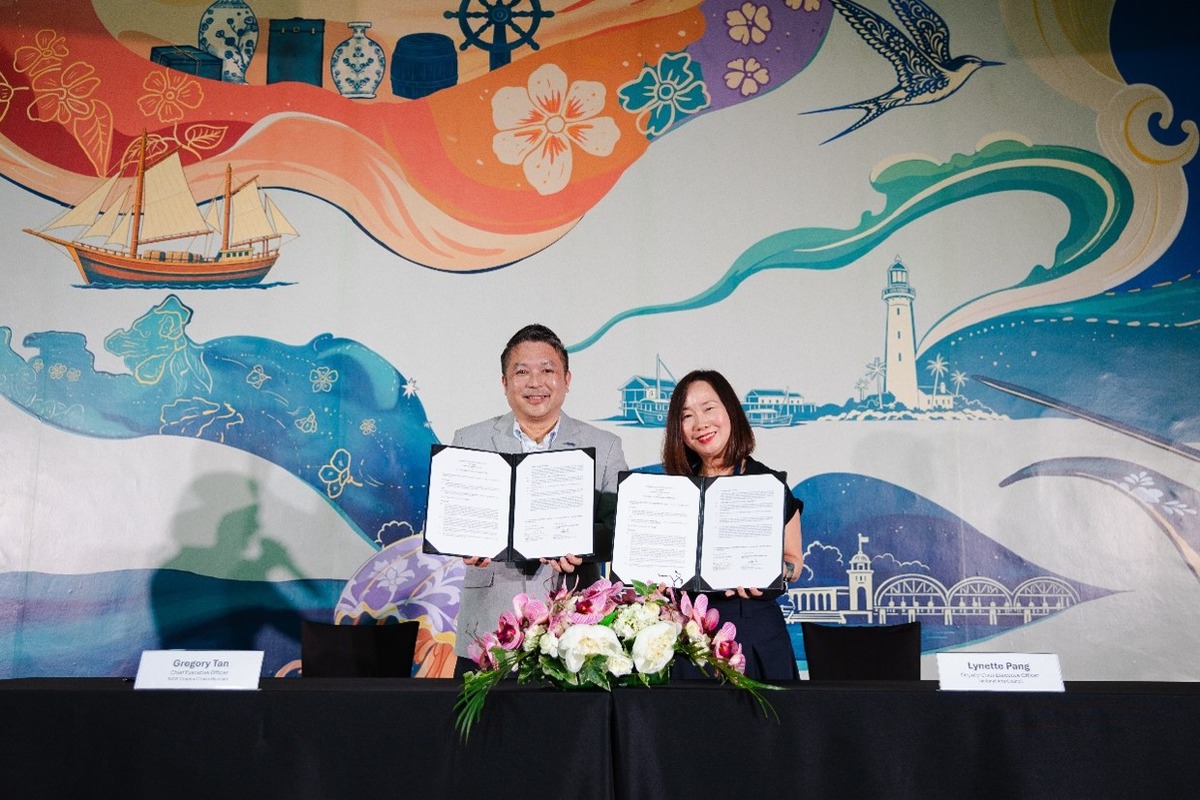
Singapore is giving international cruise travellers a stronger taste of its culture from the moment they enter Marina Bay Cruise Centre Singapore, with SATS-Creuers Cruise Services and the National Arts Council establishing a three-year partnership to introduce local visual art and multicultural live music across the terminal. The initiative follows the major expansion of the Marina Bay facility and is designed to turn one of Singapore’s principal maritime gateways from a largely functional passenger terminal into a cultural showcase capable of reaching thousands of arriving and departing travellers.
The timing gives the programme added significance for Singapore’s cruise tourism sector. The Marina Bay Cruise Centre Singapore (MBCCS) completed a S$40 million expansion in late 2025, substantially increasing its ability to accommodate passengers and larger cruise vessels. Official Singapore government information places the expanded terminal’s handling capacity at 11,700 passengers, almost twice its earlier level. That increased scale gives Singapore’s creative sector a much larger international audience while strengthening the visitor experience at a critical point in the tourism journey.
Advertisement
Advertisement
Singapore Turns Cruise Arrivals Into a Cultural Experience
Cruise terminals traditionally focus on immigration, customs, baggage, security, ground transport and embarkation. Singapore’s new three-year initiative adds another dimension by making local culture part of the journey through the terminal. Visual art and live performances will be placed directly within the passenger environment, meaning international visitors can encounter Singaporean creativity before reaching conventional attractions, museums or cultural districts.
The approach is particularly relevant to cruise tourism because the terminal can represent a traveller’s first physical contact with Singapore. For departing passengers, it can also provide one of their final experiences of the destination. Instead of leaving these important moments dominated entirely by passenger-processing procedures, the programme aims to make them part of Singapore’s wider destination story.
Advertisement
Advertisement
Key elements of the three-year programme
- Local visual art displayed within passenger-facing areas of MBCCS.
- Contemporary murals reflecting Singapore’s multicultural identity and heritage.
- Multicultural live music designed to showcase home-grown creative talent.
- Performances timed around maiden cruise calls and other important passenger periods.
- Cultural programming during major festive holidays and local school vacation periods.
- Greater exposure for Singapore artists among an international cruise audience.
- Integration of physical and digital artwork to make cultural experiences more visible throughout the passenger journey.
S$40 Million Expansion Gives Arts Programme Greater Reach
The programme arrives after one of the most important recent infrastructure developments at MBCCS. The S$40 million terminal expansion, officially opened in October 2025, was undertaken as Singapore prepared for larger cruise vessels and greater passenger volumes. The enlarged facility can now handle 11,700 passengers at a time, according to official government information.
The expansion therefore has implications beyond basic terminal capacity. Every increase in passenger throughput creates more opportunities for Singapore’s tourism, hospitality, retail, transport and cultural sectors to engage international visitors.
Advertisement
Advertisement
| Key MBCCS development | Latest information |
|---|---|
| Cultural partnership | Three years |
| Main cultural features | Visual art and live music |
| Terminal expansion investment | S$40 million |
| Expanded passenger capacity | 11,700 passengers |
| 2024 cruise passenger throughput | 1.8 million |
| Ship calls in 2024 | 340 |
| International visitor share | Around half of cruise passengers |
| Cultural focus | Singapore’s multicultural and maritime identity |
Singapore recorded 1.8 million cruise passenger throughputs from 340 ship calls in 2024, according to official government figures. Around half of those passengers were international visitors. Those numbers demonstrate the potential scale of the cultural initiative. Even if individual artworks or performances reach only part of total passenger traffic, the terminal offers local creatives access to a substantial flow of overseas visitors.
‘Manifest’ Shows How Singapore’s Maritime Story Can Reach Travellers
The three-year partnership builds on an earlier pilot collaboration centred on Manifest, a contemporary artwork created by Singaporean visual artist Eunice Hannah Lim. The work draws heavily on Singapore’s connection with the sea. Maritime elements and symbolic sea creatures are blended with cultural motifs, linking the artwork directly to the identity of a destination whose development has been deeply connected with maritime trade and international movement.
Its location inside a cruise gateway gives that theme additional relevance. Passengers arriving by sea encounter an artistic interpretation of the country’s maritime story within the infrastructure that connects their ship to Singapore itself. The project also moves beyond a conventional static mural. An animated digital version of Manifest greets passengers arriving through the expanded terminal and helps draw them towards the complete physical artwork. This creates a journey between digital and physical storytelling rather than relying on a single installation.
Live Music Targets Singapore’s Busiest Cruise Moments
Music will become another major part of the terminal experience over the three-year partnership. Multicultural performances are planned around periods when MBCCS is likely to receive particularly strong passenger attention. These include maiden cruise ship calls, major festive holidays and Singapore school holiday periods. Maiden calls are especially useful tourism moments because they mark the first visit of a particular vessel to a destination and can generate heightened activity around the terminal.
Introducing live music during these periods can help distinguish Singapore’s arrival experience while exposing passengers to the country’s diverse cultural traditions. The programme also gives home-grown musicians a different type of performance platform. Instead of relying solely on theatres, festivals and established arts venues, performers can reach audiences who may not have specifically planned to attend a cultural event during their stay.
Why Culture at the Terminal Matters for Singapore Tourism
For destinations competing for cruise traffic, passenger experience increasingly begins before travellers reach the city’s principal attractions. A cruise terminal is part of the tourism product. Efficient immigration, baggage handling and transport remain essential, but passengers also form impressions from the atmosphere, design and services they encounter while moving through the terminal.
Advertisement
Advertisement
Singapore’s strategy effectively combines these two functions. The MBCCS expansion provides greater operational capacity, while the arts partnership introduces a cultural layer to that expanded infrastructure. This is particularly important for international cruise passengers with limited time ashore. Some cruise visitors may have only several hours to explore Singapore before returning to their vessel. Giving those passengers immediate exposure to local art and music ensures that part of Singapore’s cultural identity can be experienced regardless of how extensive their shore itinerary becomes.
A Bigger Role for Marina Bay in Singapore’s Cruise Ambitions
The initiative also strengthens Marina Bay’s role in Singapore’s broader visitor economy. MBCCS is positioned close to one of the country’s most recognisable tourism districts and serves as an important gateway connecting cruise passengers with attractions, hotels, shopping, dining and onward transport.
Singapore has simultaneously been developing its position as a fly-cruise and regional cruise hub, supported by international air connectivity and its location within Southeast Asia. Cruise passengers can arrive by air, stay in Singapore before or after a sailing and then travel through the region by sea. This creates potential spending across hotels, restaurants, attractions, retail businesses and transport providers beyond the cruise itself.
What Happens Next at Marina Bay Cruise Centre
Over the next three years, passengers should see the cultural presence at MBCCS develop beyond the Manifest pilot. Additional wall spaces can provide platforms for contemporary visual works, while live performances are expected to bring Singapore’s multicultural sounds into the terminal during selected high-traffic periods.
The combination of a S$40 million infrastructure expansion, capacity for 11,700 passengers, growing cruise activity and a dedicated three-year cultural programme marks an important evolution for Marina Bay Cruise Centre Singapore. The terminal will still perform its core job of moving thousands of people efficiently between ships and the city. But Singapore is increasingly using that movement itself as a tourism opportunity. For international travellers, the destination experience can now begin before they leave the cruise terminal. Local art, maritime storytelling, digital installations and multicultural music are being placed directly along the passenger journey, turning MBCCS into more than a place of arrival and departure.
Advertisement
