Image generated with Ai
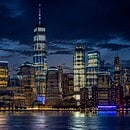
New York City ranks among the world’s worst cities for introverts, a study finds, and the reasons are striking. The city’s density, noise, tourism and traffic create an environment that rarely slows down. With 11,316 people per square kilometre and a 69.1 noise and light pollution score, New York City delivers relentless stimulation. Moreover, its tourist-to-resident ratio of two adds pressure around major attractions and busy neighbourhoods. For travellers who value solitude, the problem is not people themselves; rather, it is the constant exposure to crowds, movement and sound. Yet, quieter parks, neighbourhoods and off-peak hours can provide relief.
New York City ranks among the world’s toughest cities for introverts, with dense neighbourhoods, noise, traffic and constant crowds creating an urban environment where solitude can be hard to find. New York City ranks among the world’s worst cities for introverts, a study finds, as dense streets, noise, tourism and traffic make quiet time harder to find despite the city’s endless appeal.
New York City is famous for its energy, diversity and relentless pace, but that same intensity can make daily life challenging for introverts. A global city comparison places New York City fourth among the worst destinations for people who need quiet and personal space. The research considered population density, noise and light pollution, tourism, dining activity, green spaces, household living arrangements, nightlife, congestion and commuting conditions. New York stands out particularly for its combination of crowding, urban noise and traffic pressure. For people who recharge alone, the findings highlight how the physical design and rhythm of a major city can influence everyday wellbeing.
New York City ranks fourth in the study, behind Mumbai, Paris and Barcelona and ahead of Venice.
Advertisement
Advertisement
The city has a population density of 11,316 people per square kilometre, placing it among the most densely populated destinations included in the comparison. For introverts, that density matters because quiet and personal space can become difficult to secure, particularly in busy neighbourhoods and during peak travel periods.
The research gives New York a 69.1 out of 100 score for noise and light pollution. That places it close to Mumbai’s 69.6 and São Paulo’s 69.5, showing how strongly urban stimulation contributes to the city’s ranking.
For visitors and residents who prefer calmer surroundings, the combination of traffic, pedestrians, construction activity, sirens and commercial activity can create a near-continuous background of stimulation.
New York City’s transport network is one of its defining characteristics, but congestion can also intensify the experience of urban overcrowding.
Advertisement
Advertisement
The study includes traffic congestion and commuting as factors because time spent in crowded transport or slow-moving traffic can add to the sensory and social pressure of city life. Being surrounded by large numbers of commuters, passengers and pedestrians leaves fewer opportunities for uninterrupted personal time.
This does not mean New York is unsuitable for introverted travellers. Rather, it demonstrates how the city’s intensity can require more deliberate planning from people who prefer solitude.
Choosing quieter accommodation, travelling outside peak hours and exploring less crowded neighbourhoods can make a substantial difference to the experience.
New York City records 113.58 restaurants and cafés per 100,000 residents in the study’s comparison.
Food and hospitality are major attractions for international travellers, but the concentration of restaurants, cafés and other social venues also contributes to an environment where public spaces remain active for long periods.
Unlike destinations where quiet streets can become easier to find after dark, New York’s urban rhythm continues well into the evening. For introverts, this can reduce opportunities to experience genuine solitude without deliberately leaving the busiest districts.
The research gives New York City a tourist-to-resident ratio of two, meaning the city receives a substantial flow of visitors compared with its resident population.
Tourists contribute significantly to New York’s appeal and economy. Times Square, Central Park, Broadway, museums, restaurants and major landmarks attract visitors throughout the year.
However, the same visitor activity can make popular areas crowded and unpredictable. Introverted travellers may therefore find that quieter experiences require moving beyond the most heavily visited attractions or visiting them during less busy periods.
Despite its ranking, New York City offers several ways for introverted travellers to create a calmer itinerary.
Green spaces, museums, libraries, waterfront areas and quieter residential streets can provide opportunities to step away from the city’s busiest corridors. Central Park alone offers extensive space for walking, sitting and observing the city at a slower pace.
The key lesson from the study is therefore not that introverts should avoid New York. Instead, the findings suggest that the city rewards travellers who understand how to manage its intensity.
The study’s ranking reflects environmental pressures rather than a judgement on New York City’s overall liveability or tourism appeal.
New York remains one of the world’s most influential urban destinations, offering exceptional cultural attractions, transport connections, dining, entertainment and neighbourhood diversity.
For introverts, however, the experience may depend heavily on timing and location. Staying away from the busiest tourist zones, scheduling attractions early, allowing quiet periods between activities and choosing accommodation carefully can help reduce sensory overload.
The wider finding is straightforward: a city can be exciting, culturally rich and economically vibrant while still presenting challenges for people who need regular periods of solitude.
BC Game’s CEO said the study’s findings reflect the difference between social avoidance and sensory overload, arguing that introverts can become exhausted by persistent noise, crowds, strangers and limited personal space.
That distinction is important when interpreting rankings such as this one. Introversion is not synonymous with antisocial behaviour. Instead, some people simply need more uninterrupted time to recover from sustained environmental and social stimulation.
“New York City is one of the world’s most exciting travel destinations, but its energy can be intense for travellers who value solitude. This research offers an interesting perspective because it looks beyond conventional tourism measures and considers how density, noise, traffic and visitor activity shape the experience of a destination. Introverted travellers should not interpret the ranking as a reason to avoid New York. Instead, it can help them plan smarter journeys, select quieter neighbourhoods, avoid peak congestion and build recovery time into their itineraries. A well-planned visit can reveal another side of New York City, where parks, cultural spaces and quieter corners provide welcome breathing room.”
New York City ranks fourth because several pressures combine rather than one factor determining the result. High population density creates constant proximity to other people, while its 69.1 noise and light pollution score reflects a persistently stimulating urban environment. Traffic and commuting can further reduce opportunities for calm, while tourism and busy commercial areas keep popular neighbourhoods active. The answer for introverted travellers is not to avoid New York, but to manage exposure to its busiest environments. Quieter accommodation, off-peak sightseeing, green spaces and planned downtime can help. The reason the city ranks highly is therefore its overall intensity, not a lack of attractions.
New York City ranks among the world’s worst cities for introverts because several pressures combine at once. High population density limits personal space, while the city’s 69.1 noise and light pollution score reflects its intense urban environment. Tourism adds another layer, particularly around major attractions and crowded public areas. Traffic and commuting can further extend exposure to noise, movement and strangers. The answer, however, is not to avoid New York City. Instead, introverts can choose quieter neighbourhoods, visit attractions outside peak periods and build regular downtime into their itineraries. The reason for the ranking is urban intensity, not a lack of travel appeal.
Advertisement
Advertisement
Advertisement











Tuesday, September 1, 2026

Tuesday, September 1, 2026
Tuesday, September 1, 2026
Tuesday, September 1, 2026

Tuesday, September 1, 2026
Tuesday, September 1, 2026
Tuesday, September 1, 2026