
Singapore’s Street Food Heritage Takes Global Spotlight as Hawker Culture Showcases a Powerful Culinary Legacy

Published
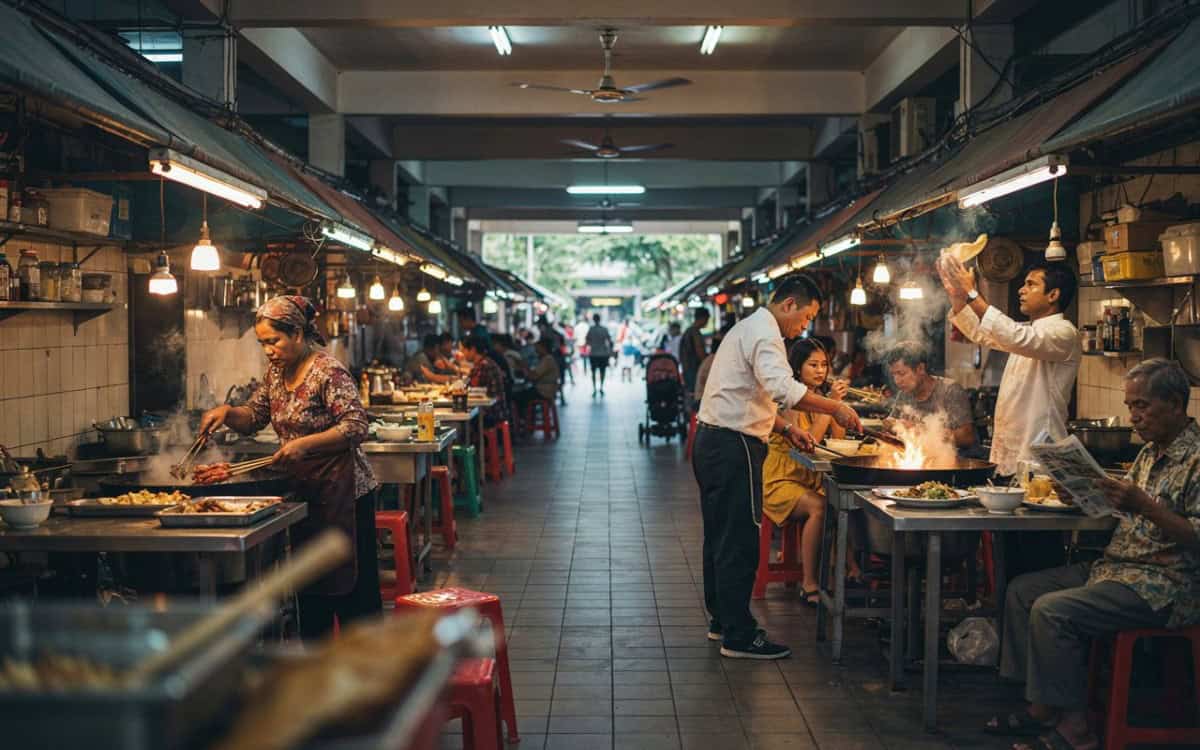
The heritage of street food in Singapore is receiving global recognition as the iconic hawker culture of the city showcases its unique culinary heritage. This unique culinary heritage is a representation of many years of heritage of various communities, flavors, and historical practices of cooking. Also, the food streets and hawker centers of Singapore emphasize how simple food can maintain cultural heritage and attract tourists from around the world. The recognition of this street food heritage internationally signifies the fact that hawker culture is not just about eating but an incredible culinary heritage.
Singapore Turns Hawker Culture into a Global Heritage Treasure
Singapore holds one of the strongest forms of international recognition for its food culture.
In December 2020, Hawker Culture in Singapore was added to UNESCO’s Representative List of the Intangible Cultural Heritage of Humanity. This was not simply an award for good food. UNESCO recognised a living culture where people from different communities meet, eat and share everyday traditions.
Singapore’s hawker centres are therefore important social spaces as well as food destinations.
Advertisement
Advertisement
Government agencies also support their operation. Food stalls follow hygiene and licensing rules. Public systems help maintain cleanliness, safety and organisation.
Visitors can explore famous hawker areas such as Maxwell, Lau Pa Sat and Newton Food Centre. These centres bring together cooking traditions linked with Chinese, Malay, Indian and Peranakan communities.
Advertisement
Advertisement
Popular dishes include chicken rice, laksa, roti prata and char kway teow.
Singapore shows how simple everyday food can become recognised cultural heritage when communities continue passing traditions from one generation to another.
Bangkok Protects a Street Food Culture That Keeps Tourists Coming
Bangkok has built a global image around lively streets filled with food stalls.
Thailand’s tourism authorities and Bangkok’s local administration have long treated food as an important part of the visitor experience. Street gastronomy appears in tourism promotion, while public agencies also work to improve food cleanliness and vendor management.
One important system is the Clean Food, Good Taste programme. It supports better hygiene standards for restaurants and food vendors.
Bangkok also manages street vending through regulated locations and important tourism districts.
Advertisement
Advertisement
Yaowarat is one of the most famous. Its busy streets become a major food destination after dark. Khao San Road and parts of Silom also form part of Bangkok’s wider street dining scene.
Thailand has additionally used international dining promotion to place casual food vendors beside more formal restaurants.
This gives Bangkok an unusual advantage. Travellers can experience meals deeply connected with everyday city life while tourism authorities work to protect standards.
Street food remains part of Bangkok’s identity, visitor economy and international tourism appeal.
George Town Keeps Penang’s Hawker Heritage Alive
George Town offers another powerful example of food, heritage and tourism working together.
The historic city became part of a UNESCO World Heritage Site in 2008. The recognition covers George Town’s wider living urban heritage, including the multicultural traditions that developed through centuries of trade and migration.
Advertisement
Advertisement
Food plays a major role in that living culture.
Penang’s hawker traditions reflect Malay, Chinese, Indian and other influences. Small stalls, markets and open-air eating areas continue serving recipes closely connected with local history.
Popular dishes include Penang laksa, Hokkien mee and char kway teow.
Local authorities regulate hawker activity, while state tourism programmes promote Penang’s culinary heritage as an important visitor attraction.
Food events have also helped bring greater attention to traditional cooking and local vendors.
This matters because heritage is not only about protecting old buildings. A city’s culture can also live in recipes, markets, cooking methods and everyday social habits.
Advertisement
Advertisement
George Town proves that food can help keep a historic city alive rather than turning it into a place visitors simply photograph and leave.
Oaxaca Uses Traditional Mexican Cuisine to Protect Cultural Identity
Oaxaca stands out because its food traditions connect with one of the world’s most important culinary heritage recognitions.
In 2010, UNESCO added Traditional Mexican Cuisine — ancestral, ongoing community culture, the Michoacán paradigm to its Intangible Cultural Heritage list.
The recognition applies to a wider Mexican food system rather than ranking Oaxaca itself as a street food city. However, Oaxaca remains one of Mexico’s most important destinations for traditional cuisine and food-based cultural tourism.
Historic markets play a central part.
Mercado 20 de Noviembre and Mercado Benito Juárez allow visitors to see how food remains closely connected with local communities.
Advertisement
Advertisement
Traditional foods include tlayudas, mole, tacos and tamales.
The importance goes beyond taste. Cooking methods, ingredients, markets and community knowledge help preserve traditions that have survived for generations.
Tourism authorities also promote Oaxaca as a cultural food destination.
For travellers, that means eating becomes part of understanding the region itself. Food tells a story about farming, family traditions, history and community life.
Osaka Builds Tourism Around Japan’s Famous Kitchen Culture
Osaka has long been connected with one powerful idea: food should be enjoyed fully.
The city is often promoted through Japan’s tourism system as one of the country’s great culinary destinations. Its historic identity as a major commercial food centre helped create its reputation as the nation’s kitchen.
Advertisement
Advertisement
Another famous idea linked with Osaka is kuidaore, commonly understood as enjoying food so much that one spends freely on eating.
That culture can be seen clearly in busy visitor districts.
Dotonbori attracts travellers with brightly lit streets and countless food outlets. Shinsekai offers another strong taste of local dining culture. Kuromon Ichiba is known for its market atmosphere and food businesses.
Local public health authorities regulate restaurants and food operations to maintain safety standards.
Takoyaki, okonomiyaki and kushikatsu have become strongly associated with Osaka’s tourism identity.
Unlike Singapore, Osaka’s recognition does not come from a UNESCO street-food inscription. Its strength comes from national tourism promotion, municipal regulation and a deeply rooted historic food identity.
Advertisement
Advertisement
Why Official Recognition Matters More Than a Simple Ranking
Travellers often see headlines naming the world’s “best street food city”. These rankings can be entertaining, but they usually come from magazines, travel websites, surveys or private organisations.
Official institutions work differently.
UNESCO studies cultural traditions. National tourism organisations promote heritage. Local governments regulate vendors. Public health authorities protect food safety. Tourism ministries support cultural preservation and visitor development.
That means there is no single official world ranking of street food cities.
Singapore, Bangkok, George Town, Oaxaca and Osaka should therefore not be placed into a made-up number-one-to-five table.
Their achievements are different.
Advertisement
Advertisement
Singapore has direct UNESCO recognition for hawker culture. Bangkok combines tourism promotion with street food management and hygiene programmes. George Town protects living food culture within a UNESCO World Heritage setting. Oaxaca represents the strength of wider traditional Mexican culinary heritage. Osaka carries a powerful historic and tourism identity built around food.
Street Food Is Becoming a Powerful Tourism Asset
Street food of Singapore gains worldwide fame as hawker culture exhibits a strong culinary tradition by means of tastes, traditions, and community narratives. Nowadays, this impressive culinary tradition is able to demonstrate how local food retains history and develops small businesses as well as attracts tourists. Besides, official acknowledgment makes it possible to preserve recipes and food places within communities. Throughout the world, street food unites people and places. In addition, street food contributes to the development of tourism by providing unique experience other than usual meal. Therefore, the culinary tradition of Singapore is able to attract visitors.
Advertisement
