
UK Powers France and More in Elevating Spain Cruise Tourism with Over 10% Surge as Demand Rises

Published
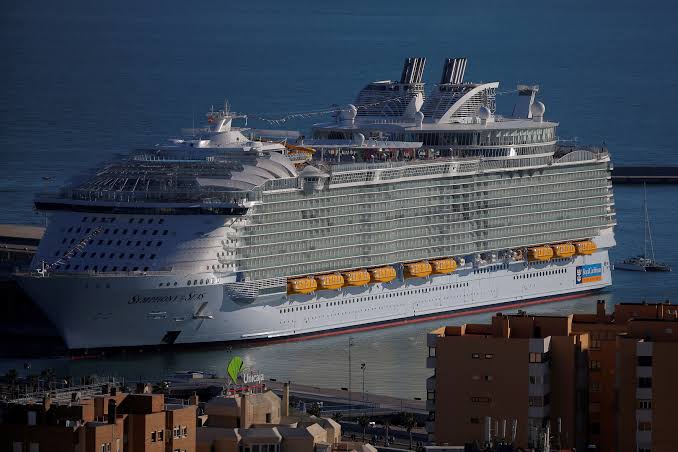
Spain’s cruise tourism sector is booming. Passenger numbers from the UK, France and Germany are at record levels. In August 2026, more than 12% of passenger numbers were recorded by Puertos del Estado. These statistics surpassed all records. All of Europe is looking to Spain as the best place for cruise tourism. The numbers are impressive, but more importantly are the economics. The resurgence of this tourism sector helps local businesses and creates policies that help this sector grow sustainably. Knowing why France, Germany and the UK are choosing to cruise in Spanish ports will ensure we understand where the world of travel will be headed in the future.
The Dawn of a New Era in Spain Cruise Tourism
The paradigm of maritime holidays has undergone a fundamental metamorphosis in recent years, pivoting from a niche luxury segment into a cornerstone of the broader European tourism economy. At the epicentre of this transformation is Spain, a nation whose geographic endowments—flanked by the Atlantic Ocean, the Mediterranean Sea, and the Cantabrian Sea—naturally position it as a maritime superpower. As of 7th August 2026, verified reports and official government statistics underscore an unprecedented golden age for the Spain cruise tourism sector. With global travel completely rebounded and expanding, Spain has capitalised on its extensive port infrastructure to attract an awe-inspiring volume of international visitors, fundamentally rewriting the playbook on how a modern European nation manages and scales maritime leisure travel.
Advertisement
Advertisement
This remarkable epoch is not merely a byproduct of general global travel trends. Rather, it is the result of meticulous strategic planning, substantial infrastructural investments by the Spanish government, and an unwavering commitment from national tourism boards, notably Turespaña. The collaborative efforts between the Ministry of Transport and Sustainable Mobility and various regional port authorities have culminated in an ecosystem that is both highly efficient and deeply attractive to international cruise lines. By modernising passenger terminals, enhancing port-to-city transport links, and streamlining border logistics, Spain has solidified its reputation as a frictionless, high-value destination. Consequently, the world’s most prestigious maritime operators have dramatically increased their Spanish itineraries, ensuring that vessels of all sizes—from intimate luxury expedition ships to colossal mega-cruisers—make Spanish waters a primary fixture of their European deployment schedules.
Historical Context and the Evolution of the Market
To fully appreciate the magnitude of the current surge, one must examine the historical trajectory of the Spain cruise tourism industry. Two decades ago, Spanish ports were primarily viewed as transit stops—brief logistical interludes for vessels navigating the popular routes between Italy, Greece, and the Atlantic seaboard. However, an aggressive push to establish cities like Barcelona and Palma de Mallorca as major ‘homeports’ (ports of embarkation and disembarkation) fundamentally altered the economic equation. Homeporting requires passengers to fly into the host country, often resulting in lucrative pre- and post-cruise hotel stays, thereby exponentially multiplying the economic benefit to the local economy. By the close of 2025, Spain had successfully captured a staggering 17.2% share of the highly competitive European cruise market, firmly establishing itself as the second-largest destination on the continent, trailing only Italy.
Advertisement
Advertisement
The evolution has also been defined by a shift in consumer demographics. Historically dominated by retirees, the contemporary cruise market in Spain now attracts a diverse demographic spectrum, including young families, eco-conscious millennials, and remote workers capitalising on enhanced onboard connectivity. This diversification has insulated the sector against economic volatility, ensuring a steady stream of demand throughout the calendar year, rather than relying exclusively on the traditional peak summer months.
Unpacking the 12% Surge: Latest Official Developments
The narrative of steady historical growth has been radically accelerated by the latest official figures. Data released by Puertos del Estado (State Ports), the government agency responsible for the coordination and efficiency control of the state-owned port system, paints a picture of explosive demand. In the foundational months of 2026, Spanish ports recorded an exceptional influx of 907,114 cruise passengers. This figure represents a monumental 12.7% increase compared to the same period in the previous year, definitively confirming the “over 12% surge” that has captured headlines across the global travel industry.
Advertisement
Advertisement
Furthermore, this surge in passenger numbers was accompanied by a corresponding 17.7% increase in the number of cruise ships calling at Spanish ports, with 332 vessels docking in the first month of the year alone. These phenomenal early 2026 statistics build upon the historic triumph of 2025, a year that saw Spain shatter all previous records by welcoming a total of 14.1 million cruise passengers across 5,373 cruise ship calls. Such metrics are not statistical anomalies; they represent a sustained, structural shift in European holidaymaking preferences, heavily weighted toward the Iberian Peninsula.
The Macroeconomic Environment Driving the Boom
The economic climate of 2025 and 2026 has played a pivotal role in this expansion. The Spanish economy showcased robust health, with GDP rising by 2.8% in 2025, instilling confidence in local port authorities to continue their ambitious expansion projects. Simultaneously, the broader European travel market demonstrated immense resilience. According to the European Commission and Eurostat, over 420 million international tourist arrivals were recorded across the European Union, illustrating an insatiable appetite for travel. Within this vast ecosystem, the all-inclusive nature of cruise holidays became increasingly attractive to consumers navigating inflationary pressures in their home countries. By offering a fixed-price holiday that includes accommodation, gastronomy, and multi-destination transport, cruising emerged as a highly competitive and financially predictable option for the European middle class.
Advertisement
Advertisement
The Powerhouse Source Markets: UK, France, and Germany
While Spain’s appeal is truly global, the current renaissance in Spain cruise tourism is being disproportionately driven by three demographic behemoths: the United Kingdom, France, and Germany. These three nations form the absolute bedrock of European outbound travel, and their collective infatuation with Spanish maritime holidays is the primary catalyst for the recent 12% surge. Analysing the specific motivations and travel patterns of these cohorts provides critical insight into why Spain has outperformed its Mediterranean rivals.
The UK Visitor: A Pillar of the Spanish Cruise Sector
The United Kingdom possesses a deep-rooted, centuries-old maritime tradition, and this cultural affinity for ocean travel translates into massive outward cruise tourism. According to the UK Department for Transport’s official 2025 sea passenger statistics, international cruise passenger numbers from the UK reached a historic high of 3.1 million, sitting 51% above pre-pandemic levels. A massive 86% of these passengers (2.6 million) departed through Southampton, with the vast majority charting courses directly for the Spanish coastline.
For the British tourist, Spain offers the perfect amalgamation of guaranteed sunshine, familiar cultural touchpoints, and unparalleled accessibility. The Bay of Biscay serves as the nautical gateway to Northern Spain, allowing British vessels to quickly reach ports like A Coruña and Bilbao before descending toward the Mediterranean havens of Málaga and Alicante. The British demographic is uniquely valuable because it spans all budget categories—from budget-conscious families boarding mega-ships to affluent retirees booking luxury suites on boutique vessels. Furthermore, post-Brexit travel complexities at airports have driven a subset of British travellers to prefer departing from UK homeports, treating the cruise ship as a hassle-free, floating hotel that seamlessly delivers them to Spanish shores.
The French Connection: Proximity and Mediterranean Appeal
France, sharing both a land border and a maritime frontier with Spain, represents a rapidly growing and highly strategic source market. The French cruise sector is experiencing notable growth, driven by an increasing national interest in ocean voyages and the strategic positioning of French homeports like Marseille. For French holidaymakers, Spain is both an accessible neighbour and an exotic escape.
Advertisement
Advertisement
The allure for the French market lies heavily in Spain’s Mediterranean coast. The short nautical distance between the French Riviera and the Spanish coastline allows for highly efficient, fuel-saving itineraries that appeal to the increasingly eco-conscious French consumer. Ports in Catalonia and the Balearic Islands, particularly Barcelona and Palma, are immensely popular among French tourists, who appreciate the shared Mediterranean gastronomy, world-class architecture, and vibrant cultural festivals. Additionally, the proliferation of bilingual services onboard ships and at Spanish port terminals has further eradicated any friction, making Spain cruise tourism an incredibly seamless experience for the Francophone market.
The German Influx: Winter Sun and Eco-Conscious Travel
Germany’s contribution to the Spanish cruise boom cannot be overstated. With the highest GDP in the European Union, the German market possesses formidable purchasing power and a high propensity for outbound tourism. Industry forecasts explicitly project Germany to register the fastest Compound Annual Growth Rate (CAGR) in the European cruise market from 2025 to 2033. This growth is fuelled by rising disposable incomes and an aggressive expansion in both river and ocean cruising among German travellers.
The German relationship with Spain’s maritime sector is distinct in its seasonality. While the UK and French markets heavily favour the summer Mediterranean routes, German tourists are the undisputed champions of Spain’s winter cruise season, specifically targeting the Canary Islands. The archipelago, comprising destinations like Tenerife, Gran Canaria, and Lanzarote, offers an eternal spring that provides a stark, appealing contrast to the harsh Northern European winter. Consequently, German demand has been instrumental in the “de-seasonalization” of Spain cruise tourism, transforming it from a summer-centric industry into a lucrative, year-round economic engine. Furthermore, German tourists are at the forefront of the demand for sustainable travel, heavily favouring cruise lines that utilise Liquefied Natural Gas (LNG) and demonstrate strong environmental stewardship.
Official Government Announcements and Strategic Vision
The Spanish government’s response to this unprecedented surge in demand has been a masterclass in proactive governance. Rather than passively allowing the market to dictate the terms of expansion, state entities have implemented rigorous strategic frameworks designed to maximise economic yield while aggressively mitigating negative environmental and social externalities.
Turespaña’s Masterplan for Sustainable Growth
Turespaña, the national institute responsible for marketing Spain as a travel destination globally, has pivoted its messaging. The modern official strategy deliberately moves away from promoting sheer volume, focusing instead on “value over volume.” Turespaña’s latest campaigns targeting the UK, France, and Germany specifically highlight the cultural depth, gastronomic excellence, and hidden inland gems accessible via Spanish ports. The objective is to attract a higher-spending demographic that respects local heritage and contributes to the broader national economy, not just the immediate port vicinity.
The Role of the Ministry of Transport
Simultaneously, the Ministry of Transport and Sustainable Mobility has accelerated its investment in port infrastructure. Official announcements in 2025 and early 2026 detailed multi-million-euro grants allocated to state-owned ports. These funds are heavily ring-fenced for digitalisation and green transition initiatives. By equipping ports with state-of-the-art logistics software, the Ministry ensures that the massive influx of 14.1 million annual passengers does not result in logistical bottlenecks. Customs, border control, and baggage handling have been optimised, ensuring that Spain maintains its competitive edge over rival Mediterranean nations.
Advertisement
Advertisement
Deep Dive into the Port-by-Port Statistics
To comprehend the sheer scale of the Spain cruise tourism sector, one must examine the performance of its individual maritime hubs. Puertos del Estado operates a complex network, but the bulk of the 12% surge is concentrated across several key mega-ports.
The Mediterranean Hubs: Barcelona, Valencia, and Palma de Mallorca
Barcelona remains the undisputed titan of the Spanish cruise industry and one of the most vital homeports globally. Its proximity to an international airport (El Prat) and its unparalleled cultural offerings make it a mandatory stop for almost every Mediterranean itinerary. However, acknowledging the pressures of its success, local authorities have worked with port officials to shift cruise terminals further south, away from the immediate city centre, thereby dispersing foot traffic and alleviating downtown congestion.
Valencia has emerged as the breakout star of the decade. Traditionally living in the shadow of Barcelona, Valencia has successfully positioned itself as a cleaner, more manageable alternative. Its state-of-the-art port facilities, coupled with the allure of the City of Arts and Sciences, have seen passenger numbers skyrocket. The port has become a favourite for German and French vessels seeking authentic Spanish experiences without the overwhelming crowds associated with larger hubs.
Palma de Mallorca, nestled in the Balearic Islands, represents the delicate balance between immense popularity and environmental preservation. As a primary target for British and German tourists, the port sees monumental daily arrivals. To preserve the island’s charm, landmark agreements were reached to cap the number of mega-ships permitted to dock simultaneously, a pioneering policy that has been closely monitored by maritime authorities worldwide.
The Atlantic and Canary Island Gateways: Cádiz and Tenerife
On the Atlantic coast, the Port of Cádiz has experienced a profound renaissance. As one of the oldest continually inhabited cities in Western Europe, Cádiz offers direct access to the Andalusian interior, including Seville and Jerez. It has become a premier destination for UK passengers arriving from Southampton.
Meanwhile, the Canary Islands, particularly the ports of Santa Cruz de Tenerife and Las Palmas, are the lifeblood of the winter cruising season. Benefitting heavily from the German influx, these ports have recorded staggering year-on-year growth. The local port authorities have heavily invested in expanding their terminals to accommodate the largest class of modern cruise ships, ensuring the islands remain the premier winter sun destination for the entire European continent.
Advertisement
Advertisement
Policy Implications for the Maritime Sector
The breathtaking expansion of the Spain cruise tourism sector has not occurred in a regulatory vacuum. As passenger numbers continue to shatter records, official government bodies have been forced to implement stringent policy measures to ensure the industry’s long-term viability. These policies are broadly divided into environmental regulations and socioeconomic management.
Tackling Emissions: The EU ETS and Shore Power Initiatives
The most profound policy shift affecting the European cruise market is the integration of the maritime sector into the European Union Emissions Trading System (EU ETS). Under this directive, shipping companies are legally required to surrender allowances for their greenhouse gas emissions. This policy has forced a rapid acceleration in green technologies.
To maintain its competitive advantage and assist operators in meeting these stringent EU mandates, Spain has embarked on a massive, state-funded initiative known as OPS (Onshore Power Supply), commonly referred to as “cold ironing.” Puertos del Estado has mandated that by 2030, all major Spanish ports must possess the infrastructure necessary for ships to plug into the local electrical grid while docked. This allows vessels to completely shut down their auxiliary diesel engines, thereby eliminating localised air pollution and dramatically reducing noise levels. Spain’s aggressive rollout of OPS technology has been highly praised by international bodies, positioning the country as a global leader in sustainable maritime infrastructure.
Broader Industry Impact: Modernisation and Fleet Upgrades
The surge in demand from the UK, France, and Germany has had a ripple effect across the broader maritime supply chain. To cater to the sophisticated preferences of these source markets, cruise lines are deploying their newest, most technologically advanced vessels to Spanish routes. We are witnessing the rapid deployment of ships powered by Liquefied Natural Gas (LNG), which significantly reduces sulfur and nitrogen oxide emissions compared to traditional marine fuel.
Furthermore, Spain’s domestic shipbuilding and repair industry, led by state-owned enterprises like Navantia, has experienced a lucrative boom. The port of Cádiz, for instance, has become one of the premier locations in Europe for the complex dry-docking and retrofitting of massive cruise ships. This symbiotic relationship ensures that the profits generated by the Spain cruise tourism boom are not solely captured by foreign cruise lines, but are heavily reinvested into Spain’s industrial bedrock.
Economic Implications: Job Creation and Revenue Generation
The economic ramifications of a 12% surge in cruise passengers are nothing short of transformative. A cruise ship is essentially a floating city, and its arrival stimulates a massive, multi-tiered economic response. According to economic impact studies commissioned by local Spanish authorities, cruise passengers exhibit a remarkably high daily expenditure rate when ashore.
Advertisement
Advertisement
This capital flows directly into the local economy, vitalising sectors far beyond mere souvenir retail. The gastronomy sector benefits immensely, with tourists seeking authentic tapas and regional wines. The transport sector thrives, as thousands of visitors require coaches, taxis, and private transfers to embark on shore excursions. Local tour guides, museums, and historical sites see massive, predictable influxes of revenue.
Crucially, the economic benefits extend into the hinterland. Through strategic excursion planning, tourism boards are increasingly funnelling cruise passengers away from the immediate port cities and into rural Spain. This “wealth dispersion” strategy ensures that the financial windfall of the cruise boom aids in the economic development of less-visited inland municipalities, thereby combating rural depopulation and creating thousands of sustained, high-quality jobs across the nation.
Tourism, Business, and Public Impact
While the macroeconomic figures are undeniably positive, the human element of this 12% surge requires careful management. The sheer volume of 14.1 million annual passengers fundamentally alters the daily rhythm of Spanish port cities, generating both immense business opportunities and notable public challenges.
Striking a Delicate Balance: Mitigating Overtourism
In major hubs like Barcelona and Palma, the phenomenon of “overtourism” has become a central topic of political and public discourse. The simultaneous arrival of multiple mega-ships can occasionally overwhelm local infrastructure, leading to localized “tourism-phobia” among residents who feel their neighbourhoods are being commodified.
In response, Spanish authorities have proven exceptionally agile. Unlike the reactive measures seen in other European nations, Spain has adopted a proactive, data-driven approach to crowd management. Official city councils have implemented staggered arrival times for ships, enhanced digital queueing systems for major attractions, and instituted strict regulations on the size and frequency of guided tour groups in historic centres. Furthermore, local tourist taxes applied to cruise passengers have been recalibrated, ensuring that a direct financial dividend is paid to the municipal coffers. These funds are explicitly ring-fenced for civic improvements, public transport upgrades, and heritage conservation, demonstrating to the local populace that the cruise industry is a vital, contributing partner to their city’s prosperity.
Expert and Official Statements on the Trajectory
The unprecedented success of the Spanish maritime sector has garnered widespread acknowledgment from the highest echelons of global tourism authorities. The Cruise Lines International Association (CLIA), in its comprehensive 2026 State of the Global Cruise Industry report, noted that global passenger volume reached a historic high of 37.2 million in 2025. Within this context, CLIA explicitly highlighted Spain’s strategic importance, commending the nation’s advanced port logistics and successful integration of sustainability protocols.
Advertisement
Advertisement
Similarly, senior officials within Puertos del Estado have publicly lauded the early 2026 statistics. In official communiqués, the agency noted that breaking the 900,000-passenger mark in January alone is a testament to Spain’s successful strategy of seasonal diversification. By attracting high-yield winter tourists from Germany and maintaining strong summer numbers from the UK and France, Spain has achieved a balanced, resilient tourism portfolio that is insulated against singular market shocks.
The Future Outlook: What Lies Ahead for Spain
As we look toward 2027 and beyond, the trajectory of Spain cruise tourism appears bound for continued, albeit more regulated, expansion. The overriding theme of the coming decade will be sustainability. The Spanish government has drawn a firm line in the sand, officially decreeing that future growth must not come at the expense of environmental integrity or resident quality of life.
The industry is rapidly approaching a technological tipping point. With the EU ETS firmly in place and onshore power supply becoming the baseline standard across all major Spanish ports, the goal of zero-emission port calls is moving from a theoretical ambition to an operational reality. Furthermore, the continued strengthening of the UK, French, and German economies, coupled with their enduring cultural affection for the Iberian Peninsula, guarantees that demand will remain remarkably robust.
In conclusion, Spain has successfully navigated the complex waters of modern tourism. By marrying state-of-the-art maritime infrastructure with visionary environmental policies, it has created a highly lucrative, socially responsible cruise sector. The 12% surge witnessed in 2026 is not the peak of the mountain; rather, it is the foundation upon which the next generation of global maritime travel will be built, with Spain sitting proudly at the helm.
Overview
Spain cruise tourism has grown impressively, with a double digit increase in 2017 largely due to the influx of cruise passengers from the UK, France, and Germany. This growth isn’t solely numerical; it’s also strategic. The maritime authorities and tourism boards have focused on developing sustainable cruise ports and enhancing the passenger experience. Because of this focus on demand, Spain is a cruise tourism winner. This boom will continue for a long time, but Spain has to find the balance of economic growth with environmental responsibility. This demands a lot of responsibility because Spain pioneered innovations in ocean tourism. Spain has a new standard in cruise tourism that will also become a benchmark for the rest of the world.
Advertisement
