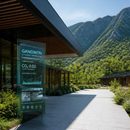
Image generated with Ai
The Algarve region continues to expand its tourism infrastructure with new leisure-focused developments designed to enhance visitor experiences beyond traditional beach tourism. Among these initiatives is a planned freshwater recreational area that reflects Portugal’s broader strategy of diversifying tourism offerings while promoting environmental balance and sustainable regional development.
This type of inland water leisure project is part of a growing trend in Southern Europe, where destinations are investing in alternative tourism facilities to reduce pressure on coastal zones while still meeting rising visitor demand.
Advertisement
Authorities and regional planners have increasingly emphasized the importance of balancing tourism growth with environmental protection, especially in regions that experience heavy seasonal visitor traffic.
Freshwater leisure areas are designed to offer safe, controlled swimming and recreation environments that are not directly dependent on ocean conditions. These spaces typically include landscaped bathing zones, green recreational parks, pedestrian access routes, and family-friendly facilities.
Advertisement
In the Algarve, such developments are being considered as part of broader municipal planning strategies that align with national tourism sustainability objectives supported by Portuguese public planning frameworks.
Key goals of freshwater leisure projects include:
Portugal’s tourism development strategy increasingly promotes diversification of visitor experiences. Inland water attractions, including lakes, reservoirs, and controlled bathing zones, are becoming more relevant in areas facing coastal overcrowding during summer months.
This shift is supported by broader European tourism planning approaches that encourage:
The Algarve, as one of Portugal’s most visited regions, is particularly focused on ensuring long-term environmental and economic sustainability.
Freshwater recreational developments are not only designed for tourists but also for local populations. These projects often become community spaces that provide accessible outdoor recreation and improve quality of life.Benefit Area Impact Tourism Management Reduces overcrowding on coastal beaches Local Recreation Provides safe swimming and leisure areas Environmental Protection Helps preserve marine ecosystems Economic Activity Supports nearby cafés, shops, and services Urban Development Enhances surrounding public infrastructure
Municipal planning authorities often integrate such projects into broader regional development strategies that combine tourism, environmental stewardship, and community well-being.
The Algarve region remains one of Portugal’s strongest tourism engines, attracting millions of visitors annually due to its beaches, climate, gastronomy, and cultural heritage. However, rising visitor numbers have also increased the need for sustainable planning.
National tourism frameworks promoted through Portuguese public institutions emphasize:
Freshwater leisure projects fit into this long-term vision by distributing tourism activity more evenly across the region.
While the Algarve is internationally recognized for its coastline, tourism authorities have been actively working to expand its appeal beyond beach-focused travel.
Freshwater recreational areas contribute to this diversification by offering:
These additions help position the Algarve as a more versatile destination capable of attracting visitors throughout the year.
Environmental sustainability is a central component of modern tourism development in Portugal. Freshwater leisure projects are typically designed with ecological safeguards to ensure minimal environmental disruption.
Common sustainability measures include:
These measures align with broader European Union environmental and tourism sustainability goals.
| Feature | Coastal Tourism | Freshwater Leisure Areas |
| Location | Atlantic coastline | Inland or semi-inland zones |
| Seasonality | Highly seasonal | More year-round use |
| Crowd Pressure | High in summer | More evenly distributed |
| Environmental Impact | Higher coastal pressure | Lower marine ecosystem stress |
| Visitor Type | International beach tourists | Families, locals, mixed tourism |
Tourism remains a key economic pillar for the Algarve region, supporting employment across hospitality, transportation, entertainment, and retail sectors.
Diversification into freshwater and inland tourism contributes to:
This approach supports a more balanced and resilient tourism economy.
The Algarve is expected to continue investing in diversified tourism infrastructure as visitor expectations evolve. Freshwater leisure developments represent a shift toward more sustainable, inclusive, and environmentally balanced tourism models.
As climate considerations, seasonal crowding, and sustainability priorities become more important, such projects are likely to play a growing role in shaping the region’s tourism identity.
The development of freshwater leisure facilities in the Algarve reflects a broader transformation in Portugal’s tourism strategy. By expanding recreational options beyond traditional coastal beaches, the region is moving toward a more sustainable and balanced tourism model that benefits both visitors and local communities.
This evolution positions the Algarve not only as a sun-and-sea destination but also as a forward-looking region focused on environmental responsibility, year-round tourism activity, and improved quality of life.
Advertisement
Tags: Algarve tourism, coastal development Portugal, eco tourism Algarve, freshwater beach Algarve, Loulé tourism
Advertisement
Advertisement












Friday, September 4, 2026
Friday, September 4, 2026
Friday, September 4, 2026
Friday, September 4, 2026

Thursday, September 3, 2026

Wednesday, September 2, 2026
Friday, September 4, 2026