Somudranil Sarkar
Somudranil Sarkar
Somudranil Sarkar
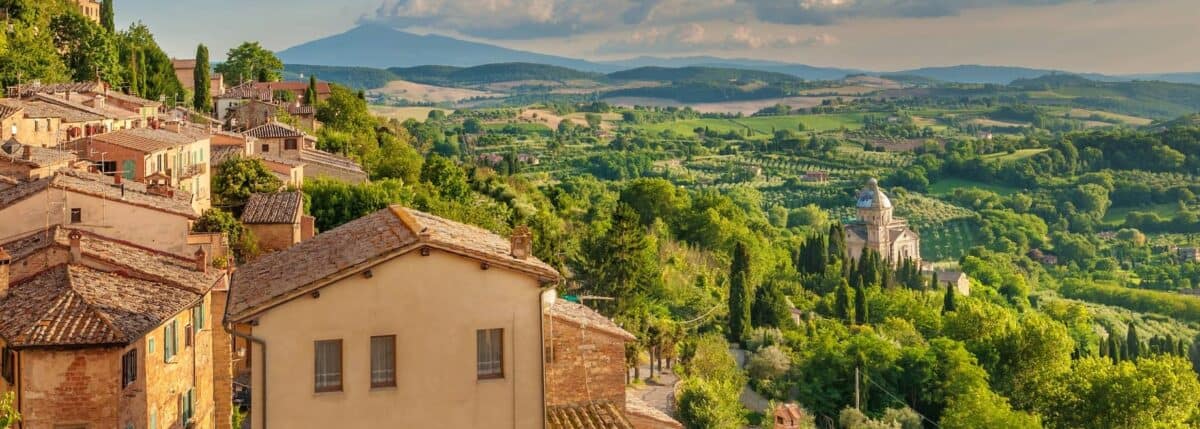
Image generated with Ai
Unprecedented summer heat waves of 2026 are disrupting European travel and showing how unprepared the traditional Mediterranean summer destinations are. Rome and Athens are overwhelmed and are starting to see a mass exodus of residents and a decline in tourism. With the masses starting a new trend of coolcations, there has been a huge increase (74%) in bookings of vacations in Northern Europe. Southern Europe is struggling to hold onto its traditions as summer destinations with the new climate changes. The emerging areas of summer tourism are in the Nordic and Alpine countries. With the changing climate, it is vital for all hospitality segments to know and understand these changes.
The concept of taking a summer holiday has long been synonymous with the Mediterranean. For decades, the sun-drenched beaches of Spain, Italy, and Greece dominated the global tourism market, drawing millions of international visitors seeking warmth, culture, and coastal relaxation. However, the rapidly accelerating impacts of climate change have begun to challenge this deeply entrenched paradigm. As average global temperatures continue to climb, what was once considered a pleasant summer retreat has, in many southern regions, morphed into an endurance test against extreme and potentially dangerous heat.
Advertisement
This profound climatic shift has given rise to one of the most significant European tourism trends of the century. Tourists, no longer willing to subject themselves to the physical toll of 40-degree Celsius days, are fundamentally altering their booking habits. The result is a substantial rerouting of global travel flows away from the equator and towards higher latitudes. This phenomenon is not a temporary blip; it represents a structural realignment of the international hospitality industry, driven by the inescapable realities of environmental change.
Recent data compiled by the European Travel Commission (ETC) and leading global travel platforms reveals a stark reality: search interest and active bookings for cooler-climate destinations have skyrocketed. According to industry analytics released in the first half of 2026, there has been a staggering 74% year-on-year increase in travel-related queries for Northern European nations. This metric alone underscores the sheer velocity of the coolcation shifts taking place across the continent.
Advertisement
Travellers are strategically seeking out destinations where daytime temperatures remain in the comfortable low-to-mid twenties, allowing for uninterrupted outdoor exploration without the looming threat of heat exhaustion. The surge is particularly pronounced among family demographics and older travellers, groups for whom extreme heat poses the most significant health risks. This pivot is rapidly transforming formerly quiet summer periods in Scandinavia and the Baltics into bustling peak seasons, entirely redefining their national tourism economies.
The European environment has been sending warning signals for several years, but the summer of 2026 has acted as a definitive tipping point. The Copernicus Climate Change Service reported that western and southern Europe experienced some of the highest sustained temperature anomalies on record starting as early as May 2026. With heat domes settling over the Mediterranean basin for weeks at a time, the traditional summer holiday map is being forcibly redrawn.
This environmental reality means that latitude and altitude are now premium commodities in the travel sector. Destinations that can guarantee a temperate climate are suddenly finding themselves at the top of travel itineraries. The map of European tourism is no longer dictated solely by historical landmarks or culinary excellence; it is increasingly governed by isothermal lines and meteorological forecasts. As a result, the industry is witnessing a geographical dispersion of tourism revenue that heavily favours the north.
For generations, Rome and Athens have stood as the undisputed titans of cultural tourism. Their ancient ruins, vibrant street life, and world-class gastronomy have made them mandatory stops on any comprehensive European tour. Yet, these major metropolitan cities are currently bearing the brunt of the Mediterranean climate crisis. The sheer density of their urban environments, combined with geographical positioning, has transformed them into urban heat islands during the peak summer months.
The consequences of this extreme heat have been highly visible and economically disruptive. The traditional influx of July and August tourists is visibly thinning out as visitors heed the warnings of global meteorological agencies. The very attractions that draw millions—exposed archaeological sites, expansive piazzas, and outdoor dining—are precisely the areas most hostile to human comfort during a severe heatwave.
In Italy, the summer of 2026 brought relentless heat that fundamentally disrupted the tourism ecosystem. By late June, red heat warnings were issued for 22 major cities, stretching from Bolzano in the Alpine north all the way down to Palermo in Sicily. Rome, a city built on outdoor socialising and open-air historical exploration, found itself paralysed.
The impacts of these Mediterranean heatwaves were palpable on the streets. Hospitals across the Italian capital reported significant spikes in heat-related emergency admissions, forcing local authorities to issue advisories urging tourists to remain indoors during peak daylight hours. For a city whose economy relies heavily on foot traffic through its historic centre, the directive to avoid the outdoors was economically stifling. Tour guides reported mass cancellations, and outdoor cafes saw their usually lucrative afternoon trade evaporate as visitors retreated to the safety of air-conditioned hotel rooms.
Athens faced a similarly dire situation, with its flagship monument serving as the most potent symbol of the crisis. When temperatures surged past 45°C, the Greek government was forced into the unprecedented but necessary decision to close the Acropolis during the hottest parts of the day to prevent mass heatstroke among tourists. This was not merely an inconvenience; it was a glaring indicator that the traditional model of Mediterranean summer tourism was becoming physically unsustainable.
Beyond the capital, the broader Greek tourism product, heavily reliant on island-hopping and beach holidays, faced severe operational challenges. Massive wildfires, fuelled by arid conditions and searing heat, scorched tens of thousands of hectares across regions like Attica and the Peloponnese. The Hellenic Red Cross had to pivot resources to assist with the evacuation of both residents and holidaymakers, creating a backdrop of anxiety that stands in stark contrast to the carefree image typically associated with a Greek island getaway.
As the Mediterranean battles to mitigate the impacts of extreme weather, Northern Europe is experiencing an unprecedented tourism renaissance. Nations that traditionally marketed themselves primarily as winter destinations or niche cultural getaways are suddenly finding their summer calendars fully booked. This is the direct result of the rapidly accelerating coolcation shifts, a movement that prioritises climatic comfort alongside cultural enrichment.
The appeal of the north is multifaceted. Beyond simply offering lower temperatures, these regions boast pristine natural landscapes, extensive outdoor recreation opportunities, and world-class urban infrastructure. Furthermore, the concept of “friluftsliv”—the Nordic philosophy of embracing outdoor life—aligns perfectly with the desires of modern travellers seeking wellness, nature, and active holidays without the oppressive heat of the south.
Sweden, Norway, and Denmark have emerged as the primary beneficiaries of this changing tide. Official statistics reflect a staggering surge in foreign overnight stays. Visit Sweden has actively capitalised on this moment, promoting the country not just as a cooler alternative, but as a superior summer destination offering uncrowded lakes, lush forests, and vibrant, walkable cities like Stockholm and Gothenburg.
Norway, long celebrated for its dramatic fjords and dramatic coastlines, has seen an immense influx of European and North American visitors. The appeal is straightforward: the ability to hike, kayak, and explore in comfortable, temperate conditions, often enhanced by the extended daylight hours of the midnight sun. This influx has prompted rapid development in local hospitality sectors, with rural communities and previously quiet northern towns experiencing a surge in economic activity that is fundamentally reshaping their local economies.
While Scandinavia captures the headlines, other temperate regions are quietly reaping the rewards of this mass migration. The Baltic states—Estonia, Latvia, and Lithuania—are reporting record numbers of summer arrivals. Cities like Tallinn and Riga offer rich mediaeval history, exceptional culinary scenes, and coastal breezes that keep temperatures firmly in the comfortable range.
Similarly, Ireland has cemented its status as a premier coolcation destination. The European Travel Commission noted a phenomenal 30% increase in Irish arrivals in early 2026 reports. Known for its verdant landscapes and famously mild (if occasionally wet) summers, Ireland offers the exact antidote to Mediterranean heat that many travellers are seeking. The nation’s ability to offer rich cultural experiences, historic castles, and scenic coastal drives without the threat of a heat dome has positioned it perfectly within the new tourism hierarchy.
The anecdotal evidence of a changing tourism landscape is robustly supported by official data and extensive economic monitoring. National statistical offices, alongside pan-European travel organisations, have been tracking this migration with increasing granularity. The numbers reveal a travel industry in the midst of a historic realignment, demanding attention from investors, policymakers, and local governments alike.
Analysing these summer travel statistics is vital for understanding the permanence of the shift. This is not a fleeting trend driven by social media algorithms; it is a sustained, data-backed movement responding to objective environmental conditions. The empirical evidence points to a future where climate resilience is the defining characteristic of a successful tourism destination.
The ETC’s reports for 2025 and 2026 have painted a clear picture of the evolving European market. While overall international tourist arrivals to Europe remain strong—showing a 5.6% increase in the first quarter of 2026 alone—the distribution of these arrivals is changing rapidly. The reports highlight that while traditional southern destinations maintain high volumes due to historical inertia and existing infrastructure, the highest rates of proportional growth are undeniably concentrated in the north.
Crucially, the ETC data indicates a fundamental shift in traveller sentiment. Surveys reveal that a significant percentage of travellers from Europe’s top source markets are actively planning to alter their travel dates or destinations specifically to avoid extreme heat and overcrowding. This data suggests that the coolcation shifts are transitioning from a reactive measure (fleeing an active heatwave) to a proactive planning strategy, deeply embedded in the consumer decision-making process.
The aviation sector, always a leading indicator of tourism trends, has rapidly adjusted its operations to mirror this new reality. Major European carriers and budget airlines alike have notably expanded their summer flight schedules to Nordic capitals, Scottish hubs, and Baltic cities. The capacity increases on routes to cities like Copenhagen, Oslo, and Edinburgh reflect a concrete commitment from the aviation industry to service the surging demand for cooler climates.
Conversely, airlines operating routes to the Mediterranean during peak summer are facing unique operational challenges. Extreme heat physically impacts aircraft performance, reducing air density and forcing airlines to restrict passenger numbers or cargo to ensure safe takeoffs from sweltering southern runways. These logistical hurdles, combined with changing consumer demand, are forcing airlines to critically evaluate their long-term fleet deployment strategies across the European continent.
The economic fallout from this geographic shift poses a profound challenge to Southern European economies, many of which rely heavily on tourism as a primary driver of their Gross Domestic Product (GDP). In countries like Greece, Italy, and Spain, the summer tourism season has historically provided the financial lifeblood for countless coastal communities and historic cities. As the peak season becomes synonymous with extreme heat, the economic foundations of these regions are being tested.
This is not to say the Mediterranean tourism industry is collapsing, but it is undergoing a painful and necessary transition. The traditional business model—maximising revenue during a condensed eight-week window in July and August—is proving increasingly unviable. Businesses are being forced to adapt to a reality where their most historically profitable months may soon become their most operationally challenging.
The immediate financial impact of severe heatwaves is felt most acutely by small and medium-sized enterprises (SMEs). Restaurants reliant on outdoor terraces, independent tour operators, and local transport services suffer immediate revenue drops when tourists are advised to stay indoors. Furthermore, the rising cost of energy required to constantly run air conditioning systems places immense pressure on the profit margins of local hoteliers and hospitality venues.
Additionally, the perception of danger—fuelled by international news reports of wildfires, evacuations, and overwhelmed hospitals—leads to a tangible increase in last-minute cancellations. This unpredictability makes it incredibly difficult for local businesses to manage staffing, order supplies, and project annual revenues, introducing a level of volatility that deters future investment in these regions.
To combat the economic drain of the coolcation shifts, Southern European governments are recognising the urgent need for massive infrastructure overhauls. This goes beyond simply installing more air conditioning. It requires comprehensive urban planning to mitigate the heat island effect in cities like Rome and Athens. Initiatives include planting thousands of urban trees, installing extensive public shading structures, and redesigning public squares to incorporate advanced cooling and water features.
Furthermore, there is a concerted push to upgrade the resilience of essential utilities. The heatwaves of 2026 placed unprecedented strain on local power grids and water supplies. Ensuring uninterrupted service during extreme weather events is now a prerequisite for maintaining a functional tourism industry. These infrastructure investments are monumental in scale and require significant capital, but they are viewed as existential necessities for the survival of the Mediterranean hospitality sector.
The sheer scale of the climatic challenge has forced tourism from the periphery of economic policy to the absolute centre of national security and economic planning. Governments across Europe, guided by institutions like the UN Tourism body and national statistical offices, are rapidly drafting new legislation and policy frameworks to manage the changing flow of global travellers.
These interventions highlight a growing recognition that tourism can no longer be left entirely to the free market. The environmental and social pressures are simply too great. We are witnessing the birth of highly regulated, climate-conscious tourism policies designed to protect both the visitor experience and the long-term viability of the destinations themselves.
In response to the crises of recent summers, Southern European ministries have implemented stringent emergency protocols designed specifically for the tourism sector. These include mandated closure times for outdoor attractions during extreme heat alerts, the establishment of dedicated cooling centres in major tourist hubs, and the deployment of emergency medical teams to high-traffic historical sites.
Moreover, governments are actively funding awareness campaigns aimed at incoming tourists, educating them on the dangers of the Mediterranean sun and promoting safer travel behaviours. There is also a significant legislative push to protect tourism industry workers, with new labour laws restricting outdoor working hours for guides, hospitality staff, and maintenance crews when temperatures breach critical safety thresholds.
Conversely, Northern European governments face a entirely different policy challenge: managing unprecedented growth. The influx of tourists driven by the Northern Europe travel boom threatens to overwhelm local ecosystems and infrastructure that were never designed for mass tourism. Consequently, nations like Norway, Sweden, and Iceland are rapidly implementing strict sustainable tourism strategies.
These policies include the introduction of tourist taxes designed to fund infrastructure improvements, the capping of daily visitor numbers to sensitive natural sites, and stringent regulations on short-term rentals to protect local housing markets. Northern governments are determined to avoid the pitfalls of overtourism that have plagued the Mediterranean for decades, aiming instead for a high-value, low-impact tourism model that preserves the very environment that is currently drawing millions to their shores.
The private sector is rarely slow to react to shifting consumer demands, and the European hospitality and aviation industries are currently executing a massive operational pivot. The traditional playbooks that governed European summer travel are being rewritten in real-time. From the architectural design of new hotels to the algorithmic pricing of flight routes, every facet of the industry is adapting to the realities of a warming continent.
This adaptation requires immense capital expenditure and a willingness to abandon long-held assumptions about when and where people want to travel. The companies that successfully navigate these coolcation shifts will secure dominance in the market for decades to come, while those that rigidly adhere to outdated models face obsolescence.
The hospitality sector in Northern Europe is experiencing a construction and renovation boom. International hotel chains are aggressively expanding their portfolios in Nordic and Baltic cities, anticipating sustained long-term demand. Furthermore, the types of accommodations being sought are changing. There is a marked increase in demand for eco-lodges, wellness retreats, and nature-integrated resorts that capitalise on the northern landscape.
In the south, the focus is squarely on climate resilience. Hotels are investing heavily in advanced, sustainable cooling technologies, redesigning outdoor spaces to maximise shade and airflow, and shifting their operational focus to early morning and late evening activities. The standard Mediterranean resort model is evolving from a sun-worshipping destination to a highly managed, climate-controlled oasis.
Perhaps the most significant industry-wide change is the dismantling of the traditional summer schedule. Historically, July and August were the undisputed kings of the European tourism calendar. However, the intensity of the heat has forced a structural shift towards what is known in the industry as “shoulder season” travel.
Operators in the Mediterranean are actively incentivising travel in May, June, September, and October. During these months, the weather is significantly milder, the crowds are thinner, and the overall experience is vastly superior. This strategic elongation of the tourism season requires coordinated efforts between airlines, hotels, and local governments to ensure that full services and infrastructure are available outside the traditional peak window.
The reverberations of the great European tourism reshuffle extend far beyond the immediate hospitality sector. The tourism industry impact touches nearly every aspect of civic life in affected regions, influencing real estate markets, local employment dynamics, and the daily routines of millions of European citizens.
As the economic centre of gravity for summer tourism drifts northwards, we are witnessing a profound cultural and social transition. This is not just about where people spend their holidays; it is about how national identities and local economies adapt to a world where the weather can no longer be relied upon to behave as it has for centuries.
The overriding concern driving this entire shift is public health. The World Health Organisation (WHO) and various national health ministries have explicitly highlighted the severe dangers posed by extreme heat events. Heat stress is a leading cause of weather-related mortality globally, and the European tourism sector has been forced to acknowledge its duty of care in this regard.
Travel insurance companies are radically altering their policies, increasingly incorporating clauses related to extreme weather disruptions and heat-related medical emergencies. Tour operators are fundamentally redesigning their itineraries to minimise physical exertion during daylight hours. The romanticised notion of enduring the sweltering European summer has been replaced by a pragmatic, health-first approach to travel planning, fundamentally altering the public’s relationship with summer holidays.
The public impact of shifting travel to the shoulder seasons is profound. It requires a societal reevaluation of when holidays are traditionally taken. In many European nations, school holidays dictate the summer travel window. As the peak summer months become increasingly hostile in popular southern destinations, there is growing pressure on educational institutions and governments to reconsider the structure of the academic year.
If families are restricted to travelling in July and August, they will increasingly default to Northern European coolcations. To save their domestic tourism markets, Mediterranean countries may eventually need to lobby for staggered school holidays across the continent, allowing a more even distribution of visitors throughout the milder spring and autumn months. This demonstrates how a climatic shift in tourism demand could ultimately reshape broad societal structures.
As we look toward the remainder of the 2020s and into the 2030s, the pressing question is whether these coolcation shifts represent a temporary anomaly or a permanent paradigm shift. All available data from leading meteorological and economic institutions suggests the latter. Climate models unanimously project that extreme heat events in Southern Europe will become more frequent, more intense, and longer-lasting.
Consequently, the European tourism sector is not simply weathering a storm; it is adapting to a new geological epoch. The historical dominance of the Mediterranean summer is effectively over, replaced by a more complex, geographically diverse, and climate-dependent tourism ecosystem.
The long-term forecast points toward a bifurcated European travel market. Northern Europe will likely solidify its position as the premier destination for peak summer travel, drawing those seeking active, outdoor, and temperate holidays. The region will need to manage this permanent influx carefully to maintain its pristine appeal.
Conversely, Southern Europe will transition away from the peak summer model. Destinations like Rome, Athens, and the Spanish coasts will rebrand themselves as optimal spring and autumn destinations, capitalising on their rich cultural heritage and mild off-season climates. The summer months in the south may increasingly cater to specific niches, such as extreme heat-tolerant demographics or highly insulated, resort-based luxury tourism.
Ultimately, the 74% surge in coolcation bookings is a testament to the resilience and adaptability of the global traveller. People will continue to travel; they will simply change how, when, and where they go to protect their comfort and safety. For the global hospitality industry, the mandate is clear: climate resilience is no longer an optional sustainability initiative; it is the core foundation of future profitability.
Governments, official tourism boards, and private enterprises must work in unprecedented harmony to build infrastructure, draft policies, and design experiences that acknowledge the realities of a warming world. The destinations that thrive in the coming decades will be those that offer safe, comfortable, and sustainable refuge from an increasingly volatile global climate.
The remarkable acceleration of coolcation shifts across Europe in 2026 proves that climate dynamics are now dictating tourism economics. Destinations like Rome and Athens must urgently adapt their infrastructure to survive this unrelenting transformation, whilst Northern European countries capitalise on their newly found appeal. As heatwaves become commonplace rather than exceptional, the historic Mediterranean monopoly over summer holidays is permanently fractured. Governments and tourism boards must pivot swiftly to embrace this new reality, ensuring sustainable economic growth without overwhelming vulnerable local ecosystems. Ultimately, the future of European travel belongs to those who successfully balance environmental consciousness with exceptional visitor experiences.
Advertisement
Tags: Coolcation shifts, European tourism, Mediterranean heatwaves, Northern Europe travel, Travel News
Advertisement
Advertisement













Friday, September 4, 2026

Friday, September 4, 2026

Friday, September 4, 2026

Thursday, September 3, 2026

Wednesday, September 2, 2026

Friday, September 4, 2026

Friday, September 4, 2026