
Greece Flight Delays Rise as Tourism Surge Puts Pressure on Europe’s Summer Aviation Network

Published
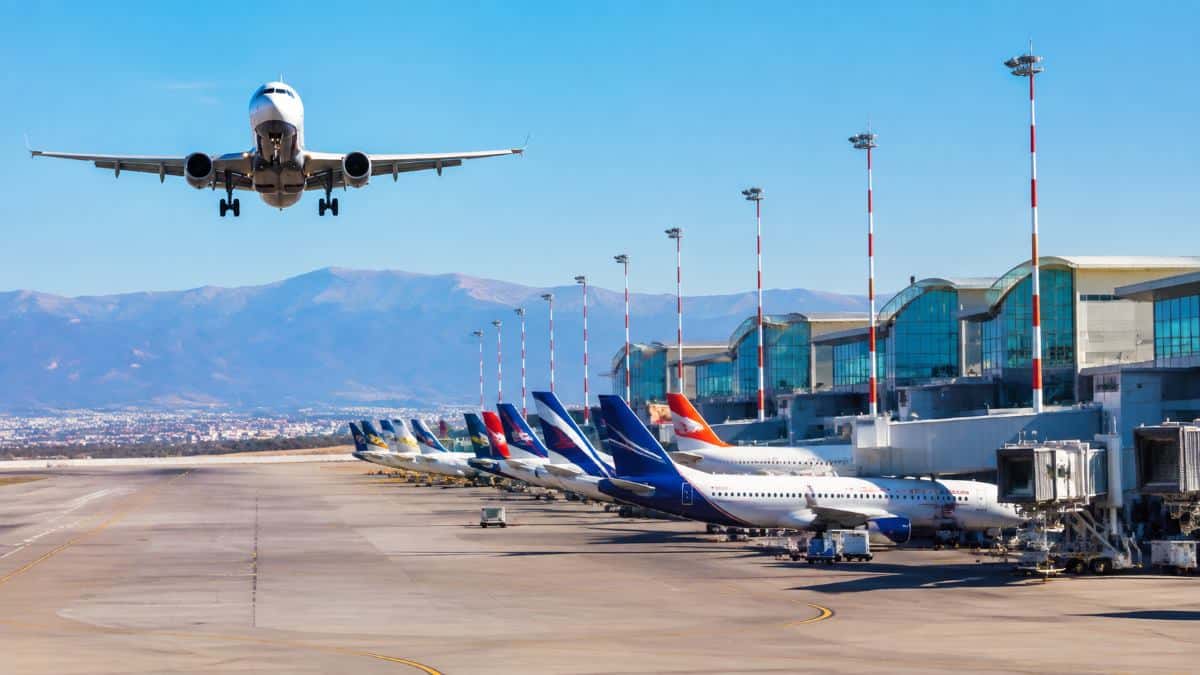
Image generated with Ai
Between 27 July and 2 August 2026, Greece ranked third in Europe for air traffic management flight delays. The record-breaking summer travel demand put additional pressure on Greece’s air travel network and air traffic control. The impact was most noticeable during Greece’s largest travel season when thousands of travelers passed through Athens and the island travel gateways of Crete, Rhodes, Santorini, and Mykonos. Of the total European air traffic management delays during this period, Greece accounted for 11 percent, behind France and Spain, according to Eurocontrol data.
The air traffic control challenges Greece faces during the rising demand for travel to European holiday destinations reveals the challenge Greece faces in balancing the growing demand of air travel. Greece remains one of the most visited countries as evidenced by the high demand for travel, but the high demand is also a challenge as it grows capacity constraints, runway worker capacity, and overall travel demand coordination.
Greece Aviation Network Faces Pressure During Peak Tourism Season
Eurocontrol data showed that Greece represented the third-largest share of European en-route air traffic flow management delays during the final week of July and early August 2026. France recorded the highest share with 40%, followed by Spain at 14%, while Greece contributed 11% of the continent’s total delay time. The delays were linked mainly to limited airspace capacity and air traffic control staffing pressures. Greece’s Athens Area Control Centre contributed 7% of Europe’s total delay time, while the Macedonia Control Centre accounted for another 4%.
The situation reflects wider European aviation pressures, where strong summer demand has pushed networks close to operational limits. Eurocontrol has warned that European air traffic levels are increasing, with summer 2026 traffic expected to rise compared with the previous year and some periods experiencing significantly higher volumes.
Advertisement
Advertisement
Rising Visitor Numbers Increase Demand Across Greek Airports
Greece’s aviation pressure is closely connected with the strength of its tourism sector. The country attracts millions of international visitors every summer, creating intense demand at airports serving mainland cities and island destinations. Athens International Airport acts as the primary gateway for global arrivals, while regional airports handle large seasonal flows to popular destinations across the Aegean and Ionian seas.
Advertisement
Advertisement
During the summer peak, airports including:
- Athens International Airport
- Heraklion Airport in Crete
- Rhodes International Airport
- Santorini Airport
- Mykonos Airport
- Thessaloniki Airport
experience significant increases in passenger movements. The high concentration of flights within a short seasonal period creates additional operational challenges. Airlines must coordinate aircraft rotations, airport slots, crew schedules and connecting passenger movements while air traffic controllers manage increasingly busy skies.
Air Traffic Control Capacity Remains a Key Challenge
The latest delays underline the importance of air traffic management capacity as European aviation continues recovering and expanding after previous disruptions. Across Europe, air traffic control capacity and staffing shortages have become major contributors to delays. During the measured period, capacity and staffing issues were responsible for a significant share of European en-route delays. For Greece, the challenge is particularly important because tourism demand is concentrated during a few high-volume months. The country must manage large numbers of international flights while maintaining reliable connections between airports, airlines and tourism destinations.
Industry planning increasingly focuses on improving:
- Air traffic controller availability
- Aviation technology systems
- Airport operational efficiency
- Peak-season traffic management
- Coordination between aviation authorities and airlines
These improvements are considered essential as Greece continues expanding its position as one of Europe’s leading leisure destinations.
Advertisement
Advertisement
Traveller Impact Limited to Flight Operations
The current situation primarily affects flight schedules rather than entry requirements or tourism access. There have been no reported changes to Greece’s visa, passport or border procedures linked to the delays.
Travellers visiting Greece during the busiest summer months may experience:
- Longer airport waiting times
- Delayed departures or arrivals
- Changes to connecting flight schedules
- Extended transfer periods
Passengers travelling through Greek airports are advised to monitor airline updates, allow additional airport time and avoid tight connections during peak travel periods.
Greece Tourism Growth Creates Need for Long-Term Aviation Investment
Greece’s successful tourism drives flight delays. Greece’s tourism draws more international travel during the summer season. However, Greece’s tourism success needs a focus on aviation to keep up tourism growth. Air traffic management systems, airports, and capacity need to increase to meet traveler demands.
Greece’s challenges, according to Eurocontrol’s data, are not a decline in tourism demands but the issues that come with the rapid growth of Greece’s travel markets. Aviation resilience faces challenges from growing tourism and international travel to Greece. Greece’s travel markets continue to grow and strong travel to Greece impacts tourism markets for years to come.
Advertisement
