
Puerto Rico, Jamaica And More Nations Hit By Over 5% Oil Cost Increase Raising Concerns For Tourism Recovery

Updated
Published
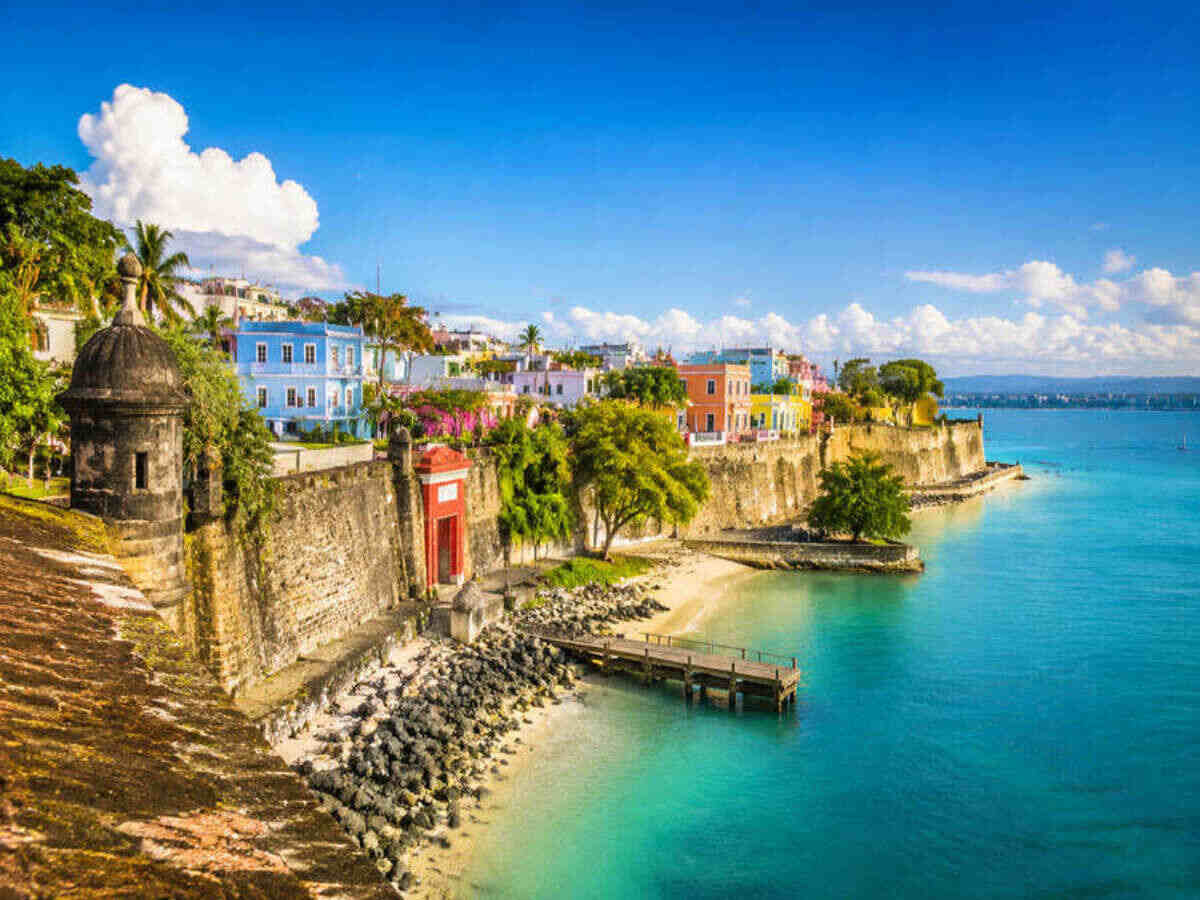
Image generated with Ai
Caribbean Tourism Undergoes New Pressure Due to Increase in Oil Prices for Transport, Travel, GDP, and Recovery. There is new pressure on Caribbean tourism due to increases in world oil prices and the cost of travel, transportation, airline fees, and business operations in the Caribbean due to the high oil prices. This has been brought about by the current oil price increase to $96 per barrel due to tension in the Middle East.
For Caribbean economies, the impact goes far beyond petrol prices. Tourism — one of the region’s most important economic engines — depends on affordable air travel, cruise operations, reliable transportation, and competitive holiday packages. As fuel costs climb, governments, airlines, hotels, and tourism operators are facing difficult decisions to protect growth.
Several Caribbean nations are already experiencing fuel cost increases above 5%, creating concerns about tourism competitiveness, inflation, and economic recovery.
Oil Price Shock Creates New Pressure on Caribbean Economies
Many Caribbean nations import most of their fuel requirements. Unlike major oil-producing economies, small island states have limited protection from international energy price movements.
Advertisement
Advertisement
When global oil prices rise, the impact spreads across multiple industries:
Advertisement
Advertisement
| Sector | Impact of Rising Oil Costs |
|---|---|
| Aviation | Higher jet fuel expenses and increased airfares |
| Cruise Tourism | Rising ship fuel and operating costs |
| Hotels | Higher electricity and transport expenses |
| Local Transport | Increased taxi, bus and rental vehicle costs |
| Food Supply | Higher shipping and logistics expenses |
| Tourism Businesses | Increased operating costs |
The aviation sector is one of the first areas affected because fuel represents a major share of airline expenses. Caribbean Airlines, for example, introduced fuel surcharges during periods of sharp fuel cost increases as carriers attempted to manage higher operating expenses.
Caribbean Nations Facing More Than 5% Oil Cost Increase
| Country | Approximate Fuel Cost Increase | Main Tourism Challenge |
|---|---|---|
| Haiti | +29.5% | Transport costs, business pressure and visitor affordability |
| Guyana | +23.5% | Rising domestic travel and logistics costs |
| Puerto Rico | +20% | Energy costs, aviation and tourism operations |
| Jamaica | +16.8% | Higher transport and resort expenses |
| Grenada | +13.1% | Small economy pressure and tourism costs |
| Belize | +11.6% | Higher transport and tourism activity costs |
| Suriname | +9.3% | Increased import and operating expenses |
| Trinidad and Tobago | Minimal impact | Better protection due to energy production |
| Barbados | Limited impact | Government measures reduce consumer pressure |
| Saint Lucia | Limited impact | Fuel support measures soften impact |
Puerto Rico Faces Rising Energy Costs and Tourism Challenges
Puerto Rico is among the Caribbean destinations most exposed to rising oil prices because the island depends significantly on imported fuel.
The increase in energy costs affects multiple parts of the economy, especially tourism.
Advertisement
Advertisement
Higher Electricity Expenses
Hotels, resorts, restaurants, and attractions depend heavily on electricity for:
- Air conditioning
- Kitchens
- Entertainment facilities
- Guest services
- Water systems
When fuel prices rise, operating expenses increase across the hospitality industry.
Advertisement
Advertisement
For Puerto Rico’s tourism sector, this creates pressure to maintain competitive prices while managing higher costs.
Aviation Faces New Cost Pressure
Puerto Rico relies heavily on air connectivity, particularly from the mainland United States.
Higher oil prices can result in:
- More expensive airline operations
- Higher ticket prices
- Increased holiday package costs
This creates a challenge because Caribbean destinations compete strongly on affordability.
If flights become more expensive, travellers may reduce spending or choose alternative destinations.
Advertisement
Advertisement
Tourism Businesses Face Margin Pressure
Hotels, tour operators, restaurants, and transportation companies may face:
- Higher fuel bills
- Higher supply costs
- Increased employee transportation expenses
- Reduced profit margins
For an island economy where tourism plays a major role, prolonged oil price increases could slow growth.
Jamaica Faces Higher Costs Across Tourism Supply Chain
Jamaica is one of the Caribbean’s largest tourism markets, attracting visitors through beaches, resorts, cultural experiences, and cruise arrivals.
However, higher fuel costs are creating pressure across the tourism industry.
Transportation Becomes More Expensive
Fuel increases directly affect:
Advertisement
Advertisement
- Airport transfers
- Tourist buses
- Taxi services
- Rental vehicles
- Island excursions
Popular tourism areas such as Montego Bay, Negril, and Ocho Rios could see increased operational costs.
Hotels and Resorts Struggle With Rising Expenses
Large resorts use significant amounts of energy for:
- Cooling systems
- Food preparation
- Laundry operations
- Guest facilities
Higher fuel prices increase the cost of running these businesses.
Smaller tourism operators often face greater pressure because they have fewer resources to absorb rising expenses.
Bahamas Faces Cruise Tourism Cost Risks
The Bahamas remains one of the Caribbean’s strongest cruise destinations, but rising oil prices create new challenges for the cruise sector.
Advertisement
Advertisement
Cruise operators are highly sensitive to fuel costs because ships consume large quantities of marine fuel.
Higher energy prices can influence:
- Cruise ticket prices
- Ship operating expenses
- Passenger spending patterns
- Future route decisions
Cruise companies globally have faced increased fuel pressure as oil markets become more volatile.
For Bahamian communities dependent on cruise visitors, higher travel costs could affect local businesses.
Grenada Feels Pressure as a Small Island Economy
Grenada is vulnerable because of its dependence on imported fuel.
Advertisement
Advertisement
A fuel increase of around 13% can create wider economic effects.
Challenges include:
- More expensive transportation
- Higher electricity costs
- Increased food delivery expenses
- Higher tourism operating costs
For smaller Caribbean nations, even moderate energy price increases can significantly affect businesses and households.
Belize Faces Higher Costs for Tourism Transport
Belize’s tourism industry depends on:
- Marine tourism
- Eco-tourism
- Adventure travel
- Beach destinations
Fuel costs directly influence many visitor experiences.
Advertisement
Advertisement
Higher prices affect:
- Boat tours
- Airport transfers
- Local transport
- Tourism supply chains
Because many attractions require transportation, fuel increases can quickly raise holiday costs.
Haiti Faces the Largest Fuel Increase Pressure
Haiti recorded one of the largest fuel cost increases among Caribbean markets.
With fuel prices rising around 29.5%, the country faces pressure across:
- Transportation
- Food distribution
- Business operations
- Household expenses
Higher fuel costs can make tourism recovery more difficult because transportation and operating costs increase at the same time.
Advertisement
Advertisement
Guyana Experiences Rising Costs Despite Energy Growth
Guyana has become one of the world’s fastest-growing oil-producing economies, but domestic consumers and businesses can still experience international energy market pressure.
With fuel costs rising around 23.5%, challenges include:
- Higher transport expenses
- Increased logistics costs
- Rising business operations
Tourism services connected to transport and hospitality can also feel the impact.
Trinidad and Tobago Has Greater Protection
Trinidad and Tobago has a stronger position compared with many Caribbean neighbours because of its energy production sector.
The country benefits from:
Advertisement
Advertisement
- Domestic oil and gas resources
- Energy-related revenues
- Greater supply security
However, it is still affected by:
- Global inflation
- Imported goods costs
- Regional economic pressure
Tourism Impact Across the Caribbean
The oil surge creates several risks for the region’s tourism recovery.
| Tourism Area | Possible Impact |
|---|---|
| Air Travel | Higher ticket prices may reduce demand |
| Cruise Industry | Increased fuel costs may affect operations |
| Hotels | Higher electricity and transportation expenses |
| Restaurants | Increased food and logistics costs |
| Excursions | Higher prices for visitors |
| Local Businesses | Lower profit margins |
Rising fuel costs have already raised concerns among tourism officials because Caribbean destinations rely heavily on international visitors arriving by air.
Caribbean Countries Look Toward Energy Independence
The latest oil shock is strengthening calls for Caribbean countries to reduce dependence on imported fossil fuels.
Governments are increasingly focusing on:
Advertisement
Advertisement
- Solar energy
- Wind power
- Battery storage
- Renewable energy investments
Energy diversification could help protect tourism economies from future global oil disruptions.
Puerto Rico, Jamaica, Haiti, Guyana, Grenada, Belize, and other Caribbean nations are facing renewed economic pressure as oil prices rise.
A prolonged period of elevated crude prices could increase airline fares, hotel costs, cruise expenses, and overall holiday prices.
Puerto Rico, Jamaica and other Caribbean countries are seeing higher oil prices as fuel price increases put the growth of tourism at risk.
For Caribbean tourism, the problem is that of keeping affordable prices despite increasing energy prices. Destinations which have increased energy security and kept costs down will find themselves in a stronger position.
Advertisement
