
San Francisco Travel Alert 2026 as 55 Hour I-80 Road Closure and SFO Airport Construction Disrupt Passenger Access: All You Need to Know

Updated
Published
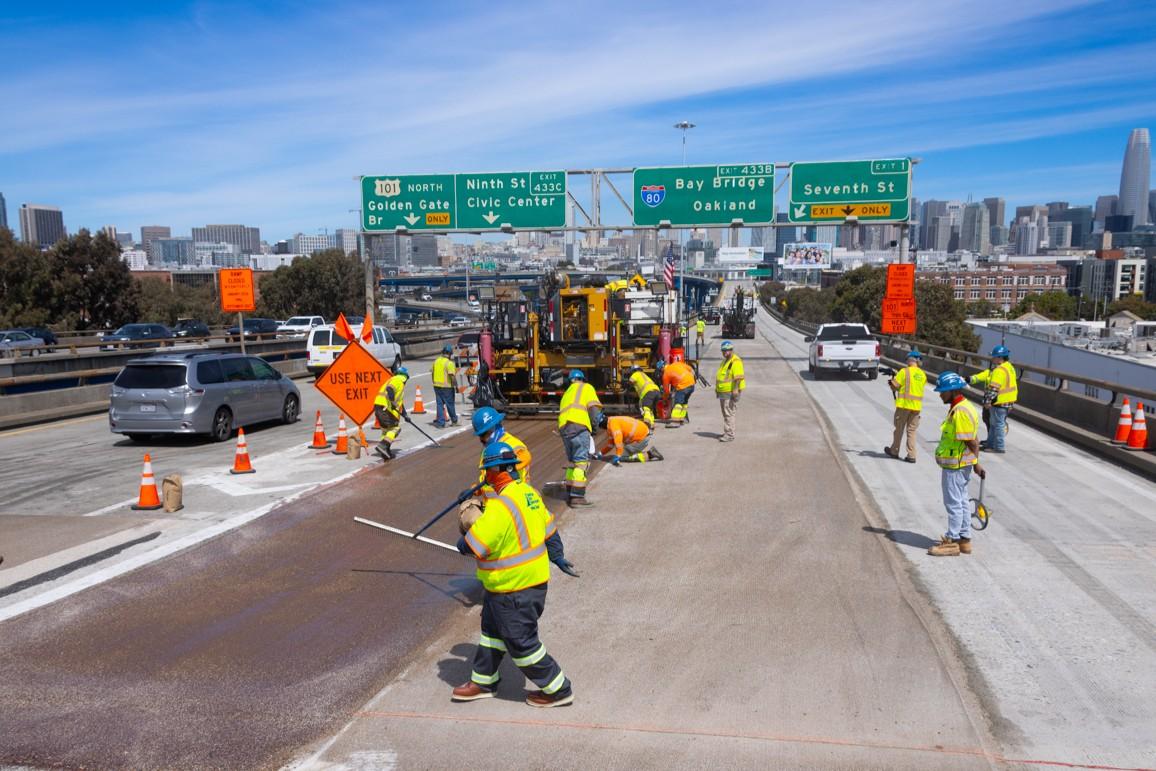
San Francisco, California, is facing significant road travel restrictions from 23 to 26 October 2026 as the California Department of Transportation (Caltrans) carries out essential rehabilitation work on westbound Interstate 80. The 55-hour closure, beginning at 11 pm on Friday and scheduled to end at 6 am on Monday, affects a major route used by motorists entering the city from the San Francisco–Oakland Bay Bridge. Travellers heading to San Francisco International Airport (SFO) may need to adjust their journeys, while ongoing Terminal 3 West construction introduces separate changes to airport drop-off points, check-in facilities and passenger access.
The restrictions form part of a wider infrastructure improvement programme intended to strengthen ageing freeway structures and improve long-term road conditions. Although the motorway closure could create traffic delays, the official notices do not announce an airport shutdown or confirm flight cancellations resulting from the roadworks.
San Francisco Faces 55-Hour Interstate 80 Closure During October Travel Weekend
The California Department of Transportation has scheduled a complete closure of westbound Interstate 80 between 5th Street and 15th Street in San Francisco. The restrictions began late on Friday, 23 October, and are expected to remain in place throughout Saturday and Sunday before the planned reopening early on Monday, 26 October.
The affected section is part of the Bayshore Freeway, which carries traffic towards central San Francisco. The closure allows construction crews to undertake freeway deck rehabilitation, including the placement of polyester concrete. Motorists entering the city from the Bay Bridge are advised to follow official diversion instructions and consider alternative routes.
Advertisement
Advertisement
Official Data Table on San Francisco Interstate 80 Road Closure
| Category | Official information |
|---|---|
| City and state | San Francisco, California, USA |
| Affected highway | Westbound Interstate 80 |
| Road section | Between 5th Street and 15th Street |
| Closure begins | Friday, 23 October 2026, at 11 pm |
| Scheduled reopening | Monday, 26 October 2026, at 6 am |
| Total duration | 55 hours |
| Traffic restrictions | Complete westbound lane closure |
| Last available exit | 5th Street off-ramp |
| Additional diversion | Fremont Street exit |
| Construction activity | Freeway deck rehabilitation and polyester concrete placement |
| Responsible authority | Caltrans District 4 |
| Reopening conditions | Subject to weather and construction progress |
| Official source | California Department of Transportation |
San Francisco International Airport Travellers Advised to Prepare for Possible Road Delays
The motorway restrictions are particularly relevant to passengers travelling through San Francisco and the wider Bay Area. Interstate 80 provides an important connection between the East Bay and central San Francisco, and the closure could increase congestion on alternative roads.
San Francisco International Airport is located south of the city and remains accessible through other routes. However, passengers whose journeys normally involve westbound I-80 may encounter additional driving time.
Advertisement
Advertisement
Airport-bound motorists should check road conditions before departure, follow Caltrans diversion information and allow sufficient time for check-in and security procedures. The official advisory concerns road access rather than airline operations. It does not establish that flights have been cancelled or delayed because of the closure.
Alternative Roads and Public Transport Options for Travellers
Caltrans has advised motorists to avoid entering San Francisco via the Bay Bridge during the affected period where practical. Alternative road connections include the San Mateo Bridge, Dumbarton Bridge and Richmond–San Rafael Bridge, depending on the traveller’s starting point and destination.
Bay Area Rapid Transit (BART) provides another option for passengers travelling to San Francisco International Airport. The railway connects the airport with San Francisco and several other Bay Area locations.
Travellers should check the suitability of each alternative before setting out. Not every bridge provides a direct replacement for the closed section, and some journeys may still require additional road travel.
| Travel option | Official guidance or relevance |
|---|---|
| Bay Bridge westbound approach | Avoid affected travel corridor where possible |
| San Mateo Bridge | Alternative Bay Area road crossing |
| Dumbarton Bridge | Alternative crossing for suitable journeys |
| Richmond–San Rafael Bridge | Alternative northern Bay Area crossing |
| BART | Public transport connection to SFO |
| Caltrans QuickMap | Road closures and live traffic conditions |
| 511 SF Bay | Regional travel and transport information |
| Official source | San Francisco International Airport Traffic Advisory |
SFO Terminal 3 Construction Brings Additional Changes to Airport Access and Check-In
Alongside the Interstate 80 restrictions, San Francisco International Airport is continuing its Terminal 3 West Modernisation Project. The programme involves improvements to passenger check-in facilities, security areas, retail spaces and terminal infrastructure.
The construction has resulted in temporary closures affecting departures, arrivals, baggage collection and movement between airport facilities.
Advertisement
Advertisement
According to SFO’s official construction advisory, the departures-level kerbside between Doors 6 and 13 is closed. Passengers are advised to use Terminal 2 or the Terminal 3 arrivals level for drop-off, depending on their travel requirements.
United Airlines passengers must also check their departure gates carefully. Travellers departing from D and E gates should use the designated Terminal 2 check-in counters, while passengers departing from F gates should use Terminal 3.
The changes are intended to maintain passenger access while construction continues.
Official Data Table on San Francisco Airport Terminal 3 Passenger Changes
| Airport facility | Official construction update |
|---|---|
| Terminal | Terminal 3 West |
| Departures kerbside | Closed between Doors 6 and 13 |
| Alternative drop-off | Terminal 2 or Terminal 3 arrivals level |
| United Airlines check-in | West-end Terminal 3 counters closed |
| D and E gate departures | Use Terminal 2 check-in counters |
| F gate departures | Use Terminal 3 check-in counters |
| Terminal 3 AirTrain station | Closed until replacement opens in 2027 |
| Alternative AirTrain access | Combined Terminals 2 & 3 AirTrain Station |
| Baggage collection | Carousels 1–3 closed |
| Centurion Lounge | Relocated to Terminal 2 |
| Domestic Garage | F walkway closed; E walkway available |
| Terminal connections | Temporary post-security walkways available |
| Official source | San Francisco International Airport |
Terminal 3 AirTrain Closure Will Continue Until New Facility Opens in 2027
One of the longer-term changes at San Francisco International Airport concerns the AirTrain station serving Terminal 3.
SFO has confirmed that the existing station is closed while the replacement facility is being developed. The new station is expected to open in 2027.
Until then, passengers should use the combined Terminals 2 & 3 AirTrain Station. The airport has introduced this arrangement to maintain access between terminals, parking facilities and other airport transport connections.
Advertisement
Advertisement
Travellers arriving by AirTrain should follow the airport’s signs to reach their check-in areas. Those transferring between flights can continue to use designated post-security walkways.
The closure forms part of the airport’s wider modernisation programme rather than a temporary restriction linked to the Interstate 80 roadworks.
Major Infrastructure Rehabilitation Targets San Francisco’s 71-Year-Old Freeway Structures
The Interstate 80 weekend closure is part of Caltrans’ wider rehabilitation of the Central Freeway and Bayshore Freeway viaducts.
According to the transport authority, the structures are approximately 71 years old and carry thousands of vehicles each day. Their continued exposure to heavy traffic, changing weather conditions and seismic demands makes maintenance necessary.
The rehabilitation programme is expected to take approximately two years. Construction activities include concrete overlays, joint repairs, bridge barrier improvements and work on the road deck.
The project is intended to extend the lifespan of the existing infrastructure, improve driving conditions and strengthen safety for motorists. It is also expected to provide safer conditions for pedestrians and cyclists travelling near or beneath the elevated structures.
Advertisement
Advertisement
Caltrans has warned that additional lane reductions and full closures may be necessary as the programme continues.
What the Road Closure Means for San Francisco Tourism and Business Travel
The October restrictions have implications for visitors, business travellers and tourism operators who depend on reliable road connections across the San Francisco Bay Area.
Visitors arriving from the East Bay may need to change their planned routes to central San Francisco. Airport transfers, private car journeys, tour coaches and hotel transport services using the affected corridor could also require additional journey time.
However, the scale of any actual disruption will depend on traffic conditions, individual routes and the time of travel. The official notices do not provide figures for affected tourists, delayed airport transfers or economic losses.
For tourism businesses, the immediate priority is accurate communication. Hotels, travel organisers and transport providers can direct visitors towards Caltrans traffic updates and SFO’s official passenger advisories.
The combination of road rehabilitation and terminal construction also highlights the importance of checking both city transport conditions and airport access arrangements before travelling.
Advertisement
Advertisement
San Francisco Road and Airport Improvements Aim to Support Long-Term Travel Reliability
Although the October closure introduces temporary inconvenience, the underlying projects are intended to improve transport infrastructure.
Caltrans’ rehabilitation programme focuses on preserving important road structures and maintaining safe travel conditions. Meanwhile, SFO’s Terminal 3 modernisation is designed to deliver larger check-in facilities, improved security areas, upgraded building systems and expanded shopping and dining space.
The airport’s published plans include approximately 250,000 square feet of new retail and dining space, alongside additional international swing gates and improved passenger facilities.
These improvements are relevant to San Francisco’s long-term visitor infrastructure, particularly for international arrivals, business travellers and passengers making connections through the airport.
What Travellers Should Know Before the Scheduled 26 October Reopening
The westbound Interstate 80 closure is scheduled to end at 6 am on Monday, 26 October 2026, although Caltrans states that construction work remains weather-dependent.
Until the motorway reopens, motorists should follow official diversions, monitor traffic conditions and allow extra time when travelling through affected parts of San Francisco.
Advertisement
Advertisement
Passengers using SFO should also review Terminal 3 access arrangements, particularly if they are travelling with United Airlines, using AirTrain or planning to drop off passengers at the departures level.
The key distinction is that the road closure and airport terminal works are separate infrastructure activities. Neither official advisory establishes a general shutdown of San Francisco International Airport or confirms widespread flight cancellations.
Image: California Department of Transportation (Caltrans), District 4
Advertisement
