
Greece and China Expanding Cultural Tourism Growth with UNESCO Heritage, AI, Film Festivals and Classics Conference in 2027

Updated
Published
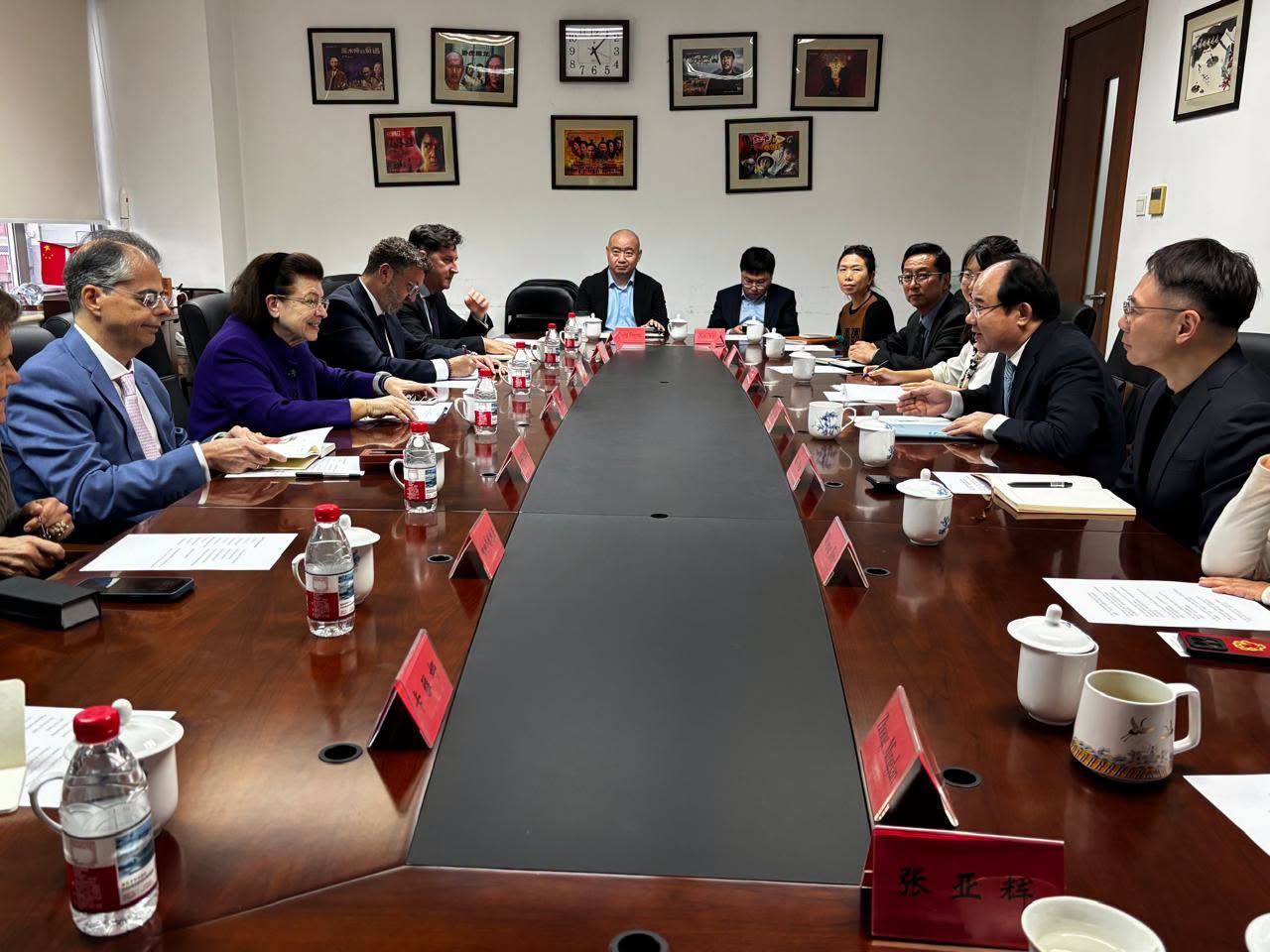
Greece and China have been stepping up their cooperation in the sphere of culture through the implementation of certain initiatives in the field of heritage conservation, archaeological exhibitions, artificial intelligence, films, and international academic contacts. All the steps were made possible by high-level meetings in Beijing where Greek Minister of Culture Lina Mendoni met her Chinese counterparts.
Thus, Greece and China have agreed to hold the third World Conference of Classics in China in April 2027, to continue exhibitions of classical artefacts and build connections between their cultural institutions. Other plans include the Greek Film Festival in China in 2027 and increased involvement in Chinese film festivals, as well as increased efforts to promote audiovisual cooperation.
Greece and China Expand Cultural Cooperation Beyond Ancient Heritage
The latest discussions in Beijing highlighted a broader direction for Greece-China cultural relations, moving beyond traditional archaeological cooperation towards contemporary creative industries and technology. Lina Mendoni met Li Shulei, a senior official responsible for publicity and communication within China’s Communist Party leadership. The meeting also involved Chinese Minister of Culture and Tourism Sun Yeli and Executive Vice Minister Hu Heping. Their discussions focused on cultural heritage, contemporary artistic expression, scientific research and digital innovation.
Both countries recognised the value of their existing partnerships and identified opportunities for further institutional collaboration. The meeting also reinforced the importance of sustained cultural dialogue between European and Asian societies. Although the discussions concerned cultural cooperation rather than a new tourism agreement, their proposed initiatives could help encourage greater awareness of both destinations among international travellers.
Advertisement
Advertisement
April 2027 World Conference of Classics Creates New Academic Travel Opportunities
One of the principal outcomes was an agreement to organise the third World Conference of Classics in China in April 2027. The event will provide a platform for scholars and researchers to explore the historical and intellectual contributions of ancient civilisations. Lina Mendoni proposed a comparative approach examining Greek and Chinese cultural traditions, including their values and lasting influence on humanity.
Chinese representatives welcomed the proposal. The conference builds upon an existing programme of international academic cooperation. The inaugural World Conference of Classics took place in Beijing in November 2024, with participation from scholars and cultural institutions. For the travel industry, international academic gatherings can generate demand for accommodation, transport and professional visitor services. However, attendance estimates and the precise economic implications of the 2027 conference have not yet been announced.
Advertisement
Advertisement
Greek Antiquities Exhibitions Will Continue Attracting Cultural Interest in China
The two countries also agreed to continue organising exhibitions of Greek antiquities in China. These exhibitions introduce Chinese audiences to Greece’s archaeological heritage, artistic traditions and historical development. Museum collaborations are especially important because they allow cultural institutions to present objects within educational settings supported by expert research. Exhibitions can also create opportunities for curators, conservators and archaeologists to exchange professional knowledge.
For Greece, presenting archaeological collections abroad provides an additional way to promote awareness of its cultural identity. Chinese visitors who develop an interest in Greek history may subsequently consider visiting archaeological sites and museums in Greece. However, the Beijing discussions did not announce a new exhibition timetable, participating museums or confirmed attendance targets. The immediate commitment concerns continuing cooperation, with further operational details expected to depend on agreements between the relevant institutions.
Advertisement
Advertisement
Traditional Culture and Intangible Heritage Gain Greater International Attention
Beyond archaeological collections, Greece and China discussed possible exhibitions dedicated to folk traditions and intangible cultural heritage. Intangible heritage includes cultural practices, knowledge and traditions transmitted between generations. Examples may involve traditional music, performing arts, craftsmanship and community celebrations. Unlike archaeological artefacts, these forms of heritage often depend on the continued participation of communities and practitioners.
Promoting them through international exhibitions and exchanges can help audiences understand the living cultural traditions of another country. The discussions therefore signal an interest in representing both ancient and contemporary cultural identities. For cultural tourism, such initiatives could encourage visitors to explore experiences beyond conventional monuments and museums. Nevertheless, the governments have not announced specific exhibition themes, venues or dates for these proposed activities.
Artificial Intelligence Opens New Opportunities for Cultural Heritage Preservation
Artificial intelligence and digital technology featured prominently in the ministerial discussions. Both countries expressed interest in exploring how emerging technologies could support the preservation, study and presentation of cultural heritage. Potential applications include digital documentation, research assistance and improved access to historical collections. The Greek Ministry of Culture also emphasised the importance of establishing clear ethical principles for the development and use of artificial intelligence.
Mendoni proposed examining the possibility of a shared framework for cooperation in this field. The proposal reflects increasing international attention towards the responsible application of technology within cultural institutions. However, the meeting did not result in an announced bilateral AI regulation or a new funded technology programme. The governments instead identified opportunities for further research and cooperation involving digital innovation.
Advertisement
Advertisement
Athens Digital Heritage Laboratory Provides a Foundation for Future Innovation
The latest technology discussions build on existing cooperation between Greek and Chinese cultural institutions. In April 2025, the China-Greece Joint Laboratory for Digital Heritage was inaugurated at the National Archaeological Museum in Athens. The initiative was designed to support research involving digital conservation, virtual exhibitions and artificial intelligence applications in cultural heritage. It brought together institutions and specialists from both countries to explore how technology could improve the study and preservation of historic collections.
Digital documentation can help researchers record cultural objects and examine them without unnecessary physical handling. Virtual exhibitions can also expand educational access for audiences unable to visit museums. For tourism, such technologies may improve the presentation of cultural attractions. The laboratory demonstrates that Greece and China already possess an institutional foundation for the additional digital cooperation discussed in Beijing.
Greece and China Renew Their Focus on International Film Cooperation
The audiovisual industry emerged as another major area of cooperation during a separate meeting between Lina Mendoni and the Chinese Film Administration. The discussions involved Mao Yu, Executive Deputy Director of the administration, and representatives of relevant film institutions. Both countries expressed interest in strengthening cinematic exchanges and supporting international productions.
Four Major Chinese Film Festivals Could Introduce Greek Cinema to Wider Audiences
The discussions also addressed opportunities to promote Greek films through four major Chinese film festivals. This initiative could increase the visibility of Greek cinema within China’s entertainment and cultural markets. Film festivals provide opportunities for directors, producers and distributors to introduce their work to international audiences. They can also encourage professional networking, distribution agreements and collaborative projects.
For Greece, stronger film representation in China could create additional awareness of its landscapes, cities and cultural traditions. Cinema can influence destination perceptions by introducing audiences to locations they may not have previously considered visiting. However, the ministry announcement did not identify the four participating festivals or confirm the films to be presented. The proposal therefore represents an intended expansion of cinematic cooperation rather than a completed programme.
Greek Film Festival in China Planned for 2027
Another significant initiative involves organising a Festival of Greek Films in China in 2027. The proposed event would provide a dedicated platform for presenting Greek cinema to Chinese audiences. Unlike individual film screenings, a focused festival can introduce viewers to a broader selection of films and creative perspectives. It may also facilitate discussions involving filmmakers, cultural institutions and distribution professionals.
Advertisement
Advertisement
The initiative forms part of the countries’ wider effort to strengthen audiovisual exchanges. Both sides additionally agreed to support the Chinese Film Festival in Athens and expand collaboration involving the Greek Film Archive, the Chinese Film Archive and Greek audiovisual institutions. The Thessaloniki International Film Festival was also identified as a potential partner in further cooperation. Specific dates, venues and screening programmes for the 2027 Greek film event have not yet been confirmed.
Film Productions Could Showcase Greek Destinations to International Travellers
Closer cooperation between the film industries may also have implications for film-induced tourism. Productions featuring recognisable locations can introduce international audiences to landscapes, historic districts and cultural attractions. Greece offers a wide range of filming environments, including archaeological sites, coastal settings, islands and urban destinations. Chinese film projects could similarly introduce Greek audiences to different regions of China.
The discussions included possibilities for developing artistic films inspired by Greek and Chinese mythology. Such themes could offer creative opportunities for storytelling involving two long-established cultural traditions. Nevertheless, the meeting did not announce new filming locations or approved productions. Any tourism-related benefits would depend on future projects, audience exposure and the extent to which destinations incorporate screen-related experiences into their visitor offerings.
Cultural Cooperation Builds on Existing Greece-China Tourism Agreements
The latest initiatives form part of a longer relationship involving culture, education, tourism and scientific research. In March 2022, Greece and China signed a joint tourism action programme covering cooperation for the 2022–2024 period. That programme identified areas including cultural tourism, wellness tourism, medical tourism and wedding tourism. The agreement demonstrated an existing interest in expanding travel-related cooperation between the countries.
Separately, cultural institutions have developed projects involving classical studies, historical research and digital heritage. These activities provide context for the discussions held in Beijing. However, the latest meeting should not be described as an extension of the 2022–2024 tourism programme. It focused primarily on cultural and audiovisual cooperation, with potential indirect benefits for travel and destination awareness.
Cultural Tourism Could Benefit from Stronger Exchanges Between Europe and Asia
The expansion of cultural cooperation could create opportunities for tourism businesses in both countries. International exhibitions, academic conferences and film events may attract scholars, cultural professionals and visitors interested in specialised experiences. Such travellers can generate demand for hotels, restaurants, transport and other local services. Cultural events may also encourage visitors to explore museums, archaeological sites and nearby attractions.
Advertisement
Advertisement
For Greece, greater exposure in China could strengthen interest in destinations associated with ancient Greek history and contemporary culture. For China, closer cultural ties could encourage Greek audiences to discover Chinese museums, historic sites and artistic traditions. However, the discussions did not include new airline routes, visa changes, tourism arrival forecasts or confirmed visitor spending estimates. The immediate benefits are therefore institutional and cultural, while measurable tourism outcomes remain dependent on future implementation.
Greece and China Look Towards a New Era of Cultural and Creative Partnerships
The Beijing talks are an additional stage in cultural cooperation between Greece and China, which combines preservation of cultural heritage with innovation and new technologies. The already agreed plans regarding the third World Conference of Classics to be held in April 2027 and the suggested idea about holding the Greek Film Festival in China offer definite prospects for further interaction. Moreover, the intention of working with archaeological collections and films is expanding the scope of the bilateral cooperation of the countries’ cultural establishments.
Nevertheless, cooperation within the framework of artificial intelligence and digital heritage shows that there are new requirements related to the modern approach to cultural heritage. As regards the travel industry, the projects discussed by Greece and China can help to raise awareness of the destinations and provide prospects for specialized cultural trips. The effectiveness of the projects will be determined by successful implementation of exhibitions, conferences, film programs, and partnership of cultural institutions. Overall, Greece and China are trying to link their cultural heritage with innovative and technological cooperation.
Advertisement
