
Jamaica Architectural Shift Historic Brick Arcades And Sacred Maroon Havens Evolving Into Elite Travel Escapes

Published
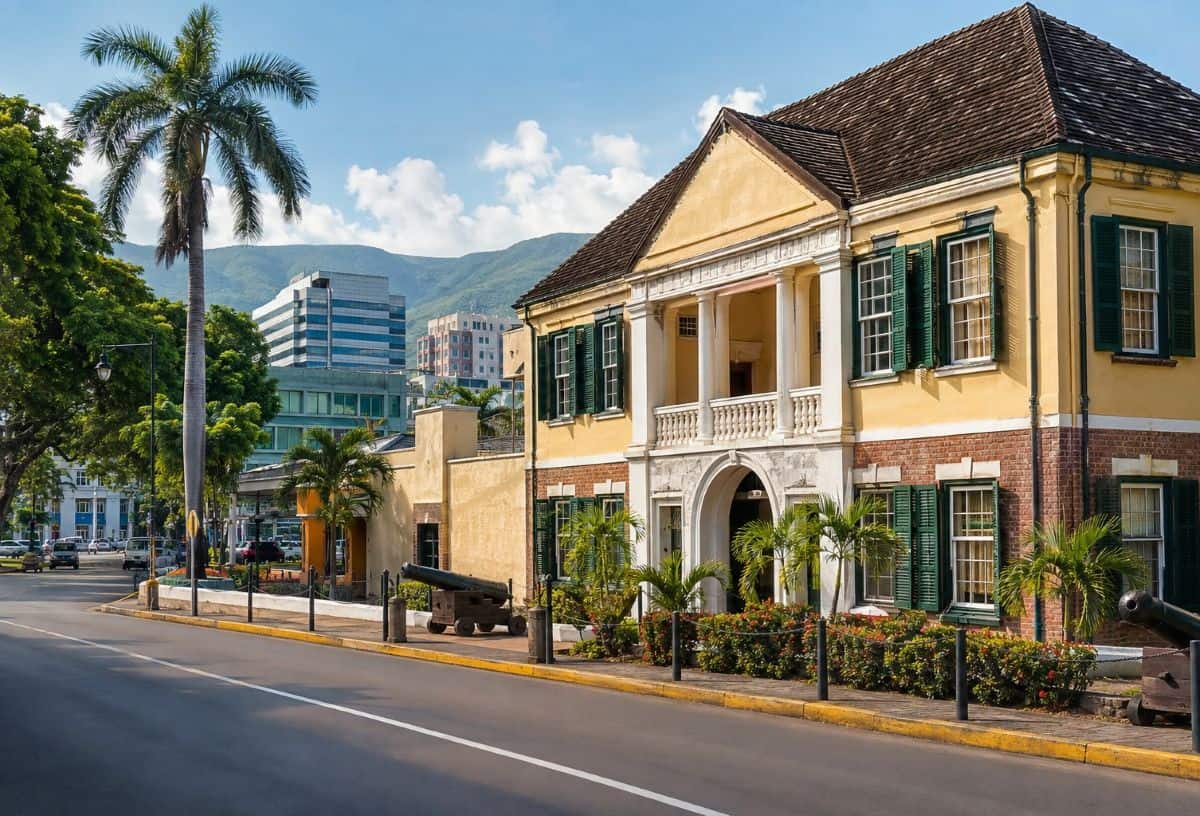
Image generated with Ai
Jamaica’s cultural heritage tourism is being altered by the historic preservation of Falmouth, Port Royal, and Kingston as examples of how disruptive historic preservation can be for the Jamaican tourism industry. Jamaica’s traditional resort focused tourism is being challenged by the immersive cultural tourism being introduced to the islands. Visitor arrival fees are being utilized by the state for the improvement of tourism related infrastructure and the historic preservation of all parishes. This will cause the historic coastal and urban centers to become focused and active cultural tourism locations. The preservation of the historic sites of Jamaica will create a number of local businesses focused on tourism and will allow residents of Jamaica to take pride in their nations.
How Is Historic Falmouth in Trelawny Leading the Architectural Renaissance Across Jamaica?
Located in the coastal parish of Trelawny, Historic Falmouth boasts one of the Caribbean’s most exceptional and intact collections of 18th- and early 19th-century Georgian vernacular architecture. Public-private partnerships led by the Jamaica National Heritage Trust and the Tourism Enhancement Fund actively restore historic timber facades, stone-and-brick merchant houses, and iconic civic landmarks like the Falmouth Court House. Furthermore, these comprehensive structural restoration works are seamlessly integrated into pedestrianized walking corridors that connect cruise terminal ports directly with commercial town centers. Consequently, this thoughtful urban design encourages onshore heritage spending, ensuring that local artisan vendors and historic shops benefit directly from international cruise passengers exploring the historic timber streetscapes.
Beyond immediate facade repairs, the long-term preservation framework in Historic Falmouth focuses on sustainable civic integration and community-led heritage commerce. Local restoration specialists work alongside municipal authorities to ensure that ancient masonry techniques and traditional woodworking styles are strictly maintained during structural updates. Meanwhile, the establishment of dedicated pedestrian zones allows storytellers and local guides to lead educational walking tours without traffic disruptions. Therefore, visitors gain an authentic understanding of early colonial trading patterns while supporting small independent businesses operating within these restored historic buildings.
Advertisement
Advertisement
What Makes Historic Port Royal near Kingston Harbour a Gateway to Sunken History?
Advertisement
Advertisement
Positioned at the mouth of Kingston Harbour, Historic Port Royal stands as a legendary 17th-century maritime capital famous for its sunken city and preserved military structures like Fort Charles. Modern preservation strategies focus heavily on delicate marine archaeological conservation alongside the structural stabilization of surviving terrestrial brick fortifications and naval facilities. Furthermore, development plans carefully balance low-impact port facilities with educational museum trails and maritime research hubs that interpret the catastrophic 1692 earthquake. Consequently, by controlling visitor density and offering specialized guided walking tours, authorities protect delicate submerged ruins while showcasing rich maritime heritage to global travellers.
The ongoing transformation of Historic Port Royal extends deep into its coastal ecosystems and surrounding marine environments where underwater ruins lie submerged. Specialist marine archaeologists work continuously to monitor sub-sea colonial brickwork while developing non-intrusive diving corridors for heritage tourism. Meanwhile, land-based museum exhibitions at Fort Charles highlight the maritime strategy and pirate history that defined early Caribbean commerce. Therefore, this dual conservation approach protects invaluable sunken artifacts while generating meaningful educational opportunities for both local students and international visitors.
Can Downtown Kingston Waterfront Evolve Into a Vibrant UNESCO Cultural Capital?
The Downtown Kingston Waterfront is undergoing an ambitious urban renewal driven by streetscape paving, facade restoration, and dynamic public art initiatives like the Water Lane murals. Designated as a UNESCO Creative City of Music, the bustling capital blends late 19th-century brick arcades and neoclassical civic buildings with vibrant street performance venues. Furthermore, integrating music, art, and urban architecture allows Kingston to position itself as a modern cultural capital rather than just a transit stop. Consequently, travellers are drawn into community heritage hubs where live Reggae music and historic architecture offer an immersive, multi-sensory journey through national history.
This comprehensive capital transformation relies on strong public-private partnerships that unite local arts initiatives with municipal urban planning projects. Historic commercial buildings along the waterfront are being adapted into creative incubators, artisanal galleries, and open-air exhibition spaces. Meanwhile, regular cultural festivals and musical performances take place within pedestrianized historic avenues, breathing fresh economic energy into older commercial zones. Therefore, Downtown Kingston successfully demonstrates how urban architectural preservation can serve as the physical foundation for a thriving creative economy.
Advertisement
Advertisement
Why Is Spanish Town Historic Square in St. Catherine Critical to National Identity?
As the original Spanish colonial capital known as Santiago de la Vega, Spanish Town Historic Square in St. Catherine houses priceless monuments including the Old King’s House and Rodney’s Memorial. State preservation schemes focus on stabilizing historic brick ruins and restoring colonial civic spaces that represent centuries of administrative and political history. Furthermore, these meticulous conservation efforts protect the tangible links between Taino, Spanish, and British imperial eras that formed modern Jamaican society. Consequently, preserving this historic square provides researchers and heritage tourists with an authentic, unfiltered window into early colonial governance in the Caribbean.
The cultural significance of Spanish Town Historic Square also lies in its role as an educational anchor for future generations of historians and travellers. Specialized conservation teams work diligently to prevent structural decay in fragile brick arches and historic stone monuments while maintaining public accessibility. Meanwhile, community outreach programs engage local residents in site management and historical storytelling initiatives across St. Catherine. Therefore, maintaining these sacred civic spaces safeguards national identity and ensures that historical lessons remain accessible to everyone.
How Does the Blue and John Crow Mountains UNESCO Site Protect Maroon Living History?
Inscribed in 2015 as a mixed UNESCO World Heritage Site, the Blue and John Crow Mountains region protects both rare biodiversity and the sacred cultural heritage of the Windward Maroons. Management frameworks safeguard historic Maroon escape routes, hidden settlement sites like Nanny Town, and intangible cultural traditions including traditional herbal medicine and sacred music. Furthermore, eco-heritage hiking trails around Hollywell Park and the Blue Mountain Peak Trail operate alongside community-led tourism initiatives across the mountain range. Consequently, regulated homestays and guided cultural tours ensure that buffer-zone Maroon communities derive direct financial benefits from eco-tourists exploring their pristine mountain sanctuary.
Advertisement
Advertisement
The dual protection model in the Blue and John Crow Mountains highlights the powerful connection between natural conservation and intangible cultural preservation. Forest rangers and indigenous Maroon guides work together to manage hiking trail density and prevent environmental degradation within protected mountain corridors. Meanwhile, visitors participate in authentic cultural workshops that showcase ancestral drumming, traditional cooking methods, and sustainable farming practices. Therefore, this harmonious stewardship model preserves pristine mountain ecosystems while keeping ancient Maroon traditions alive and economically viable.
What Is the Pipeline for Future UNESCO World Heritage Inscriptions Across St. Ann and Beyond?
Jamaica’s tentative list for future UNESCO inscriptions includes the Sunken City of Port Royal, Seville Heritage Park in St. Ann, and historic railway networks spanning across the island. Seville Heritage Park is particularly significant as it contains multi-layered archaeological evidence of Taino settlements, early Spanish encounters, and British plantation life. Furthermore, securing official UNESCO recognition for these diverse historic sites will significantly expand the national cultural profile and establish new international travel corridors. Consequently, expanding conservation recognition beyond coastal resorts guarantees that inland heritage assets receive top-tier international protection and long-term sustainable tourism funding.
The drive to expand UNESCO listings represents a long-term investment in regional economic diversification and historical scholarship. Archaeological teams at Seville Heritage Park in St. Ann continue to uncover critical Taino artifacts and early colonial structures that reshape understanding of Caribbean history. Meanwhile, feasibility studies evaluate how historic Victorian railway networks can be transformed into scenic rail-trails connecting rural communities. Therefore, this ambitious inscription pipeline guarantees that heritage conservation remains a dynamic, forward-looking driver of economic growth.
How Does Adaptive Reuse Turn Landmarks like Devon House into Economic Engines?
Advertisement
Advertisement
Adaptive reuse serves as the primary operational tool to ensure that national historic monuments achieve financial self-sustainability without relying entirely on government subsidies. The celebrated Devon House in Kingston built in 1881 by Jamaica’s first Black millionaire, George Stiebel operates as a thriving gastronomic park and boutique retail hub. Furthermore, commercial rental yields from artisanal shops and restaurants at Devon House directly fund the ongoing physical maintenance of the historic Great House and surrounding gardens. Consequently, properties like Headquarters House balance administrative duties for heritage agencies with public museum exhibitions, turning historic upkeep into sustainable revenue.
The economic success of adaptive reuse demonstrates that historical preservation can be profitable when integrated into modern lifestyle and travel routines. Historic civic buildings across Kingston and Portland are increasingly converted into boutique heritage cafes, public bathhouses like Rockfort Spa, and creative exhibition spaces. Meanwhile, strict architectural guidelines ensure that commercial adaptations preserve original floor plans, historic timber framing, and decorative brickwork. Therefore, adaptive reuse successfully converts delicate historic monuments into active community hubs that generate reliable income for ongoing structural maintenance.
What Role Does Community-Based Tourism Play in Preserving Intangible Culture?
Beyond physical brick-and-mortar restoration, the national heritage framework integrates intangible cultural assets such as Reggae music, Rastafari traditions, Maroon drumming, and local gastronomy into historical tours. State programs reserve commercial spaces within historic districts specifically for certified local craft artisans, street food vendors, and accredited heritage guides. Furthermore, this community-focused strategy ensures that local residents retain ownership of their cultural heritage while sharing authentic traditions with global visitors. Consequently, channelling tourism expenditure directly into local households builds resilient micro-enterprises and fosters immense local pride in regional history.
Empowering local communities to direct their own tourism narrative creates an authentic visitor experience that cannot be replicated by traditional resort packages. Local cultural associations host interactive workshops, storytelling evenings, and street culinary tours that highlight indigenous recipes and traditional craftsmanship. Meanwhile, training initiatives through destination development agencies equip young residents with business skills and historical knowledge to operate independent tour operations. Therefore, community-based heritage tourism ensures that financial rewards are distributed equitably while safeguarding living cultural traditions.
Advertisement
Advertisement
The Final Verdict
By creating a positive and sustainable system that encourages both tourism and cultural preservation, Jamaica is trying to make sure that the historical value of the islands is economically profitable. Regular resort systems overlook the fact that visitors’ experiences are greatly influenced by understanding the authentic real history of Jamaica. For example, state agencies are trying to allocate visitors costs to the Tourism Enhancement Fund by restoring colonial buildings and declining the borders of the UNESCO Heritage Sites and the historic districts of Trelawny, Kingston, and St. Catherine. Because of this new strategic system, Jamaica is able to both keep the historic sites and monuments and create local businesses to sustain the economy. Jamaica is combining the practice of adaptive reuse systems and participatory community tourism. This combination is economically beneficial for Jamaica and is able to maintain the cultural heritage and identity of the community within the continual changing and adjusting tourism systems.
Advertisement
