
Libya Travel Faces Strict Advisories as Security Risks Limit International Tourism

Published
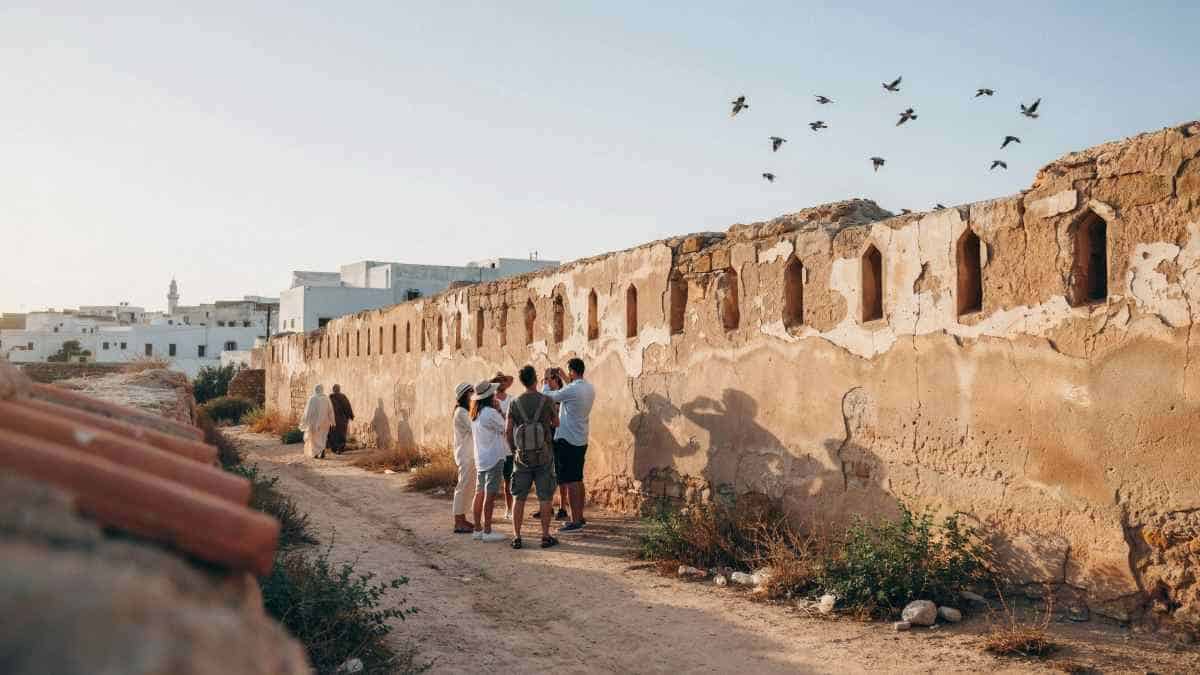
Travel to Libya has been severely limited because many significant countries in the world have been continuously recommending their citizens against travelling to significant parts of Libya owing to security risks posed by the conflicts, terrorism, kidnapping, crime, political unrest and violence in the country. The Department of State of the United States of America has issued a travel advisory of level 4 “Do Not Travel” to Libya owing to crimes, terrorism, landmines which have not been detonated yet, civil unrest, kidnapping risk and armed conflict. On the other hand, the FCDO of the UK has recommended its citizens against travelling to all parts of Libya apart from some parts of Libya, including Tripoli, Benghazi, Al-Bayda, Derna, Jebel Akhdar and Misrata.
Libya Remains Under High-Level Travel Warnings
The U.S. Level 4 advisory represents its highest travel warning and advises Americans not to travel to Libya for any reason. The advisory identifies terrorism, crime, unexploded ordnance, civil unrest, kidnapping and armed conflict among the principal risks.
The UK position is geographically more differentiated but remains highly restrictive. The FCDO advises against all travel to most areas of Libya, while its current guidance advises against all but essential travel in several major cities and surrounding regions.
The differing geographical classifications mean travellers cannot treat Libya as a single uniform tourism environment. Conditions and restrictions can vary between regions, while security developments can affect movement with little notice.
Advertisement
Advertisement
Tripoli Tourism Faces Continuing Uncertainty
Tripoli remains Libya’s principal urban centre and an important location for international business, accommodation and cultural activity. However, the FCDO advises against all but essential travel within the city.
The UK government describes Libya’s political and security situation as fragile and unpredictable, with localised violence between competing armed groups remaining possible. It notes that clashes can occur without warning and that previous fighting has affected roads and airport operations.
Advertisement
Advertisement
For tourism, this creates difficulties for visitors planning fixed itineraries. Attractions, accommodation and transport may remain available in particular areas, but access can change rapidly when security incidents occur.
Travellers also face the possibility of roadblocks or changes to transport routes, making independent movement more difficult.
Benghazi and Eastern Libya Remain Restricted
Benghazi is another important Libyan urban destination, with access to eastern heritage areas and surrounding landscapes. However, the FCDO advises against all but essential travel to Benghazi and specified surrounding areas, including Al-Bayda, Derna and Jebel Akhdar.
The wider eastern region contains historical and natural tourism resources, but current travel restrictions significantly affect their accessibility to international tourists.
The FCDO states that the security situation in Benghazi was relatively calm during 2024 and 2025, while also noting that the area remains controlled by a single military group and retains a risk of internal conflict.
Consequently, tourism access cannot be assessed solely on the basis of recent periods of relative calm.
Advertisement
Advertisement
Misrata Remains Under Essential-Travel Advice
Misrata is also covered by the FCDO’s advice against all but essential travel.
The city has a significant commercial and transport role, but its tourism potential remains affected by the wider national security environment.
The FCDO describes Misrata’s security situation as stable while noting the presence of several armed groups.
For international travellers, this means that local stability does not remove the broader requirement to assess travel against current government advice and changing conditions.
Transport Disruptions Affect Travel Planning
Transport remains a major consideration for anyone travelling in Libya.
The FCDO warns that flights to and from Libyan airports can be cancelled at short notice. It also states that land borders can close without warning and that deteriorating security can block routes into and out of major cities.
Advertisement
Advertisement
Road travel presents additional risks, including carjacking, robbery, localised armed violence and unexploded bombs or mines away from established routes. The FCDO identifies particularly high risk on the coastal road between Zawiyah and Tripoli.
For tourism operators, these conditions make route planning and contingency arrangements particularly important. For visitors, transport availability needs to be checked repeatedly rather than assumed to remain unchanged throughout an itinerary.
Heritage Tourism Remains Difficult to Access
Libya possesses substantial cultural and archaeological resources, including ancient cities, Roman-era sites, desert landscapes and historic settlements.
Destinations such as Leptis Magna, Sabratha and Cyrene form part of the country’s historical tourism potential. However, the current security environment restricts the ability of international tourists to visit these attractions freely.
Travel to archaeological and remote areas can involve long road journeys through regions where security conditions and transport availability can change. The presence of unexploded ordnance also creates additional risks away from established roads and paths.
As a result, Libya’s heritage resources remain important to its tourism identity but are operating within a highly restricted international travel environment.
Advertisement
Advertisement
Tour Operators Face a High-Risk Travel Environment
Organised travel to Libya requires careful attention to security arrangements, route planning and changing local conditions.
The U.S. Department of State advises anyone who nevertheless travels to Libya to establish contingency plans, maintain a personal security plan and consider professional security support. It also warns travellers to avoid demonstrations and crowds and to stay on well-used roads because of unexploded ordnance risks.
These requirements illustrate the difference between conventional leisure tourism and travel within a high-risk destination. International visitors cannot rely solely on standard holiday planning when security conditions can change quickly.
Travel Insurance and Assistance Require Attention
Travel insurance is another major consideration for visitors travelling against official government advice.
The FCDO warns that insurance could be invalidated when travellers enter areas against its recommendations.
Consular assistance can also be limited. The U.S. government currently handles Libya-related consular matters through its embassy operation in Tunis, while the UK states that government support in Libya is limited.
Advertisement
Advertisement
Travellers therefore need to understand insurance conditions, emergency arrangements and available consular support before considering travel.
Libya Tourism Remains Constrained by Security Conditions
However, the country still retains some tourism potential in terms of Mediterranean coastlines, archaeological sites, historical cities, and deserts, while international tourism faces certain limitations due to the unstable security situation in the region. The United States recommends that Americans do not travel to Libya due to the threat of kidnapping and armed attack. According to the United Kingdom’s recommendations, it is advised not to travel throughout most of Libya, and it is not advisable to travel except for essential reasons in some key cities and areas in Libya. In case one plans to visit Libya, security measures, mode of transportation, and the government’s advice will be crucial factors for the trip.
Advertisement
