
Liechtenstein Festival Tourism Drives A Spectacular Inbound Travel Boom Pulling International Travelers To Sacred Towns
Published
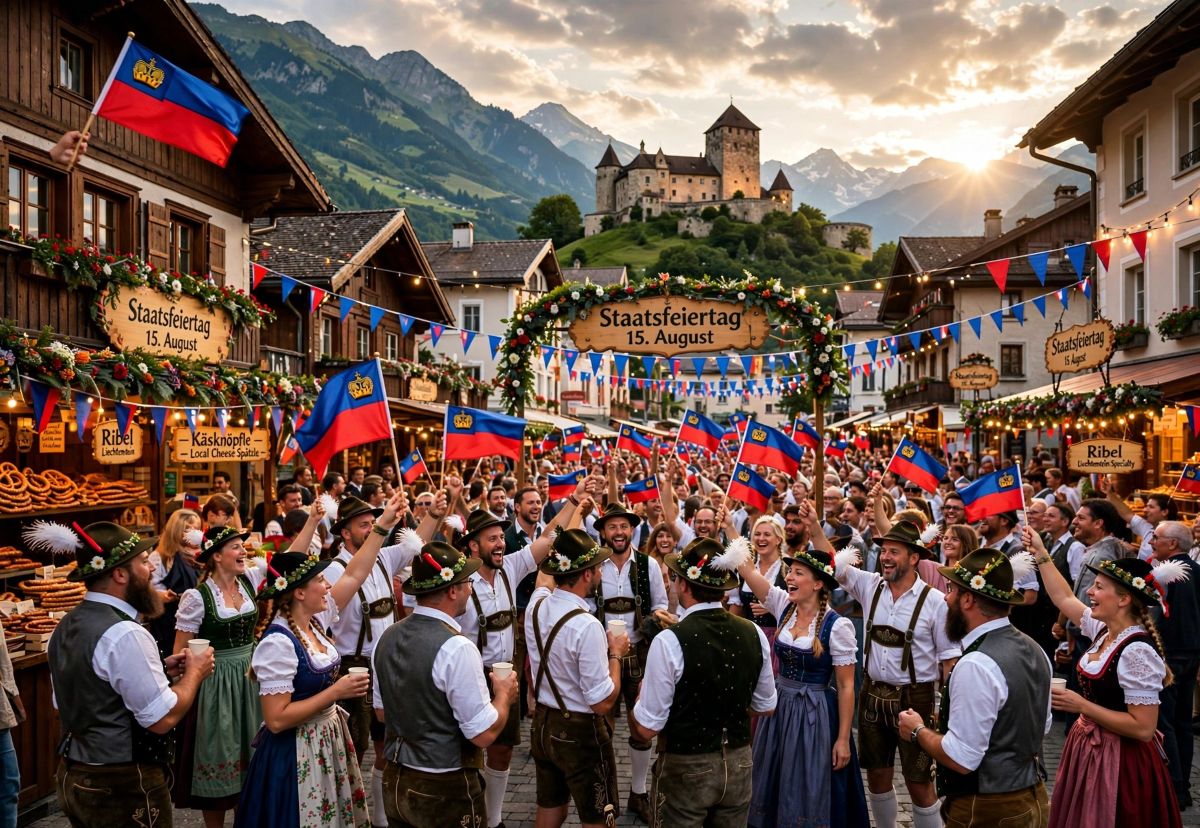
Standing in the rose terraces of the castle and looking over the Rhine Valley while sipping a glass of wine and mingling with a royal is a treat that is not just reserved for the characters on TV. Each 15th of August is the time to do this in Liechtenstein.
Liechtenstein, the country with Alpine magic, with its area of less than 161 square kilometers and with Switzerland and Austria for its neigbors, left an imprint on the 121,500 travelers who visited the country in 2025. Vaduz’s folk festivals, the Mainbun mountain air, and the open-air music concerts in Schaan are some of the things you will enjoy when you visit this peaceful Alpine destination. This place has not lost the real personal experience by the rapid growth in travel that degrades the quality of life. Stay here and appreciate historic local music which has kept the culture of the place alive for ages.
What Makes Liechtenstein Festival Tourism an Unrivalled Magnet for Global Travelers in Vaduz?
The cultural charm of Liechtenstein lies in its rare blend of sovereign heritage and accessible hospitality that welcomes international visitors with open arms. During the annual Staatsfeiertag on August 15th, the sovereign Princely Family proudly opens the rose gardens of Schloss Vaduz directly to the public for a royal celebration. Tourists and locals mingle with royalty while enjoying a complimentary aperitif before heading into the vibrant town centre of Vaduz for traditional folk performances. Beyond political heritage, state-backed cultural venues like the Kunstmuseum Liechtenstein and the Liechtenstein National Museum offer free admission during National Day festivities. Visitors stroll along the pedestrian-friendly streets of Vaduz, experiencing regional folklore against the breathtaking backdrop of the Rhine Valley and the majestic Alps.
Advertisement
Advertisement
How Do Guest Arrival Numbers Reflect the Resilience of Liechtenstein Accommodation and Hotel Stays?
According to comprehensive data published by the statistical authorities, the principality documented 121,500 total accommodation arrivals, demonstrating steady interest from cross-border travellers. The hotel sector alone logged thousands of overnight stays during the core summer season running from May to October across various alpine locations. Although traditional summer hotel stays experienced slight adjustments compared to record-breaking prior years, non-hotel accommodations including holiday flats grew significantly. High-alpine resorts in Malbun and Steg accounted for robust summer overnight counts, underscoring the strong pull of mountain sports combined with regional cultural festivals.
Advertisement
Advertisement
Which Inbound Foreign Markets Lead the Surge in Liechtenstein Overseas Visitors?
The primary demographic powering the local tourism sector continues to be the traditional DACH region comprising Germany, Switzerland, and Austria. Swiss travellers led overnight stays significantly, closely followed by German visitors, meaning more than half of all guests originate from these two adjacent nations. In addition to European cross-border travellers, long-haul inbound markets showed expanding interest from global adventurers seeking unique European experiences. Visitors from the United States, the United Kingdom, the Benelux countries, and East Asia consistently travel via Switzerland to experience the principality’s boutique charm.
Advertisement
Advertisement
How Do Classical Music and Contemporary Performing Arts Shape Cultural Evenings in Schaan and Vaduz?
Beyond civic celebrations, classical music and contemporary arts drive major tourism influxes into the capital of Vaduz and neighboring Schaan. The annual Vaduz Classic festival transforms the capital’s central public squares into open-air concert halls featuring world-class soloists and philharmonic orchestras. Meanwhile, in the municipality of Schaan, lively cultural centers host international pop, rock, and jazz acts alongside year-round theatrical drama. Complementing these large-scale music gatherings, renowned performing arts stages in Schaan deliver exceptional literary readings and dance performances that pull audiences from neighboring Swiss cantons.
How Does Princely Viticulture and Traditional Culinary Heritage Elevate Gastronomic Tourism?
Culinary experiences in Liechtenstein are deeply intertwined with royal heritage and high-altitude farming traditions across the scenic countryside. Centered at historic vineyards in Vaduz, the Princely Wine Cellars offer guided viticulture tours and tastings of estate-grown Pinot Noir and Chardonnay. In rural village taverns across Planken, Eschen, Mauren, and Triesenberg, tourists indulge in authentic Alpine dishes prepared with local ingredients. The quintessential national dish, Käschnöpfle, is traditionally served alongside sweet apple sauce, serving as a staple comfort food during regional harvest festivals.
Advertisement
Advertisement
How Seamless Transport Links and Digital Adventure Passes Connect the Liechtenstein Trail?
Navigating Liechtenstein is exceptionally effortless thanks to its seamless integration with the Swiss public transport network and regional bus connections. Travelers arriving at nearby railway stations easily transfer onto yellow public buses that traverse the country’s eleven municipalities in mere minutes. To maximize accessibility, tourism boards offer digital adventure passes providing free bus transit and discounted access to over thirty top cultural sites. Active travelers can explore the iconic 75-kilometre Liechtenstein Trail, a scenic walking route passing through historic ruins in Schellenberg and castle views in Balzers.
How Does Cross-Border Tourism Fuel the Economic Infrastructure of Vaduz, Schaan, and the Broader Rhine Valley?
Cross-border mobility plays a defining role in shaping the financial vitality of Liechtenstein’s main commercial and cultural hubs, particularly Schaan and the capital city of Vaduz. Every single day, over 23,000 cross-border commuters travel into the principality from neighbouring Switzerland and Austria, creating an influx of workers that actually outpaces the resident labor force. When major civic celebrations and cultural gatherings take place most notably during the annual National Day (Staatsfeiertag) on 15 August this baseline mobility spikes by an estimated 35% to 40%. The resulting surge in movement fills city streets, public squares, and transit networks across the Rhine Valley with a vibrant mix of daily commuters, regional day-tripper crowds, and international holidaymakers.
This massive influx of visitors generates direct economic benefits that trickle down into the microstate’s retail, hospitality, and cultural sectors. Festival weekends see non-resident spending reach between CHF 180 and CHF 240 per visitor per day, directed straight into local restaurants, boutique shops, transportation services, and museum outlets. Rather than remaining an isolated event, festival-driven travel acts as a catalyst for cross-border commerce across the wider Rhine Valley. The steady circulation of capital supports municipal infrastructure and reinforces Liechtenstein’s position as a vibrant economic hub nestled along the Swiss and Austrian borders.
Can High-Alpine Eco-Trail Development Preserve the Fragile Wilderness of Malbun and Steg Amid Rising Global Demand?
Advertisement
Advertisement
As global demand for outdoor recreation grows, Liechtenstein relies on a carefully managed model of sustainable eco-tourism throughout its high-alpine territory. The crown jewel of this outdoor infrastructure is the 75-kilometre Liechtenstein Trail, a continuous hiking route that winds through all 11 municipalities. Elevation along the trail ranges from 450 metres in the northern lowlands of Ruggell to over 2,000 metres in the alpine village of Malbun. This vast network allows hikers to explore pristine mountain terrain while keeping foot traffic distributed evenly, preventing ecological strain on any single area.
During the summer season, high-alpine destinations like Steg and Malbun accommodate approximately 14,500 hotel overnight stays, which accounts for roughly 16% of the country’s total summer hotel volume. Local tourism authorities prioritize sustainable capacity management over mass tourism development to protect the delicate mountain environment. Well-marked trail corridors, eco-conscious alpine lodges, and strict environmental regulations ensure that high-altitude hiking remains balanced with wilderness conservation. By controlling tourist density in sensitive mountain zones, the microstate preserves its natural landscapes while catering to international travelers seeking authentic outdoor experiences.
How Does the Royal Princely House Leverage Monarchical Traditions to Drive High-Value Boutique Tourism in Vaduz?
The sovereign identity of Liechtenstein—anchored by the reigning Princely Family—serves as one of its most compelling cultural assets and international draws. In Vaduz, monarchical heritage is integrated into the national tourism identity through rare public traditions and world-class art collections. The Princely Collection, valued at over USD 1.5 billion, stands among the most prestigious private art holdings in the world. Rotating masterpieces from this vast collection are showcased publicly at the Kunstmuseum Liechtenstein in Vaduz, attracting art enthusiasts, cultural scholars, and luxury travelers year-round.
The peak of this royal-driven tourism occurs during National Day on 15 August, when the Princely Family hosts an open ceremony on the grounds of Vaduz Castle (Schloss Vaduz). Over 20,000 visitors gather to hear official addresses from the Prince and parliamentary leaders before enjoying a public reception in the royal rose gardens. This open interaction between a reigning monarch and international guests offers a unique cultural experience found nowhere else in Europe. By leveraging its sovereign traditions, Liechtenstein creates a distinct, high-value travel experience that elevates its global profile.
Why Are Global Visitors Shifting From Traditional Luxury Hotels to Boutique Holiday Rentals Across Triesenberg and Eschen?
Advertisement
Advertisement
Liechtenstein’s accommodation sector is undergoing a clear transformation as visitor preferences shift toward flexible, authentic, and residential-style lodging. Official statistics show that the hotel sector registered 89,977 overnight stays during the core 2025 summer season running from May to October. While traditional hotel stays experienced a temporary dip due to renovation projects and adjusted room capacities, demand across non-hotel accommodations such as holiday apartments, chalets, and youth hostels surged by an impressive 37.1% year-on-year.
This growth highlights a growing demand for immersive stays in scenic hillside villages such as Triesenberg, Planken, and Eschen. Independent travelers increasingly prefer fully equipped vacation homes that offer direct access to local culture and scenic mountain views. Property owners in rural municipalities have responded by upgrading farmhouses and chalets into modern, boutique accommodations. This diversification strengthens the nation’s hospitality sector, ensuring it can accommodate both short-stay hotel guests and long-stay leisure travelers.
How Does Historic Princely Viticulture and Traditional Alpine Gastronomy Elevate Luxury Travel in Vaduz and Planken?
Culinary tourism in Liechtenstein offers a refined blending of royal heritage, agricultural tradition, and high-altitude winemaking. Gastronomic travel centers around the Princely Wine Cellars (Hofkellerei des Regierenden Fürsten von Liechtenstein) in Vaduz. The estate spans four hectares of premier vineyards—including the historic Herrawissem and Herrawingress plots—producing award-winning Pinot Noir and Chardonnay. Every year, over 15,000 international guests visit the cellars for sommelier-led tastings, vineyard walks, and private culinary experiences.
Beyond estate viticulture, traditional dining across villages like Planken, Mauren, and Triesenberg gives tourists a taste of authentic regional cuisine. Local taverns and high-end restaurants serve traditional dishes like Käschnöpfle a handmade egg-pasta coated in aged mountain cheeses and topped with sweet apple sauce. Combining fine wines with traditional recipes creates a rich gastronomic landscape. This emphasis on authentic culinary experiences helps position Liechtenstein as a premier destination for food and wine lovers visiting Central Europe.
How Do Seamless Transport Systems and Digital Adventure Passes Revolutionize Green Mobility for Tourists in Balzers and Ruggell?
Advertisement
Advertisement
Sustainable mobility forms a fundamental pillar of Liechtenstein’s national tourism strategy, allowing visitors to travel effortlessly across all 11 municipalities. Public transit is powered by the yellow LIEmobil bus fleet, which provides 100% route coverage using modern electric and hybrid vehicles. Because the country is fully integrated into the Swiss Customs Area and Swiss regional transit network, travelers arriving from Swiss rail hubs at Buchs and Sargans or Austria’s Feldkirch hub can step directly onto clean public buses that cross the entire principality in minutes.
To complement this eco-friendly transit network, Liechtenstein Marketing offers the digital Adventure Pass (Erlebnispass). Digital pass redemptions surged by 22%, giving travelers unlimited free access to the public transit system along with free or discounted admission to over 30 cultural, historic, and recreational sites. Visitors can easily travel from southern historical sites in Balzers to northern nature reserves in Ruggell without needing a private vehicle. This integrated digital mobility model keeps regional travel efficient, affordable, and environmentally friendly.
Which Overseas Market Demographics Are Driving Long-Haul Inbound Growth Across Schellenberg, Mauren, and Gamprin?
Liechtenstein’s visitor base combines a strong foundation of nearby European travelers with a steadily growing share of long-haul international guests. Official tourism figures show that the regional DACH market—comprising Switzerland, Germany, and Austria—remains the primary driver of tourism. Swiss visitors generated 30.6% of total overnight stays, while German travelers accounted for 25.8%. Together, these two neighboring markets represent 56.4% of all overnight stays, providing a consistent flow of cross-border visitors throughout the year.
At the same time, high-yield long-haul markets are making up a larger share of international arrivals. Visitors from the Benelux countries account for 5.8% of overnight stays, followed by travelers from the United States at 5.2% and the United Kingdom at 4.1%. Guests from East Asia also continue to visit in growing numbers as part of multi-destination European journeys. Arriving via Zurich Airport, these long-haul travelers often explore quieter northern communities like Schellenberg, Mauren, and Gamprin. This balanced mix of regional road-trippers and international tourists ensures steady, year-round support for the national tourism economy.
The Final Verdict
Advertisement
Advertisement
There is something about visiting Liechtenstein that brings a particularly special keepsake back with you. The country fosters a stunning and enchanting calm that is hard to find these days with a world that is increasingly more commercialized and busy. Unlike many places, not all of Liechtenstein’s magic is found in stuffy, old museums. It is out in the open during National Day festivities, and as it soars in the performances of Lib Msica classica. And it is in the tranquility and calm that are available out by the trails in Malbun.
2025 saw almost 121,500 travelers to Liechtenstein. The traveling world is coming around to appreciate real and honest places that uphold their traditions. Liechtenstein captures the essence that encouraged people to travel in the first place. Incredible natural beauty and tranquility will leave you in awe and awe-inspiring thoughts will leave you drawn to ponder on nature and your tradition. Lighthentic hospitality marries the magic of Liechtenstein in a way that is so compelling it will leave Liechtenstein etched in your travel memories long after the last light of the mountain goes out.
Frequently Asked Questions (FAQs)
- Q1: What is the single biggest festival event in Liechtenstein? The Staatsfeiertag on August 15th is the country’s premier celebration, featuring an open reception at Schloss Vaduz, street celebrations in Vaduz, and evening mountain bonfires along the Fürstensteig trail.
- Q2: How do tourists travel to Liechtenstein without an international airport? Visitors typically fly into Zurich Airport in Switzerland, take a direct train to Sargans or Buchs, and board a short bus into the capital of Vaduz.
- Q3: Is the digital adventure pass worth buying for culture travelers? Yes, the comprehensive regional pass offers unlimited free transit on local bus routes and free entry to over thirty major attraction sites and museums.
Advertisement
