

Malaysia Aligns With China, India, Singapore, Indonesia, Hong Kong, Japan And Many More Countries On Surging Travel Demand And Strengthens Its Competitive Edge Across Asia Pacific Destinations As Regional Tourism Growth Accelerates Rapidly

Published
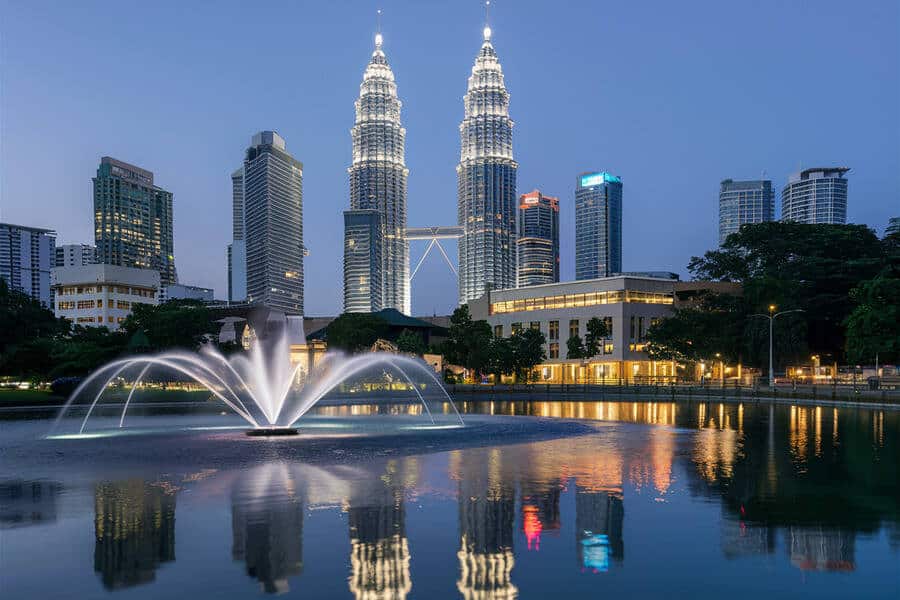
Malaysia is strengthening its tourism positioning across Asia-Pacific by aligning closely with major source markets such as China, India, Singapore, Indonesia, Hong Kong and Japan because surging regional travel demand and rapidly rising outbound tourism are reshaping visitor flows and intensifying competition among destinations. This strategic shift reflects Malaysia’s effort to capture higher tourist volumes, improve connectivity, and secure a stronger share of growing international travel demand while reinforcing its role as a key regional tourism hub.
The tourism landscape across Asia is undergoing a powerful structural shift, and Malaysia is positioning itself at the centre of this transformation. The country is actively aligning its tourism growth strategy with major source markets including China, India, Singapore, Indonesia, Hong Kong, and Japan. This coordinated expansion reflects a broader regional reality where travel demand is surging rapidly across Asia-Pacific, reshaping how countries compete for international visitors.
Malaysia is no longer relying on limited or traditional markets. Instead, it is building a diversified inbound tourism network that spans East Asia, South Asia, Southeast Asia, and selected global long-haul regions. The goal is simple yet ambitious: capture rising outbound travel demand, strengthen tourism revenue, and establish Malaysia as one of the most resilient and competitive tourism hubs in the region.
This expansion comes at a time when global tourism flows are being redefined by economic recovery, rising middle-class populations, improved air connectivity, and increasing demand for experiential travel. Malaysia is adapting quickly to this new environment by reinforcing partnerships, upgrading infrastructure, and tailoring its destination branding to multiple high-value markets.
Advertisement
Advertisement
Malaysia’s Strategic Alignment With China as a Core Tourism Engine
China remains one of the most influential outbound tourism markets in the world, and Malaysia is actively strengthening its alignment with Chinese travellers. The scale of travel demand from China is driven by its large urban population, rising disposable income, and strong preference for international leisure travel.
Malaysia benefits significantly from this demand due to its geographical proximity, cultural familiarity, and well-established flight connectivity. Cities like Kuala Lumpur, Penang, and Langkawi are particularly attractive to Chinese tourists due to shopping opportunities, urban experiences, and tropical leisure attractions.
Advertisement
Advertisement
In addition, Malaysia is enhancing Mandarin-language services, digital payment integration, and tailored tourism campaigns to attract more Chinese visitors. This targeted approach is designed to increase repeat travel and improve long-term tourism stability.
India Emerges as a High-Growth Tourism Powerhouse for Malaysia

The Indian market is rapidly becoming one of the most important pillars of Malaysia’s tourism strategy. India represents a fast-expanding outbound tourism base driven by rising middle-class income, improved aviation access, and growing international travel awareness.
Advertisement
Advertisement
Indian tourists are particularly drawn to Malaysia due to its affordability, short travel distance, and diverse tourism offerings. Family holidays, honeymoon travel, and group leisure trips form a significant share of Indian outbound tourism patterns.
Malaysia is responding by expanding flight connectivity, improving halal tourism infrastructure, and designing India-specific marketing campaigns. The focus is on creating seamless travel experiences that encourage both first-time visits and repeat tourism.
Singapore as a Constant and Stable Tourism Backbone

Singapore plays a crucial role in Malaysia’s tourism ecosystem as one of its most consistent and high-volume source markets. Due to close proximity and strong cross-border connectivity, Singapore contributes a steady flow of short-term visitors throughout the year.
Many Singaporean travellers visit Malaysia for weekend getaways, shopping trips, food tourism, and family travel. The Johor-Singapore corridor remains one of the busiest tourism routes in the region.
Advertisement
Advertisement
Malaysia continues to enhance land and air connectivity with Singapore while also improving border efficiency and tourism infrastructure to support this high-frequency travel segment.
Indonesia as a High-Volume Regional Tourism Partner

Indonesia is another critical source market for Malaysia, contributing millions of visitors annually due to shared cultural ties, geographic proximity, and affordable travel options.
Indonesian tourists frequently travel to Malaysia for medical tourism, shopping, education-related travel, and leisure holidays. Kuala Lumpur and Penang remain particularly popular destinations for Indonesian visitors.
Malaysia is strengthening air routes and promotional campaigns targeting Indonesian cities to further increase inbound tourism flow. The focus is on reinforcing cultural familiarity while expanding travel accessibility.
Hong Kong as a High-Spending Urban Travel Market

Hong Kong represents a high-value tourism segment for Malaysia, with travellers typically showing strong interest in luxury travel, shopping, and short-haul international holidays.
Hong Kong travellers often prefer premium experiences, including upscale hotels, urban attractions, and curated leisure activities. Malaysia’s diversified tourism offerings make it an attractive destination for this market segment.
Advertisement
Advertisement
By improving direct flight connectivity and targeted marketing strategies, Malaysia is strengthening its appeal to Hong Kong’s outbound travel population.
Japan as a Premium Tourism Source Market

Japan is an important high-quality tourism market for Malaysia, known for travellers who prioritise safety, cultural depth, and well-organised travel experiences.
Japanese tourists often seek nature-based tourism, cultural exploration, and eco-friendly destinations. Malaysia’s biodiversity-rich regions, such as Borneo, as well as heritage cities like Penang, align strongly with these preferences.
Malaysia is investing in Japanese-language services, curated tour packages, and cultural tourism promotion to enhance engagement with this market.
Southeast Asia Expansion and Regional Integration Strategy
Beyond its core markets, Malaysia is also strengthening tourism ties across Southeast Asia. Countries in this region collectively form the backbone of Malaysia’s inbound tourism industry due to short travel distances and strong economic integration.
This regional strategy focuses on increasing multi-country travel circuits, improving border efficiency, and enhancing tourism partnerships. It also supports Malaysia’s long-term goal of becoming a central hub for ASEAN tourism mobility.
Advertisement
Advertisement
Infrastructure and Air Connectivity Driving Tourism Growth
A major factor supporting Malaysia’s tourism expansion is its improving air connectivity. Kuala Lumpur International Airport serves as a key aviation hub linking East Asia, South Asia, and Oceania.
Airlines are expanding routes connecting Malaysia with China, India, Singapore, Indonesia, Hong Kong, and Japan. This increase in flight capacity is critical for handling rising travel demand across multiple markets simultaneously.
Improved infrastructure also includes upgraded hospitality services, digital tourism platforms, and enhanced visitor facilities across major destinations.
Diversified Tourism Strategy for Long-Term Stability
Malaysia’s tourism approach is built on diversification rather than dependence. By balancing multiple source markets, the country reduces vulnerability to regional disruptions while ensuring consistent visitor inflows.
This strategy integrates East Asia, South Asia, and Southeast Asia with selected long-haul markets such as Europe and the Middle East. The objective is to create a balanced tourism portfolio that supports sustainable growth.
Malaysia’s tourism expansion strategy reflects a major shift in Asia-Pacific travel dynamics. By aligning closely with China, India, Singapore, Indonesia, Hong Kong, Japan, and other key markets, the country is positioning itself as a central hub in the region’s rapidly growing tourism economy.
Advertisement
Advertisement
Malaysia is strengthening its tourism position across Asia-Pacific by aligning with key source markets such as China, India, Singapore, Indonesia, Hong Kong and Japan because surging outbound travel demand and rising regional mobility are reshaping visitor flows and intensifying competition among destinations.
With rising outbound travel demand, improved connectivity, and targeted marketing strategies, Malaysia is building a resilient and diversified tourism ecosystem capable of sustaining long-term growth in an increasingly competitive global landscape.
Advertisement
