Home»TOURISM NEWS» Turkey’s Antalya Airport Expansion Ignites Mediterranean Tourism Race as Greece and Spain Upgrade Their Holiday Gateways
Turkey’s Antalya Airport Expansion Ignites Mediterranean Tourism Race as Greece and Spain Upgrade Their Holiday Gateways
Written By: Salini Nandi
Salini Nandi
I am a professional content writer with over three years of experience creating engaging, SEO-focused content for digital platforms. I specialize in writing blogs, website content, travel and tourism articles, visa guides, educational content, product descriptions, and business pages. My goal is to produce content that is informative, easy to understand, and optimized for search engines while meeting the needs of readers.
August 8, 2026 11:04 PM
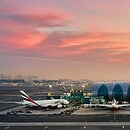
Image generated with Ai
Antalya Airport’s major expansion marks a new phase in the competition among Mediterranean tourism destinations, as countries race to strengthen airport capacity, attract more international visitors and secure a larger share of global leisure travel. Türkiye’s Antalya, Greece’s Athens and Spain’s Málaga and Palma de Mallorca are investing heavily in aviation infrastructure as rising tourist numbers place pressure on existing facilities.
The developments show that airports are no longer just transport facilities. They have become strategic tourism assets that influence visitor arrivals, airline connectivity, hotel growth and national tourism revenues. As Mediterranean destinations compete for millions of sun-seeking travellers from Europe and beyond, airport expansion is becoming a key factor in economic growth.
How Is Antalya Airport Becoming Türkiye’s New Tourism Growth Engine?
Antalya Airport is at the centre of Türkiye’s tourism infrastructure transformation. Located on the Turkish Riviera, the airport serves one of the country’s most important holiday regions, attracting millions of visitors heading to resorts along Antalya’s coastline, including Belek, Lara, Side and Kemer.
The airport expansion project has increased its ability to manage future tourism growth. New terminal facilities, improved passenger processing areas and upgraded aviation infrastructure are designed to handle significantly higher traffic volumes during peak summer periods.
Antalya Airport has already become one of Europe’s busiest leisure airports, particularly during the summer season when millions of travellers from Germany, Russia, the United Kingdom, Poland and other European markets arrive for beach holidays.
The expansion is expected to strengthen Türkiye’s position as a leading Mediterranean tourism competitor. A larger airport capacity can encourage airlines to introduce additional seasonal routes, increase flight frequencies and improve access from emerging markets.
For Türkiye’s economy, the impact could extend beyond aviation. More international arrivals create opportunities for hotels, restaurants, transportation companies, tour operators and local businesses. Antalya’s tourism economy depends heavily on foreign visitors, meaning airport expansion directly supports employment and regional income.
Why Is Türkiye Investing Heavily in Antalya’s Tourism Infrastructure?
Türkiye’s tourism strategy has increasingly focused on attracting more international visitors while improving visitor experiences. Antalya represents a critical part of this plan because the region generates significant tourism revenue through coastal resorts and package holidays.
According to Türkiye’s General Directorate of State Airports Authority (DHMI), the Antalya Airport expansion project has been developed to increase passenger handling capacity and improve terminal infrastructure as international tourism demand continues to rise. The authority’s investment strategy reflects Türkiye’s wider objective of strengthening aviation connectivity and supporting tourism-driven economic growth.
A modern airport experience can influence travellers’ first and last impressions of a destination. Faster immigration procedures, improved baggage handling, better passenger facilities and increased aircraft capacity can make Antalya more competitive against other Mediterranean destinations.
The airport upgrade also supports Türkiye’s ambition to increase tourism earnings. International tourism contributes significantly to foreign currency income, supporting economic stability and regional development.
However, Antalya’s growth also creates challenges. More visitors require stronger infrastructure beyond the airport, including accommodation capacity, transport networks, environmental management and public services. The success of airport expansion will depend on whether the wider tourism ecosystem can manage increased demand.
How Is Athens Airport Expansion Strengthening Greece’s Tourism Economy?
Türkiye is not alone in preparing for a new era of tourism growth. Greece is also expanding its aviation infrastructure, with Athens International Airport becoming a major focus of future development.
Athens is the main gateway for millions of international visitors travelling to Greece’s historic capital, mainland destinations and popular islands. The airport’s expansion programme aims to increase annual passenger capacity and prepare for continued growth in international tourism.
Greece has experienced strong tourism demand in recent years, with visitors attracted by destinations such as Athens, Santorini, Mykonos, Crete and Rhodes. As arrivals increase, airport capacity becomes essential to maintaining smooth travel experiences.
The economic benefits could be significant. More airport capacity can support additional airline operations, strengthen Greece’s connectivity with global markets and distribute tourism spending across more regions.
Athens’ development also highlights a wider trend. Mediterranean countries are competing not only through beaches and attractions but also through efficient transport infrastructure. Travellers increasingly consider convenience, accessibility and airport quality when choosing destinations.
How Can Greece’s Airport Growth Change Its Tourism Future?
Greece’s economy benefits heavily from tourism through hotel revenues, hospitality employment, retail spending and transport services. Expanding Athens Airport can help protect this economic contribution by ensuring the country can continue welcoming more visitors.
Improved airport capacity may also support longer tourism seasons. Better connectivity outside traditional summer months can encourage city breaks, business travel and cultural tourism.
For smaller Greek islands, stronger international connections through Athens can improve access and create new opportunities for regional tourism development.
However, Greece faces similar challenges to Türkiye. Increased visitor numbers require careful destination management. Infrastructure investment must continue beyond airports to prevent pressure on popular destinations.
Why Is Málaga Airport Expansion Important for Spain’s Tourism Competition?
Spain’s Málaga–Costa del Sol Airport represents another major example of Mediterranean tourism infrastructure growth. Serving one of Europe’s most popular holiday regions, Málaga connects millions of travellers with southern Spain’s beaches, resorts and cultural attractions.
The Costa del Sol has long been a favourite destination for travellers from the United Kingdom, Germany, Scandinavia and other European markets. Rising demand has pushed authorities to prepare for future passenger growth through airport improvements and expansion plans.
The economic importance of Málaga extends throughout Andalusia. Tourism supports hotels, restaurants, golf resorts, attractions, local transport providers and thousands of jobs.
A stronger Málaga Airport could help Spain maintain its competitiveness in the international holiday market. By improving passenger capacity and operational efficiency, the airport can support more airline connections and provide greater flexibility during peak travel periods.
Spain’s approach demonstrates how airports are becoming economic development tools rather than simple gateways.
How Could Málaga Airport Expansion Transform Spain’s Regional Economy?
The Costa del Sol economy relies heavily on international tourism. More efficient airport operations can increase visitor spending by making the region easier to access.
Higher passenger capacity could benefit coastal towns, inland cultural destinations and businesses that depend on international travellers.
The airport’s growth also supports Spain’s strategy of maintaining its position as one of the world’s leading tourism destinations. Competition is increasing from Türkiye, Greece and other Mediterranean markets, making infrastructure investment increasingly important.
Why Is Palma de Mallorca Airport Joining the Mediterranean Tourism Race?
Palma de Mallorca Airport represents another important piece of Europe’s tourism infrastructure competition. Serving Spain’s Balearic Islands, the airport handles millions of visitors travelling to Mallorca’s beaches, resorts and cultural attractions.
Mallorca’s tourism economy depends strongly on international arrivals, particularly from European markets. Airport modernisation is aimed at improving passenger movement, upgrading facilities and preparing the destination for future demand.
The island’s economy is closely connected to tourism spending. Hotels, restaurants, retail businesses, entertainment providers and local transport operators all benefit from international visitors arriving through Palma.
By improving airport facilities, Mallorca aims to protect its position as one of Europe’s most popular island destinations.
Advertisement
Advertisement
How Will the Mediterranean Airport Race Benefit Future Travellers?
The competition between Antalya, Athens, Málaga and Palma could ultimately benefit travellers through better facilities, improved connectivity and smoother journeys.
Airport investment may encourage airlines to expand route networks and introduce more seasonal services. Travellers could gain more direct flight options, greater schedule flexibility and improved airport experiences.
However, airport expansion alone cannot guarantee lower ticket prices or unlimited tourism growth. Airlines, governments and tourism authorities must balance increased capacity with sustainable destination planning.
The future of Mediterranean tourism will depend on how successfully these destinations combine aviation growth with environmental protection, infrastructure development and visitor management.
What Does the Antalya Airport Expansion Mean for Global Tourism Competition?
Antalya Airport’s transformation represents a much larger shift happening across Mediterranean tourism markets. Türkiye, Greece and Spain are investing in airports because global travellers are increasing their expectations for convenience, accessibility and quality experiences.
The competition between Antalya, Athens, Málaga and Palma shows that tourism success increasingly depends on infrastructure strength. Countries that can efficiently connect visitors with destinations may gain an advantage in attracting international spending.
For Türkiye, Greece and Spain, airport expansion is not only about handling more passengers. It is about strengthening tourism economies, creating jobs and preparing for the next generation of global travel demand.
Travel And Tour World Analysis: Mediterranean Airport Expansion Signals a New Tourism Competition Era
Antalya Airport’s expansion highlights a wider Mediterranean tourism infrastructure race, where Türkiye, Greece and Spain are strengthening aviation gateways to support rising international visitor demand. The main development is not only about increasing airport capacity but about improving tourism competitiveness, economic growth and global connectivity.
For travellers from Europe, especially the UK, Germany, Scandinavia, Poland and other major holiday markets, these upgrades could bring improved flight availability, smoother airport experiences and stronger seasonal connectivity to popular destinations. Antalya’s growth directly supports Türkiye’s coastal tourism economy, while Athens, Málaga and Palma de Mallorca expansions could strengthen Greece and Spain’s hospitality sectors.
Travel And Tour World analysis finds that airport investment is becoming a key driver of tourism strategy. However, long-term benefits will depend on whether destinations can balance higher arrivals with sustainable infrastructure, accommodation capacity and effective visitor management.
Follow Travel And Tour World for the latest global tourism trends, airport developments, aviation updates, destination growth stories and travel industry insights shaping the future of international journeys.
Frequently Asked Questions (FAQs)
1. Will Antalya Airport expansion lead to more direct flights from Europe to Türkiye?
Antalya Airport’s increased capacity could encourage airlines to introduce additional seasonal routes and increase flight frequencies, particularly from major European tourism markets such as the UK, Germany, Poland and Scandinavia. While airport expansion does not automatically guarantee new routes, greater terminal and operational capacity gives airlines more flexibility to respond to rising holiday demand.
2. Which Mediterranean airport is growing fastest for international holiday travellers?
Several Mediterranean airports are experiencing strong tourism-driven growth, including Antalya Airport in Türkiye, Athens International Airport in Greece, Málaga–Costa del Sol Airport in Spain and Palma de Mallorca Airport in Spain. Growth rates vary by year and market conditions, but all four airports are investing in infrastructure to handle increasing leisure travel demand.
3. How will airport upgrades affect hotel prices and holiday costs in Antalya, Greece and Spain?
Airport expansion may increase visitor numbers, which can create stronger demand for hotels, resorts, transport services and attractions. However, improved airport capacity does not directly determine holiday prices. Accommodation costs depend on factors such as seasonal demand, hotel supply, inflation, currency exchange rates and airline competition.
4. Are Mediterranean destinations preparing for too many tourists after airport expansion projects?
Airport upgrades increase the ability to welcome more visitors, but destinations must also improve roads, public transport, accommodation, water management and environmental protection. Antalya, Athens, Málaga and Mallorca will need balanced tourism planning to ensure that increased visitor numbers support local economies without creating pressure on residents and natural resources.
5. Which travellers will benefit most from the Mediterranean airport expansion race?
Travellers from major European outbound markets, including the UK, Germany, France, Poland, Scandinavia and the Netherlands, are likely to benefit most through improved connectivity, more flight options and better airport facilities. International visitors seeking beach holidays, resort stays, island escapes and cultural trips could see greater convenience as airlines adjust networks around upgraded tourism gateways.
We use cookies on our website to give you the most relevant experience by remembering your preferences and repeat visits. By clicking “Accept”, you consent to the use of ALL the cookies.
This website uses cookies to improve your experience while you navigate through the website. Out of these, the cookies that are categorized as necessary are stored on your browser as they are essential for the working of basic functionalities of the website. We also use third-party cookies that help us analyze and understand how you use this website. These cookies will be stored in your browser only with your consent. You also have the option to opt-out of these cookies. But opting out of some of these cookies may affect your browsing experience.
Necessary cookies are absolutely essential for the website to function properly. These cookies ensure basic functionalities and security features of the website, anonymously.
Cookie
Duration
Description
cookielawinfo-checkbox-analytics
11 months
This cookie is set by GDPR Cookie Consent plugin. The cookie is used to store the user consent for the cookies in the category "Analytics".
cookielawinfo-checkbox-functional
11 months
The cookie is set by GDPR cookie consent to record the user consent for the cookies in the category "Functional".
cookielawinfo-checkbox-necessary
11 months
This cookie is set by GDPR Cookie Consent plugin. The cookies is used to store the user consent for the cookies in the category "Necessary".
cookielawinfo-checkbox-others
11 months
This cookie is set by GDPR Cookie Consent plugin. The cookie is used to store the user consent for the cookies in the category "Other.
cookielawinfo-checkbox-performance
11 months
This cookie is set by GDPR Cookie Consent plugin. The cookie is used to store the user consent for the cookies in the category "Performance".
viewed_cookie_policy
11 months
The cookie is set by the GDPR Cookie Consent plugin and is used to store whether or not user has consented to the use of cookies. It does not store any personal data.
Functional cookies help to perform certain functionalities like sharing the content of the website on social media platforms, collect feedbacks, and other third-party features.
Performance cookies are used to understand and analyze the key performance indexes of the website which helps in delivering a better user experience for the visitors.
Analytical cookies are used to understand how visitors interact with the website. These cookies help provide information on metrics the number of visitors, bounce rate, traffic source, etc.
Advertisement cookies are used to provide visitors with relevant ads and marketing campaigns. These cookies track visitors across websites and collect information to provide customized ads.