
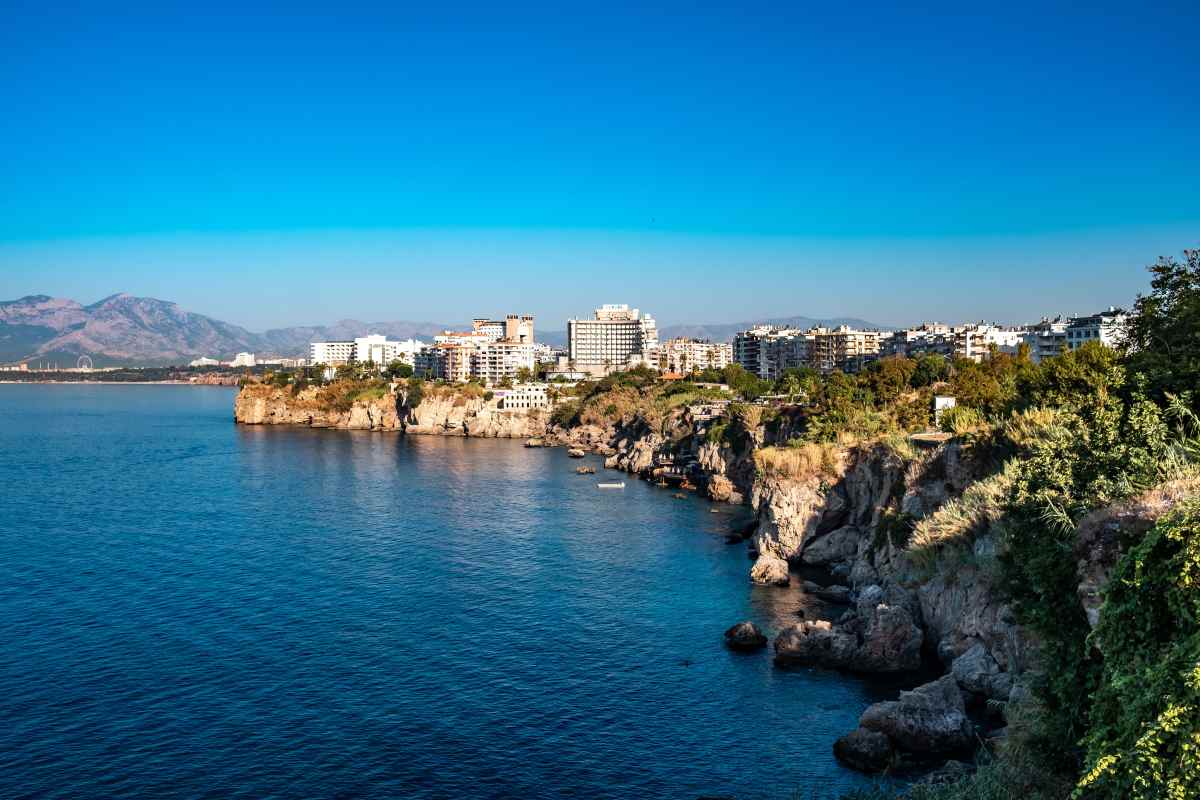
The usual parameters that determine a Mediterranean holiday are undergoing a permanent, structural change. International travellers, tour operators and hospitality stakeholders have for decades lived with the assumption that Türkiye’s picturesque coastal tourism season concluded definitively by mid-October. Now that the summer beach crowd has gone and the temperatures in the region are dropping, the seaside houses are tucked in for a long winter’s nap. Today, that traditional calendar is being rewritten in the south-western resort hub of Antalya. The strategic convergence of headline global science and diplomacy summits is creating an extended tourism window in the region that extends deep into the fourth quarter. For global travellers, digital nomads and tourism investors tracking evolving Mediterranean travel patterns, this evolution is a must-know for capitalising on uncrowded shoulder-season luxury, lower flight congestion and a renewed cultural landscape.
The transformation of Antalya’s seasonal rhythm is anchored by two monumental international gatherings scheduled sequentially through the autumn months. First, the city hosts the prestigious 77th International Astronautical Congress (IAC) from October 5 to October 9, welcoming thousands of global leaders in aerospace, space science, and technology. This high-impact scientific assembly bridges the gap between the traditional summer leisure rush and the late-autumn shoulder period, filling upscale convention centres and luxury coastal hotels with an elite demographic of researchers, engineers, and international innovators.
Advertisement
Immediately following this aerospace milestone, the region prepares for an even larger influx of international delegates and state officials. Antalya is officially slated to host the 31st Conference of the Parties (COP31) to the United Nations Framework Convention on Climate Change from November 9 to November 20. According to industry disclosures and impact reports from the Mediterranean Touristic Hoteliers and Investors’ Association (AKTOB), these back-to-back mega-events are projected to inject unprecedented economic momentum into the local hospitality sector. Prime beachfront complexes and urban conference hotels are maintaining full operational status well past their historical closing timelines, effectively turning what was once a quiet transitional month into a bustling hub of global diplomacy and scientific collaboration.
Accommodating tens of thousands of international diplomats, researchers, and global media personnel requires a comprehensive operational overhaul across the region. Major hospitality brands and resort complexes—particularly within key tourism sub-districts like Kundu and Belek—have thoroughly reorganized their lodging, catering, security, and digital infrastructure. Sector representatives indicate that approximately 150,000 visitors are expected to flow through the region during the autumn summit cluster, transforming November from a dormant period into a peak season for business, scientific, and congress tourism.
Advertisement
This operational pivot requires extensive logistical coordination among municipal authorities, airport management, and private transport providers. Enhanced shuttle networks, expanded digital interpretation services, and upgraded high-speed connectivity hubs are being deployed across the province to ensure seamless transit for international delegations. Furthermore, local culinary establishments, historical museums, and coastal excursion operators are extending their annual operating hours, providing conference attendees with a rich array of cultural experiences that extend far beyond standard conference venues.
This transformation also highlights Türkiye’s broader institutional commitment to sustainable development and green infrastructure. Having emerged as an early adopter of comprehensive sustainable tourism accreditation programmes in partnership with the Global Sustainable Tourism Council (GSTC), the country is utilizing the COP31 platform to showcase national environmental initiatives. Properties that historically shut their doors on November 1 are remaining fully staffed, proving that Mediterranean hospitality infrastructure can successfully pivot toward year-round viability without compromising environmental or service standards.
The success of extending Antalya’s tourism season provides a critical model for other Mediterranean destinations seeking to address overtourism during the peak summer months while capturing high-value economic activity in the off-season. Southwestern Türkiye has forged a resilient model for modern travel through the integration of scientific congresses, aerospace conventions and environmental diplomacy with world-class hospitality infrastructure. For future visitors it heralds an era when gentle Mediterranean winters, cultural discovery and international events come together seamlessly so that the Turkish Riviera remains a vibrant, accessible global destination year-round.
Advertisement
Advertisement
Advertisement
Advertisement
Advertisement












Saturday, September 5, 2026
Saturday, September 5, 2026
Saturday, September 5, 2026

Saturday, September 5, 2026

Saturday, September 5, 2026
Saturday, September 5, 2026
Saturday, September 5, 2026
Saturday, September 5, 2026



