
Malta Beats Greece and Others as Valletta Tops Europe’s Wellness Travel Holiday Rankings for 2026

Published
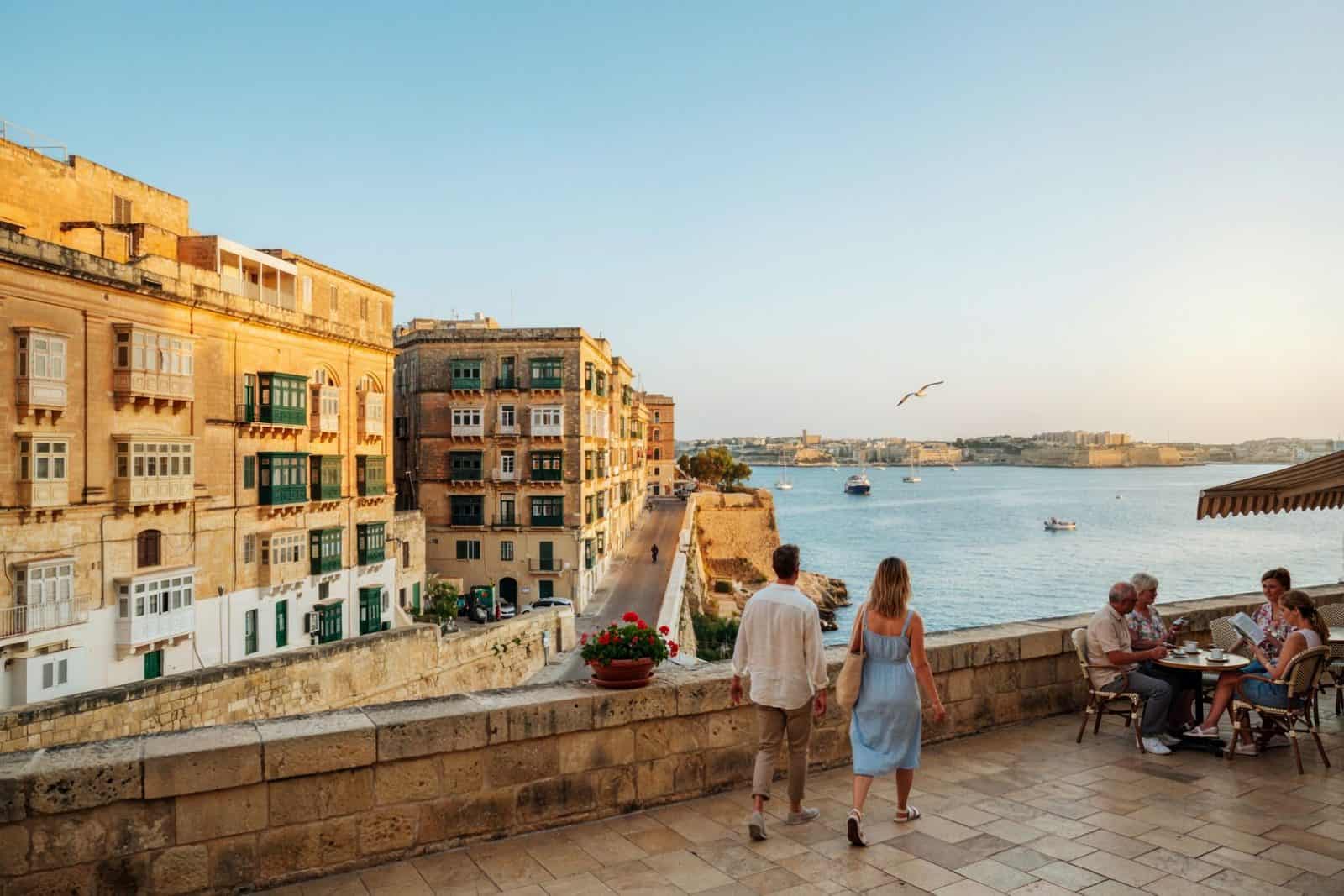
Malta beats Greece, France, Hungary and others in Europe’s 2026 longevity holiday rankings, placing Mediterranean lifestyles at the centre of wellness tourism. Valletta leads the destinations recognised for walking, community connections, accessible dining and a slower pace of life. Meanwhile, Greek islands, French coastal towns and Hungarian heritage destinations strengthen Europe’s appeal to travellers seeking healthier holiday experiences. The rankings highlight how simple activities, cultural exploration and social interaction can shape modern travel preferences. For global tourism, the findings create opportunities for hotels, airlines, local businesses and destination operators to promote meaningful holidays built around wellbeing, accessibility and authentic cultural experiences.
Europe’s 2026 Longevity Holiday Rankings Reveal the Best Destinations for Wellness Travel
Europe’s longevity holiday rankings reflect a broader definition of wellness travel. Rather than concentrating exclusively on spa treatments or specialist retreats, the assessment considers how destinations support everyday activities associated with wellbeing. CV Villas examined almost 100 European locations using lifestyle indicators inspired by Blue Zones research. These included walking conditions, working patterns, opportunities for plant-based dining and facilities associated with community interaction. Each destination received a score out of 100. Malta secured the highest position, followed by Greece, France and Hungary. However, these results describe tourism environments rather than measured differences in life expectancy, health outcomes or visitor spending.
Advertisement
Advertisement
- Malta: Valletta ranks first, with four Maltese destinations appearing in the top 20.
- Greece: Paxos holds second place, while Lefkada ranks eighth.
- France: Saint-Tropez takes third place, with Bordeaux in nineteenth.
- Hungary: Eger secures fourth place, bringing Central Europe into the leading group.
- European tourism: The complete ranking features 20 destinations across 15 countries.
Complete 2026 European Longevity Holiday Rankings: All 20 Destinations and Countries
The table presents the complete destination ranking reported from the CV Villas research. Its geographical range is significant because longevity-oriented holidays are not confined to Mediterranean islands. Coastal resorts, heritage centres, smaller towns and northern European destinations appear together. Travellers can therefore compare different climates, landscapes and cultural experiences when planning a wellness-focused European holiday. Malta has the largest representation, while Greece and France each secure two places. Hungary’s fourth-place position is particularly notable because it places a historic inland destination alongside internationally recognised coastal resorts. The ranking itself does not establish which country delivers better medical care or longer lives.
| European rank | Destination | Country |
|---|---|---|
| 1 | Valletta | Malta |
| 2 | Paxos | Greece |
| 3 | Saint-Tropez | France |
| 4 | Eger | Hungary |
| 5 | Mdina | Malta |
| 6 | Ibiza | Spain |
| 7 | Taormina | Italy |
| 8 | Lefkada | Greece |
| 9 | Budva | Montenegro |
| 10 | Dingle | Ireland |
| 11 | Nessebar | Bulgaria |
| 12 | Bad Ischl | Austria |
| 13 | Piran | Slovenia |
| 14 | Ålesund | Norway |
| 15 | St Julian’s | Malta |
| 16 | Gozo | Malta |
| 17 | Ksamil | Albania |
| 18 | Levoča | Slovakia |
| 19 | Bordeaux | France |
| 20 | Novi Sad | Serbia |
- Malta accounts for 20% of all ranked destinations.
- Greece and France each account for 10%.
- The top four positions belong to four different countries.
- Italy, Spain, Montenegro and Albania add further Mediterranean representation.
- Austria, Norway, Slovakia, Slovenia and other European markets broaden the appeal beyond traditional summer resorts.
Malta Dominates Europe’s Wellness Tourism Rankings as Valletta Secures First Place
Malta’s position in the Europe longevity holiday rankings 2026 reflects its combination of compact historic centres, coastal scenery and established visitor infrastructure. Valletta leads the assessment, while Mdina, St Julian’s and Gozo also feature prominently. Official tourism figures provide additional context. According to Malta’s National Statistics Office, the country welcomed 3,160,974 inbound tourists between January and August 2026, representing a 17.9% increase over the same period in 2025. Total expenditure reached approximately €2.96 billion, an annual increase of 15.6%. These figures demonstrate broader tourism growth, although they do not identify longevity holidays as a specific cause.
Advertisement
Advertisement
- Valletta ranks first for its combination of walking opportunities and sociable surroundings.
- Mdina takes fifth place, strengthening Malta’s heritage-focused wellness appeal.
- St Julian’s ranks fifteenth, offering an established coastal hospitality environment.
- Gozo ranks sixteenth, adding island landscapes and village experiences.
- Malta recorded approximately 18.7 million inbound tourist nights during the first eight months of 2026.
For travellers, Malta offers an opportunity to combine heritage sightseeing, coastal exploration and outdoor dining within one holiday. For hotels and tourism businesses, the ranking provides a relevant marketing theme beyond conventional beach holidays. However, Malta’s visitor growth and its longevity ranking must be understood as separate findings.
Greece Strengthens Its Longevity Holiday Appeal with Paxos, Lefkada and Ikaria
Greece holds second place through Paxos, while Lefkada ranks eighth. Its longevity tourism appeal combines island landscapes, pedestrian exploration and traditional community experiences. Greece’s official tourism portal identifies walking routes across Paxos, including a route connecting Lakka and Gaios over approximately 12 kilometres. The country’s broader tourism performance also provides important context. According to the Bank of Greece, travel receipts increased by 12% between January and July 2026, while inbound traveller flows rose by 8.6%. These national figures indicate expanding tourism activity but do not measure spending specifically associated with longevity or wellness holidays.
Advertisement
Advertisement
- Paxos ranks second in Europe for longevity-oriented holiday conditions.
- Lefkada occupies eighth place, extending Greece’s representation.
- Walking routes on Paxos connect settlements, olive groves and coastal viewpoints.
- Ikaria remains an important destination in discussions of the Blue Zones lifestyle, although it is not in this particular top 20.
For the travel industry, these destinations demonstrate how island holidays can incorporate movement, natural landscapes and cultural encounters. The opportunity extends beyond traditional sun-and-sea tourism to walking itineraries and longer, more flexible stays.
France Claims Third Place as Saint-Tropez and Bordeaux Broaden Wellness Travel
France earns third place through Saint-Tropez, while Bordeaux occupies nineteenth position. These destinations represent different approaches to wellness-oriented travel. Saint-Tropez combines coastal paths, Mediterranean scenery and village experiences. Bordeaux offers urban heritage, public spaces and opportunities for cultural exploration on foot. France’s national tourism platform identifies walking, cycling and horse riding among the outdoor activities available around the Gulf of Saint-Tropez. Official figures also underline the scale of France’s established tourism sector. INSEE recorded 260.5 million overnight stays in collective tourist accommodation during summer 2026, representing a 1.1% increase from the previous summer.
- Saint-Tropez secures third position in the European ranking.
- Bordeaux ranks nineteenth, bringing an urban destination into the assessment.
- Coastal walking routes provide an active alternative to conventional resort experiences.
- Cultural sightseeing and dining can form part of slower, less structured holidays.
- France’s national summer accommodation figures indicate continued tourism activity, but not a specific increase in wellness travel.
The French example shows how established destinations can offer experiences beyond their best-known attractions. Coastal walks, historic streets and local food provide practical reasons for travellers to spend time exploring rather than relying exclusively on organised wellness programmes.
Hungary Emerges as a Central European Contender with Eger Ranking Fourth
Hungary provides one of the ranking’s most distinctive results, with Eger securing fourth place. Unlike Malta’s island destinations or France’s Mediterranean resorts, Eger offers a historic inland environment associated with architecture, local dining and regional traditions. Its appearance widens the geographical scope of European longevity holidays. However, Hungary’s latest available official tourism figures indicate a challenging wider market. The Hungarian Central Statistical Office reported nearly 2.6 million guests and 6.9 million tourism nights across tourist accommodation establishments in August 2026. These represented annual decreases of 7.3% and 5.8%, respectively, showing that a strong lifestyle ranking does not necessarily coincide with rising arrivals.
- Eger ranks fourth, ahead of several internationally established holiday resorts.
- The city provides a historic setting for pedestrian sightseeing and cultural exploration.
- Its regional food and wine traditions offer opportunities to experience local hospitality.
- Hungary’s national accommodation figures indicate weaker August performance despite Eger’s high ranking.
- Eger’s position could help broaden awareness of Central European cultural and slower-paced holidays.
Blue Zones and Healthy Holidays: What Longevity Tourism Actually Means
Longevity tourism is often associated with communities where residents traditionally maintain active routines, social relationships and locally influenced diets. Ikaria in Greece and Sardinia in Italy are widely discussed within the Blue Zones framework. Yet there is an important difference between visiting a destination with these characteristics and demonstrating that a holiday extends life expectancy. The World Health Organization recommends that adults undertake at least 150 minutes of moderate-intensity physical activity weekly. Walking during a holiday can contribute towards this goal. However, short visits cannot reproduce all the social, environmental and lifelong influences that shape population health.
- Walking contributes to physical activity, but a destination’s terrain alone cannot measure accessibility.
- Social interaction may enrich a holiday, although the availability of cafés does not establish community wellbeing.
- Plant-based dining provides choices, but restaurant numbers do not measure dietary quality.
- A relaxed holiday schedule is not equivalent to a verified reduction in long-term stress.
- Longevity rankings are useful for travel inspiration, not as medical certifications.
The same principle applies to tourism marketing. Describing a destination as suitable for a wellness holiday is reasonable when relevant facilities and activities are available. Claiming that visiting it will make travellers live longer would require evidence that the ranking does not provide.
Advertisement
Advertisement
How Longevity Tourism Could Influence European Hotels, Airlines and Travel Businesses
The 2026 longevity holiday rankings offer the travel industry an additional way to present European destinations. Hotels can showcase accessible locations, healthy dining choices and nearby walking routes. Tour operators can develop itineraries around cultural encounters, outdoor activities and relaxed daily schedules. Airlines serving European gateways may also benefit when travellers combine established city breaks with island or regional exploration. However, no official data examined here demonstrate that the rankings have independently increased airline bookings, passenger volumes or hotel occupancy. The commercial opportunity remains a potential development rather than a confirmed outcome, and it must be assessed alongside wider tourism performance.
- Hotels: Accommodation providers can highlight walkable surroundings, outdoor facilities and varied dining options.
- Airlines: Regional flight connections can support access to established and emerging wellness destinations.
- Tour operators: Walking holidays, heritage visits and local food experiences offer opportunities for itinerary development.
- Restaurants: Demand for flexible menus and local ingredients may create opportunities for hospitality businesses.
- Destinations: Smaller towns and islands may gain additional visibility without needing to compete solely through luxury tourism.
Official tourism indicators available as of 15 October 2026
| Country | Latest verified indicator | Travel industry context |
|---|---|---|
| Malta | 3.16 million inbound tourists, January–August 2026; +17.9% year on year | Strong inbound tourism growth |
| Greece | Travel receipts +12.0%, January–July 2026 | Higher international travel revenue |
| France | 260.5 million summer accommodation nights; +1.1% | Established tourism demand continues |
| Hungary | 6.9 million accommodation nights in August 2026; −5.8% | Softer national accommodation performance |
What Travellers Should Know Before Booking a European Longevity Holiday
Choosing a longevity-focused European holiday requires attention to practical details beyond destination rankings. Travellers should consider their preferred level of physical activity, accommodation accessibility, transport connections and the availability of suitable food. A compact historic destination may offer enjoyable walking experiences but still contain steep streets, stairs or uneven surfaces. Island holidays may involve ferry journeys, while inland destinations can require additional ground transport. Seasonal weather also affects outdoor activities. A useful wellness itinerary therefore combines realistic daily movement with sufficient rest, cultural experiences and flexibility rather than treating the holiday as a demanding fitness programme.
- Accessibility: Check walking distances, slopes and accommodation access before booking.
- Transport: Confirm airport transfers, ferry connections and regional travel arrangements.
- Accommodation: Choose locations near the attractions and activities you intend to visit.
- Dining: Review restaurant options against dietary requirements and personal preferences.
- Travel planning: Check current airline schedules, entry requirements and seasonal opening periods through official sources.
Conclusion
Malta beats Greece and others in Europe’s 2026 longevity holiday rankings, strengthening its visibility within the growing conversation around wellness tourism. Valletta’s leading position highlights the appeal of walkable cities, community experiences and accessible cultural activities. Greece contributes distinctive island environments, France combines coastal attractions with heritage, and Hungary demonstrates the potential of historic inland destinations. Together, these countries show how European tourism can offer meaningful travel experiences beyond conventional resort holidays. The rankings cannot establish longer life expectancy or direct tourism growth. Nevertheless, they highlight practical opportunities for travellers and businesses interested in more active, balanced and culturally connected holidays.
Advertisement
