Image generated with Ai
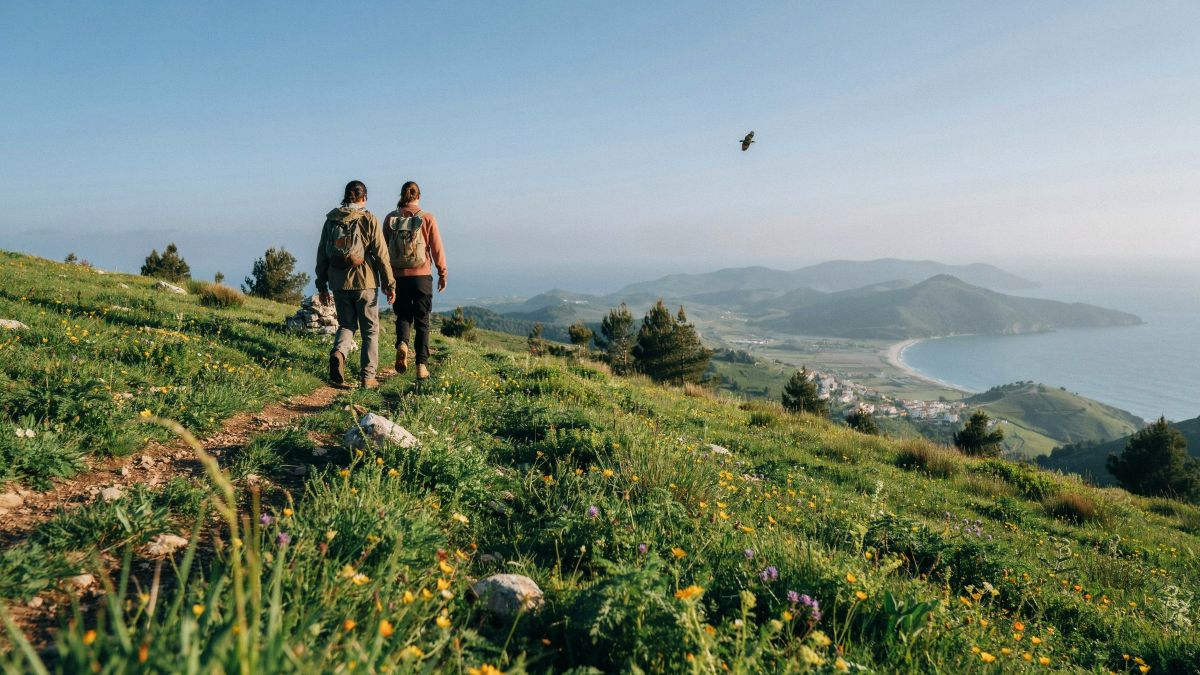
This country has transformed the Middle Eastern holiday experience by bringing in better seasons and cool getaways since tourists are now rethinking their holiday planning. The different destinations for holiday in Turkey include the coastlines, the cities, the highlands and the mountainous regions. As a result, tourists have the ability to plan the holiday according to the weather. Spring and autumn seasons will be great for sightseeing tours, beach holidays and cultural tours; however, the highland will be great for cooling off in case the temperatures are too hot. In this way, the tourism companies can make outdoor activities for tourists safely in Turkey without the summer heat.
Turkey stands out because its geography gives travellers several climate choices within one country. The Aegean and Mediterranean coasts support spring and autumn holidays, while high plateaux, mountain districts and greener Black Sea areas can provide a cooler alternative in warmer months. Istanbul, Ankara and inland cultural centres also deliver distinct seasonal experiences.
This flexibility is becoming a major tourism advantage. Visitors can combine city breaks, coastlines, historic sites and nature tourism while adjusting their route to weather conditions. Turkey does not offer one uniform climate. Instead, it gives travellers the ability to choose the right region for the right season.
Official Turkish meteorological data show sharp contrasts across the country. Ankara’s long-term average temperature is close to 0.9°C in January, but it rises to around 24°C in July and August. Typical summer daytime highs are near 31°C, while southeastern areas can become far hotter.
Advertisement
Advertisement
The weather picture can change quickly. Turkey experienced a cooler and wetter spring in 2026, with the national mean temperature in May recorded at 15.7°C, below the 1991–2020 average. National rainfall reached 95.6 mm, well above normal levels. However, the country also experienced major heat extremes in 2025, when Cizre reached 49.4°C and dozens of stations recorded new maximum-temperature records.
For tourism, the lesson is clear. Turkey’s strength lies in its range of destinations, not in a single all-season promise.
Lebanon offers a compact but powerful mix of Mediterranean coastline, hills and mountain ranges. This creates a travel advantage during warmer periods, as visitors can move from coastal locations towards higher terrain without undertaking long journeys.
The country’s natural landscape can support a wider tourism season. Coastal stays, mountain escapes, cultural routes and food-focused travel can be combined within a short itinerary. Higher places may offer relief when lowland areas become uncomfortable, while the Mediterranean influence can moderate conditions along parts of the coast.
This makes Lebanon relevant to travellers who want scenic road trips, heritage exploration and outdoor experiences without relying only on summer beach travel. Spring and autumn become particularly valuable, as they can offer manageable conditions for walking, sightseeing and countryside stays.
However, travellers should check current local forecasts and conditions before travel. The available recent public national weather reporting is less extensive than in some other regional markets. Its climate potential remains strong, but visitors should not assume that long-term averages always reflect present-day conditions.
Jordan provides a different form of weather appeal. Its dry air and elevated areas can feel more manageable than humid coastal climates, particularly outside the hottest part of summer. This gives the country an advantage for cultural tourism, desert journeys and outdoor heritage experiences during spring and autumn.
The country is not uniformly mild. Desert zones and lowland areas can experience severe summer heat, while rainfall remains limited and uneven. Yet higher locations and dry atmospheric conditions can make a meaningful difference to traveller comfort.
For visitors, timing matters. The most suitable period for visiting Petra, Wadi Rum, Amman and other major attractions often falls outside peak summer. Earlier morning starts, shaded rest stops and evening programmes can make an itinerary more practical when temperatures rise.
Jordan’s tourism opportunity lies in making its shoulder-season offer clearer. Cultural travel, stargazing, wellness stays, desert camps and hiking routes can benefit when operators build experiences around cooler hours rather than the traditional midday touring model.
Israel remains attractive for travel across much of the year, supported by varied landscapes and a long shoulder season. Coastal cities, heritage sites, desert landscapes and upland areas give travellers a range of experiences beyond peak summer.
Official weather reporting indicated that June 2026 was slightly cooler than average, while July was warmer than average but not exceptionally extreme compared with recent years. Yet record temperatures from 2024 and 2025 show how quickly the heat risk can change.
Summer 2024 was the country’s warmest since measurements began. In August 2025, Gilgal reached 49.7°C, while Sedom recorded a minimum temperature of 37.1°C, setting a national record for the highest night-time minimum.
Warm nights are especially important for tourism. When temperatures remain high after sunset, visitors have less opportunity to recover from daytime heat. Hotels face greater cooling demand, outdoor dining becomes less comfortable and evening sightseeing can also be affected.
Travel planners should therefore build flexible schedules. Spring, autumn and milder winter periods are likely to become increasingly important for visitors seeking outdoor experiences.
The United Arab Emirates, Qatar, Bahrain and Kuwait continue to offer major tourism appeal through modern hotels, events, shopping, beaches, aviation links and clear winter weather. Their challenge is not a lack of sunshine. It is the heavy burden created by high summer heat and humidity.
The United Arab Emirates recorded 47.4°C at Mezaira on 2 September 2026, showing that severe heat can continue even after meteorological autumn begins. Official guidance earlier in the year also indicated that interior temperatures could reach around 40°C to 45°C, alongside periods of very high humidity.
Humidity changes how heat feels. When air is moist, sweat evaporates less effectively, making it more difficult for the body to cool down. High night-time temperatures add another concern, particularly for travellers who plan outdoor activities.
This does not weaken the Gulf’s position as a global tourism region. Instead, it sharpens its seasonal identity. Late autumn, winter and early spring offer the most comfortable period for beach holidays, city breaks, outdoor events and desert experiences.
The World Meteorological Organization reported that 2024 was the hottest year on record in the Arab region. Average temperature was 1.08°C above the 1991–2020 average, while warming across the region has been occurring at roughly twice the global rate.
Heatwaves are becoming longer and more intense. Heavy rain and flash floods have also affected parts of Saudi Arabia, Bahrain and the United Arab Emirates. These conditions affect far more than holiday comfort. They can influence airport operations, road journeys, guided tours, energy demand, hotel costs and public health.
Tourism businesses must now treat weather readiness as part of their service model. Hotels can improve shade, drinking-water access, cooling areas and guest information. Tour operators can move activities to early morning or evening. Destinations can strengthen real-time warnings and public cooling facilities.
Tourism in the Middle East is reconsidered by Turkey, Lebanon, and Jordan because of the climate change impact on vacations. Nowadays, while choosing the destination for holidays, one pays more attention to the season. That is why summer is not regarded as the season when one may take advantage of the vacations. Hot weather, humidity, dust, as well as warm nights influence walking tours, beach holidays, and sightseeing in the city. Turkey has numerous places and cool mountains.
Advertisement
Advertisement
Advertisement













Monday, September 7, 2026

Monday, September 7, 2026

Monday, September 7, 2026

Monday, September 7, 2026

Monday, September 7, 2026
Monday, September 7, 2026
Monday, September 7, 2026