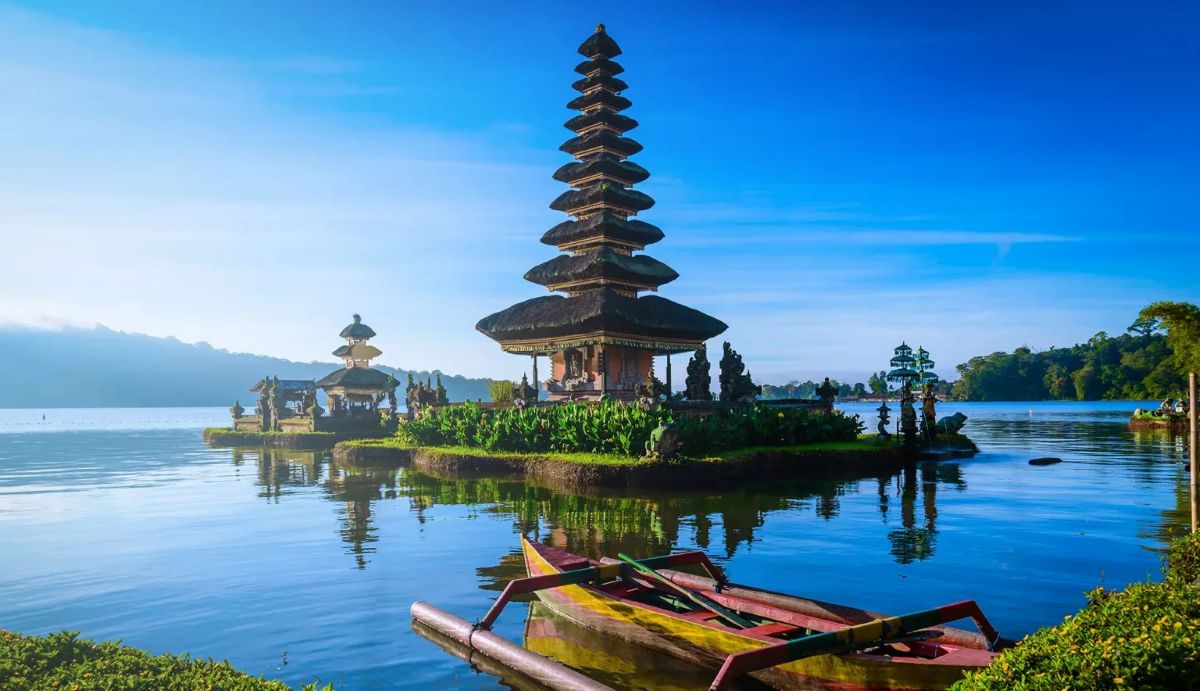
Asia’s tourism map is widening as travellers look beyond its familiar capitals and resort centres. Underrated cities in Asia are gaining relevance because they combine heritage, food, nature and urban character. Da Nang recorded more than 17.3 million accommodated visitors in 2025, including 7.6 million international guests. Almaty, meanwhile, welcomed 2.49 million visitors during 2025, with foreign arrivals rising almost 10%. Yogyakarta also shows the strength of domestic travel, with millions of Indonesian trips supporting its visitor economy. These figures challenge the idea that lesser-profile cities lack tourism momentum. Instead, they reveal destinations with distinctive identities, improving infrastructure and considerable room for deeper travel experiences.
Asia’s most recognisable destinations remain powerful magnets, but travellers increasingly face crowded landmarks and compressed itineraries. The more interesting opportunity lies one step away from the conventional circuit, where cities can offer a broader sense of place.
Advertisement
The term “underrated” needs care. It does not mean unknown, empty or devoid of tourism infrastructure. In this feature, it refers to cities that receive less international attention than their cultural or experiential value suggests.
That distinction matters because several destinations already attract substantial domestic demand. Yogyakarta is a strong example. Its December 2025 hotel figures showed that 97.82% of hotel guests were Indonesian, demonstrating how international visibility can understate a destination’s actual tourism importance.
Advertisement
Advertisement
For travellers, that creates an intriguing proposition. A city can feel under-discovered internationally while remaining deeply established within its own country’s travel economy.
The strongest candidates stretch from East Asia to Central Asia and Southeast Asia. They differ considerably, but each offers a reason to stay rather than simply pass through.City Country Strongest travel proposition Best suited to George Town Malaysia Living multicultural heritage and food Culture and culinary travel Da Nang Vietnam Coast, mountains and urban convenience Beach and multi-centre trips Yogyakarta Indonesia Royal heritage, arts and temples History and culture Kanazawa Japan Traditional neighbourhoods and crafts Heritage-focused breaks Kaohsiung Taiwan Harbour, arts and urban regeneration City and waterfront travel Luang Prabang Laos Buddhist heritage and slow travel Couples and cultural travellers Almaty Kazakhstan Mountains beside a major city Adventure and city breaks Semarang Indonesia Colonial-era districts and food Architecture and discovery Surabaya Indonesia Urban history and East Java access Regional exploration Fukuoka Japan Food, shopping and Kyushu gateways Short urban escapes
The selection is deliberately broad. It avoids presenting one part of Asia as the region’s only source of alternative travel.
George Town is not obscure, but its international reputation can still understate the depth of its urban experience. UNESCO describes George Town and Melaka as historic trading cities shaped by more than 500 years of cultural exchange between East and West.
Advertisement
Advertisement
Its appeal comes from living heritage rather than a single attraction. Religious buildings, shophouses, ethnic quarters, food traditions and historic streets exist within the same urban fabric. UNESCO identifies the city as an exceptional multicultural trading town shaped by Malay, Chinese, Indian and European influences.
That makes George Town especially useful for travellers seeking a city where sightseeing and daily life overlap. The destination also offers a valuable lesson for tourism planners. UNESCO records how George Town used heritage conservation as a resource for local development after its free-port status ended in 1969.
Da Nang is perhaps the clearest example of a destination that has outgrown its old role as a stopover. Its combination of coastline, mountains, food and access to central Vietnam gives it a much broader travel proposition.
Official tourism data show the scale of that transformation. Accommodation establishments served more than 17.3 million visitors in 2025, up 15% year on year. International visitors exceeded 7.6 million, rising 25%, while tourism-related accommodation, food and travel revenue reached an estimated VND60 trillion.
The momentum continued into 2026. During the first quarter, accommodation establishments served about 4.2 million guests, up 15.3% year on year. International visitors reached 2.34 million, while air services increased by roughly 19%.
For travellers, this changes the planning equation. Da Nang can work as a destination in its own right, while also linking a wider central Vietnam itinerary.
Yogyakarta offers a different form of under-recognised value. Its strength is cultural density rather than resort infrastructure.
The city sits within a wider heritage landscape that includes internationally recognised temple complexes. UNESCO lists Prambanan and Borobudur among Indonesia’s World Heritage properties, while the Cosmological Axis of Yogyakarta and its Historic Landmarks entered the World Heritage List in 2023.
The data also reveal an important market characteristic. Yogyakarta’s tourism economy remains heavily domestic, meaning overseas travellers may underestimate the depth of the destination’s existing demand.
In December 2025, the city’s star-rated hotels recorded 70.32% occupancy, while the average stay was 1.58 nights. Yet only 2.18% of hotel guests were foreign visitors.
That gap is commercially significant. It suggests a mature domestic destination with considerable scope for international positioning.
Kanazawa fits a different traveller need. Japan’s headline destinations remain enormously attractive, but travellers looking for traditional architecture, gardens, crafts and regional cuisine can consider a city outside the most familiar circuit.
Kanazawa’s appeal lies in concentration. Historic districts, craft traditions, gardens, markets and preserved cultural environments can form a coherent short break.
Japan’s tourism statistics system increasingly provides regional data rather than focusing only on national arrivals. The Japan National Tourism Organization tracks visitor rates by prefecture and overnight stays, helping reveal where international travellers actually spread across the country.
For planners, that regional perspective matters. The future of Japanese tourism is not simply about attracting more visitors. It is also about distributing demand more effectively.
Kaohsiung offers a compelling alternative to a Taipei-only itinerary. Its identity is tied to the sea, port infrastructure, public spaces, arts and southern Taiwan’s food culture.
Taiwan’s official visitor statistics show that Kaohsiung remains an important gateway. In December 2025, 88,163 international visitors entered through Kaohsiung Airport, representing 9.31% of air arrivals that month.
The wider statistics also show how visitors increasingly structure trips around several nights rather than single-day encounters. Among visitors departing Taiwan in December, the most common stay was three nights, followed by five to seven nights.
That makes Kaohsiung particularly relevant to travellers designing longer Taiwan itineraries.
Luang Prabang is better understood as a heritage environment than a conventional city-break destination. UNESCO describes its historic town as an exceptional fusion of traditional Lao architecture and European colonial structures.
The setting is equally important. The city sits on a peninsula between the Mekong and Nam Khan rivers, surrounded by mountains and greenery. Its temples, traditional houses and colonial buildings create an unusually cohesive urban landscape.
However, its success creates a warning for the wider travel industry. UNESCO notes pressures linked to tourism, including changes in building use, resident displacement and unsuitable construction.
That means travellers should approach Luang Prabang as a heritage-sensitive destination, not simply a photogenic stop.
Almaty is one of Central Asia’s most compelling urban gateways because its strongest natural asset begins close to the city.
Official figures show the destination welcomed 2,487,889 visitors in 2025, up 6.3% from 2024. Foreign visitors rose 9.9% to about 754,000.
The investment story is equally notable. Tourism investment reached 171.6 billion tenge in 2025, according to the city’s official tourism reporting. The city also recorded strong growth from China, India and several European markets.
Almaty therefore illustrates a crucial shift. A destination can combine urban sophistication and outdoor access without fitting the conventional Asian city-break template.
Indonesia’s international tourism image remains strongly associated with Bali. Yet Java contains major urban destinations with different histories and travel rhythms.
Semarang’s old city, colonial architecture and culinary traditions give it a distinctive identity. Surabaya provides another perspective, combining urban history with access to East Java’s broader attractions.
Their value lies partly in itinerary design. Travellers can use such cities as bases rather than treating Indonesia as a sequence of resort destinations.
That approach also spreads spending beyond established tourism centres. For local businesses, longer stays and broader regional itineraries can create more opportunities than short visits concentrated around a handful of famous attractions.
The statistics suggest that “underrated” does not necessarily mean “small”. Da Nang and Almaty already handle millions of visitors, while Yogyakarta has a huge domestic tourism base.Destination Recent official indicator What it signals Da Nang 17.3m accommodated visitors in 2025 Rapid international and domestic growth Almaty 2.49m visitors in 2025 Rising Central Asian visibility Yogyakarta 70.32% star-hotel occupancy, Dec. 2025 Strong domestic demand Taiwan 88,163 Dec. arrivals via Kaohsiung Airport Southern gateway relevance Malaysia 6.37m tourist arrivals, Q1 2025 Regional travel recovery
Malaysia’s national tourism figures provide useful regional context. Tourist arrivals reached 6.37 million in the first quarter of 2025, 9.5% above the same period in 2024, according to Tourism Malaysia.
The lesson is straightforward. Secondary destinations do not need to compete directly with major capitals. They can benefit from broader regional growth while offering travellers a different product.
The practical advantage is not simply lower crowds. Travellers can often build more nuanced journeys around secondary cities.
A three-night stay in one city can support independent restaurants, museums, markets, neighbourhood businesses and cultural venues. It can also reduce the pressure created by rapid sightseeing across several headline destinations.Traveller priority Strong options Why they stand out Heritage George Town, Yogyakarta, Luang Prabang Deep historic fabric Beaches Da Nang Coast combined with city facilities Mountains Almaty Urban base near dramatic landscapes Crafts Kanazawa Strong traditional-art identity Waterfront Kaohsiung Port heritage and regeneration Food George Town, Fukuoka, Da Nang Distinctive regional cuisines Slow travel Luang Prabang, Yogyakarta Culture rewards longer stays Regional touring Surabaya, Semarang, Da Nang Strong bases for wider itineraries
The case for lesser-profile cities also connects with a wider tourism-management challenge. Popular destinations increasingly need to balance visitor numbers with residents’ quality of life, heritage protection and infrastructure capacity.
The answer is not to stop visiting famous cities. Instead, travellers can build multi-centre journeys that distribute demand.
For destination managers, that creates a more sophisticated objective. The priority becomes attracting the right visitor, encouraging longer stays and connecting nearby destinations.
Luang Prabang demonstrates the complexity. UNESCO’s management framework includes a substantial buffer zone and measures designed to assess development impacts.
George Town provides another model. Its heritage strategy linked conservation with local livelihoods and tourism development.
Travellers should begin with the experience rather than the country. Someone seeking traditional Japanese culture may gain more from Kanazawa than another short stay in a major metropolitan centre.
Likewise, a traveller wanting beaches and food could use Da Nang as a central Vietnam base. Someone interested in Buddhist heritage could prioritise Luang Prabang, while an adventure-oriented traveller could pair Almaty with mountain excursions.
Seasonality still matters. Weather, festivals, school holidays and flight schedules can materially change the experience. Travellers should also check entry requirements, local transport and accommodation availability before booking.
Most importantly, “underrated” should never be interpreted as “untouched”. Some destinations already face pressure from tourism growth, and responsible behaviour remains essential.
The strongest opportunity is not to replace Tokyo, Bangkok, Singapore, Seoul or other established destinations. It is to expand the travel map around them.
The evidence from Da Nang, Almaty and Yogyakarta shows that destinations outside the traditional international spotlight can possess substantial tourism economies. Their growing infrastructure can also make them increasingly practical for overseas visitors.
For travellers, that means more choice. For tourism boards, it creates a chance to build stronger regional circuits. For local businesses, it can bring spending into neighbourhoods that famous destination branding often overlooks.
The real attraction of Asia’s less-celebrated cities is therefore not novelty alone. It is the combination of cultural depth, regional identity, improving access and a more considered pace of travel. As Asian tourism continues to diversify, these cities may become less underrated. Their strongest advantage, however, will remain the character that made them worth discovering in the first place.
Advertisement
Tags: alternative Asian destinations, Asian city breaks, Heritage Cities, secondary city tourism, slow travel Asia
Advertisement
Advertisement













Monday, September 7, 2026

Monday, September 7, 2026

Monday, September 7, 2026

Monday, September 7, 2026

Sunday, September 6, 2026
Monday, September 7, 2026

Monday, September 7, 2026