
Middle East tourism is facing new confidence issues in the region as Jordan, Qatar and five other countries are joining hands in one common stance. Jordan, Qatar, Saudi Arabia, UAE, Indonesia, Pakistan, Turkey and Egypt have joined hands with each other on a common diplomatic stance after they condemned in a very strong manner the statements made by Israeli National Security Minister Itamar Ben-Gvir and Israeli Defence Minister Israel Katz pertaining to proposals about the displacement of Palestinians from the Gaza Strip.
The eight countries said proposals aimed at removing Palestinians from their land violate international law and international humanitarian law. While the statement is primarily a political response, the development also highlights how regional tensions can influence tourism perceptions, visitor confidence, aviation connectivity and investment decisions across the Middle East.
Advertisement
Tourism has become one of the most important economic sectors for many countries in the region. Governments are investing billions into cultural tourism, luxury hospitality, aviation expansion, heritage attractions and international events. However, continued geopolitical uncertainty remains a challenge for maintaining a strong global travel image.
The Middle East has transformed into one of the fastest-growing tourism regions in the world. Countries across the region are building new attractions, improving airports and creating experiences designed for international visitors.
Advertisement
Advertisement
However, political developments can strongly influence how travellers view an entire region.
Many international tourists do not always separate individual destinations from wider regional events. A crisis in one area can sometimes affect travel decisions for neighbouring countries, even when popular tourism destinations remain operational and secure.
The latest diplomatic tensions surrounding Gaza displacement proposals could influence:
For tourism-dependent economies, maintaining a stable and welcoming image remains a major priority.
Advertisement
Advertisement
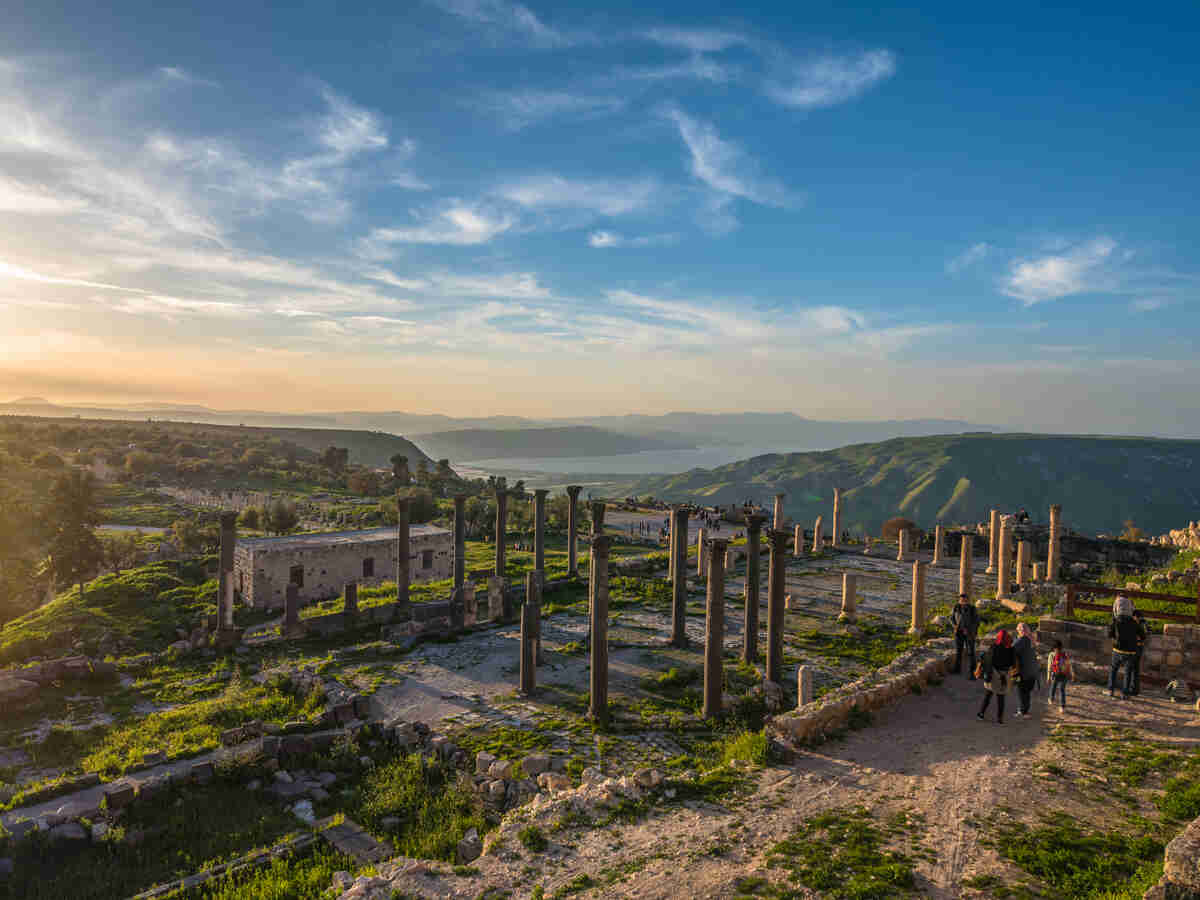
Jordan remains one of the Middle East’s most important cultural tourism destinations. The country attracts visitors through ancient heritage, archaeological wonders and unique natural landscapes.
Key tourism attractions include:
In 2026, Jordan continues focusing on strengthening tourism through heritage promotion, adventure travel and cultural experiences.
The country’s tourism strategy aims to increase international visitor interest by promoting authentic experiences beyond traditional sightseeing.
However, because Jordan shares borders with areas affected by regional tensions, international perception remains an important factor. Tourism authorities must continue communicating destination safety, accessibility and visitor experiences to global markets.
Qatar has emerged as a major Middle East tourism hub through aviation, luxury hospitality, sports events and cultural experiences.
The country continues developing tourism through:
Qatar’s position as a global aviation gateway helps connect millions of travellers between Asia, Europe and other international markets.
The country has also strengthened its reputation as a destination for meetings, incentives, conferences and exhibitions.
Regional political developments can create challenges for tourism confidence, but Qatar’s investment in infrastructure and international connectivity provides a strong foundation for continued tourism growth.
Saudi Arabia is undergoing one of the largest tourism transformations in the world through its Vision 2030 programme.
The Kingdom is focusing on:
Major tourism developments are increasing global attention towards Saudi Arabia.
Destinations such as AlUla, the Red Sea region and historic cities are becoming key parts of the country’s international tourism strategy.
Saudi Arabia’s challenge is balancing regional political developments with its ambition to attract millions of international visitors.
The country continues promoting itself as a destination offering history, nature, culture and modern experiences.
The United Arab Emirates remains one of the strongest tourism markets in the Middle East.
Dubai and Abu Dhabi have built global reputations through:
The UAE continues attracting visitors through world-class infrastructure and diverse tourism products.
Dubai’s position as a global travel hub means regional stability remains important for maintaining passenger confidence.
The country’s tourism model focuses on international visitors from Europe, Asia, Africa and the Americas, making reputation management a key priority.
Türkiye plays an important role between Europe and Asia and continues attracting millions of international visitors.
Tourism growth areas include:
Türkiye’s tourism industry benefits from its geographical position and diverse visitor experiences.
The country’s participation in the joint statement reflects its wider regional involvement while its tourism sector continues focusing on attracting global travellers.
Egypt remains one of the world’s most recognised tourism destinations.
The country’s tourism strength comes from:
Egypt continues investing in tourism development and international promotion.
The country’s Red Sea destinations remain important tourism assets because they attract visitors seeking beach holidays, luxury resorts and underwater experiences.
However, regional developments can influence traveller confidence, making tourism communication and destination marketing increasingly important.
Although Indonesia and Pakistan are not Middle Eastern countries, both nations joined the diplomatic statement and continue developing tourism sectors in their own regions.
Indonesia remains one of Asia’s leading tourism destinations.
The country continues promoting:
Indonesia’s participation highlights wider international attention towards regional humanitarian and political issues.
Pakistan is developing tourism through:
The country has significant potential in nature and adventure tourism, especially among international travellers seeking unique destinations.
The latest diplomatic development shows the close connection between geopolitics and tourism.
Middle East countries are continuing major tourism investments despite regional challenges. Governments are focusing on improving infrastructure, expanding aviation networks and creating new visitor experiences.
The tourism industry will closely watch:
The Middle East remains a region with enormous tourism potential. From Jordan’s heritage sites to Qatar’s modern attractions, Saudi Arabia’s new tourism projects and UAE’s global connectivity, countries continue working to attract international visitors.
Jordan, Qatar, and five other countries stand united regarding issues related to Gaza while Middle East tourism faces stability and development problems.
The future of Middle East tourism depends upon keeping the perception of being safe and maintaining international relations so that tourists can perceive the Middle East as a land of culture and exploration.
Advertisement
Tags: jordan, Middle East Tourism, QATAR, UAE
Advertisement
Advertisement













Sunday, September 6, 2026

Sunday, September 6, 2026

Sunday, September 6, 2026

Sunday, September 6, 2026

Sunday, September 6, 2026

Saturday, September 5, 2026

Sunday, September 6, 2026

Sunday, September 6, 2026



