
How Cartagena And São Paulo Are Stealing The Travel Spotlight And Making Other Hotspots Look Boring In South America, Find Out Now

Published
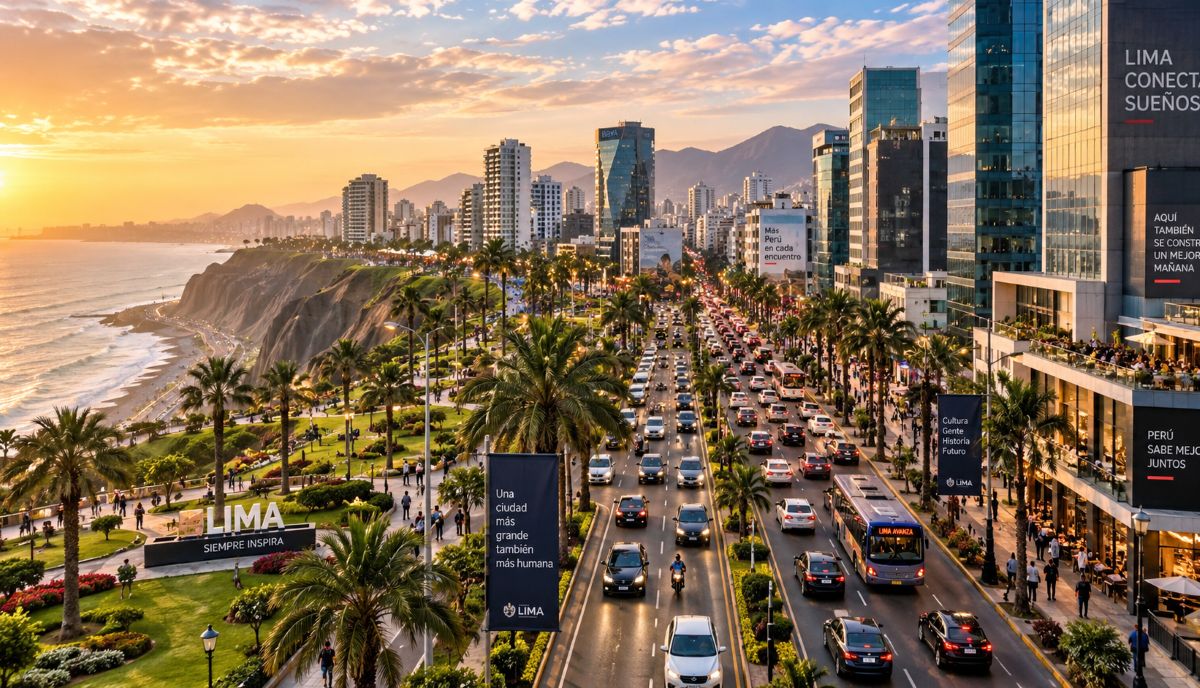
Image generated with Ai
An electric current runs through South America. Colombia nails it with “feel the beat”. Feel the energy that draws us all towards the south. It’s not South America just getting back on its feet. South America is writing a new chapter of its history on an enormous scale. Quietly and without the distraction of record international flight numbers or cruise ship crowds, seven major South American cities, Cartagena, São Paulo, Rio, Buenos Aires, Bogotá, Lima, and Santiago – are coming together to spearhead a revolution. It’s the finer things like the dazzling Punta Penalí tango performance in Buenos Aires, Lima’s world class dining, or the blend of Rio’s coastal sunsets against the backdrop of the city’s peaks, that make South America a place for all. South America is now the dream of many and has the beat and history of the modern traveler. Governments and local communities are prioritizing the creation of safer cities. It’s no longer a long distant dream for many. South America has the pulse of the modern traveler combined with a rich history.
How Is Cartagena Uniting South America’s Travel Surge Through Coastal Heritage and Cruise Ship Expansions in Colombia?
Cartagena, Colombia, has firmly cemented its status as an unmissable Caribbean treasure by seamlessly blending centuries of preserved colonial history with state-of-the-art maritime infrastructure. The city’s magnificent UNESCO World Heritage-listed walled city offers an enchanting atmosphere of cobblestone streets, vibrant bougainvillea-draped balconies, and grand Spanish fortresses that captivated roughly 900,000 international visitors in 2025 alone.
Coastal tourism has been significantly boosted by massive expansions at the municipal cruise terminal, which regularly receives world-class liners sailing from North America and Europe. Furthermore, direct access to the pristine Rosario Islands makes the city an ideal base for tropical island getaways and luxury beach escapes. The economic impact of this staggering 31% surge in international visitors has completely revitalised the local hospitality industry, generating substantial tax revenues and creating thousands of jobs for local residents.
Advertisement
Advertisement
Why Is São Paulo Leading South America’s Booming Business and Gastronomic Tourism Landscape in Brazil?
São Paulo, Brazil, stands firmly as South America’s largest financial engine and premier business gateway, attracting over 2.5 million international arrivals through robust corporate channels and world-class infrastructure. As the recognized MICE capital of the continent, the sprawling metropolis offers an unbeatable network of modern conference venues, multinational corporate headquarters, and high-speed urban transit links.
Advertisement
Advertisement
Extensive transport upgrades across the metropolitan subway system and major international airports allow the city to handle massive influxes of international business delegates effortlessly. Beyond corporate boardrooms, the urban giant boasts a legendary culinary landscape featuring Michelin-starred restaurants, vibrant street markets, and diverse global cuisines. The municipal government’s highly successful promotional campaign continues to pull in international corporations, driving sustained commercial activity throughout the calendar year.
How Is Rio de Janeiro Achieving Record International Arrivals Through Iconic Attractions and Infrastructure Overhauls in Brazil?
Rio de Janeiro, Brazil, affectionately celebrated as the “Marvelous City,” has achieved a stunning 47.5% growth in international arrivals, reaching approximately 1.97 million visitors. World-famous golden coastlines such as Copacabana and Ipanema continue to serve as the heart of the city’s irresistible leisure appeal, drawing millions of sun-seekers annually.
Global iconic landmarks, including the monumental Christ the Redeemer statue atop Corcovado and the dramatic cable cars of Sugarloaf Mountain, remain bucket-list destinations for international sightseers. Strategic government investments in safety protocols, modernized public transit, and enhanced urban security have successfully revitalized international traveler confidence across all major tourist districts.
What Makes Buenos Aires Latin America’s Cultural Heartbeat and a Magnet for International Travelers in Argentina?
Buenos Aires, Argentina, remains the undisputed cultural heart of Latin America, projecting over 1.8 million international visitors who flock to experience its grand European architecture and artistic soul. Broad boulevards lined with palatial neoclassical buildings give historic neighborhoods like Palermo, San Telmo, and Recoleta an undeniable charm that mesmerizes international travelers.
Advertisement
Advertisement
The capital’s dedicated “Tango Tourism” initiative actively draws visitors into traditional milongas (tango halls) and world-class dance venues, celebrating Argentina’s passionate musical heritage. Dynamic cultural gatherings, including the Buenos Aires International Festival of Independent Cinema, showcase the capital’s thriving independent arts scene and creative industries. Favorable exchange rates paired with high-value cultural offerings have made the city an exceptionally attractive destination for long-haul international visitors seeking luxury experiences.
How Is Bogotá Transforming Into Colombia’s Premier Culinary and Heritage Hotspot in South America?
Bogotá, Colombia, has undergone an extraordinary tourism renaissance, welcoming an estimated 1.6 million international visitors drawn to its rich history and emerging culinary reputation. High in the Andes, the historic district of La Candelaria offers travelers a captivating journey through cobblestone streets, colonial churches, and world-renowned cultural institutions like the Gold Museum.
A phenomenal 38% surge in international MICE visitors has established the capital as an essential regional hub for global corporate conferences and trade exhibitions. Modern convention centers, high-capacity international hotels, and improved airport infrastructure seamlessly handle large-scale business gatherings year-round. This influx of corporate expenditures provides vital financial capital that supports local heritage preservation efforts, public art initiatives, and municipal community projects.
Why Is Lima Recognized Worldwide as the Gastronomy Capital Fueling Peru’s Tourism Economy?
Lima, Peru, has firmly established its undisputed global reputation as the “Gastronomy Capital of the World,” attracting 1.4 million international visitors eager to sample its world-famous culinary creations. Home to multiple globally ranked restaurants, the coastal capital offers an unmatched dining scene that spans traditional cevicherias to groundbreaking Amazonian and Andean fusion cuisine.
Advertisement
Advertisement
While historically serving as the primary transit gateway to Cusco and Machu Picchu, the capital has transformed into an essential standalone destination in its own right. Vibrant coastal districts like Miraflores and Barranco allure visitors with dramatic oceanfront cliffs, historic architecture, chic art galleries, and lively oceanside parks. The phenomenal rise of gastronomic tourism has generated massive economic benefits throughout the entire Peruvian supply chain, directly supporting local farmers, coastal fishermen, and culinary academies.
How Is Santiago Establishing Itself as Chile’s Ultimate Eco-Tourism and Adventure Gateway in South America?
Santiago, Chile, has rapidly emerged as the central pillar of South America’s booming eco-tourism market, welcoming approximately 1.1 million international visitors seeking outdoor adventure. Framed by the magnificent snow-capped Andes Mountains, the Chilean capital serves as the mandatory entry hub for travelers heading to Patagonia, the Atacama Desert, and world-renowned wine valleys.
National initiatives prioritizing sustainable travel and eco-friendly tourism infrastructure have made the city an attractive base for environmentally conscious global travelers. Moreover, proximity to world-class ski resorts, mountain trekking routes, and scenic coastal areas allows visitors to combine urban sophistication with thrilling wilderness excursions. The capital’s modern transport network, clean energy initiatives, and safety standards provide an exceptionally comfortable environment for international adventure seekers.
How Is the Macro Economic Impact of South American Tourism Transforming Regional Economies Across the Continent?
The massive resurgence in South American travel is generating profound macroeconomic benefits across the continent, driving employment, infrastructure development, and foreign investment. According to figures from the World Travel & Tourism Council, regional travel GDP growth of 4.1% is dramatically outpacing global growth trends. International visitor spending is projected to climb by 7.8%, injecting billions of dollars directly into regional business ecosystems and municipal tax bases.
Advertisement
Advertisement
Furthermore, international visitor spending creates a powerful economic multiplier effect that supports rural communities, agricultural producers, and local cultural preservation projects. Municipalities are actively reinvesting tourism-generated revenues into advanced public transit, airport expansions, and enhanced urban security measures. These structural improvements elevate the overall quality of life for local residents while maintaining competitive advantages for international visitors. Ultimately, the economic power of this tourism explosion demonstrates that travel is an essential driver of broader economic stabilization and sustainable regional growth.
How Is the Regional Travel Sector Generating a USD 117 Billion Valuation and Outpacing Global GDP Growth?
The macroeconomic output of South America’s travel industry has reached unprecedented heights, establishing the continent as an economic engine. Valued at USD 117.05 billion, the market is expanding at a steady compound annual growth rate of 6.30%, with projections targeting USD 158.86 billion. World Travel & Tourism Council figures highlight that the regional travel sector’s gross domestic product is growing by 4.1%, easily outstripping the global average of 3.2%.
Inbound international spending has surged by 7.8%, reflecting more than double the global growth rate of 3.7%. This influx of foreign capital produces a multiplier effect that strengthens municipal tax bases, finances public works, and stabilizes national currencies. Consequently, countries across the continent are seeing travel and hospitality transform from secondary services into core foundations of national development.
How Is the Tourism Boom Supporting 18.5 Million Jobs Across South American Communities?
Foreign visitor arrivals continue to revitalize employment across hospitality, transportation, and regional service sectors. The broader travel ecosystem now supports 18.5 million jobs throughout Central and South America, representing 8.3% of the total regional workforce. This means approximately one in every twelve regional workers earns a living directly or indirectly from travel supply chains.
Advertisement
Advertisement
Corporate events and commercial gatherings have played a pivotal role in this labor market expansion, highlighted by a 38% surge in the MICE segment. Metropolitan centers like Bogotá and São Paulo rely on these corporate gatherings to maintain formal employment in event management, luxury logistics, and hotel operations year-round. This steady influx of corporate spend protects local employment from seasonal leisure downturns, ensuring stable livelihoods for millions of families.
Why Are Next-Generation Jet Fleets and Low-Cost Carriers Driving a 13.3% Increase in Air Travel Arrivals?
Airline fleet modernization and strategic international route additions are breaking down historic geographic barriers for long-haul vacationers. Inbound air flight capacity across Brazil and neighboring transport nodes experienced a year-over-year surge between 12% and 13.3%. Nationally, Colombia is leading regional growth projections with an annual growth rate of 9.03%, propelled by direct transatlantic flights connecting Cartagena and Bogotá to major European and North American hubs.
Digital accessibility has advanced alongside aviation infrastructure, with online booking channels reaching a 52% market penetration rate. Travelers increasingly utilize mobile applications and digital travel platforms to arrange complex multi-destination itineraries across different countries. Enhanced route networks paired with seamless booking platforms have eliminated travel friction, making distant destinations easily accessible to high-yield international tourists.
How Is a 19.9% Surge in European Travelers Reshaping Inbound Visitor Spending Dynamics?
Demographic shifts reveal a significant rise in high-spending long-haul tourists visiting South American cities. Inbound arrivals from Western European markets, led by Germany, Spain, and the United Kingdom, surged by 19.9%. This shift contributed to Brazil welcoming 5.87 million foreign tourists during a single seven-month window, setting new historical performance records.
Advertisement
Advertisement
Long-term projections indicate that inbound international travel will remain the fastest-growing sector through 2031, expanding at an annual rate of 4.40%. Long-haul European visitors typically stay longer and spend more on cultural tours, boutique accommodations, and regional gastronomy. This influx of foreign expenditure elevates the profitability of local tourism businesses and encourages ongoing investment in upscale hospitality infrastructure.
Why Are Global Food Enthusiasts Driving Record Average Daily Expenditure in Lima and Bogotá?
Culinary heritage and fine-dining excellence have transformed gastronomy into an independent driver of high-yield international tourism. Peru’s capital, Lima, targets 1.4 million culinary tourists annually, leveraging its globally recognized restaurants and native ingredients. Specialized food, wine, and wellness travel segments are expanding at a 14.90% annual growth rate across Argentina, Chile, and Peru.
Culinary tourists spend over 30% more per day than traditional vacationers, allocating significant funds to tasting menus, guided market tours, and cooking workshops. This elevated expenditure directly benefits regional farmers, coastal fishermen, and specialized culinary academies. By elevating local cooking traditions into a premier attraction, South American destinations generate impressive financial returns while preserving their cultural heritage.
How Are Multi-Million Dollar Cruise Port Upgrades Fueling a 31% Visitor Surge in Cartagena?
Modernization of port terminals and maritime logistics has positioned coastal cities to accommodate passenger liners effortlessly. The historic Caribbean port of Cartagena registered 900,000 international cruise and coastal arrivals following extensive facility expansions. These maritime upgrades triggered a 31% year-over-year surge in foreign visitors, making Cartagena the fastest-growing coastal travel node in Colombia.
Advertisement
Advertisement
Multi-million dollar investments allocated toward deepening shipping berths and building modern passenger terminals enable the dockage of mega-cruise vessels. Passengers disembark directly beside the city’s historic UNESCO-listed walled district, boosting retail shop, restaurant, and tour guide revenues. The city’s successful port model demonstrates how targeted maritime infrastructure investments can transform historic coastal towns into global cruise destinations.
How Is Sustainable Adventure Tourism Transforming Santiago into a USD 11 Billion Environmental Travel Hub?
Rising global demand for carbon-neutral excursions and nature conservation has turned eco-tourism into a major economic pillar. Santiago, Chile, acts as the primary transit hub for 1.1 million adventure travelers heading to Patagonia and the Atacama Desert. Across the continent, green corridors are experiencing rapid growth, highlighted by an 11.6% travel GDP expansion in Ecuador and a 25.8% spending surge in Bolivia driven by nature-focused travel.
International adventure seekers spend heavily on certified eco-guides, rural boutique lodges, and national park entry fees. These funds directly support wildlife conservation programs, forest preservation projects, and rural community development initiatives. By combining sustainable development with nature access, South American destinations demonstrate that environmental preservation can drive long-term economic growth.
Why Are Corporate Business Conferences Maintaining 75%+ Hotel Occupancy Rates in São Paulo and Bogotá?
The Meetings, Incentives, Conferences, and Exhibitions (MICE) sector provides essential commercial stability that protects urban hospitality from seasonal fluctuations. São Paulo attracts 2.5 million international visitors annually, largely driven by its schedule of corporate trade shows and conventions. Similarly, Bogotá has recorded a 38% surge in corporate event attendees, filling municipal convention halls and business hotels year-round.
Advertisement
Advertisement
Despite international travel shifts, a strong domestic travel foundation representing 59.7% of the total market provides ongoing economic support. Midweek business conferences keep hotel occupancy rates above 75%, maintaining steady revenue for urban restaurants, transport services, and venue operators. By balancing corporate conventions with weekend leisure travel, South American capitals maintain thriving, resilient urban travel economies.
The Final Verdict
There are more complex reasons behind the travel boom in South America than just an increase in visitors and the consequent expansion of city budgets. It is about capturing fleeting moments. It is about the Cartagena night breeze. It is about the energy in Santiago’s mountains. It is about the heart and soul of those cities. While building their cities, the heart and soul of South Americans have moved visitors to connect with their soul. This travel boom is about fulfilling the need to connect with other humans, and the money that flows into South America is a side effect. This Continent has truly open its doors to the world. It has shown the world that travel can go beyond new destinations, it is about finding a home in this world.
Frequently Asked Questions
- What are the top urban travel destinations in South America right now? The primary urban hotspots driving South American tourism growth are Cartagena, São Paulo, Rio de Janeiro, Buenos Aires, Bogotá, Lima, and Santiago. Each destination offers a distinct mix of business infrastructure, cultural heritage, world-class gastronomy, and adventure access.
- Why is Cartagena growing so rapidly compared to traditional capitals? Cartagena is experiencing rapid growth due to major cruise ship terminal expansions, increased direct long-haul flights, and strong international demand for its UNESCO World Heritage walled city and Caribbean beaches.
- How is gastronomy driving international visitor arrivals in Lima and Bogotá? Lima and Bogotá have positioned themselves as world-renowned culinary hubs where travelers explore indigenous ingredients, fine-dining restaurants, and vibrant food markets, driving higher visitor spending and longer stays.
- What role does business travel play in South America’s tourism boom? Cities like São Paulo and Bogotá rely heavily on MICE (business conferences and events) to maintain high hotel occupancy rates year-round, balancing seasonal fluctuations in leisure travel.
- What is driving the overall macroeconomic growth of South American travel? Growth is driven by expanded air connectivity, streamlined visa policies, targeted government marketing campaigns, and a strong global demand for cultural, culinary, and eco-tourism experiences.
Advertisement
