
South Africa Travel Safety Under Scrutiny as 10.5 Million Tourists Return Despite Persistent Crime Concerns

Published
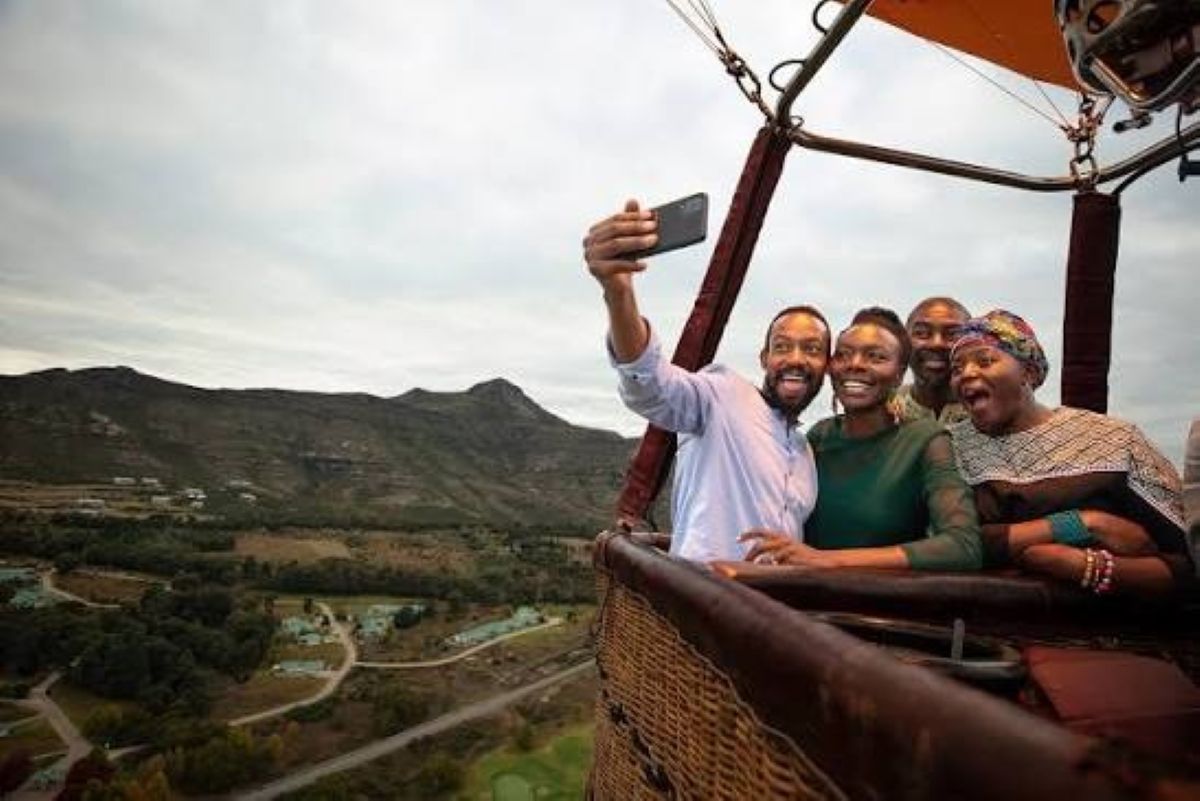
South Africa is drawing record numbers of international visitors despite renewed concern over tourist safety following several high-profile crimes. International tourism reached 10.5 million overnight visitors in 2025, surpassing the country’s pre-pandemic level. Yet serious crime remains a major concern, with 24,692 murders recorded nationally during the 2024-25 financial year.
Recent cases involving missing people and violent deaths have intensified questions about whether South Africa remains suitable for holidays. However, local guides and international security specialists say tourists should not confuse national crime figures with the experience of most visitors. Their advice centres on situational awareness, reliable transport, local expertise and careful route planning.
Advertisement
Advertisement
Tourism Growth Meets Persistent Security Concerns
South Africa presents an unusual travel equation. The country combines globally recognised attractions with crime levels that require visitors to plan more carefully than in many mainstream destinations.
The tourism rebound has nevertheless been substantial. Statistics South Africa recorded 10,498,506 overnight tourists in 2025. That represented a sharp increase from 2024 and pushed international tourism above the 2019 benchmark.
Advertisement
Advertisement
Government figures also show that momentum continued into 2026. South Africa recorded 2.91 million inbound travellers during the first quarter, with March alone accounting for 911,962 visitors. That March figure represented a 12.5% increase from the same month in 2025.
| South Africa Tourism Indicator | Latest Official Figure |
|---|---|
| Overnight tourists in 2025 | 10,498,506 |
| Foreign travellers arriving in 2025 | 14,183,030 |
| Same-day visitors in 2025 | 3,349,948 |
| International arrivals in 2025 | About 10.5 million |
| Q1 2026 inbound travellers | 2,910,029 |
| March 2026 visitors | 911,962 |
| March 2026 annual growth | 12.5% |
The figures matter because they demonstrate continued international confidence in the destination. They also explain why safety remains an important tourism issue rather than a niche concern.
Advertisement
Advertisement
A destination attracting millions of visitors must distinguish between national crime exposure and tourist-specific risk. That distinction sits at the centre of the debate surrounding South Africa.
Why Headlines Can Distort Tourist Risk
Several recent incidents have generated intense attention among prospective visitors. The supplied investigation highlights the deaths of Ernst and Dina Marais near Crooks Corner in Kruger National Park. It also examines the disappearance of British tourist Lorna McSorley in KwaZulu-Natal and earlier disappearances involving Tony and Gillian Dinnis.
Advertisement
Advertisement
Those cases are deeply disturbing, but they require careful interpretation. There is a significant difference between reporting an exceptional crime and suggesting that the same threat defines an entire country.
JD van Zyl, founder of The Travel Cafe, told the investigation that tourists should be “aware, but not afraid”. He said his company had hosted thousands of guests over nine years without a safety incident involving its travellers.
David Vorster, Africa regional security manager at International SOS, similarly said travel could be conducted safely when visitors were properly informed and supported. He noted that most travellers complete their trips without experiencing an incident.
That does not make the security problem insignificant. It means travellers should assess where they are going, how they are travelling and when they are moving, rather than treating national statistics as a personal risk forecast.
Advertisement
Advertisement
What Official Crime Data Really Shows
South Africa’s crime statistics remain serious by any reasonable measure. South African Police Service data recorded 24,692 murders during April 2024 to March 2025. That represented a 10.6% decline from the previous financial year, when 27,621 murders were recorded.
The same official data recorded 51,012 sexual offences during 2024-25. Attempted murders stood at 27,630. The overall direction therefore showed improvement in several serious categories, but the absolute numbers remained exceptionally high.
| Crime Indicator | 2023-24 | 2024-25 | Annual Change |
|---|---|---|---|
| Murder | 27,621 | 24,692 | -10.6% |
| Sexual offences | 53,285 | 51,012 | -4.3% |
| Attempted murder | 28,451 | 27,630 | -2.9% |
The geography of crime is equally important for travellers. The official British travel advisory warns that violent crime can occur anywhere, including tourist destinations and transport hubs. However, it also identifies townships, informal settlements, some city centres and isolated areas as particularly exposed.
The advisory currently remains travel guidance rather than a blanket recommendation against visiting South Africa. It stresses that no destination can guarantee complete safety and urges travellers to research their itinerary and obtain suitable insurance.
Local Knowledge Can Change the Equation
For visitors, perhaps the most important lesson is that South Africa demands stronger destination awareness.
Cape Town guide Dominic Chadbon, known as The Fynbos Guy, argues that travellers should rely more heavily on local expertise. His experience involves hiking, birdwatching and nature tours around Cape Town, Cape Point and Table Mountain.
Advertisement
Advertisement
His argument is practical. Wealthy tourist districts can exist remarkably close to neighbourhoods experiencing far higher levels of violent crime. Consequently, a traveller can cross a relatively short distance and encounter a completely different security environment.
The implication for tourism businesses is significant. Hotels, tour operators and destination-management companies have a role beyond selling attractions. They can provide route intelligence, trusted transfers, neighbourhood guidance and activity-specific safety information.
This approach also applies to independent travellers. A self-drive holiday can offer flexibility, but visitors should not assume that every route recommended by a navigation application represents the safest option.
The FCDO specifically warns that GPS systems can direct motorists through less secure areas. It recommends staying on main roads and planning airport journeys in advance.
Airports and Road Travel Need Extra Care
Airport transfers deserve particular attention. The official UK advisory warns about robbery and baggage theft around airports and says criminals have followed people from OR Tambo International Airport in Johannesburg to their destinations.
Travellers should therefore avoid lingering outside terminals with visible valuables. Pre-arranged hotel transfers, recognised private transport and established tour operators can reduce unnecessary exposure.
Advertisement
Advertisement
Cape Town presents a separate road-security consideration. The FCDO advises travellers using Cape Town International Airport to remain on major routes and avoid navigation directions that lead away from recommended roads.
| Travel Situation | More Sensible Approach |
|---|---|
| Airport arrival | Arrange a recognised transfer where possible |
| Urban sightseeing | Avoid isolated areas and walking after dark |
| Self-drive | Stay on main roads and plan routes beforehand |
| Traffic lights | Keep valuables concealed and remain alert |
| E-hailing | Confirm vehicle registration before entering |
| Hiking | Use busy marked routes and consider a guide |
| Township visits | Travel with a responsible local guide |
| Night-time travel | Use reliable transport rather than walking |
| Remote lodges | Check road conditions before departure |
These precautions are not designed to discourage travel. Instead, they reflect the practical reality of visiting a destination where mobility itself can influence risk.
National Parks Require Different Planning
Wildlife tourism remains one of South Africa’s strongest attractions. Kruger National Park, in particular, continues to draw visitors seeking the Big Five and extensive safari experiences.
However, visitors should understand that safari safety has two dimensions. Wildlife risks require established park procedures, while access roads and surrounding areas can present separate security considerations.
The current FCDO guidance notes a violent incident in Kruger and says SANParks has advised against using the Numbi Gate following security concerns. It also highlights crime-related route concerns around Addo Elephant Park.
Travellers should therefore check current park guidance before driving. Conditions can change after protests, criminal incidents, road disruptions or local security operations.
Advertisement
Advertisement
For official park information, visitors should consult South African National Parks before travelling.
Outdoor tourism elsewhere also requires preparation. The FCDO currently warns of attacks against hikers in Table Mountain National Park and recommends busy, marked trails, group travel and careful timing.
Practical Advice for International Visitors
The central lesson is not that South Africa is either safe or unsafe. Such a binary judgement is too crude for a country with substantial geographical and social variation.
Instead, visitors should treat South Africa travel safety as an itinerary-management issue. The safest choice may depend on accommodation, transport, destination, activity and time of day.
Airport transfers should be arranged before arrival whenever possible. Travellers should keep valuables out of sight and avoid displaying expensive jewellery. At traffic lights, windows should remain closed and vehicles should not stop unnecessarily in poorly secured areas.
E-hailing also requires attention. The FCDO recommends internationally recognised services, bookings made through the application and verification of vehicle details before entering. Visitors should also avoid unregulated drivers posing as app-based operators.
Advertisement
Advertisement
For hiking, visitors should favour established trails and travel with others. The FCDO recommends groups of four or more for Table Mountain National Park and advises against quieter trails during vulnerable periods.
Travellers should also save emergency numbers before departure. South Africa’s emergency number from a mobile phone is 112, while the police emergency number is 10111.
A Destination Still Worth Considering
The safety debate should not obscure South Africa’s enormous tourism proposition. Cape Town, the Cape Winelands, the Drakensberg, the country’s beaches and its wildlife reserves remain major international attractions. The scale of tourism recovery demonstrates that visitors continue to value that proposition.
Statistics South Africa’s latest data confirms the breadth of demand. In 2025, SADC countries supplied the majority of tourists, while overseas markets continued to contribute substantial long-haul traffic.
The tourism industry consequently faces a dual responsibility. It must protect visitors while communicating risk honestly. Overly reassuring messaging can undermine trust, while sensational reporting can unfairly damage an entire destination.
For travellers, the most credible approach lies between those extremes. South Africa travel safety requires preparation rather than panic, particularly when visitors use reputable accommodation, established transport and experienced local guides.
Advertisement
Advertisement
The destination remains viable for international tourism. However, it rewards travellers who understand its geography, respect local advice and plan movements carefully.
South Africa’s tourism success and security challenges can therefore exist simultaneously. The country does not require visitors to abandon curiosity, but it does require them to travel with greater awareness.
Advertisement
