
European Tourism 2026 Continues Its Strong Comeback as International Travelers Explore Iconic Landmarks, Lesser-Known Destinations and Authentic Local Experiences Across Europe

Published
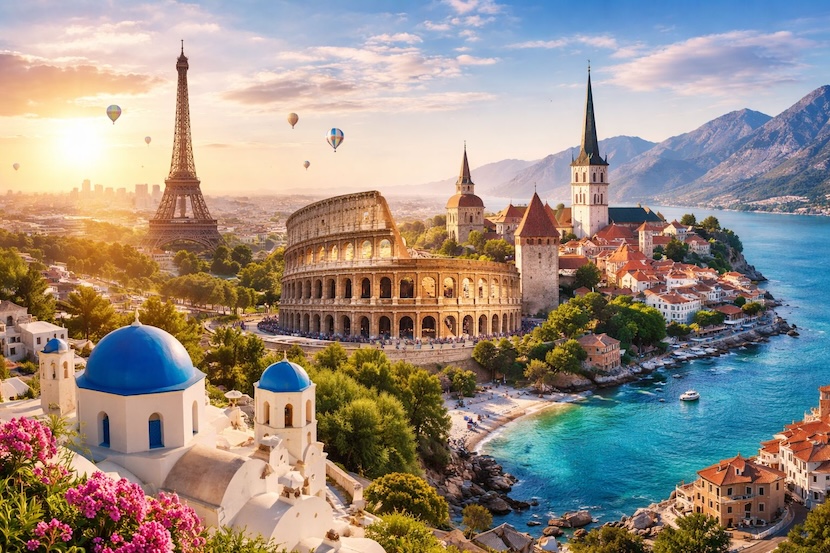
Image generated with Ai
Europe continues to demonstrate remarkable strength as one of the world’s most popular travel destinations. New tourism data indicates that international travel across the continent remains healthy in 2026 despite economic uncertainty, changing consumer spending habits, and evolving travel preferences.
For travelers planning a European holiday, the latest tourism trends offer encouraging news. Visitor demand remains steady across many countries, while tourism authorities and businesses are expanding services to improve travel experiences. Better transportation, new tourism initiatives, and increasing interest in sustainable travel are helping Europe maintain its appeal among visitors from around the world.
The latest figures suggest that both traditional holiday hotspots and lesser-known destinations are benefiting from renewed international interest. This balanced growth is creating fresh opportunities for travelers seeking memorable experiences beyond Europe’s busiest attractions.
Southern Europe Continues to Welcome Large Numbers of Visitors
Several destinations in Southern Europe are leading tourism growth this year. Greece, Italy, and Malta continue attracting millions of international travelers with their unique blend of history, culture, beaches, cuisine, and pleasant climate.
Advertisement
Advertisement
Greece remains one of Europe’s most sought-after destinations thanks to its famous islands, ancient archaeological sites, picturesque villages, and extended summer season. Visitors continue choosing the country for island hopping, cultural exploration, and relaxing seaside holidays.
Advertisement
Advertisement
Italy is experiencing sustained tourism demand across its diverse regions. Historic cities, beautiful coastlines, mountain landscapes, vineyards, and world-famous cuisine continue making Italy a favorite destination for travelers of all ages.
Malta is also enjoying increased international attention. Its historic architecture, Mediterranean coastline, diving locations, and compact size make it an attractive option for visitors looking for both relaxation and cultural discovery.
These destinations continue investing in tourism infrastructure while encouraging visitors to explore beyond the most crowded locations.
Travelers Are Looking Beyond Europe’s Famous Tourist Hotspots
One of the biggest travel trends in 2026 is the growing interest in discovering lesser-known destinations.
Instead of spending an entire holiday in Europe’s busiest cities, many travelers are adding smaller towns, regional villages, national parks, and countryside escapes to their itineraries.
Advertisement
Advertisement
This change benefits both visitors and local communities. Travelers enjoy quieter surroundings, more authentic cultural experiences, and better opportunities to interact with local residents. Meanwhile, smaller destinations receive valuable economic benefits from tourism spending.
Countries across Europe are increasingly promoting regional tourism to distribute visitor numbers more evenly throughout the year. This approach helps reduce overcrowding while allowing travelers to experience different sides of each country.
Sustainable Travel Is Becoming Part of Every Journey
Sustainability continues shaping the future of European tourism.
Many European governments and tourism organizations are encouraging visitors to make environmentally responsible travel decisions. Travelers are increasingly choosing eco-certified accommodations, public transportation, cycling routes, and locally owned businesses during their holidays.
Responsible tourism also includes respecting local customs, protecting natural attractions, reducing waste, and supporting community-based tourism initiatives.
Advertisement
Advertisement
These practices help preserve Europe’s cultural heritage and natural landscapes while ensuring tourism continues benefiting local residents for years to come.
For visitors, sustainable travel often creates richer experiences by encouraging deeper connections with local communities and traditions.
Better Connectivity Makes European Travel Easier
Improved transportation continues supporting tourism growth across Europe.
High-speed rail services, expanded airline networks, regional airports, and efficient public transportation systems allow travelers to move between countries quickly and comfortably.
Many visitors now combine several countries during a single holiday. A traveler may begin a trip in Italy, continue through Austria, explore Germany, and finish in the Netherlands using convenient rail and air connections.
Advertisement
Advertisement
This flexibility makes Europe especially attractive for long-haul visitors from North America, Asia, Australia, and the Middle East who want to maximize their travel experience.
Digital travel services have also simplified booking accommodation, transportation, attraction tickets, and local experiences before arrival.
Cultural Experiences Continue Driving Tourism Demand
Today’s travelers are increasingly seeking experiences rather than simply visiting famous landmarks.
Food tours, local festivals, wine regions, traditional markets, museums, historic neighborhoods, and outdoor activities are becoming central parts of European vacations.
Many destinations are expanding cultural events throughout the year to attract visitors outside the traditional summer season.
Advertisement
Advertisement
Seasonal celebrations, music festivals, art exhibitions, and culinary experiences encourage tourists to visit during spring, autumn, and even winter, helping reduce seasonal overcrowding.
This broader tourism calendar creates more flexibility for travelers while supporting year-round employment within the tourism industry.
Practical Advice for International Travelers
Anyone planning a European holiday should prepare carefully before departure.
Travelers should confirm passport validity, understand entry requirements for their destinations, and purchase comprehensive travel insurance.
Checking official government travel advisories before departure remains essential, as regulations, transportation schedules, and local guidance may change throughout the year.
Advertisement
Advertisement
Booking accommodations and major attractions in advance is recommended, particularly during peak travel months.
Visitors can also improve their experience by learning a few local phrases, respecting cultural traditions, and supporting locally owned restaurants, shops, and tour operators whenever possible.
Using public transportation instead of private vehicles can also reduce travel costs while helping minimize environmental impact.
Europe Continues to Offer Something for Every Traveler
Europe’s continued tourism growth reflects the continent’s ability to adapt to changing traveler expectations while preserving its rich cultural identity.
Whether visitors are searching for historic cities, Mediterranean beaches, mountain adventures, culinary discoveries, luxury escapes, or peaceful countryside retreats, Europe continues offering exceptional diversity within relatively short travel distances.
Advertisement
Advertisement
The increasing popularity of sustainable tourism and regional exploration is also creating a more balanced tourism model that benefits both visitors and local communities.
For global travelers planning their next international vacation, Europe remains one of the most rewarding destinations. With strong tourism performance, expanding travel opportunities, improved infrastructure, and countless authentic experiences waiting to be discovered, the continent continues proving why it remains one of the world’s leading travel destinations in 2026.
Advertisement
