
Abu Dhabi, China and Africa as Etihad’s Huge Network Expansion Could Transform Global Travel in 2027

Published
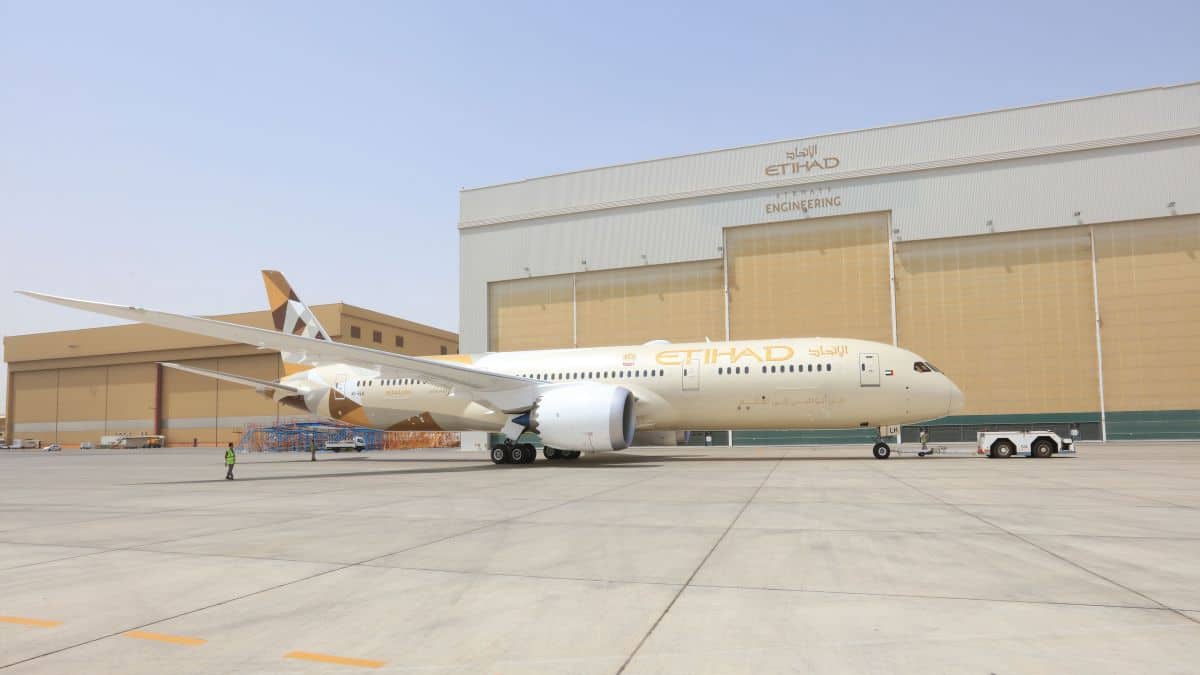
For travellers planning long-haul journeys in 2027, Abu Dhabi, China and Africa are becoming increasingly important pieces of the global aviation map. Etihad Airways is preparing to significantly expand its network, adding destinations and frequencies across both China and Africa while strengthening Abu Dhabi’s role as a connecting point between Asia, the Middle East, Africa and Europe.
The expansion comes at a time when passenger demand is running strongly. Etihad CEO Antonoaldo Neves told Reuters that the airline’s available seat capacity was 15–17% higher than a year earlier, while its August load factor reached 92%. The airline expects demand to remain strong through the winter travel season.
Advertisement
Advertisement
China Becomes a Major New Gateway
China is at the heart of Etihad’s expansion plans. The airline has announced five new mainland Chinese routes from Abu Dhabi, taking its China network to six destinations and 35 weekly flights.
The new services will connect Abu Dhabi with Shanghai, Guangzhou, Chengdu, Hangzhou and Shenzhen, alongside the airline’s existing daily service to Beijing.
Advertisement
Advertisement
For travellers, the significance goes beyond simply having more flights. The new network gives visitors access to different parts of China rather than concentrating international traffic around Beijing and Shanghai.
Advertisement
Advertisement
Shanghai offers access to one of Asia’s leading financial and cultural centres, while Guangzhou provides a gateway to southern China. Shenzhen adds another major technology and business destination, and Hangzhou offers a different mix of historic attractions and modern digital-economy development. Chengdu, meanwhile, gives leisure travellers access to Sichuan’s food culture and its famous panda attractions.
The Shanghai service is scheduled to begin on October 1, 2026, while Guangzhou, Hangzhou, Chengdu and Shenzhen services are planned for March 2027.
Africa Emerges as Another Major Growth Market
Etihad is simultaneously building a much wider footprint across Africa.
Advertisement
Advertisement
The airline has announced new services to Asmara in Eritrea, Accra in Ghana, Kinshasa and Lubumbashi in the Democratic Republic of Congo, Lagos in Nigeria, and Harare in Zimbabwe.
The first new African service is scheduled to connect Abu Dhabi with Asmara in November 2026. Several other routes are planned for March 2027, including daily flights to Lagos.
Advertisement
Advertisement
From a traveller’s perspective, the significance is particularly strong for passengers who previously had limited convenient options between Africa and Asia.
Etihad says the new routes will allow passengers from these African markets to make one-stop connections through Abu Dhabi to China, India, other parts of Asia and the Middle East.
That makes Abu Dhabi more than a destination. It increasingly becomes part of the journey itself.
Abu Dhabi Takes a Bigger Role in Global Travel
The expansion fits into Abu Dhabi’s broader ambition to become a major international tourism and aviation centre.
The emirate’s Tourism Strategy 2030 aims to increase total visitor numbers from nearly 24 million in 2023 to 39.3 million by 2030. It also targets an increase in international overnight visitors from around 3.8 million to approximately 7.2 million.
Advertisement
Advertisement
Air connectivity is an important part of that strategy. Abu Dhabi’s tourism authorities have identified infrastructure and mobility, including increased flight capacity, as one of the pillars supporting future visitor growth.
Etihad’s expanding network therefore serves two purposes: bringing more people to Abu Dhabi and making the emirate a convenient stopping point for travellers continuing elsewhere.
New Connections Could Benefit Indian Travellers
The development could also be particularly relevant for passengers travelling from India.
Etihad already has an extensive Indian network, and its new African and Chinese services create additional combinations through Abu Dhabi.
A traveller could potentially fly from India to Abu Dhabi before continuing to Africa, while passengers from African cities could use the same hub to reach India or China.
Advertisement
Advertisement
This creates a growing travel corridor linking three large regions rather than treating them as separate markets.
For travellers, that can translate into more route choices and potentially more flexibility when planning long-distance journeys.
Airline Partnerships Expand the Reach Further
Etihad’s strategy also extends beyond the destinations served by its own aircraft.
The airline has been developing partnerships with African carriers, including agreements designed to improve connections beyond key gateways such as Accra and Lagos.
That matters because an airline does not need to operate its own aircraft to every city in a region to offer access to that market.
Advertisement
Advertisement
By combining Etihad’s Abu Dhabi network with local airline connections, travellers can potentially reach a wider range of African destinations through a single international itinerary.
Aircraft Availability Remains the Biggest Challenge
The expansion does, however, come with an aviation-industry constraint: aircraft availability.
Etihad has been investing heavily in widebody aircraft and announced 32 additional Airbus widebodies in 2025, taking its total new widebody commitments that year to 60 when combined with its Boeing commitments. Deliveries of the new Airbus aircraft are scheduled to begin from 2027.
The additional aircraft are important because Etihad’s China and Africa ambitions require substantial long-haul capacity.
More widebody aircraft would allow the airline to add frequencies, open additional routes and respond more quickly when demand grows.
Advertisement
Advertisement
For passengers, that could ultimately mean more choices between departure times, more seats on popular routes and greater access to destinations that currently require more complicated itineraries.
A New Travel Map Is Taking Shape
Etihad’s expansion signals a broader shift in how international travel through the Gulf is developing.
Instead of simply connecting traditional European, Asian and Middle Eastern hubs, Abu Dhabi is increasingly being positioned between emerging travel corridors linking Africa and Asia.
For a traveller, the impact is fairly straightforward: more cities become reachable through a single major hub, while Abu Dhabi itself gains importance as both a destination and a transit point.
With China and Africa becoming central to Etihad’s growth strategy, 2027 could mark an important stage in the airline’s transformation. The real story is not just the number of new routes. It is the creation of a wider network that makes journeys between Africa, China, India, the Middle East and Europe easier to connect.
For passengers, that could mean that the next international trip is no longer about finding the nearest major gateway. It may increasingly be about choosing Abu Dhabi as the gateway that connects the entire journey.
Advertisement
