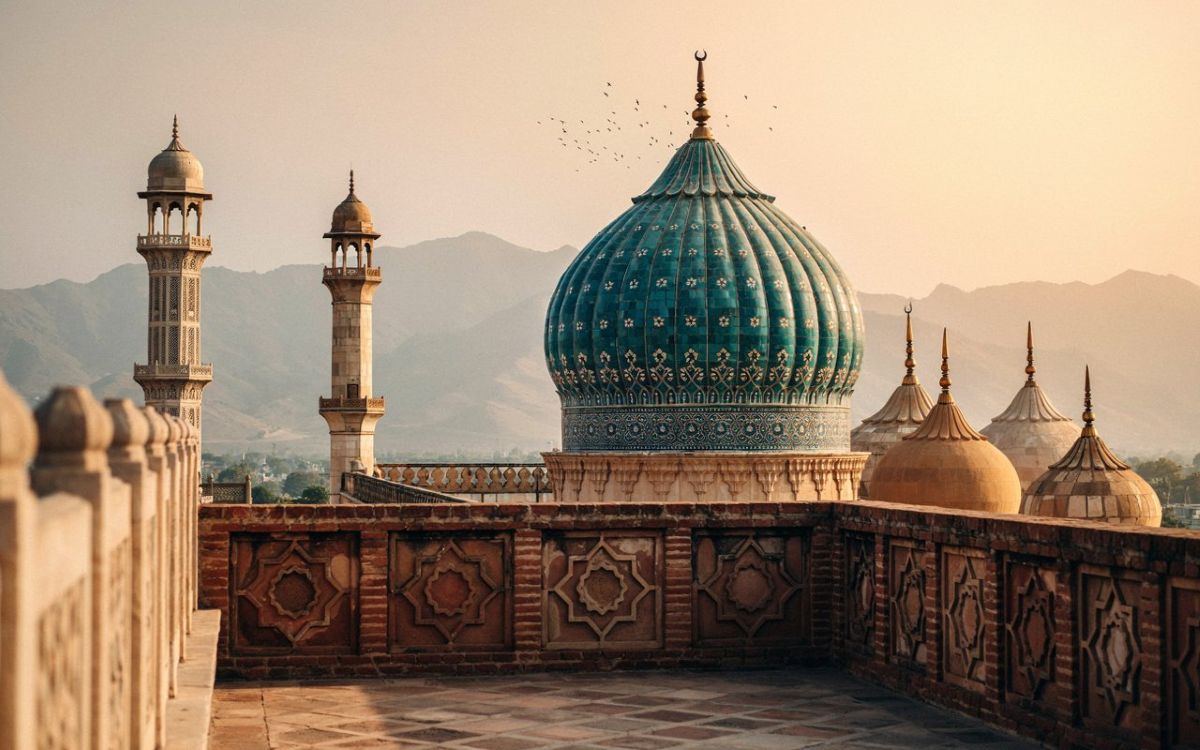
Image generated with Ai
The magnificent dome wonders of Iran are now gaining attention from all around the world because the travelers are discovering the amazing beauty and architectural wonders of engineering of the past in the country. These historical buildings reflect the ways through which the nation used its creativity to create magnificent structures which will inspire future generations. Additionally, these dome wonders show how the Iranians have had construction capabilities for centuries, and their beautiful designs reflect their rich heritage. In these magnificent buildings of ancient engineering, travelers get an opportunity to embark on a journey of discovery.
The Taj Mahal dome in Agra, India, remains one of the most admired architectural achievements on Earth. Built during the Mughal era, the monument represents a perfect combination of Indian craftsmanship, Persian influences and Islamic architectural traditions.
The massive white marble dome stands above the main mausoleum and creates the unforgettable image associated with the Taj Mahal. Its smooth surface, balanced shape and elegant design make it one of the most photographed structures in the world.
The beauty of the Taj Mahal dome comes from its extraordinary harmony. Every part of the monument follows a carefully planned design. The central dome connects with surrounding minarets, gardens and decorative features to create a perfectly balanced view.
Advertisement
The dome also demonstrates advanced engineering knowledge. Its double-shell construction allowed builders to create a grand external appearance while maintaining a suitable internal structure.
The Taj Mahal was built in the 17th century as a mausoleum commissioned by Mughal Emperor Shah Jahan. Over centuries, it has become a global symbol of love, architecture and cultural heritage.
The monument continues to attract visitors from every corner of the world. In 2026, travellers searching for iconic heritage experiences continue to place the Taj Mahal at the top of their lists.
The dome represents more than beauty. It represents the ability of human beings to combine imagination, science and craftsmanship into a creation that survives for generations.
Advertisement
Advertisement
Before the Taj Mahal became the symbol of Mughal architecture, Humayun’s Tomb in Delhi introduced many ideas that later shaped India’s greatest monuments.
The central dome of Humayun’s Tomb represents an important moment in Asian architectural history. Built during the 16th century, the structure introduced a large-scale double dome design that influenced future Mughal buildings.
The monument combines Persian-inspired planning with Indian building traditions. Its impressive white marble dome rises above a red sandstone structure, creating a striking contrast that attracts visitors and photographers.
The dome’s importance goes beyond its appearance. It represents a major development in architectural engineering. Builders created techniques that allowed them to achieve greater height, improved balance and more impressive designs.
Many architectural features later perfected in the Taj Mahal can be traced back to the ideas introduced at Humayun’s Tomb.
The monument’s garden setting, symmetry and detailed craftsmanship make it one of India’s most important historic attractions. It represents the beginning of a new chapter in Mughal architecture.
For travellers in 2026, Humayun’s Tomb offers a deeper understanding of India’s architectural evolution. It shows how ideas develop over time and how one masterpiece can influence generations of builders.
The dome remains a powerful reminder that some of the world’s greatest creations begin with a bold architectural vision.
The Mausoleum of Khoja Ahmed Yasawi in Turkistan, Kazakhstan, represents one of Central Asia’s greatest architectural achievements. Built during the Timurid period, the monument demonstrates advanced construction techniques, impressive scale and exceptional artistic skill.
The main dome of the mausoleum is among the most important historic domes in Central Asia. It reflects the creativity of Timurid architects who developed new approaches to large-scale construction.
The structure uses brickwork, glazed tiles and detailed patterns to create a powerful visual identity. The combination of turquoise decoration, geometric designs and traditional artistic elements gives the dome a unique appearance.
The monument also shows the importance of cultural exchange in Asian architecture. Its design reflects the influence of different artistic traditions that developed across Central Asia.
The dome represents a period when builders were experimenting with new forms and creating structures that combined strength with beauty.
For visitors in 2026, the Mausoleum of Khoja Ahmed Yasawi provides a different perspective on Asian architectural heritage. While India is famous for marble monuments, Central Asia reveals the extraordinary possibilities of brick-based architecture.
The dome remains a symbol of Kazakhstan’s cultural identity and continues to attract travellers interested in history, architecture and ancient craftsmanship.
It demonstrates how traditional building methods created monuments that continue to inspire the modern world.
Iran’s Soltaniyeh Dome remains one of Asia’s most remarkable architectural treasures. Located in Zanjan Province, this historic structure represents the extraordinary achievements of Persian architects during the Ilkhanid period.
The dome is famous for its impressive height, innovative double-shell design and stunning turquoise decoration. Rising above the surrounding landscape, it creates a powerful visual impact.
The engineering behind Soltaniyeh was revolutionary for its time. The double-shell structure allowed architects to create a large and stable dome while maintaining elegance and balance.
The turquoise-blue exterior decoration gives the monument its unforgettable appearance. The colours change with natural light, creating a dynamic visual experience for visitors.
The dome represents the advanced knowledge of ancient Persian builders. They combined mathematics, engineering and artistic creativity to create a structure that has survived for centuries.
Soltaniyeh also influenced later dome designs across Asia. Its construction methods inspired future architects who continued developing larger and more complex structures.
In 2026, the monument attracts cultural travellers looking for authentic historical experiences. It offers visitors an opportunity to explore Iran’s architectural achievements beyond modern cities and discover a masterpiece from the past.
The Soltaniyeh Dome remains a powerful symbol of innovation. It proves that ancient architecture was not only about decoration but also about solving complex engineering challenges.
Iran’s Masjed-e Jāmé of Isfahan remains one of Asia’s greatest architectural achievements. The historic mosque complex represents more than a thousand years of design evolution and shows how builders continuously improved architectural techniques across different periods.
The domes of Masjed-e Jāmé represent some of the most important developments in Islamic architecture. Among them, the Nezam al-Molk Dome stands out because of its innovative design and engineering excellence.
The structure introduced advanced techniques that allowed architects to build larger and more stable domes. These methods influenced later architectural projects across Asia and changed how builders approached dome construction.
The importance of Masjed-e Jāmé goes beyond its size and appearance. It represents the connection between science, art and cultural expression. Ancient architects carefully studied balance, weight distribution and geometry to create structures that could survive for centuries.
The mosque complex also reflects the changing styles of Persian architecture. Different generations added new designs, decorations and architectural elements, creating a unique monument that represents centuries of creativity.
The beauty of the domes comes from their combination of engineering and artistic detail. The brick patterns, decorative elements and carefully planned structure create a powerful visual experience.
In 2026, Masjed-e Jāmé continues to attract cultural travellers who want to explore the roots of Asian architecture. Visitors are not only seeing an old monument. They are discovering the ideas and innovations that shaped dome design across generations.
The mosque remains a symbol of human intelligence and creativity. It proves that architecture can become a bridge between history and the modern world.
The Selimiye Mosque in Edirne, Türkiye, stands as one of the greatest achievements of Ottoman architecture. Built during the 16th century, the mosque is recognised for its enormous central dome, elegant proportions and exceptional structural design.
The central dome dominates the entire building and creates a feeling of openness, balance and harmony. Ottoman architects focused on creating a powerful interior space where light, height and decoration worked together perfectly.
The mosque was designed by Mimar Sinan, one of the most respected architects in history. His vision transformed the relationship between space and structure. The dome became the heart of the building rather than simply a covering above the prayer hall.
Unlike earlier designs that depended on many smaller domes, Selimiye Mosque focused on one impressive central dome. This approach created a more unified and dramatic architectural experience.
The engineering achievement behind the dome remains remarkable. Builders developed methods that allowed the massive structure to appear light and graceful while maintaining strength and stability.
Inside the mosque, decorative details enhance the beauty of the dome. Traditional patterns, artistic elements and carefully controlled natural light create a peaceful and inspiring atmosphere.
For travellers in 2026, Selimiye Mosque remains one of Türkiye’s most important cultural attractions. It represents the creativity, ambition and technical knowledge of the Ottoman period.
The dome continues to inspire architects and visitors because it combines beauty with extraordinary engineering. It is a reminder that architecture can transform practical structures into timeless works of art.
The Great Mosque and Hospital of Divriği in Türkiye represents another remarkable chapter in Asian architectural history. Built during the 13th century, the monument showcases the artistic achievements and technical skills of the Seljuk period.
The structure is famous for its detailed craftsmanship, unique architectural features and extraordinary stone decoration. Every section of the monument reflects careful planning and creative imagination.
Although its design differs from later Ottoman mosque domes, Divriği demonstrates the innovative thinking of medieval builders. Architects used advanced methods to create impressive spaces while combining function with artistic beauty.
The monument represents the cultural exchange that shaped Anatolian architecture. Different traditions influenced its design, creating a unique style that reflects the history of the region.
One of the greatest attractions of Divriği is its detailed decoration. Stone carvings, geometric patterns and artistic designs transform the building into a masterpiece of craftsmanship.
The monument shows that architectural excellence was not limited to major imperial capitals. Smaller cities also produced extraordinary structures that continue to attract visitors centuries later.
In 2026, Divriği offers travellers a chance to discover a quieter but equally fascinating side of Türkiye’s heritage. It provides a deeper understanding of how architecture developed across Asia.
The Great Mosque and Hospital of Divriği proves that beauty can exist in many forms. Some monuments impress through enormous size, while others capture attention through incredible detail and craftsmanship.
Asia’s historic domes are becoming increasingly important destinations for cultural travellers in 2026. Modern visitors are searching for meaningful experiences that connect them with history, creativity and local traditions.
These architectural wonders provide much more than sightseeing opportunities. They allow travellers to understand how ancient societies used mathematics, engineering and artistic skills to create structures that continue to survive.
Countries across Asia are focusing more on heritage tourism because historic monuments represent powerful cultural assets. These destinations attract visitors who want authentic experiences rather than simple holidays.
The growing interest in architectural travel is encouraging more people to explore:
Each dome tells a different story.
The Taj Mahal represents the perfection of Mughal design and remains a symbol of timeless beauty.
Humayun’s Tomb shows the beginning of a new architectural era in India.
Khoja Ahmed Yasawi Mausoleum reflects the achievements of Central Asian builders.
Soltaniyeh demonstrates Persian engineering excellence.
Masjed-e Jāmé of Isfahan reveals centuries of architectural evolution.
Selimiye Mosque represents the highest achievement of Ottoman dome design.
Together, these monuments create a remarkable journey through Asia’s architectural history.
They show how different cultures developed unique approaches to construction while sharing a common desire to create structures that inspire future generations.
Also, Iran presents the continent of Asia with some of the greatest dome architectures that represent the beauty of historical engineering and architecture. This is done via the great structures that have been built in Iran which display the skills of those who designed them for the whole world to admire. Presently, tourists visit such domes in order to find out more about their history and innovation. They not only carry on the legacy of their creators but also present some of the artistic works that can attract any tourist.
Advertisement
Tags: ancient engineering, architectural wonders, Asia architecture, cultural tourism, historic domes
Advertisement
Advertisement












Wednesday, September 2, 2026

Tuesday, September 1, 2026

Wednesday, September 2, 2026

Wednesday, September 2, 2026
Tuesday, September 1, 2026
Tuesday, September 1, 2026

Wednesday, September 2, 2026

Wednesday, September 2, 2026



