
Germany Launches First Live Siemens Signaling X Trial in Rostock to Transform Future Urban Rail Operations

Published
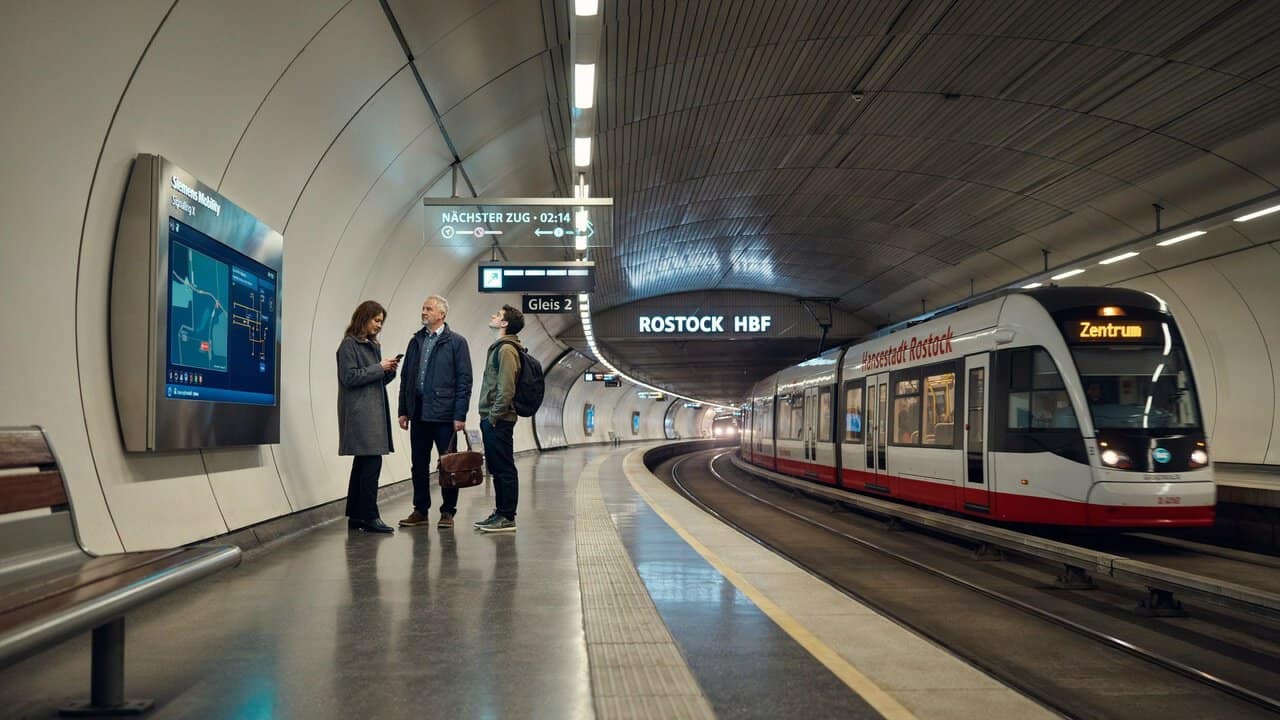
A new era of digitalisation of Germany’s urban rail transit system has come about after Siemens Mobility and Rostocker Straßenbahn AG (RSAG) initiated the first pilot for Siemens Signaling X Rostock technology in Germany’s urban setting. This technology is currently undergoing testing in the tram tunnel under Rostock Hauptbahnhof, and it is the first time that this system is being used in Germany’s urban public transport system.
This technology signifies the shift towards the use of software for rail transit signally, making it possible for rail transit functions to be managed digitally rather than using the hardware only. The purpose of this trial will be to test how future urban rail networks will be made more flexible and upgradable.
Advertisement
Advertisement
For customers, this does not immediately affect the routes, ticketing and travel time. Nevertheless, success in implementing this technology could have an effect on tram, metro and urban rail networks in future.
Why This Matters for Travellers Using Urban Rail Networks
The Siemens Signaling X Rostock trial is important because signalling technology is one of the most essential parts of any railway system. It controls how trains move safely, manages traffic flow and ensures that passengers can travel reliably.
Advertisement
Advertisement
As cities grow and public transport demand increases, operators need railway systems that can adapt quickly. Traditional signalling infrastructure can require major physical upgrades, while digital signalling platforms aim to provide more flexibility through software-based solutions.
The Rostock trial allows Siemens and RSAG to test this technology in a real urban operating environment rather than only in laboratories or controlled testing facilities.
Advertisement
Advertisement
Key Passenger Benefits Expected From Future Digital Signalling
- More reliable urban transport: Advanced signalling can help operators manage services more efficiently.
- Faster infrastructure upgrades: Software-based systems may reduce the need for large hardware replacements.
- Improved network flexibility: Digital platforms can adapt more easily to changing operational needs.
- Future capacity improvements: Smarter signalling can support more efficient train movements.
- Better long-term passenger experience: More efficient operations can contribute to smoother journeys.
The benefits will depend on future deployment decisions, but the trial represents an important step in modernising urban mobility.
What Has Changed With Siemens Signaling X in Rostock?
Siemens Mobility and Rostocker Straßenbahn AG have started trial operations of the Signaling X platform on the tram tunnel section beneath Rostock Hauptbahnhof.
Advertisement
Advertisement
The technology is being tested on an active urban tram corridor, making the project significant because it demonstrates how next-generation signalling can operate under real transport conditions.
Rostock’s tram network forms an important part of the city’s public transport system, with the network operated by RSAG.
Main Details of the Siemens Signaling X Trial
| Feature | Details |
|---|---|
| Technology | Siemens Signaling X |
| Location | Rostock Hauptbahnhof tram tunnel, Germany |
| Transport mode | Urban tram network |
| Operator | Rostocker Straßenbahn AG (RSAG) |
| Trial type | Live operational environment |
| First use | German urban public transport |
| Main purpose | Test software-based signalling technology |
The trial provides valuable operational experience that could support future digital rail projects.
How Does Siemens Signaling X Change Traditional Railway Signalling?
Traditional railway signalling systems have historically depended on dedicated hardware installations designed for specific functions.
Advertisement
Advertisement
Siemens Signaling X introduces a different approach by separating signalling applications from fixed hardware systems. This allows railway functions to operate through modern digital platforms while maintaining safety requirements.
The platform uses Siemens’ DS3 safety technology environment, which is designed to support safety-critical railway applications.
Differences Between Traditional and Digital Signalling Systems
| Traditional Signalling | Software-Based Signalling |
|---|---|
| Relies heavily on dedicated hardware | Uses flexible digital platforms |
| Large physical upgrades may be required | Software updates can improve functionality |
| Systems are often designed for specific installations | More adaptable to changing requirements |
| Hardware replacement can be complex | Digital architecture can simplify modernisation |
The move towards software-defined systems reflects wider digital transformation across the global railway industry.
Why Is Rostock Important for Testing Future Rail Technology?
Rostock provides a practical environment for testing Signaling X because the technology is being introduced into an operating urban tram system.
Testing in real conditions allows engineers and operators to evaluate performance, integration requirements and operational reliability.
The project also demonstrates the increasing importance of partnerships between technology providers and transport operators.
Advertisement
Advertisement
Reasons Rostock Is Suitable for the Urban Rail Trial
- Active passenger tram operations.
- Existing urban transport infrastructure.
- Real-world operating conditions.
- Opportunity to evaluate digital railway technology.
- Practical testing environment before wider deployment.
The trial could provide lessons for future metro and tram projects in other cities.
What Is the Role of Rostocker Straßenbahn AG in the Project?
Rostocker Straßenbahn AG operates Rostock’s tram network and is responsible for providing urban public transport services in the city.
The company’s involvement allows Siemens to test Signaling X within an operational tram environment rather than only through technical demonstrations.
Rostock’s tram system has been a central part of the city’s transport network for decades and continues to evolve with newer technologies and vehicles.
How Transport Operators Benefit From Digital Rail Partnerships
- Access to emerging railway technologies.
- Experience with future signalling systems.
- Improved understanding of digital infrastructure.
- Opportunities to modernise operations.
- Stronger preparation for future passenger demand.
Cooperation between technology companies and transport operators is becoming increasingly important as cities upgrade their mobility systems.
What Travellers Should Know About the Rostock Signaling X Trial
Passengers using Rostock’s tram network should understand that the project is currently a technology trial.
Advertisement
Advertisement
The testing process is focused on improving future railway operations and does not represent an immediate change to passenger services.
Travellers should continue using existing tram schedules, ticket systems and travel information.
Before Booking
Important Information for Passengers Using Rostock Tram Services
- Eligibility: No special requirements apply during the technology trial.
- Booking conditions: Existing ticket rules remain unchanged.
- Destinations: The trial operates within the existing Rostock tram network.
- Availability: Tram services continue according to normal operations.
- Official advice: Passengers should follow RSAG travel updates.
The project operates behind the scenes, with potential benefits expected in future transport improvements.
Why This Matters for the Future of Urban Mobility
Cities worldwide are looking for ways to improve public transport efficiency while managing increasing passenger demand.
Digital signalling is becoming a major focus because it can help operators improve reliability, increase flexibility and modernise existing infrastructure.
The Rostock project reflects a broader international movement towards smarter urban rail systems.
Advertisement
Advertisement
Wider Impact of Digital Railway Technology
- Supports smarter city transport planning.
- Helps modernise existing rail networks.
- Improves operational flexibility.
- Encourages sustainable public transport development.
- Creates opportunities for future automation and connectivity.
The future of urban travel will increasingly depend on intelligent transport systems that combine infrastructure with digital technology.
How Could Signaling X Influence Future Rail Networks?
If successful, technologies like Signaling X could influence future metro, tram and railway projects by providing more adaptable signalling solutions.
Urban rail operators face increasing pressure to improve service quality while controlling infrastructure costs. Digital platforms may provide new ways to manage these challenges.
Future Opportunities From Software-Based Railway Systems
- Easier upgrades for existing networks.
- Better integration with digital transport systems.
- Improved operational data management.
- More adaptable urban mobility solutions.
- Support for future smart city development.
The Rostock trial represents an early stage in exploring these possibilities.
Frequently Asked Questions About Siemens Signaling X Rostock Trial
What is Siemens Signaling X?
Siemens Signaling X is a digital signalling platform designed to separate railway signalling functions from traditional dedicated hardware systems.
Where is the Siemens Signaling X trial taking place?
The trial is taking place in the tram tunnel beneath Rostock Hauptbahnhof in Germany.
Advertisement
Advertisement
Does the trial change Rostock tram services?
No. The project is a technology trial and does not immediately change routes, ticketing or passenger operations.
Why is the Rostock trial important?
It is the first deployment of Signaling X in German urban public transport and the first use of the platform in a real urban operating environment.
Could passengers benefit from this technology in the future?
Potentially. Future benefits could include improved reliability, more flexible infrastructure upgrades and more efficient urban rail operations.
Closing Update
The Siemens Signaling X test in Rostock represents a crucial step in the digitalization of urban rail transport. Through this experiment, which involves the use of software signaling in the operational railway environment, Siemens Mobility and Rostocker Straßenbahn AG are seeking to discover the potential that future tramways and metros might have.
While passengers may not notice any differences right away, the further development of digital signaling has the potential to impact the future development of global urban transport systems.
In light of ongoing sustainable urban mobility trends, Signaling X technology could form the basis for the future rail system.
Advertisement
